Are you tired of waking up with sharp pain in your heel? Plantar fasciitis can make every step feel like a challenge.
What if there was a simple tool you could use at home to ease that discomfort? Acupressure mats have gained attention as a natural way to relieve foot pain. But can they really help with plantar fasciitis? Keep reading to discover how acupressure mats work, and whether they might be the relief you’ve been searching for.
Your feet deserve to feel better—and the answer might be closer than you think.

Plantar Fasciitis And Its Symptoms
Plantar fasciitis causes pain in the heel and bottom of the foot. It happens when the plantar fascia, a thick band of tissue, becomes irritated or inflamed. This condition often makes walking or standing painful. Understanding the causes and symptoms helps to manage the pain better.
Pain may start suddenly or develop slowly over time. It can affect daily activities and reduce mobility. Early recognition of symptoms is important to avoid worsening the condition.
Causes Of Plantar Fasciitis
Plantar fasciitis can result from several factors. Overuse of the foot during sports or work is a common cause. Poor foot support, such as flat feet or high arches, can strain the plantar fascia. Wearing improper shoes also adds stress. Obesity increases pressure on the feet. Tight calf muscles may contribute as well.
Common Signs And Pain Areas
The main sign is sharp heel pain, especially after rest. Pain usually feels worse in the morning or after sitting. It tends to ease with movement but returns after long standing. Tenderness is often found at the bottom of the heel. Sometimes, pain spreads along the arch of the foot.
How Acupressure Mats Work
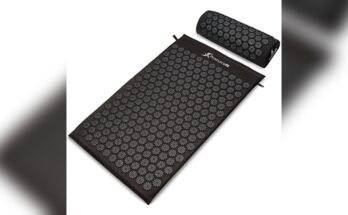
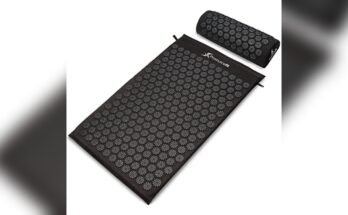
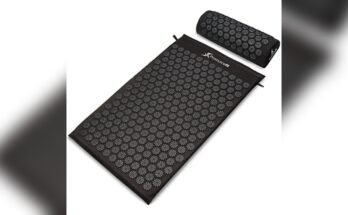
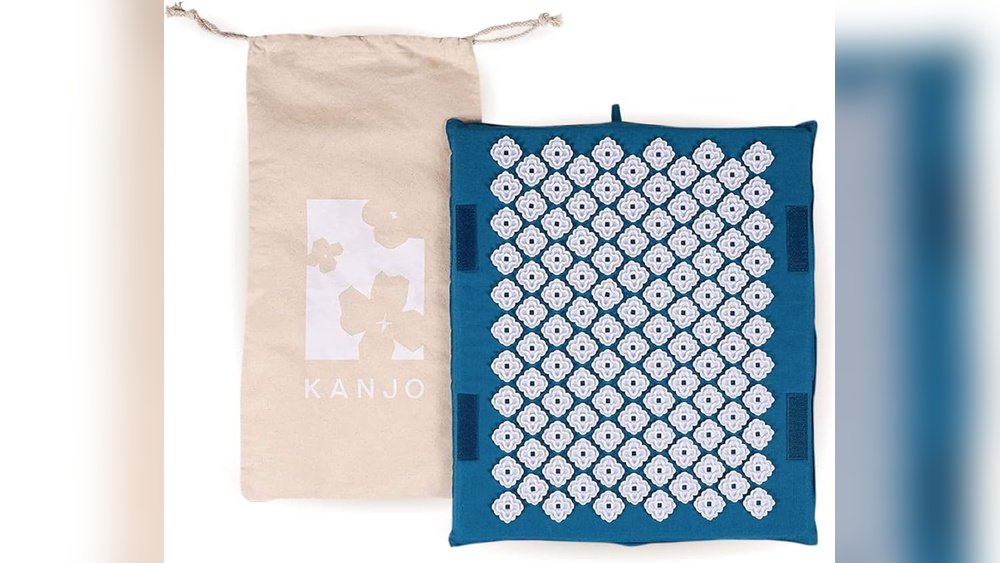
Acupressure mats target specific points on the feet using gentle pressure. The mats have small, raised spikes that press against the skin. This pressure can help reduce pain and improve circulation. The stimulation of these points may also help relax tight muscles and reduce inflammation. Regular use might support the healing process of plantar fasciitis.
Mechanism Of Pressure Points
Acupressure mats stimulate key pressure points on the soles. These points connect to nerves and tissues throughout the body. Pressing them sends signals to the brain to release pain-relieving chemicals. This process can ease discomfort in the feet. It also encourages blood flow, which helps heal damaged tissue. The gentle pressure promotes muscle relaxation and reduces stiffness.
Benefits For Foot Health
Using acupressure mats can improve overall foot health. Increased blood flow helps repair injured areas faster. The mats can reduce swelling and ease plantar fascia tension. This relief supports better movement and less pain during walking. The stimulation also helps improve nerve function in the feet. Over time, users may notice improved foot flexibility and comfort.
Acupressure Mats Vs. Plantar Fasciitis Pain
Plantar fasciitis causes sharp heel pain. Many seek relief through various methods. Acupressure mats have gained attention as a simple tool. They promise to ease pain by stimulating pressure points on the feet. But how effective are they against plantar fasciitis?
Understanding the interaction between acupressure mats and plantar fasciitis helps in deciding their use. These mats have small spikes that press into the skin. This pressure may influence pain signals and blood flow. The potential benefits include pain relief, better circulation, and less inflammation.
Pain Relief Potential
Acupressure mats apply gentle pressure to the foot’s sole. This pressure can activate nerve endings and reduce pain signals. Users often report a decrease in discomfort after short sessions. The mats may help relax tight muscles around the heel. This relaxation can lower the intensity of plantar fasciitis pain.
Improving Blood Circulation
Good blood flow is crucial for healing plantar fasciitis. The spikes on acupressure mats stimulate small blood vessels. This stimulation can increase blood circulation in the feet. Better circulation delivers oxygen and nutrients to damaged tissue. This boost may speed up the healing process and reduce stiffness.
Reducing Inflammation
Inflammation causes swelling and pain in plantar fasciitis. Acupressure mats may help reduce inflammation by improving circulation. The pressure from the spikes can also encourage the body to release natural anti-inflammatory substances. Less inflammation often means less pain and quicker recovery.
Using Acupressure Mats Safely
Using acupressure mats safely is important to get relief without harm. These mats have small spikes that press on your skin. They can help ease plantar fasciitis pain by improving blood flow and relaxing muscles. Careful use prevents discomfort or injury.
Follow simple rules to use the mat correctly. Start slow and listen to your body. Stop if you feel sharp pain or skin irritation. Safe use helps you enjoy benefits and avoid problems.
Proper Techniques And Duration
Place the mat on a flat surface. Sit or lie down carefully on it. Avoid sudden movements to prevent skin scratches. Start with short sessions, about 5 to 10 minutes. Gradually increase time up to 20 minutes per day.
Focus on the heel and arch areas. Use light pressure at first. Increase pressure as your skin gets used to spikes. Wear thin socks if the spikes feel too sharp.
Precautions And Contraindications
Do not use the mat on broken or irritated skin. Avoid if you have skin infections or wounds on your feet. People with diabetes or poor circulation should consult a doctor first.
Avoid use if you have blood clot risks or deep vein thrombosis. Pregnant women should seek medical advice before use. Stop use immediately if you feel numbness, pain, or dizziness.
Other Effective Relief Tips
Managing plantar fasciitis pain often requires more than just one approach. Combining different methods can improve comfort and support healing. Here are some other effective relief tips to consider.
Stretching And Strengthening Exercises
Gentle stretching helps reduce tension in the foot. Focus on calf stretches and toe stretches daily. Strengthening the muscles around the foot improves stability. Simple exercises like toe curls and towel grabs build strength. Regular practice can decrease pain and prevent future problems.
Footwear And Orthotics
Wearing supportive shoes is crucial for foot health. Choose shoes with good arch support and cushioning. Avoid flat or worn-out shoes that increase strain. Custom orthotics or insoles can provide extra support. They help distribute pressure and reduce foot pain.
Cold And Heat Therapy
Cold therapy reduces inflammation and soothes pain. Apply ice packs on the heel for 15 minutes after activity. Heat therapy relaxes muscles and improves blood flow. Use warm towels or heating pads before stretching or exercise. Alternating cold and heat can boost recovery and ease discomfort.
When To See A Doctor
Using acupressure mats can offer relief for plantar fasciitis pain. Yet, some pain levels need medical attention. Knowing when to see a doctor helps prevent serious problems. Watch your pain closely. Act fast if symptoms worsen or last too long.
Signs Of Severe Or Persistent Pain
Severe pain that stops daily activities needs a doctor’s checkup. Pain that lasts more than a few weeks is a warning. Swelling or redness around the heel can signal infection or injury. Numbness or tingling in the foot may show nerve issues. If walking becomes very difficult, do not delay a visit.
Professional Treatment Options
Doctors offer treatments beyond home care. Physical therapy can strengthen foot muscles and ease pain. Custom orthotic inserts support the foot and improve walking. Injections may reduce inflammation quickly. Surgery is rare but an option for severe cases. Early treatment helps faster recovery and less pain.

Frequently Asked Questions
Can Acupressure Mats Reduce Plantar Fasciitis Pain?
Acupressure mats stimulate pressure points that improve blood flow and reduce inflammation. This can help ease plantar fasciitis pain and promote healing when used regularly.
How Often Should I Use An Acupressure Mat For Plantar Fasciitis?
Using an acupressure mat for 10-20 minutes daily can provide relief. Consistency is key to reducing pain and improving foot flexibility over time.
Are Acupressure Mats Safe For Plantar Fasciitis Sufferers?
Yes, acupressure mats are generally safe. However, consult a doctor if you have sensitive skin, open wounds, or severe foot conditions before use.
What Benefits Do Acupressure Mats Offer For Foot Pain?
They increase circulation, reduce muscle tension, and stimulate nerve endings. These effects help alleviate plantar fasciitis pain and improve foot comfort.
Conclusion
Acupressure mats may help ease plantar fasciitis pain for some people. They improve blood flow and reduce tension in the foot muscles. Using a mat regularly could support healing and comfort. Still, results can vary from person to person. Combining mats with stretching and rest often works best.
Always check with a doctor before starting new treatments. Small steps can lead to big relief over time. Give your feet the care they deserve.