Are you tired of dealing with constant joint pain that limits your daily activities? Imagine finding a simple, natural way to ease that discomfort without relying on medications or expensive treatments.
Acupressure mats might be just what you need. These mats use gentle pressure on key points of your body to help reduce pain and improve circulation. But can they really make a difference for your joint pain? Keep reading to discover how acupressure mats work, what benefits they offer, and whether they could be the solution you’ve been searching for.
Your path to relief could start here.
How Acupressure Mats Work
Acupressure mats work by applying gentle pressure on specific areas of the body. This pressure helps reduce joint pain through natural body responses. The mats have many small, pointed nodes that press on the skin. This process triggers healing and relaxation in the body. Below are key ways acupressure mats can help with joint pain.
Stimulating Pressure Points
Acupressure mats target key pressure points on the body. These points connect to nerves and muscles around the joints. Pressing these spots sends signals to the brain. This can reduce pain signals and increase the release of natural painkillers. Stimulation helps balance the body’s energy flow, which may ease joint discomfort.
Boosting Blood Circulation
The small spikes on the mat improve blood flow in the skin and muscles. Better circulation brings more oxygen and nutrients to painful joints. It also helps remove waste products that cause inflammation. Increased blood flow supports faster healing and reduces stiffness around the joints.
Releasing Muscle Tension
Tense muscles around the joints often add to pain and discomfort. Acupressure mats help relax these muscles by applying steady pressure. This relaxation decreases tightness and improves joint movement. Less muscle tension means less stress on the joints, lowering pain levels.
Joint Pain And Acupressure
Joint pain affects many people around the world. It can limit daily activities and reduce life quality. Acupressure mats are a natural tool some use to ease this pain. These mats have small points that press on the skin. This pressure may help reduce discomfort in joints. Understanding how joint pain works and how acupressure helps can guide better pain management.
Common Causes Of Joint Pain
Joint pain comes from many reasons. Arthritis is a major cause, leading to swollen and stiff joints. Injuries like sprains or strains also cause pain. Overuse or repetitive motions can wear down joints. Aging naturally reduces joint cushioning, causing aches. Infections and autoimmune diseases may trigger joint pain too.
Effects On Inflammation
Inflammation is a key factor in joint pain. It causes redness, heat, and swelling around joints. This swelling presses on nerves, causing pain signals. Reducing inflammation helps ease pain and improves movement. Acupressure might lower inflammation by increasing blood flow. Better blood flow brings oxygen and nutrients to heal tissues.
Pain Relief Mechanisms
Acupressure mats work by stimulating nerve endings in the skin. This stimulation can release endorphins, natural painkillers made by the body. It also blocks pain signals from reaching the brain. The gentle pressure relaxes muscles around joints, reducing stiffness. Regular use may improve sleep, which helps the body heal and reduce pain.
Benefits Of Acupressure Mats
Acupressure mats offer a natural way to ease joint pain. They work by stimulating pressure points on the body. This stimulation can help reduce pain and improve overall well-being. Many people use these mats as a part of their daily routine for better health.
Using an acupressure mat is simple and does not require special skills. The mats can be used at home or anywhere. They provide several benefits that support joint health and comfort.
Non-invasive Pain Management
Acupressure mats help manage pain without medicines or needles. They apply gentle pressure to key areas. This pressure can block pain signals from reaching the brain. The mats also encourage the body to release natural painkillers. This method avoids side effects linked to drugs.
Improved Mobility
Regular use of acupressure mats can increase joint flexibility. The mats help reduce stiffness by boosting blood flow. Better circulation helps joints move more easily. This can make daily activities less painful and more comfortable.
Stress Reduction Impact
Stress makes joint pain worse for many people. Acupressure mats promote relaxation by calming the nervous system. This leads to lower stress levels and less muscle tension. Relaxed muscles support joint health and reduce discomfort. Using the mats can help you feel calmer and more at ease.

Choosing The Right Acupressure Mat
Choosing the right acupressure mat matters for joint pain relief. The right mat improves comfort and effectiveness. Many options exist in the market. Knowing what to consider helps in making a good choice. Focus on material, size, and safety to pick the best mat for your needs.
Material And Design Options
Acupressure mats use different materials like foam, plastic, or cotton. Foam mats offer soft support and last long. Plastic spikes provide pressure to stimulate joints and muscles. Some mats have rounded spikes to reduce discomfort. Others use sharper points for deeper stimulation. Choose a design that matches your pain level and comfort.
Size And Portability
Mats come in various sizes from small pads to full-body mats. Large mats cover more area and target many joints at once. Smaller mats are easy to carry and store. Consider where you will use the mat most. A portable mat suits travel or office use. A bigger mat works well at home for longer sessions.
Safety Considerations
Check if the mat is made from non-toxic materials. Some mats can cause skin irritation or allergies. Start with short sessions to see how your skin reacts. Avoid mats if you have open wounds or skin infections. Pregnant women and people with certain health issues should consult a doctor first. Use the mat on a soft surface to prevent injury.
Using Acupressure Mats Effectively
Using acupressure mats effectively can improve your joint pain relief experience. The right approach helps your body respond better. You must focus on how to position your body, how long to use the mat, and how to mix it with other treatments.
Proper Positioning Techniques
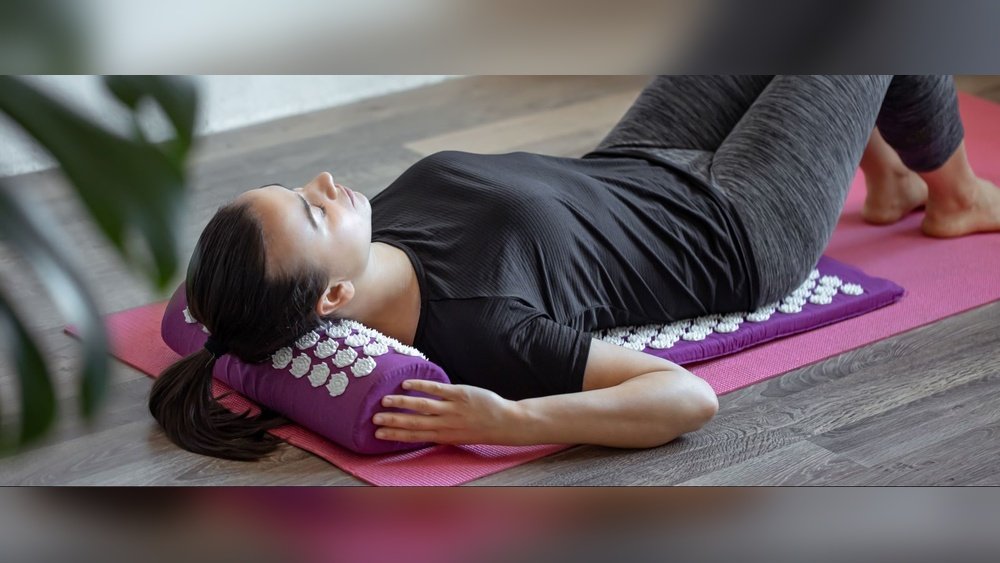
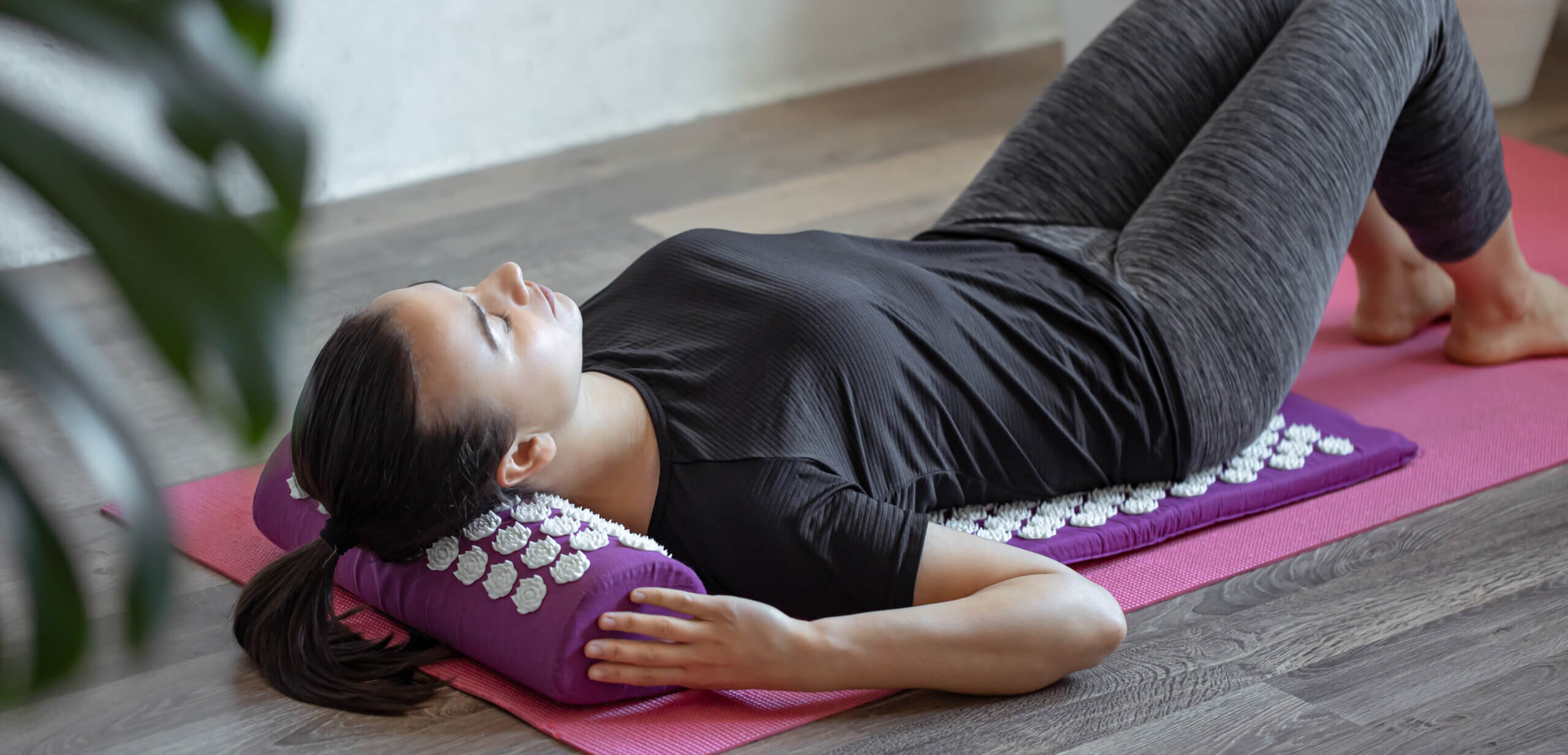
Place the mat on a flat surface. Lie down slowly to avoid discomfort. Target the joint area causing pain. For knee pain, sit with the mat under your legs. For shoulder pain, lie on your back and place the mat under your shoulders. Keep your body still to let the mat work well.
Recommended Duration And Frequency
Start with short sessions of 5 to 10 minutes. Gradually increase to 20 to 30 minutes as your body adjusts. Use the mat once or twice a day. Consistency is key for better results. Avoid overuse to prevent skin irritation or soreness.
Combining With Other Therapies
Use acupressure mats alongside physical therapy or gentle exercises. Warm baths or heat packs can relax muscles before use. Massage or stretching after a session can enhance relief. Talk to a healthcare provider to create a balanced pain management plan.

Precautions And When To Avoid
Acupressure mats may offer relief for joint pain, but using them safely is important. Not everyone should use these mats without caution. Knowing the precautions helps avoid harm and maximize benefits.
Potential Side Effects
Some users feel redness or soreness after using an acupressure mat. Skin irritation is common, especially for sensitive skin. Dizziness or headache may occur in rare cases. Stop using the mat if pain gets worse or unusual symptoms appear.
Consulting Healthcare Providers
People with certain health conditions should ask a doctor before use. Those with skin problems, infections, or blood disorders need medical advice first. Pregnant women must seek guidance before trying acupressure mats. A healthcare provider can suggest safe alternatives or proper use.
Avoiding Overuse
Using the mat too long can cause bruises or discomfort. Start with short sessions of 5 to 10 minutes. Gradually increase time as your body adjusts. Avoid daily use without breaks to prevent skin damage. Listen to your body and stop if pain rises.
User Experiences And Testimonials
User experiences and testimonials provide valuable insight into how acupressure mats affect joint pain. Real stories reveal the benefits and challenges users face. These accounts help others decide if the mat suits their needs. Reading about personal journeys makes the topic more relatable and trustworthy.
Success Stories
Many users report reduced joint pain after regular use. Some say stiffness in knees and wrists eased noticeably. A few mention better sleep and less discomfort in the mornings. People appreciate the natural, drug-free relief the mats offer. Consistent use seems key to seeing positive effects over time.
Challenges Faced
Some users find the initial sensation uncomfortable or prickly. It takes time to get used to the mat’s pressure points. A few experienced mild skin redness after long sessions. Not everyone noticed immediate pain relief; patience is important. Finding the right session length and position can be tricky at first.
Tips From Regular Users
Start with short sessions of 5 to 10 minutes daily. Wear a thin shirt if the mat feels too sharp on bare skin. Try using the mat on different body parts for better results. Relax and breathe deeply to help ease into the sensation. Consistency and gentle adjustments improve comfort and benefits over time.
Frequently Asked Questions
Can Acupressure Mats Reduce Joint Pain Effectively?
Acupressure mats stimulate pressure points that may help relieve joint pain. They increase blood flow and reduce muscle tension. Many users report decreased stiffness and improved mobility after regular use. However, results vary, and mats are best used as a complementary therapy, not a sole treatment.
How Long Should I Use An Acupressure Mat For Joint Relief?
Using an acupressure mat for 10-20 minutes daily is recommended. Consistent use over several weeks can improve joint discomfort. Start with shorter sessions to build tolerance and avoid skin irritation. Gradually increase time based on comfort and pain relief experienced.
Are Acupressure Mats Safe For Joint Pain Sufferers?
Yes, acupressure mats are generally safe for most people with joint pain. Avoid use if you have skin infections, open wounds, or severe circulatory issues. Always consult a healthcare provider if you have chronic conditions or concerns before starting use.
What Joints Benefit Most From Acupressure Mat Therapy?
Acupressure mats mainly benefit knees, wrists, shoulders, and hips. These mats target muscle tension and improve circulation around affected joints. Users often notice relief in areas with poor blood flow or muscle stiffness linked to joint pain.
Conclusion
Acupressure mats may offer relief for joint pain by improving blood flow. They work by gently pressing on skin points, which can reduce tension and discomfort. Many users find them easy to use at home or work. Results can vary, so patience is key.
Combining mats with other treatments can help manage pain better. Always check with a doctor before starting new pain relief methods. Small steps often lead to better joint health over time. Try it out and see how your body responds.