Are you tired of dealing with constant foot pain that just won’t go away? Imagine finding relief without expensive treatments or medications.
Acupressure mats might be the simple solution you’ve been searching for. These mats promise to ease your discomfort by stimulating key points on your feet, helping to reduce pain and improve your overall well-being. But can they really make a difference for your foot pain?
Keep reading to discover how acupressure mats work and whether they could be the answer to your foot pain struggles.
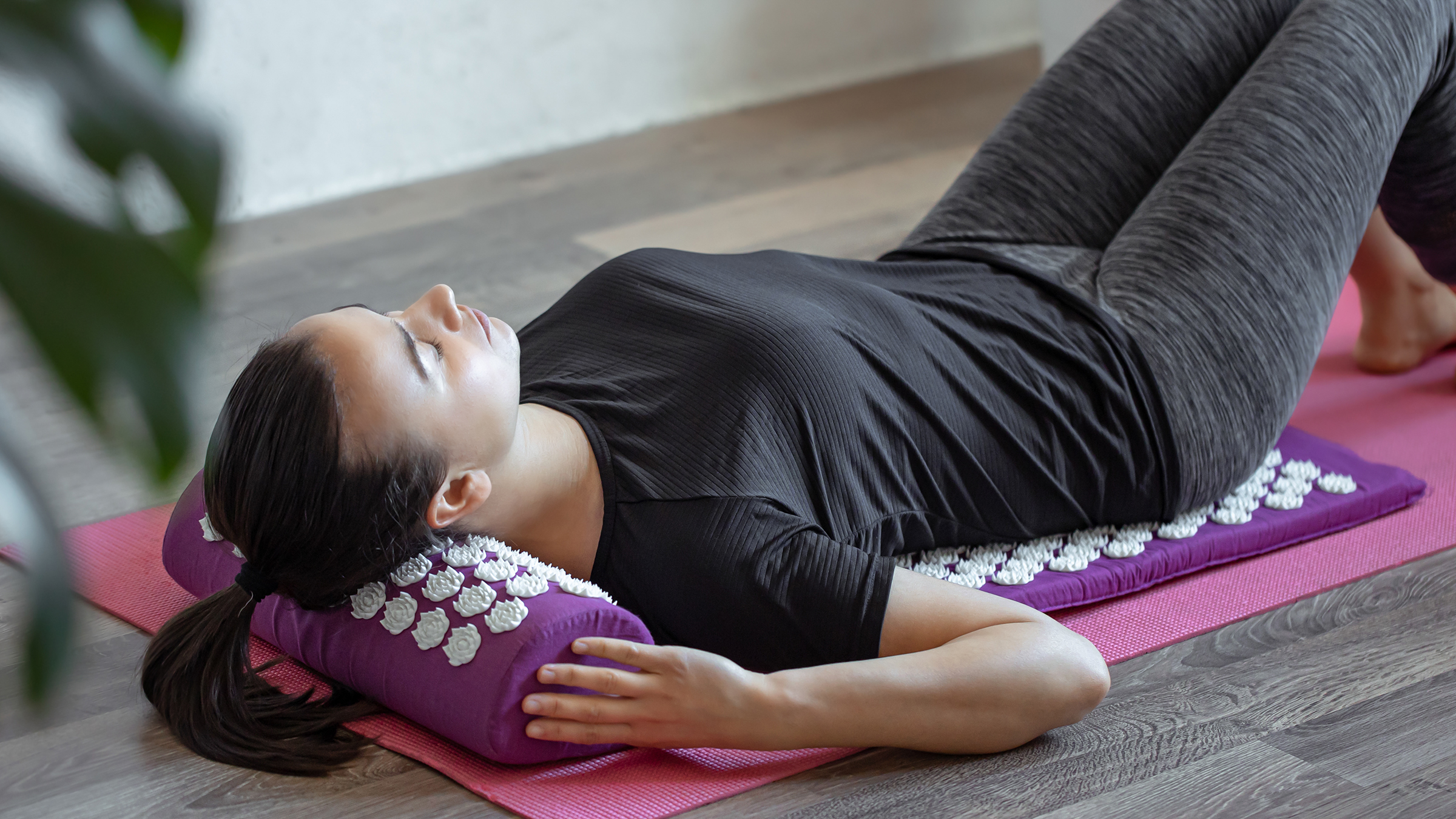
How Acupressure Mats Work
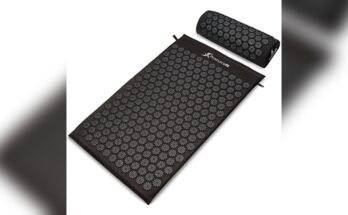
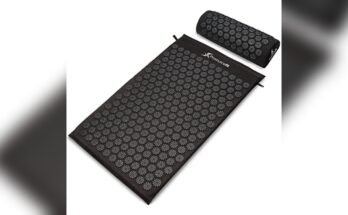
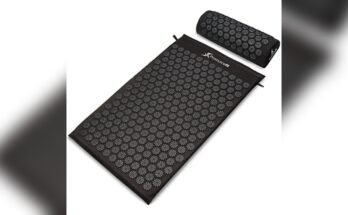
Acupressure mats offer a simple way to ease foot pain. These mats have many small points that press on your feet. This pressure can help your body relax and feel better. Understanding how acupressure mats work can show why they help reduce pain and discomfort.
Stimulating Pressure Points
The small points on the mat press on special spots on your feet. These spots connect to different parts of your body. Pressing these points sends signals to your nerves. This helps reduce pain and makes your body feel calm.
Improving Blood Flow
Using the mat helps your blood move better in your feet. Good blood flow brings oxygen and nutrients to tired muscles. It also helps remove waste from your tissues. This can speed up healing and lower pain levels.
Releasing Muscle Tension
The pressure from the mat loosens tight muscles in your feet. Loose muscles feel less sore and stiff. This also improves your foot movement. Less tension means less pain and more comfort when you walk or stand.
Benefits For Foot Pain
Acupressure mats can offer real relief for foot pain. These mats have small, firm points that press into the skin. This pressure can help improve blood flow and relax tight muscles. Many people find that using these mats eases pain after standing or walking all day.
The feet carry the whole body’s weight. They often suffer from strain and discomfort. Acupressure mats target key areas of the feet to reduce pain. Users report feeling calmer and less tense in their feet. This gentle therapy supports overall foot health.
Reducing Plantar Fasciitis Discomfort
Plantar fasciitis causes sharp pain in the heel and bottom of the foot. Acupressure mats help by increasing circulation in this area. The pressure points gently stretch and loosen tight tissue. This can reduce pain and stiffness. Regular use may speed up healing and improve mobility.
Alleviating Heel Pain
Heel pain often comes from inflammation or pressure on nerves. Pressing the acupressure points on the heel area can ease this pain. The stimulation helps reduce swelling and soothe sore spots. Many users feel less discomfort after short sessions on the mat. This simple method can support daily comfort.
Soothing Arch Strain
The arch of the foot endures constant tension and stress. Acupressure mats target the arch to relieve this strain. The small spikes apply even pressure, relaxing tight muscles. This can prevent cramps and reduce soreness. Using the mat regularly helps maintain healthy, pain-free arches.
Choosing The Right Acupressure Mat
Choosing the right acupressure mat can improve your foot pain relief experience. Not all mats offer the same comfort or effectiveness. Pay attention to key features before buying.
Consider material, design, and size to find the best fit for your needs. These factors impact how well the mat works and how long it lasts.
Material And Durability
Look for mats made of strong, non-toxic materials. Natural cotton or linen covers feel soft and allow your skin to breathe. The spikes should be made from durable plastic that won’t break easily. A sturdy mat stays flat and holds its shape for a long time. Check if the mat is easy to clean. This helps maintain hygiene and comfort.
Spine And Spike Design
The shape and number of spikes influence pain relief. Rounded spikes are gentler and good for beginners. Sharp spikes provide deeper pressure for stronger relief. Some mats have spikes arranged along the spine line to target key points. Others spread spikes evenly for full foot coverage. Choose a design that matches your pain level and preference.
Size And Portability
Foot mats come in different sizes. Larger mats cover more area but can be bulky. Smaller mats are easy to carry and store. If you travel often, a portable mat fits better in your bag. The size should match your foot length for effective acupressure. Think about where you will use the mat most.
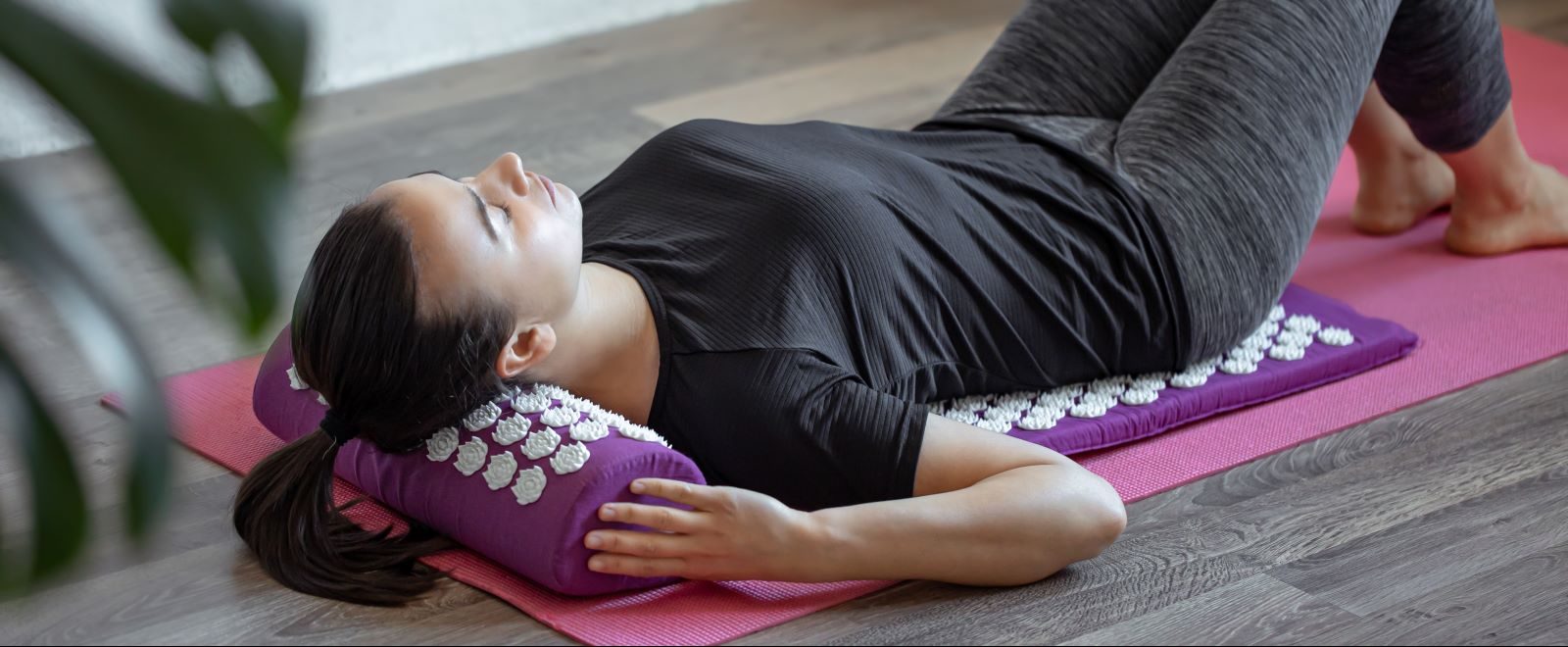
Using Acupressure Mats Safely
Using acupressure mats safely is very important to avoid discomfort or injury. These mats can help ease foot pain if used correctly. Knowing how to place your feet, how long to use the mat, and any health warnings will make your experience better and safer.
Proper Foot Placement
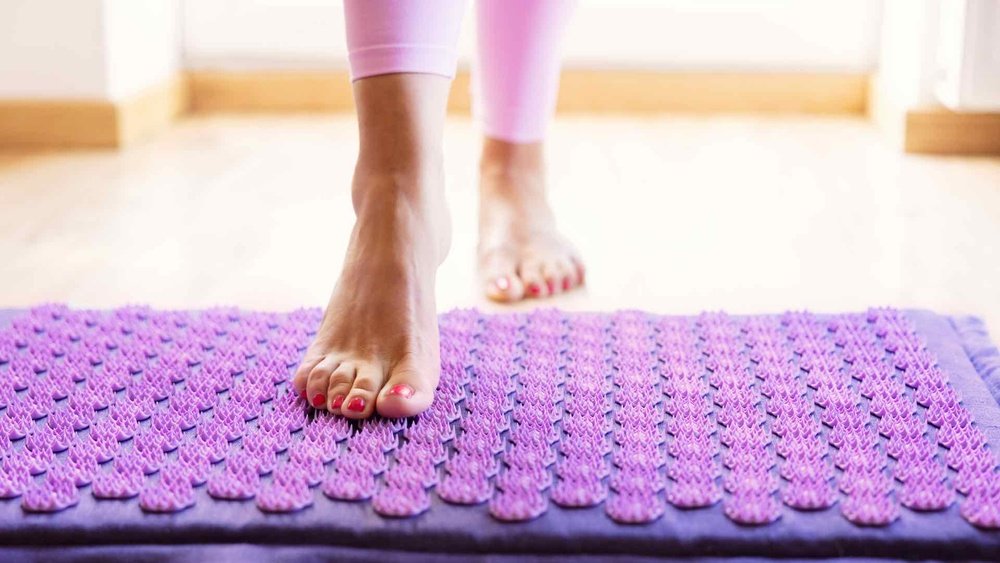
Place your feet flat on the mat to cover as many pressure points as possible. Stand or sit with your heels and balls of your feet touching the spikes. Avoid shifting your weight too much to prevent discomfort. Keep your feet still to let the mat work effectively.
Recommended Duration
Start with short sessions of 5 to 10 minutes to allow your feet to adjust. Gradually increase the time to 20 minutes as you get used to the sensation. Avoid using the mat for more than 30 minutes at once. Regular, moderate use helps ease foot pain without causing soreness.
Precautions And Contraindications
Avoid using the mat if you have open wounds or infections on your feet. People with diabetes or poor blood circulation should consult a doctor first. Stop using the mat if you feel sharp pain or skin irritation. Pregnant women should check with their healthcare provider before use.
Complementary Foot Pain Relief Tips
Foot pain can limit daily activities and cause discomfort. Along with acupressure mats, simple methods help ease foot pain. These tips support healing and reduce soreness. Try combining these with acupressure for better relief.
Foot Stretches And Exercises
Stretching keeps foot muscles flexible and strong. Toe stretches and ankle circles improve blood flow. Rolling a ball under your foot soothes tight muscles. Gentle exercises help reduce stiffness and pain.
Cold And Heat Therapy
Cold therapy lowers swelling and numbs pain. Use an ice pack on sore areas for 15 minutes. Heat therapy relaxes muscles and improves circulation. Warm towels or baths can ease foot discomfort.
Supportive Footwear Choices
Wear shoes that fit well and support arches. Avoid high heels and tight shoes that cause pressure. Cushioned insoles reduce impact on sensitive areas. Proper footwear prevents extra strain and pain.

When To Seek Professional Help
Acupressure mats may help ease mild foot pain by improving blood flow and relaxing muscles. Some people find relief using these mats at home. Still, certain signs show when professional medical advice is needed. Knowing these signs helps avoid worsening problems and ensures proper care.
Persistent Or Severe Pain
Pain that lasts more than a few days needs attention. Severe pain that stops normal activities is a warning. Do not ignore sharp or stabbing sensations. Persistent pain might mean an underlying problem that needs treatment.
Signs Of Infection Or Injury
Swelling, redness, or warmth can show infection. Open wounds or cuts that do not heal need care. Bruising or sudden injuries might cause damage inside the foot. These signs require a doctor’s checkup to prevent complications.
Consulting A Podiatrist
A podiatrist specializes in foot health. They can diagnose pain causes and suggest treatments. Visiting a podiatrist is best for ongoing or unclear foot problems. Early professional help can speed recovery and reduce pain.
Frequently Asked Questions
Can Acupressure Mats Relieve Foot Pain Effectively?
Yes, acupressure mats stimulate pressure points on the feet. This can improve blood circulation and reduce pain. Regular use may help ease soreness and promote relaxation.
How Long Should I Use An Acupressure Mat Daily?
Using the mat for 10-20 minutes daily is ideal. Start with shorter sessions and gradually increase time. Consistency enhances pain relief and foot health benefits.
Are Acupressure Mats Safe For All Foot Pain Types?
Generally, yes, but avoid use if you have open wounds or infections. Consult a doctor if you have diabetes or severe foot conditions before use.
What Foot Pain Conditions Benefit Most From Acupressure Mats?
They help with plantar fasciitis, heel pain, and general foot soreness. Mats aid in reducing muscle tension and improving foot flexibility.
Conclusion
Acupressure mats may ease foot pain by improving blood flow. They work by pressing on key points under your feet. Many people find relief after regular use. The mats are easy to use at home. They offer a natural way to relax tired feet.
While not a cure, they can help reduce discomfort. Trying one could be a simple step toward feeling better. Always check with a doctor for serious pain. Small changes can make a big difference over time.