Have you ever wondered if reflexology tools can actually boost your blood circulation? If you’re looking for a simple way to improve your health and feel more energized, this might be the answer.
Better blood flow means your body gets more oxygen and nutrients, helping you stay active and focused. You’ll discover how reflexology tools work, why they might help your circulation, and how you can use them easily at home. Keep reading to find out if these tools could be the key to a healthier, more vibrant you.
How Reflexology Boosts Circulation
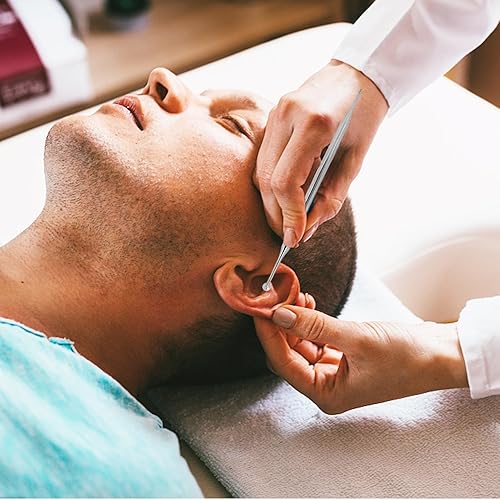
Reflexology offers a natural way to help improve blood circulation. It works by applying pressure to specific areas on the feet, hands, or ears. These areas connect to different body parts. Stimulating them helps increase blood flow. Better circulation supports overall health and healing.
Pressure Points And Blood Flow
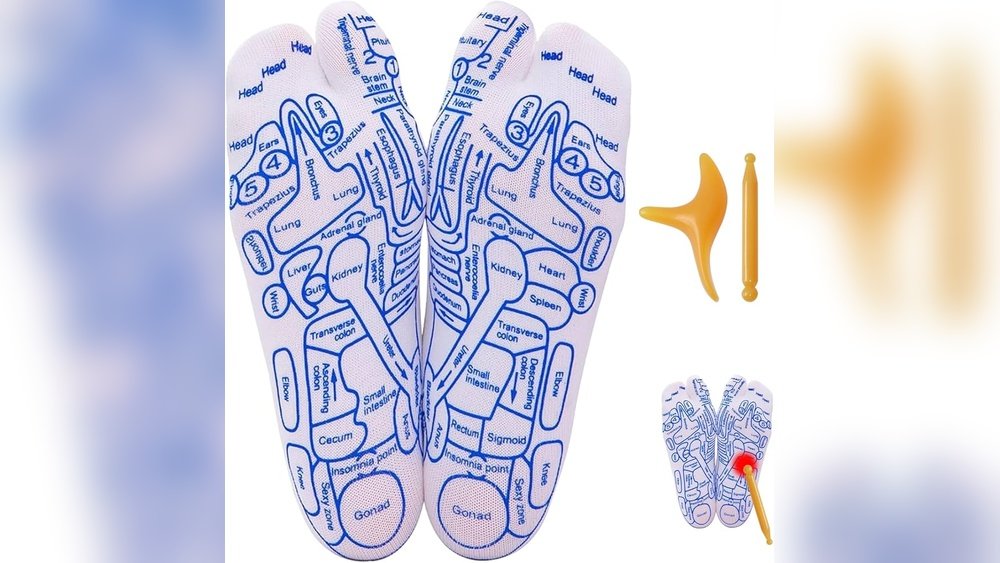
Reflexology targets precise pressure points linked to blood vessels. Pressing these points encourages blood to move more freely. This action helps clear blockages in small vessels. It also helps fresh blood reach tissues faster. The result is improved oxygen and nutrient delivery to cells.
Nerve Stimulation Effects
Applying pressure to reflex points stimulates nerves beneath the skin. This stimulation sends signals to the brain. The brain then activates the nervous system to relax blood vessels. Relaxed vessels widen, allowing blood to flow easily. This process supports better circulation throughout the body.
Impact On Vascular Health
Regular reflexology helps maintain healthy blood vessels. It reduces tension in vessel walls and lowers stress. Healthier vessels improve blood pressure and flow. This can reduce the risk of circulation problems like cold hands or feet. Over time, reflexology supports stronger, more flexible vascular health.

Types Of Reflexology Tools
Reflexology tools help stimulate pressure points on feet and hands. They improve blood flow and reduce tension. Different types of tools offer unique benefits. Each type targets specific areas to boost circulation and relieve stress.
Manual Rollers And Sticks
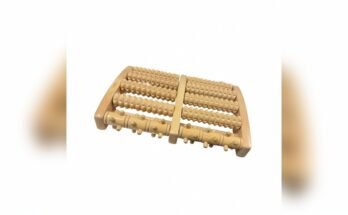
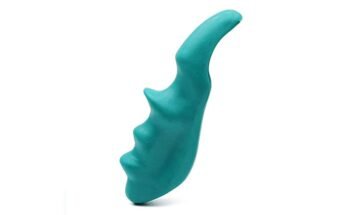
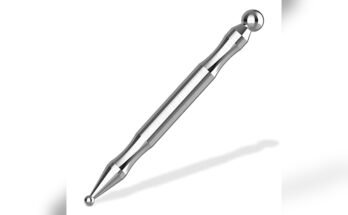
Manual rollers and sticks are simple and effective. Rollers have textured surfaces that massage the foot. Sticks apply focused pressure on reflex points. Both tools increase blood circulation and ease muscle tightness. They are easy to use at home or work.
Electronic Massagers
Electronic massagers combine vibration and heat to enhance reflexology effects. They stimulate blood flow more deeply than manual tools. Many have adjustable settings for comfort. These massagers relax muscles and improve overall circulation quickly.
Foot Spikes And Balls
Foot spikes and balls are small but powerful tools. They target tiny reflex points to activate circulation. Rolling your foot over spikes or balls releases tension. These tools are portable and perfect for daily use. They help keep blood moving in the feet and legs.
Scientific Evidence On Reflexology
Scientific evidence on reflexology explores how this practice affects blood circulation. Reflexology involves applying pressure to specific points on the feet, hands, or ears. Many believe these actions improve blood flow and support overall health. Researchers have conducted studies to verify these claims and understand reflexology’s true impact.
Clinical Studies On Circulation
Several clinical studies have tested reflexology’s effect on blood circulation. Some show mild improvements in blood flow after reflexology sessions. These studies often measure changes in blood pressure or skin temperature. Results vary widely, with some participants experiencing benefits and others not. The evidence is promising but not yet strong enough to confirm clear benefits.
Expert Opinions
Health experts have mixed views on reflexology and circulation. Some therapists believe reflexology helps relax blood vessels and boost circulation. Medical professionals often call for more rigorous studies. They say reflexology should complement, not replace, standard treatments. Experts agree that reflexology may reduce stress, which can indirectly improve blood flow.
Limitations Of Current Research
Current research on reflexology has many limitations. Many studies have small sample sizes and lack control groups. Some use subjective measures, which can bias results. Study methods differ, making comparisons difficult. More large-scale, well-designed trials are needed for solid conclusions. Until then, reflexology’s effects on circulation remain uncertain but worth exploring.
Benefits Beyond Circulation
Reflexology tools do more than just boost blood flow. They offer several health benefits that help the whole body feel better. Using these tools can support mental and physical wellness in many ways. Let’s explore some key benefits beyond circulation.
Stress Reduction
Reflexology tools help lower stress by stimulating pressure points. This action calms the nervous system and eases tension. Many users feel more relaxed after a session. Regular use can reduce feelings of anxiety and stress.
Pain Relief
These tools may lessen pain in different body parts. They target specific reflex zones linked to pain areas. The gentle pressure can reduce muscle soreness and stiffness. People with chronic pain often find relief using reflexology tools.
Improved Sleep Quality
Better sleep often follows reflexology treatments. The calming effect helps the body unwind before bedtime. It may reduce insomnia and promote deeper rest. Using reflexology tools regularly can lead to more restful nights.
Choosing The Right Reflexology Tool
Reflexology tools can help improve blood circulation if chosen well. Picking the right tool matters for comfort and effectiveness. Many tools exist, each with a unique shape and use. Some target specific points while others offer general massage benefits.
Understanding what suits your needs helps avoid discomfort or injury. The right tool can make reflexology easy and enjoyable. Let’s explore important points to consider before buying.
Factors To Consider
Choose a tool that matches your skill level. Beginners need simple designs for easy use. Check the material; wood and silicone are common and safe. Size matters—too big or small can miss pressure points. Look for tools with smooth edges to prevent skin damage. Consider if you want handheld or electric tools for better control. Think about your budget but avoid very cheap options that may break.
Safety Tips
Always clean your tool before and after use. Avoid using tools on broken or inflamed skin. Start with light pressure to test your comfort. Stop immediately if you feel pain or discomfort. Keep tools dry to prevent bacteria build-up. Store tools in a clean, dry place to keep them safe. Consult a health professional if you have serious health issues.
User Reviews And Feedback
Reading user reviews helps understand real experiences. Look for comments on comfort and durability. Pay attention to feedback about tool effectiveness on blood circulation. Notice if users mention any side effects or problems. Reviews often reveal if the tool is easy to clean and use. Trusted websites and forums offer honest opinions. Learning from others saves time and money.

How To Use Reflexology Tools Effectively
Using reflexology tools correctly can improve blood circulation effectively. These tools target specific points on your feet and hands. Applying the right pressure helps stimulate blood flow and relax muscles. A careful technique enhances the benefits and prevents discomfort. Follow clear steps for best results.
Techniques For Best Results
Start by warming your hands and feet. Hold the reflexology tool firmly but gently. Press the tool on key reflex points. Use small circular motions or slow strokes. Focus on areas that feel tense or sore. Avoid sharp or painful pressure. Keep your movements steady and even. This helps increase blood flow without causing harm.
Frequency And Duration
Use reflexology tools regularly for better effects. Aim for 10 to 15 minutes per session. Practice daily or at least three times a week. Short, consistent sessions work better than long, irregular ones. Give your body time to respond between sessions. Pay attention to how your body feels. Adjust the frequency if you notice any soreness.
Common Mistakes To Avoid
Do not press too hard on reflex points. Avoid using tools on broken or irritated skin. Don’t rush through the session; slow and steady works best. Do not use the tool on swollen or inflamed areas. Avoid ignoring pain or discomfort during use. Stop if you feel sharp or lasting pain. Clean your reflexology tools after each use to prevent infections.
Frequently Asked Questions
What Are Reflexology Tools Used For?
Reflexology tools stimulate specific pressure points on feet and hands. They help improve blood flow and relieve tension. These tools enhance the reflexology massage experience for better circulation and relaxation.
Do Reflexology Tools Improve Blood Circulation?
Yes, reflexology tools can promote better blood circulation. They stimulate nerve endings and pressure points linked to blood flow. Consistent use may reduce swelling and improve oxygen delivery in tissues.
How Often Should I Use Reflexology Tools?
Using reflexology tools 3-4 times a week is ideal. Sessions should last 10-15 minutes to avoid discomfort. Regular use supports sustained improvements in blood circulation and overall well-being.
Are Reflexology Tools Safe For Everyone?
Generally, reflexology tools are safe for most people. However, those with circulatory issues or open wounds should consult a doctor first. Proper technique and hygiene reduce risks of irritation or injury.
Conclusion
Reflexology tools can help improve blood flow in your body. They gently stimulate key points on your feet and hands. This stimulation may boost circulation and reduce tension. Regular use might support overall wellness and comfort. Still, listen to your body and use tools carefully.
Consult a healthcare provider for any serious concerns. Small steps like this can aid your health journey. Try reflexology tools to see how they feel for you. Better circulation is possible with simple, consistent care.