Millions of people use microwavable heating pads for relief from pain, stress, or muscle stiffness. You might have seen them in pharmacies or online, shaped like rectangles, animals, or even slippers. But do they really work? Are microwavable heating pads effective, or are they just a warm comfort with little benefit?
Let’s explore how these pads function, what science says, how they compare to other options, and what you need to know before using them.
How Microwavable Heating Pads Work
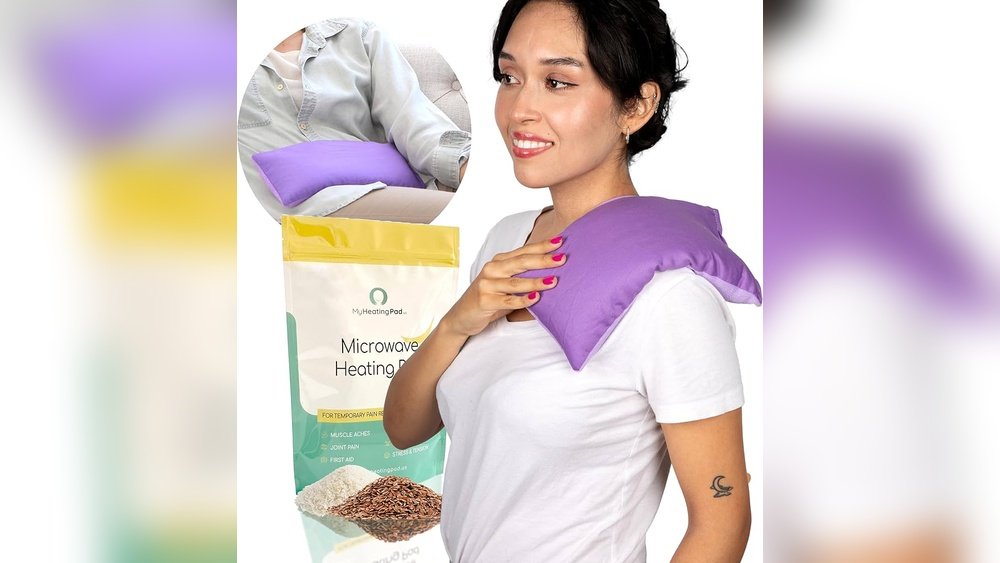
Microwavable heating pads are simple but clever. They are usually filled with natural materials like rice, flaxseed, or wheat. Some have herbs or essential oils for extra scent. When you put them in the microwave, these fillings absorb heat and hold it for a long time.
After heating, you place the pad on your body. The warmth spreads into your skin and muscles. Unlike electric heating pads, there are no wires, batteries, or switches. The pad cools down slowly, giving you 20-30 minutes of steady heat.
Why Moist Heat Matters
Natural fillings in microwavable pads release a small amount of moisture as they warm up. This creates moist heat instead of dry heat. Moist heat is often better for deep muscle relaxation and pain relief because it penetrates further into tissues.
A 2013 study in the *Journal of Clinical Medicine* found that moist heat can reach deeper muscles faster than dry heat. This is important for people with chronic pain, arthritis, or muscle injuries.
The Science Behind Heat Therapy
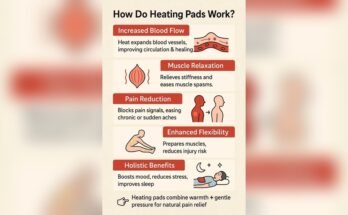
Heat therapy, or thermotherapy, is a well-known method to ease pain. Applying heat widens blood vessels, increases blood flow, and helps muscles relax. This can:
- Reduce stiffness in joints
- Soothe sore muscles
- Improve flexibility
- Accelerate healing by delivering more oxygen to tissues
Microwavable heating pads use these principles. Their effectiveness depends on how well they deliver and hold heat.
Are Microwavable Heating Pads Effective For Different Conditions?
Microwavable heating pads are popular for many reasons, but their effectiveness depends on the condition you’re treating. Let’s look at common uses:
1. Muscle Soreness And Stiffness
Muscle pain after exercise or injury often improves with heat. The warmth from a microwavable pad relaxes tight muscles and increases circulation. Studies show that applying heat for 15-30 minutes can reduce pain and improve movement.
For example, a clinical trial published in *Spine* (2010) found that people with lower back pain who used heat therapy for five days reported less pain and better function.
2. Arthritis And Joint Pain
Many people with osteoarthritis use heating pads. Heat softens stiff joints, making movement less painful. The Arthritis Foundation suggests moist heat (like from microwavable pads) can be especially helpful in the morning or before exercise.
However, heat is not always good for inflamed, swollen joints, such as during a gout attack or rheumatoid arthritis flare-up. In these cases, cold packs might be better.
3. Menstrual Cramps
Heat therapy is a classic remedy for menstrual cramps. Applying a microwavable heating pad over the lower abdomen can relax uterine muscles and ease pain. A 2001 study in *Obstetrics & Gynecology* found that heat wraps were as effective as ibuprofen for mild cramps.
4. Chronic Back Or Neck Pain
People with ongoing back or neck pain often find microwavable pads convenient. They mold to the shape of your body and give steady, comfortable heat. For chronic conditions, regular short sessions (about 20 minutes) can reduce discomfort.
5. Stress Relief And Relaxation
Heat isn’t just for pain. The gentle warmth from a microwavable pad can be calming. Placing a warm pad on your shoulders, feet, or stomach may help you relax after a long day.
6. Injuries: When To Avoid Heat
For recent injuries—less than 48 hours old—heat is usually not advised. If you have a fresh sprain, bruise, or swelling, cold packs are better. Heat can make swelling worse by increasing blood flow. Only use microwavable heating pads when swelling is gone.
7. Sleep And Comfort
Some people use microwavable heating pads to warm up their bed in winter or to help them fall asleep. The gentle heat can signal your body to relax, making sleep easier.
8. Stomach Pain And Digestion
For mild stomach aches or cramps (not caused by infection or inflammation), gentle heat can help muscles relax and reduce discomfort. However, for sharp or sudden pain, always check with a doctor.
Comparing Microwavable Heating Pads To Other Options
Are microwavable heating pads the best choice? Let’s compare them with other heat therapy products.
| Type | How It Works | Pros | Cons |
|---|---|---|---|
| Microwavable Heating Pad | Heated in microwave, placed on body | No wires, portable, moist heat, reusable, affordable | Heat fades after 20-30 minutes, risk of overheating |
| Electric Heating Pad | Plugged into wall, adjustable temperature | Steady heat as long as plugged in, timer control | Needs power outlet, not portable, dry heat |
| Hot Water Bottle | Filled with hot water, placed on body | Long-lasting heat, no electricity, low cost | Can leak, takes time to prepare, bulky |
| Chemical Heat Packs | One-time use; chemical reaction creates heat | Instant, portable, single use for emergencies | Expensive over time, creates waste |
Microwavable Vs. Electric Heating Pads
Electric pads offer steady, adjustable heat but require a plug and may feel dry. Microwavable pads are cordless, easy to use anywhere, and give off moist heat, but need reheating after cooling down.
Microwavable Vs. Hot Water Bottles
Hot water bottles stay warm longer but can be heavy and might leak. Microwavable pads are lighter and simpler but lose heat faster.
Cost And Convenience
Microwavable pads are usually cheaper and reusable. You can even make them at home using rice and a sock. Electric pads and disposable chemical packs cost more over time.
Safety: What You Need To Know
Microwavable heating pads are generally safe, but mistakes can cause burns or even fires. Here’s how to use them correctly:
How To Heat Safely
- Always follow the manufacturer’s instructions.
- Heat the pad in short intervals (usually 1-2 minutes).
- Shake or knead the pad to spread heat evenly.
- Test the temperature before applying—especially for children, elderly people, or those with sensitive skin.
- Never overheat, as this can burn the filling or cause fire.
Common Mistakes
- Overheating: Putting the pad in the microwave for too long or on high power can cause burns or damage.
- Using When Wet: Some fillings can spark or burn if damp.
- Falling Asleep With the Pad On: There is a risk of burns if you fall asleep with a hot pad on your skin.
- Ignoring Warning Signs: If the pad smells burnt or changes color, stop using it.
Who Should Be Careful
- People with poor circulation or numbness (like in diabetes) may not feel heat and can get burned.
- Babies and small children need adult supervision.
- People with skin problems or open wounds should avoid direct contact.
What Makes A Good Microwavable Heating Pad?
Not all heating pads are the same. Here’s what to look for if you want one that works well and lasts:
1. Filling Material
Common fillings include rice, flaxseed, wheat, cherry pits, or gel beads. Natural grains (like rice or flaxseed) hold moist heat well and are easy to find. Cherry pits are less common but have a pleasant feel. Avoid pads with unknown or synthetic fillings—they might not heat evenly.
2. Outer Fabric
Look for soft, thick cotton or fleece. Thin fabrics can get too hot or tear easily. Removable, washable covers are a plus for hygiene.
3. Size And Shape
Choose a size that matches your needs. For neck pain, a curved or U-shaped pad works best. For back or stomach, a larger rectangle is better. There are also hand or foot warmers.
4. Scent (optional)
Some pads add herbs like lavender or mint. These can be relaxing but may irritate sensitive noses. Unscented pads are better for people with allergies.
5. Microwave Instructions
Always check that the pad is clearly labeled as microwavable. It should have heating times based on wattage.
6. Price And Warranty
Higher price doesn’t always mean better quality, but very cheap pads may use poor materials. Look for a warranty or return policy.
Non-obvious Insights Most People Miss
Many buyers focus only on comfort or price, but these details can make a big difference:
1. Moisture Content Fades Over Time
Natural fillings like rice or flaxseed release moisture each time you heat them. After months of use, the pad may get dryer and not feel as effective. Some users lightly spritz the pad with water before microwaving to restore moist heat.
2. Uneven Heating Is A Common Problem
Microwaves heat unevenly. To avoid hot spots (which can burn), always shake or knead the pad after heating. If your microwave turns the pad in circles, this helps. If not, pause halfway and flip the pad.
3. Pad Lifespan And Odor
Over time, fillings can develop a burnt smell or lose their scent. This is normal after many uses. If your pad smells strongly burnt or scorched, it’s time to replace it.
4. Allergies And Asthma
Some fillings (like wheat or lavender) can trigger allergies or asthma. If you’re sensitive, choose unscented, hypoallergenic options.
5. Using For Pets
Microwavable heating pads are sometimes used for small animals, especially in winter. Make sure they don’t overheat and always wrap the pad in a towel for pets.
How To Use A Microwavable Heating Pad: Step-by-step
For best results and safety, follow these steps:
- Check the Label: Read instructions for heating times and warnings.
- Inspect the Pad: Make sure it’s dry, with no holes or burnt spots.
- Heat in the Microwave: Place the pad flat in the center. Use the recommended time (usually 1-2 minutes).
- Check the Temperature: Touch the pad carefully. If too hot, let it cool a bit before using.
- Shake the Pad: This spreads heat evenly and avoids hot spots.
- Apply to the Body: Place over clothing or a towel if your skin is sensitive.
- Limit Application Time: Use for 15-20 minutes, then remove to avoid burns.
- Store Properly: Let the pad cool fully before putting away. Store in a dry place.
Making A Diy Microwavable Heating Pad At Home
If you want to try before you buy, you can make a simple pad using household items. Here’s how:
You’ll need:
- Clean cotton sock or pillowcase
- 1-2 cups of uncooked rice (or flaxseed)
- (Optional) Dried lavender or chamomile
Instructions:
- Fill the sock with rice and tie the end tightly.
- Shake to distribute rice evenly.
- Microwave on high for 1 minute. Add 15-second intervals as needed.
- Check temperature before using.
Tips:
- Never use wet rice.
- Do not overfill the sock; it should be flexible.
- Replace if it smells burnt or the sock gets holes.
What Research Says About Effectiveness
Scientific studies support using heat therapy for pain, stiffness, and relaxation. Moist heat, as delivered by microwavable pads, is often more comfortable and penetrates deeper than dry heat.
A 2014 review in the *Physical Therapy Journal* found that heat therapy can improve pain and movement in people with muscle and joint problems. However, heat is not a cure for serious injuries or diseases. It helps manage symptoms, not treat the cause.
Microwavable pads are not “medical devices” but are widely recommended by doctors and physical therapists for home care. If you have questions or long-lasting pain, always check with a health professional.
Common Misconceptions About Microwavable Heating Pads
“longer Is Better”
Many think that using heat for a longer time gives better results. In reality, 15-20 minutes is enough. Longer use can cause skin burns or irritation.
“all Pads Give The Same Heat”
Different fillings and microwave wattages affect heat levels. A pad that feels warm from a 700W microwave may be very hot from a 1200W unit.
“microwavable Pads Can Treat Any Pain”
Heat helps with muscle soreness, stiffness, and some cramps. It is not right for all pain, especially new injuries or infections.

User Experiences: What Real People Say
Many users find microwavable heating pads to be a simple, effective tool for daily comfort. Here’s what you might hear:
- “I use my rice-filled pad every night for shoulder pain. It’s easy and feels great.”
- “I made a homemade pad for my period cramps. Works better than painkillers.”
- “After a few months, my pad started to smell burnt. I learned to heat for shorter times.”
- “I can’t sleep without my heating pad in winter.”
Some users mention that pads lose their scent or effectiveness after 6-12 months, but they appreciate the low cost and ease of replacement.
When To See A Doctor
Microwavable heating pads are for mild pain and comfort, not for serious health problems. See a doctor if:
- Pain is severe, sudden, or lasts more than a week
- You have swelling, fever, or skin changes
- Heat makes your symptoms worse
Heat therapy is not a substitute for medical care.

Environmental And Health Considerations
Microwavable heating pads are eco-friendly compared to disposable chemical packs. They use no electricity or batteries and can last for years. If the outer fabric or filling wears out, most pads can be composted or recycled.
For people with sensitive skin or allergies, choose unscented, natural-fiber options.
How To Choose The Right Microwavable Heating Pad
With many brands and designs, choosing can be hard. Here are the most important factors:
| Feature | Why It Matters | What to Look For |
|---|---|---|
| Filling | Affects heat, moisture, smell | Rice, flaxseed, wheat, cherry pits |
| Size/Shape | Fits your body area | Neck wrap, rectangle, hand/foot warmer |
| Fabric | Comfort and durability | Thick cotton, fleece, washable cover |
| Scent | Personal preference | Unscented or natural herbs |
| Microwave Instructions | Safety | Clear label, wattage guide |
| Price | Value for money | Mid-range, warranty if possible |

Practical Tips For Maximum Effectiveness
- Heat the pad only as long as needed.
- Place a thin cloth between the pad and bare skin.
- For deeper moist heat, lightly spritz the pad with water before microwaving.
- Replace pads that smell burnt or have holes.
- Store in a dry, clean place.
Where To Learn More
If you want to explore more about heat therapy, you can find detailed resources at the Wikipedia Heat Therapy page.
Frequently Asked Questions
How Long Do Microwavable Heating Pads Stay Warm?
Most pads stay warm for about 20 to 30 minutes. The exact time depends on the filling, size, and your environment. Larger pads or those with dense fillings stay warm longer.
Can Microwavable Heating Pads Be Washed?
Some pads have removable, washable covers. The inner bag (with filling) should not be washed. If the pad gets dirty, spot clean the cover or follow the manufacturer’s instructions.
Are Microwavable Heating Pads Safe For Children?
They can be safe if used with adult supervision. Always check the temperature before giving to a child, and never let them heat the pad alone.
Can I Add Essential Oils Or Herbs To My Homemade Pad?
You can add dried herbs (like lavender) for scent. Avoid liquid oils—they can stain or cause burns. Use herbs in small amounts and check for allergies first.
What Should I Do If My Heating Pad Smells Burnt?
Stop using it. A burnt smell means the filling is damaged or too dry. Replace the pad to prevent fire risk.
Microwavable heating pads are a practical tool for everyday comfort and pain relief. Used wisely, they offer an effective, affordable solution for many people. Choose quality materials, follow safety tips, and enjoy the gentle warmth they provide.