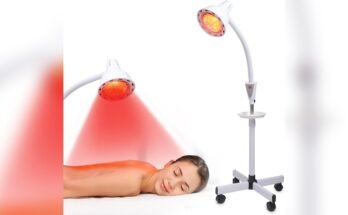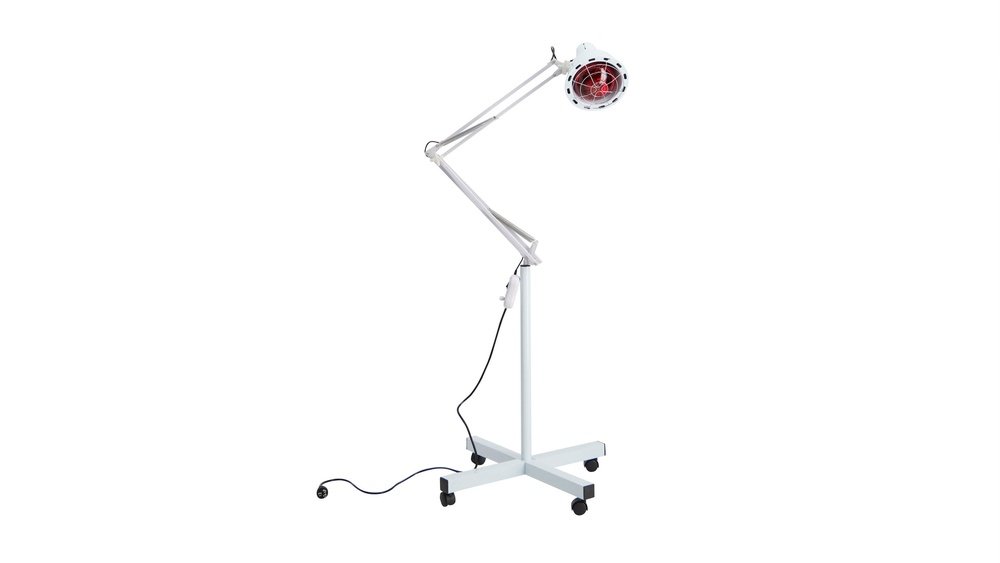
Have you ever wondered if infrared heat lamps are truly safe for you and your family? With so many health products on the market, it’s easy to feel unsure about what’s good or harmful.
You might be curious whether using these lamps will help ease your aches or if they could cause unexpected problems. Understanding the facts about infrared heat lamps can protect your well-being and help you make confident choices. Keep reading to discover the truth behind these popular devices and how they might fit into your daily routine safely.

How Infrared Heat Lamps Work
Infrared heat lamps provide warmth using invisible rays. These lamps send out infrared light, which heats objects and skin directly. The heat feels gentle and soothing. Understanding how these lamps work helps you use them safely and effectively.
Types Of Infrared Lamps
There are several types of infrared lamps. Near-infrared lamps produce short waves. They heat surfaces quickly and deeply. Far-infrared lamps use longer waves. They warm the body surface gently and evenly. Some lamps combine both types for balanced heat. Each type has its own use and benefits.
Heat Generation Mechanism
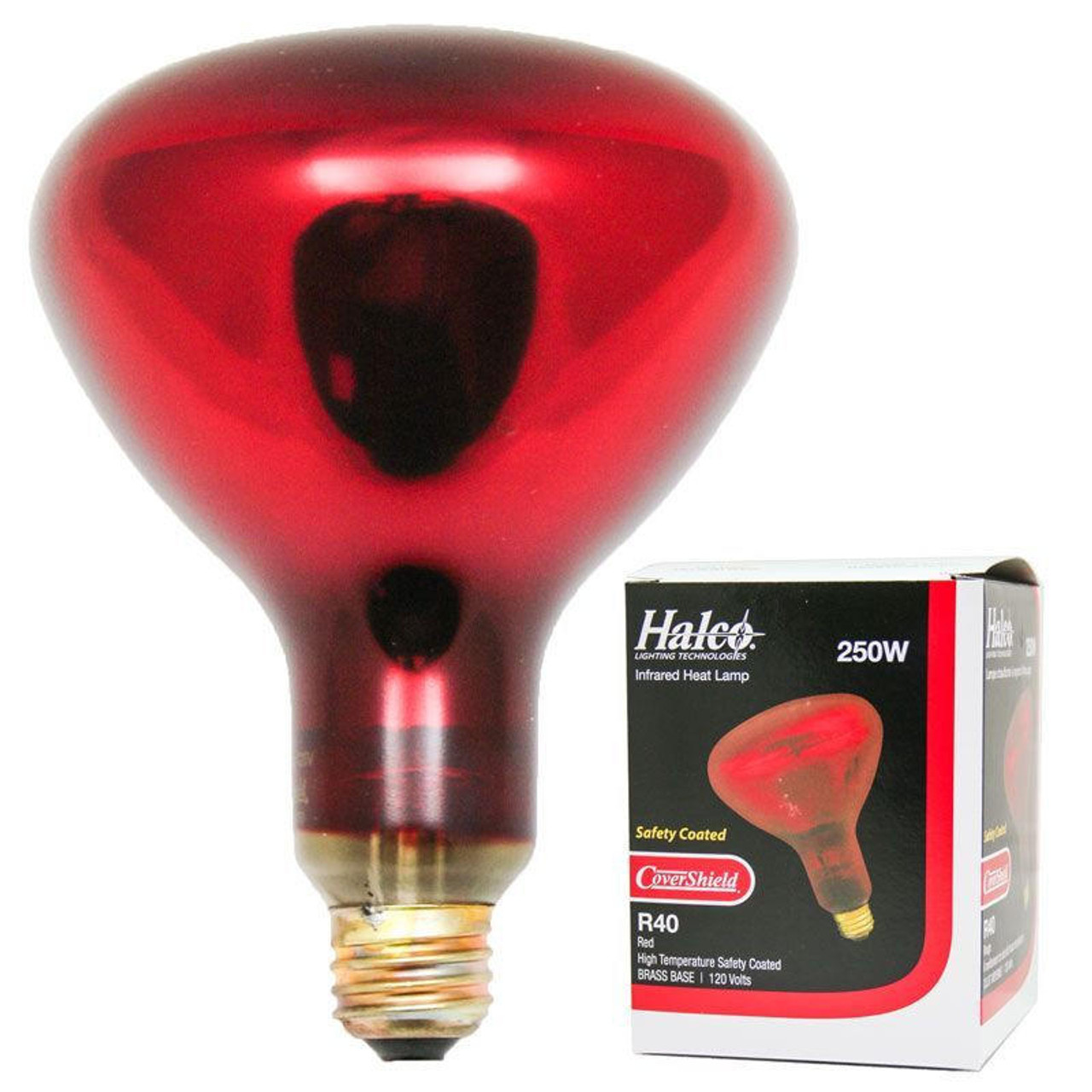
Infrared lamps generate heat by electrical energy. Inside the lamp, electricity heats a special filament or ceramic element. This element glows and emits infrared rays. These rays travel through the air without heating it. When the rays touch skin or objects, they release heat. This heat warms the area directly and comfortably.
Common Uses And Benefits
Infrared heat lamps have many uses and benefits. They provide warmth and comfort in different settings. These lamps produce heat that penetrates deep into the skin. This heat helps with pain relief and muscle relaxation. People use these lamps in homes, clinics, and industries. Their safety depends on correct use and following instructions.
Medical And Therapeutic Applications
Infrared heat lamps are common in medical treatment. They help reduce muscle pain and stiffness. Physical therapists use these lamps to improve blood flow. The heat speeds up healing of injured tissues. Infrared lamps also ease joint pain from arthritis. Patients often find relief with regular sessions. These lamps support recovery after surgery or injury.
Household And Industrial Uses
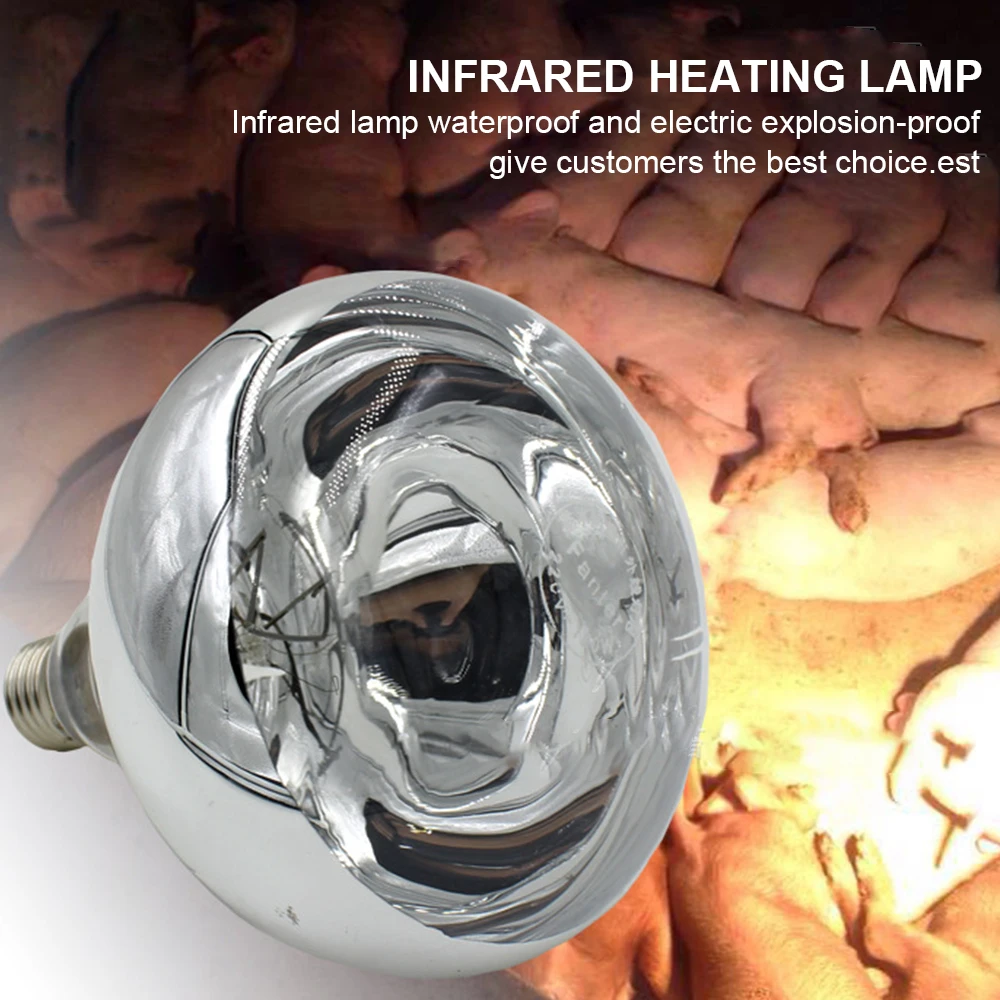
At home, infrared heat lamps keep spaces warm. They are useful in bathrooms and outdoor areas. People use them to dry paint or glue quickly. In farming, lamps keep newborn animals warm. Factories use infrared lamps to cure plastics and coatings. They help speed up production processes. These lamps save energy compared to other heating methods.
Safety Concerns With Infrared Lamps
Infrared heat lamps provide warmth and relief, but safety is important. Understanding the risks helps you use them wisely. This section covers key safety concerns with infrared lamps.
Skin And Eye Risks
Infrared lamps emit heat and light that can affect skin and eyes. Prolonged exposure may cause burns or redness on the skin. Eyes are sensitive to infrared light and can get irritated or damaged. Never look directly at the lamp. Use protective eyewear if needed. Keep a safe distance to avoid skin and eye problems.
Fire Hazards
Infrared lamps get very hot. They can ignite flammable materials nearby. Place lamps on stable, heat-resistant surfaces. Avoid using them near curtains, paper, or fabrics. Never leave the lamp unattended while it is on. Regularly check the wiring and bulb for damage. Proper care reduces fire risks and keeps your space safe.
Scientific Findings On Exposure
Infrared heat lamps are common in homes and clinics. Scientists study their effects to ensure safety. Research focuses on how exposure affects the body both in the short term and over long periods. Understanding these effects helps users make informed choices.
Short-term Effects
Short exposure to infrared heat lamps mainly causes warmth on the skin. This warmth can improve blood flow and relax muscles. Some people may experience mild redness or slight skin irritation. These effects usually go away quickly without harm. Studies show no serious health risks from brief use.
Long-term Effects
Long-term exposure to infrared lamps has been studied less but shows few risks. Research suggests regular, controlled use does not cause skin damage or burns. Some concerns exist about eye safety if looking directly at the lamp for long periods. Experts recommend avoiding staring at the light. Overall, evidence shows infrared lamps are safe with proper use and care.
Safe Usage Guidelines
Using infrared heat lamps safely is very important. Following clear guidelines helps avoid burns or other risks. These lamps give off heat that feels gentle but can harm skin if used wrong. Proper use keeps the experience comfortable and safe.
Proper Distance And Timing
Keep the lamp at least 12 to 18 inches from your skin. Closer distances may cause burns or overheating. Use the lamp for about 15 to 20 minutes at a time. Longer exposure can dry out your skin or cause discomfort. Always start with shorter sessions to see how your body reacts.
Protective Measures
Wear protective eyewear to guard your eyes from intense heat. Avoid looking directly at the lamp. Cover sensitive skin areas not meant for heating. Check the lamp’s instructions for specific safety tips. Never use the lamp on broken or irritated skin. Keep children and pets away from the heat source.
Alternatives To Infrared Heat Lamps
Infrared heat lamps provide warmth but are not the only option available. Many alternatives offer safe and efficient heating for different needs. Exploring these choices helps find the best fit for your space and health.
Other Heating Methods
Electric heaters use electricity to warm up a room quickly. They come in many types, like fan heaters and oil-filled radiators. These heaters often have safety features to prevent burns or fires. Space heaters are portable and easy to move around. They are good for small areas. Central heating systems spread warmth evenly throughout a home. Radiant floor heating heats from the ground up, creating cozy spaces. These methods do not use infrared light but still deliver steady heat.
Emerging Technologies
New heating solutions appear as technology improves. Ceramic heaters use ceramic plates to produce heat safely. They heat up fast and cool down quickly. Some heaters use far-infrared technology, which is different and may be gentler on the skin. Smart heaters connect to apps, allowing temperature control from a phone. These devices can save energy by adjusting heat when not needed. Research continues on safer, more efficient heating options for homes and workplaces.
Frequently Asked Questions
Are Infrared Heat Lamps Safe For Skin Exposure?
Infrared heat lamps are generally safe for skin when used correctly. Avoid prolonged direct exposure to prevent burns or irritation. Always follow manufacturer guidelines and use protective measures if necessary to ensure safe use.
Can Infrared Heat Lamps Cause Eye Damage?
Yes, prolonged direct exposure to infrared heat lamps can harm your eyes. Use protective eyewear or avoid looking directly at the lamp. Proper precautions minimize risks and ensure safe usage.
How Long Can You Safely Use An Infrared Heat Lamp?
Limit infrared heat lamp sessions to 15-20 minutes per area. Overuse can cause skin irritation or burns. Follow product instructions for safe duration and frequency.
Are Infrared Heat Lamps Safe For Children And Elderly?
With proper supervision, infrared heat lamps are safe for children and elderly. Use lower intensity settings and avoid long exposure to prevent burns or discomfort.
Conclusion
Infrared heat lamps can be safe when used properly. Avoid direct eye exposure and keep a safe distance. Follow the manufacturer’s instructions every time you use one. These lamps help with muscle pain and warmth effectively. Always check for quality before buying.
Use them for short periods to prevent burns. Safety matters most for your health and comfort. Stay informed and use infrared heat lamps wisely. Safety first, comfort second. Simple steps make a big difference.