Are you tired of sore muscles and aching joints? You might be wondering which is better for relief: infrared heat lamps or heating pads.
Both promise comfort and pain relief, but which one truly works best for your body? You’ll discover the surprising differences between these two options. By the end, you’ll know exactly which one suits your needs and helps you feel better faster.
Keep reading to find out how you can take control of your pain and boost your comfort today.
How Infrared Heat Lamps Work
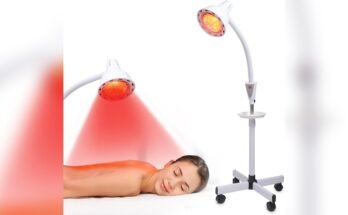
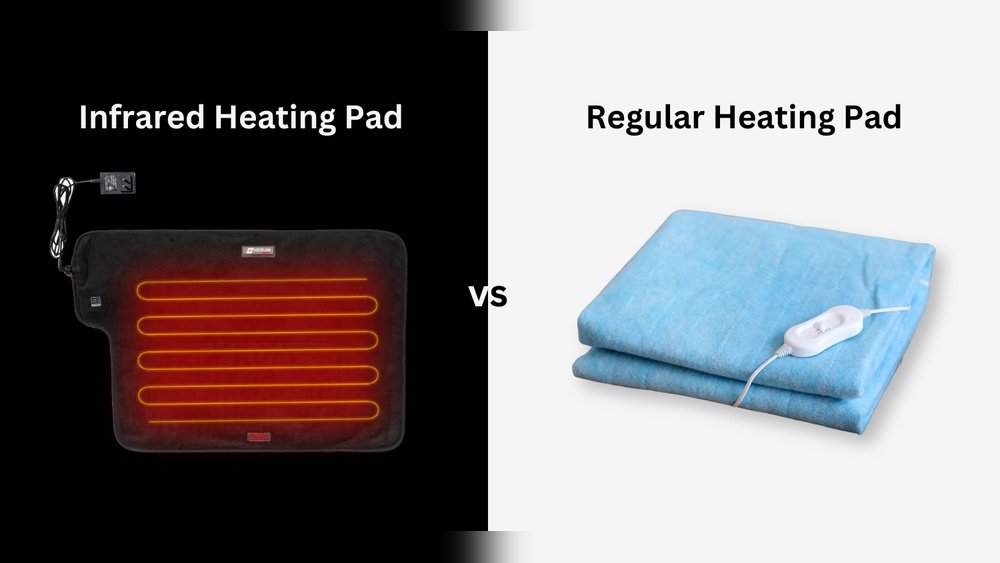
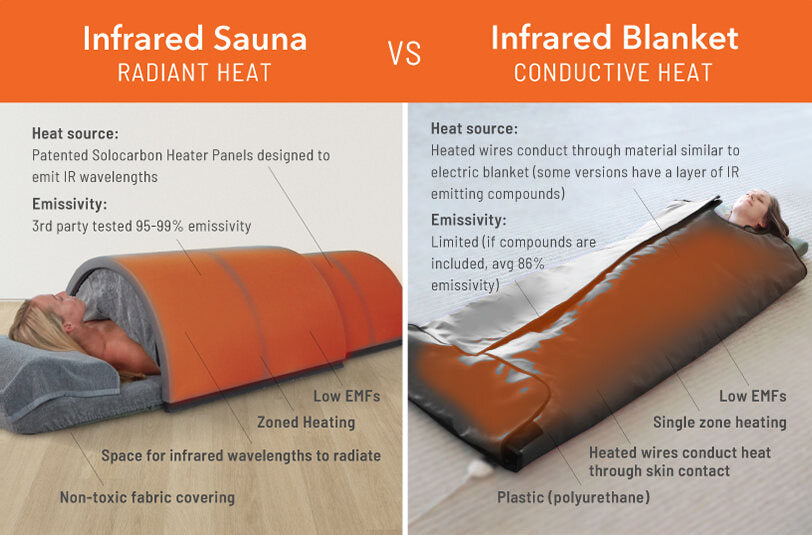
Infrared heat lamps provide warmth by using light waves invisible to the eye. These lamps emit infrared radiation that heats objects and skin directly. This method differs from regular heating pads that warm the surface through contact. Understanding how infrared heat lamps work helps to see their benefits and uses.
Infrared radiation penetrates deep into tissues, giving a soothing warmth. This warmth can help relax muscles and improve blood flow. The heat feels gentle and can last longer than the heat from traditional pads.
Types Of Infrared Heat Lamps
There are mainly two types of infrared heat lamps: near-infrared and far-infrared. Near-infrared lamps emit shorter wavelengths that penetrate skin and muscles deeply. Far-infrared lamps use longer wavelengths that mostly heat the surface and nearby tissues.
Each type suits different needs. Near-infrared lamps are often used for muscle therapy. Far-infrared lamps are common in saunas and skin treatments. Choosing the right type depends on the desired depth of heat and treatment goals.
Penetration And Heat Delivery
Infrared lamps deliver heat by sending radiation directly into the skin. This heat reaches muscles and joints better than surface heat sources. The rays bypass air and clothing, making heat delivery more efficient.
Unlike heating pads, infrared heat lamps do not require direct contact. This reduces the risk of burns or skin irritation. The warmth feels more natural and can help reduce pain and stiffness effectively.
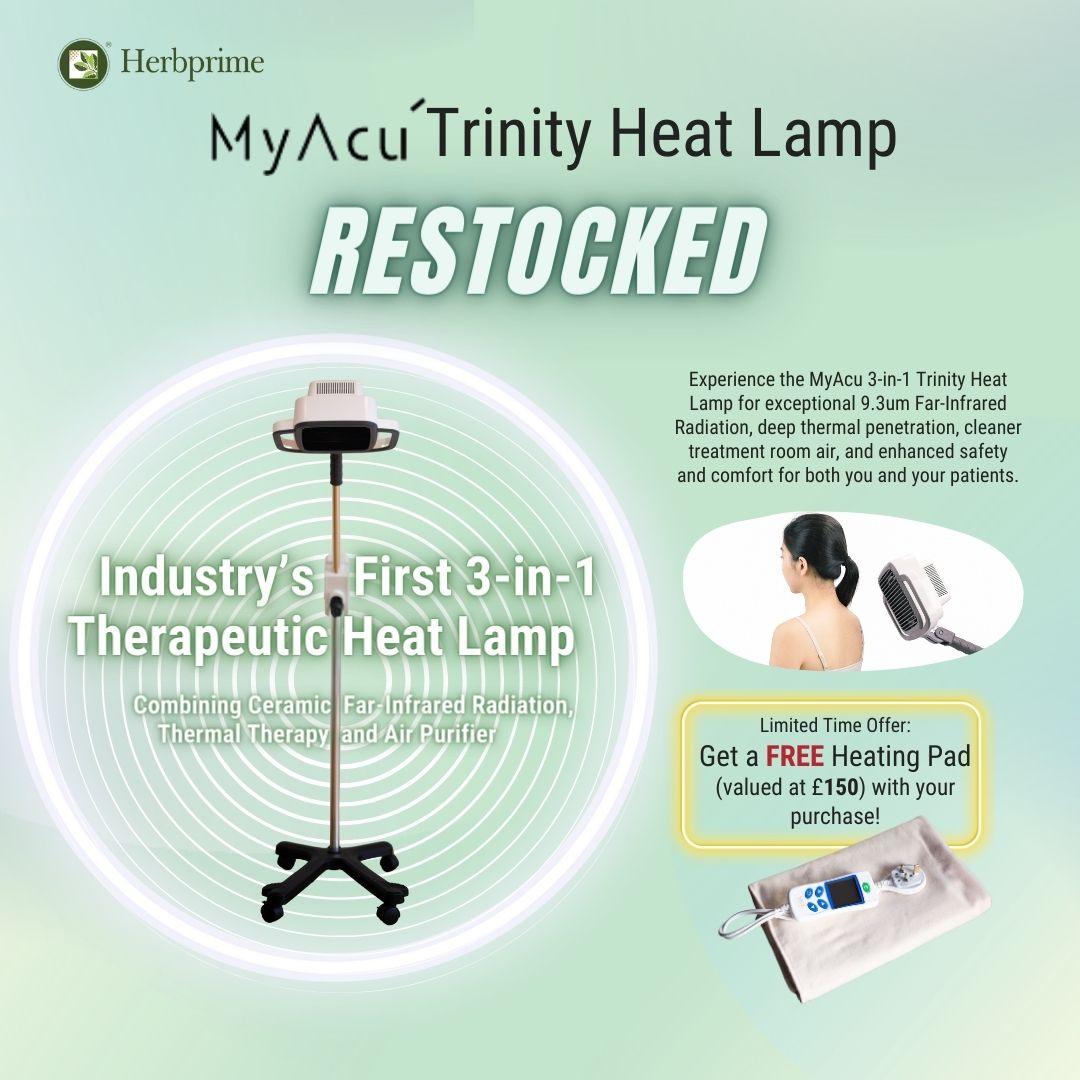
How Heating Pads Work
Heating pads are common tools for pain relief and muscle relaxation. They work by delivering heat directly to the skin. This heat helps increase blood flow and loosen tight muscles. Many people use heating pads to soothe aches, reduce stiffness, and feel more comfortable.
Understanding how heating pads work helps choose the right one. Different types and settings affect their performance. Let’s explore the types of heating pads and how they control heat for effective use.
Types Of Heating Pads
Heating pads come in several forms. Electric heating pads plug into outlets and offer adjustable heat levels. Microwaveable pads use heat-retaining materials like rice or gel and warm in the microwave. Chemical heating pads produce heat through a chemical reaction and work without power.
Each type suits different needs. Electric pads provide steady, controllable heat. Microwaveable pads are portable and easy to use. Chemical pads are disposable and convenient for quick use.
Heat Distribution And Control
Even heat distribution is important for comfort and safety. Electric pads often have built-in wires or coils that spread heat evenly. Some pads have sensors to keep temperature steady and avoid overheating.
Controls let users adjust heat levels. This customization helps prevent burns and fits individual comfort. Microwaveable and chemical pads have limited control but provide gentle warmth. Good heat control improves therapy and user experience.
Benefits Of Infrared Heat Lamps
Infrared heat lamps offer unique benefits that many find better than regular heating pads. They use infrared light to warm the body deeply. This method helps relieve pain and stiffness more effectively. Infrared lamps reach muscles and tissues below the skin surface.
These lamps also help improve blood flow. Better circulation supports faster healing and reduces soreness. Many people use them for different health and wellness needs. The benefits make them a popular choice for many users.
Deep Tissue Relief
Infrared heat lamps penetrate deeper than surface heat from pads. This deep warmth relaxes muscles and eases tension inside the body. It helps reduce pain in joints and muscles more effectively. People with chronic pain often find relief with this deeper heat.
Improved Circulation
Infrared heat causes blood vessels to widen. This process, called vasodilation, increases blood flow to heated areas. Improved circulation brings more oxygen and nutrients to muscles. It also helps remove waste products faster. This can speed up recovery and reduce inflammation.
Usage Scenarios
Infrared heat lamps suit many situations. They work well for muscle soreness after exercise. They also help with arthritis pain and stiff joints. Some use them to warm cold hands and feet. These lamps are popular in physical therapy and home care too.
Benefits Of Heating Pads
Heating pads offer several benefits that make them a popular choice for pain relief and comfort. They provide quick warmth to sore muscles and stiff joints. Many people use heating pads to relax after a long day or to ease minor aches.
Heating pads are easy to use and come in different sizes and shapes. They are designed to deliver heat directly to the skin, which helps improve blood flow. This warmth can reduce muscle tightness and lower pain levels.
Surface-level Warmth
Heating pads provide warmth right where you need it. The heat stays on the surface of the skin. This makes them great for soothing muscle tension and minor injuries. The surface-level warmth can feel comforting and relaxing.
Portability And Convenience
Most heating pads are lightweight and easy to carry. You can use them at home, work, or even while traveling. Many models run on batteries or plug into USB ports. This makes it simple to get heat therapy anytime, anywhere.
Safety Features
Heating pads often include safety features to protect users. Auto shut-off timers prevent overheating and burns. Many have adjustable heat settings for comfort and safety. These features make heating pads safe for daily use.
Comparing Effectiveness For Pain Relief
Choosing between infrared heat lamps and heating pads depends on how they relieve pain. Both have benefits for soothing aches and discomfort. Understanding their effectiveness helps pick the right option for your needs.
Muscle Relaxation
Infrared heat lamps penetrate deeper into muscles than heating pads. This deep warmth helps relax tight muscles faster. Heating pads provide surface heat that feels soothing but does not reach deep tissue as well. For muscle knots or stiffness, infrared lamps may offer stronger relief.
Inflammation Reduction
Infrared heat can improve blood flow and reduce inflammation in injured areas. It may speed up healing by increasing circulation. Heating pads mainly ease pain through warmth but have less effect on inflammation. Infrared therapy often suits those dealing with swollen or inflamed muscles.
Chronic Vs Acute Pain
Heating pads work well for sudden, short-term pain like a strain or sprain. They provide quick, comforting heat to the skin and muscles. Infrared heat lamps are better for chronic pain, such as arthritis or long-lasting muscle pain. Their deeper heat reaches affected areas to ease persistent discomfort.
Safety Considerations
Safety is key when using infrared heat lamps or heating pads. Both provide warmth but carry some risks. Knowing these risks helps you avoid injuries and use each device properly.
Risk Of Burns
Infrared heat lamps emit strong heat that can cause burns quickly. Staying too close or using for too long raises this risk. Heating pads also get hot and may burn skin if used improperly. Always check the temperature and your skin’s reaction.
Proper Usage Guidelines
Place heat lamps at a safe distance from the skin. Limit sessions to short periods, about 15-20 minutes. For heating pads, use a low or medium setting. Never fall asleep with a heating pad on. Follow the product instructions carefully every time.
Who Should Avoid Each
People with sensitive or damaged skin should avoid infrared heat lamps. Those with poor blood flow or nerve problems need to be cautious with heating pads. Pregnant women and young children should ask a doctor before use. Always check with a healthcare provider if unsure.
Cost And Accessibility
Cost and accessibility play a big role in choosing between infrared heat lamps and heating pads. People want something affordable and easy to find. Both options vary in price and availability. Understanding these differences helps make a smart choice. Also, thinking about long-term value matters. Spending more now might save money later.
Price Range
Heating pads usually cost less than infrared heat lamps. Basic models start at low prices. Infrared lamps often cost more because of technology. Prices depend on brand and features. Some lamps can be expensive. Heating pads offer budget options for all users.
Availability
Heating pads are widely available in many stores. You can find them in pharmacies and online shops. Infrared heat lamps are less common. They are mainly sold online or in specialty stores. This may make lamps harder to get quickly. Heating pads are easier to buy anywhere.
Long-term Investment
Infrared heat lamps may last longer than heating pads. They often have durable parts and fewer replacements. Heating pads might need new covers or repairs. Lamps use light to provide heat, which can be efficient. Spending more on a lamp could save money over time. Think about how often you will use each product.

User Experience And Preferences
User experience and personal preferences play a big role in choosing between infrared heat lamps and heating pads. Comfort, ease of use, and how each device fits into daily life matter a lot. People want solutions that feel good and are simple to handle.
Comfort And Ease Of Use
Infrared heat lamps provide deep warmth that some find soothing. They do not need to touch the skin directly. Heating pads wrap around the body easily and deliver steady heat. Many prefer heating pads for targeted relief. Both devices offer adjustable heat settings. Comfort depends on how each person likes to feel warmth.
Portability And Setup
Heating pads are usually small and easy to carry. They plug into a wall or run on batteries. Infrared heat lamps need space and a power source. They are less portable because of their size. Setting up lamps can take longer. Heating pads are ready quickly and can be used anywhere.
Maintenance And Durability
Heating pads need regular cleaning and careful storage. They may wear out faster if bent or folded often. Infrared heat lamps last longer but need bulb replacements sometimes. Both devices require care for safety. Checking cords and cleaning surfaces helps keep them working well.
Choosing The Right Option For You
Choosing the right heat therapy option depends on your specific needs and habits. Both infrared heat lamps and heating pads offer warmth and pain relief. Yet, the best choice varies by your health, lifestyle, and advice from experts. Consider these factors carefully before making a decision.
Health Conditions And Needs
Different conditions respond better to different heat types. Infrared heat lamps penetrate deeper into muscles and tissues. This may help with chronic pain and inflammation. Heating pads provide surface heat and ease muscle stiffness. For sensitive skin, heating pads often feel gentler. Think about your pain type and skin sensitivity first.
Lifestyle Considerations
Your daily routine affects which option suits you best. Infrared lamps need a power source and some space. They are less portable but work well at home. Heating pads are easy to carry and use anywhere. They heat quickly and offer adjustable settings. Choose what fits your schedule and comfort needs.
Consulting Professionals
Health experts can guide you to the safest choice. Doctors or physical therapists know your medical history. They can suggest which heat therapy suits your condition. Follow their advice to avoid skin burns or worsening pain. Professional guidance ensures effective and safe use of heat therapy.
Frequently Asked Questions
Are Infrared Heat Lamps More Effective Than Heating Pads?
Infrared heat lamps penetrate deeper into muscles, providing more effective pain relief. Heating pads offer surface warmth, which may be less intense. Lamps are better for chronic pain, while pads suit mild discomfort. Effectiveness depends on individual needs and treatment goals.
Can Infrared Heat Lamps Reduce Muscle Soreness Faster?
Yes, infrared heat lamps increase blood flow and speed muscle recovery. They help relax muscles and reduce inflammation more efficiently than heating pads. This leads to faster relief from soreness, especially after intense physical activity or injury.
Are Heating Pads Safer Than Infrared Heat Lamps?
Heating pads generally have a lower risk of burns due to controlled surface temperatures. Infrared lamps emit radiant heat, which requires careful use to avoid skin damage. Both are safe when used according to instructions, but pads may be safer for sensitive skin.
Which Is More Convenient: Infrared Heat Lamps Or Heating Pads?
Heating pads are portable and easy to use anywhere with an electrical outlet. Infrared heat lamps require fixed setup and careful positioning. For on-the-go relief, heating pads are more convenient, while lamps suit stationary use at home.
Conclusion
Infrared heat lamps and heating pads both offer warmth and pain relief. Heat lamps reach deeper tissues, while pads give steady surface heat. Choosing depends on your needs and comfort. Both help soothe muscles and ease stiffness. Try each one to see what feels best.
Stay safe by following instructions carefully. Warmth can bring comfort, no matter the method.