Are Heating Pads Worth Buying?
If you have ever felt a sore back or tight muscles, you might have reached for a heating pad. They are everywhere—from pharmacies to online stores. Some people swear by them for pain relief, while others wonder if they really work or are just another “feel good” gadget.
Choosing whether to buy a heating pad is not always easy, especially with so many types and brands out there. Let’s break down if heating pads are truly worth your money, how they work, what to look for, and what science says about their benefits and risks.
By the end, you’ll have the knowledge to decide if a heating pad should be part of your home care kit.
How Heating Pads Work
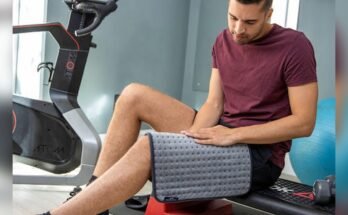
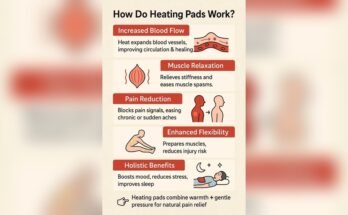
Heating pads use heat therapy (also called thermotherapy) to help with pain, stiffness, or discomfort. When you apply heat to your skin, it widens blood vessels, which increases blood flow. This brings more oxygen and nutrients to the area, helping muscles relax and reducing pain signals from nerves.
Most heating pads have a simple design: a pad with a heating element inside, covered in fabric or plastic. They usually plug into an outlet, run on batteries, or are made to be microwaved. Some even use chemical reactions (like disposable pads) to generate heat.
Types Of Heating Pads
There are several types you might see:
- Electric heating pads—Plug into the wall, offer steady, adjustable heat.
- Microwavable pads—Filled with grains or gel, heated in a microwave.
- Chemical heat packs—One-time use, air-activated or click-to-heat.
- Infrared heating pads—Use infrared light to penetrate deeper into tissues.
- Moist heating pads—Add water or use steam for extra moisture.
Each type has its own benefits and best uses, which we’ll compare in detail later.
Real Benefits Of Heating Pads
People use heating pads for many reasons, but do they really help? Scientific research and everyday experience both tell us that heat therapy offers some real advantages.
Pain Relief
One of the most common uses is for muscle pain and stiffness. Heat relaxes tight muscles, making it easier to move. Research shows that heat can reduce pain for conditions like lower back pain, neck pain, and arthritis. For example, a study in the Archives of Physical Medicine and Rehabilitation found that continuous low-level heat helped people with back pain move better and feel less discomfort.
Improved Flexibility
Heat makes tissues more flexible. Athletes often use heating pads before stretching or exercise, because warm muscles are less likely to get injured.
Increased Blood Flow
Heat opens up blood vessels (vasodilation), which helps injuries heal faster by bringing nutrients and removing waste products.
Stress Relief
Besides physical benefits, heat can help with relaxation. Many people find the warmth of a heating pad comforting, especially during stressful times.
Improved Sleep
For some, applying heat before bed can make it easier to fall asleep, especially if pain or tension is keeping them awake.
Common Uses For Heating Pads
Heating pads are versatile tools for home care. Here’s where people use them most:
- Back pain—Lower back and upper back tension.
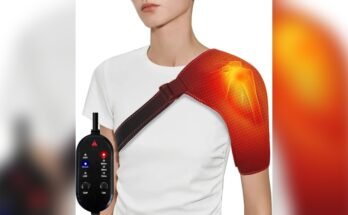
- Neck and shoulders—Desk workers and students often get stiff necks.
- Joint pain—Knees, elbows, wrists, especially with arthritis.
- Menstrual cramps—Heat on the abdomen can help relieve period pain.
- Sports injuries—Chronic injuries, muscle soreness, or after exercise.
- Chronic conditions—Like fibromyalgia or sciatica.
Not all pain responds best to heat. For new injuries (first 48 hours), cold packs are usually better to reduce swelling. But for ongoing aches, stiffness, or cramps, heat can be a game-changer.
When Heating Pads Might Not Help
While heating pads are useful, they are not magic. There are times when they are not the best choice:
- New injuries—If you just sprained your ankle or have a swollen bruise, heat may make swelling worse.
- Infections—Heat can speed up the spread of infection.
- Open wounds or burns—Never apply heat directly to broken skin.
- Circulatory problems—People with conditions like diabetes should be careful, as they might not feel burns.
Always check with a healthcare professional if you are unsure.

Comparing Heating Pad Types
Understanding the differences between heating pad types can help you choose the best one for your needs. Here’s a simple comparison:
| Type | How it Works | Best Use | Pros | Cons |
|---|---|---|---|---|
| Electric | Plug-in, adjustable heat | Home, long sessions | Easy control, reusable | Needs power, not portable |
| Microwavable | Heated in microwave | Flexible use, travel | Portable, no cords | Heat fades, can overheat |
| Chemical | One-time, air/chemical | Outdoor, emergency | Disposable, very portable | Single use, not adjustable |
| Infrared | Light-based, deeper heat | Chronic pain, therapy | Deep penetration, long effect | Expensive, needs power |
| Moist | Steam or added water | Muscle stiffness | Penetrates deeper, soothing | Messy, needs cleaning |
What To Look For When Buying A Heating Pad
Not all heating pads are created equal. Here are the most important factors to consider before buying:
1. Size And Shape
Heating pads come in many sizes. A small pad works for the neck or joints, while a large pad covers your back or shoulders. Some pads are long and flexible to wrap around your body.
2. Heat Settings
Look for a pad with adjustable heat settings. Too much heat can burn your skin, while too little might not help much. Some pads offer low, medium, and high, while others have digital controls.
3. Auto Shut-off
An auto shut-off feature is important for safety, especially if you might fall asleep with the pad on.
4. Material And Comfort
Choose a pad made from soft, washable fabric. Some pads have removable covers for easy cleaning.
5. Moist Vs. Dry Heat
Some people prefer moist heat (which penetrates deeper), while others like dry heat. Some electric pads offer both options.
6. Portability
If you travel or want to use the pad at work, a cordless or microwavable pad is more convenient.
7. Price And Warranty
More expensive does not always mean better. Compare prices, but also check for a warranty—good brands offer at least a one-year warranty.
8. Safety Certifications
Look for pads tested for safety standards (like UL or CE marks). This reduces the risk of overheating or electrical problems.
9. Customer Reviews
Check reviews for real-life experiences. Sometimes, a pad looks great on paper but fails in daily use.
Price Comparison: What Do You Get For Your Money?
Heating pad prices range from a few dollars to over a hundred. Here’s a quick overview:
| Price Range | Typical Features | Best For |
|---|---|---|
| $10-$20 | Small, basic, single setting, often microwavable | Quick relief, travel, emergencies |
| $20-$50 | Medium/large size, adjustable settings, auto shut-off, washable cover | Daily home use, most users |
| $50-$150+ | Infrared, large size, digital controls, moist/dry options, long warranty | Chronic pain, therapy, advanced needs |
Mistakes To Avoid When Using Heating Pads
Buying a good heating pad is just the first step. Using it the right way matters even more. Here are mistakes people often make:
- Using too high heat—This can cause burns or skin irritation.
- Falling asleep with the pad on—Especially without auto shut-off, this is risky.
- Applying heat to new injuries—Heat can make swelling worse.
- Not checking skin often—If you have numbness or poor circulation, you might not feel burns.
- Using on bare skin—Place a thin layer of clothing or towel between your skin and the pad.
- Ignoring instructions—Always read the manual, especially for microwavable or infrared pads.
Heating Pads Vs. Other Pain Relief Methods
How do heating pads compare to other home remedies? Here’s a head-to-head look:
| Method | Main Benefit | Best For | Drawbacks |
|---|---|---|---|
| Heating Pad | Relaxes muscles, boosts blood flow | Chronic pain, stiffness, cramps | Not for new injuries, burn risk |
| Ice Pack | Reduces swelling, numbs pain | Sprains, new injuries | Not for stiffness, can cause frostbite |
| Topical Creams | Temporary pain relief | Joints, muscle pain | Skin irritation, short effect |
| Painkillers | Strong, quick relief | Severe pain | Side effects, not long-term |
| Massage | Relaxes muscles, improves mood | Muscle tension, stress | Costly, not always available |
Non-obvious Insights Most Beginners Miss
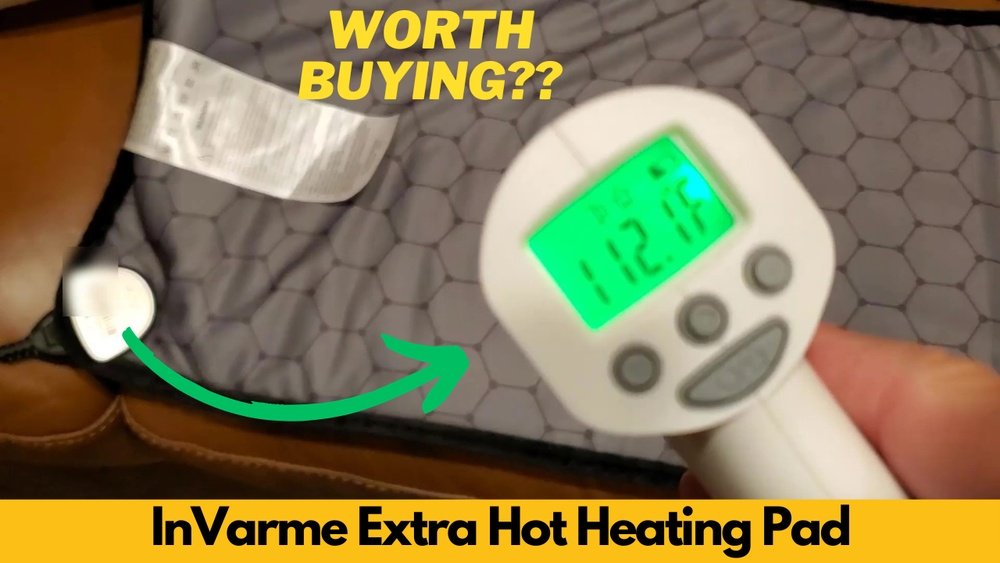
Many people overlook the quality of heat distribution. Some cheap pads have hot spots, which can burn your skin, while other areas stay cool. High-quality pads give even, consistent heat for better results.
Another point is timing. Many users think “longer is better,” but research shows that 15–30 minutes is enough for most cases. Using heat for hours can dry your skin or even cause low-level burns, especially if you fall asleep with the pad on.
Practical Tips For Using A Heating Pad Safely
- Test the heat with your hand before putting it on your body.
- Limit sessions to 20–30 minutes at a time.
- Don’t use on broken skin or areas with poor feeling (like in diabetes).
- Keep hydrated, as heat can dry your skin.
- Store the pad in a dry place to avoid mold or electrical issues.
Real-world Examples: Who Gets The Most Value?
- Office workers—Sitting all day causes neck and back pain. A heating pad after work can relax muscles and reduce tension headaches.
- Athletes—After a workout, heat helps with muscle recovery and flexibility.
- Women with menstrual pain—Heating pads are one of the safest, most effective ways to relieve cramps.
- Older adults with arthritis—Regular heat therapy can make daily movement easier and less painful.
- Chronic pain sufferers—People with fibromyalgia, sciatica, or other ongoing pain often find heat a drug-free way to manage symptoms.

When To See A Doctor Instead
While heating pads help with many aches, they are not a cure for all pain. See a healthcare provider if:
- Pain is severe or lasts more than a few days
- You have numbness, tingling, or weakness
- The area is swollen, red, or warm to the touch
- You have other symptoms like fever or weight loss
Heating pads are a tool for symptom relief, not a substitute for medical care.
Are Heating Pads Worth Buying? The Verdict
So, are heating pads worth buying? For most people, the answer is yes—if you choose the right type and use it correctly. Heating pads are affordable, easy to use, and can help with a wide range of everyday pains, from sore muscles to period cramps. They are not a miracle cure, but they do offer real, science-backed benefits. The key is knowing when to use them, picking a high-quality pad, and avoiding common mistakes.
If you value comfort, want a drug-free option, or often deal with muscle or joint pain, a heating pad is a smart addition to your home. For deeper reading on heat therapy and pain relief, see this Wikipedia article on heat therapy.
Frequently Asked Questions
How Long Should I Use A Heating Pad At One Time?
Most experts suggest using a heating pad for 15 to 30 minutes per session. Longer use can irritate or burn your skin, especially if the heat is high.
Can I Sleep With A Heating Pad On?
It is not safe to sleep with a heating pad unless it has a timer or automatic shut-off. Falling asleep can lead to burns, especially if the pad shifts or gets too hot.
Is Heat Or Ice Better For Pain?
Ice is better for new injuries or swelling (first 48 hours), while heat is best for muscle stiffness, chronic pain, or cramps. Sometimes, alternating both can help, but always ask a doctor if you are unsure.
Are Heating Pads Safe For Everyone?
Most people can use heating pads safely, but they are not recommended for young children, people with poor sensation, or those with certain medical conditions (like diabetes or skin disorders). Always check skin often.
What’s The Difference Between Moist And Dry Heating Pads?
Moist heating pads use steam or added water and can penetrate deeper into tissues, making them better for muscle stiffness. Dry pads are easy to use and less messy, but may not feel as soothing for some people.
With this information, you are now equipped to decide if a heating pad is right for you—and how to use it safely for maximum benefit.