Are Heating Pads Good For Neck Pain?
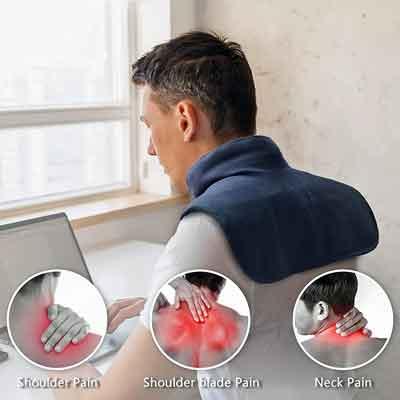
Neck pain is a common problem in modern life. Many people spend hours looking at screens, working at desks, or sleeping in awkward positions. This can lead to stiff, sore neck muscles, headaches, and even trouble moving the head. When pain strikes, people want relief that is fast, safe, and easy to use at home. One popular solution is the heating pad. But are heating pads truly good for neck pain? Should you grab one when your neck hurts, or is there a better way?
This article takes a deep look at heating pads for neck pain. We’ll explore how they work, what science says, and when you should (and should not) use them. You will also find practical tips, safety advice, and answers to common questions.
If you want to understand whether heating pads are right for your neck pain, this guide is for you.
Understanding Neck Pain
Neck pain can range from a mild ache to sharp, severe discomfort. It can be caused by:
- Muscle strain from poor posture or sudden movement
- Stress that tightens neck and shoulder muscles
- Injuries like whiplash or sports accidents
- Degenerative changes such as arthritis or herniated discs
Most neck pain is acute (lasting a few days to weeks) and gets better with simple care. Some cases, however, become chronic and need ongoing management. Before choosing a treatment like a heating pad, it’s important to know what is causing your pain.
One thing beginners often miss: Not all neck pain is the same. Pain with numbness, tingling, or weakness in the arms may be a sign of nerve compression. In these cases, heat is not always the answer.
How Heating Pads Work
Heating pads provide moist or dry heat to the skin and muscles. There are several types:
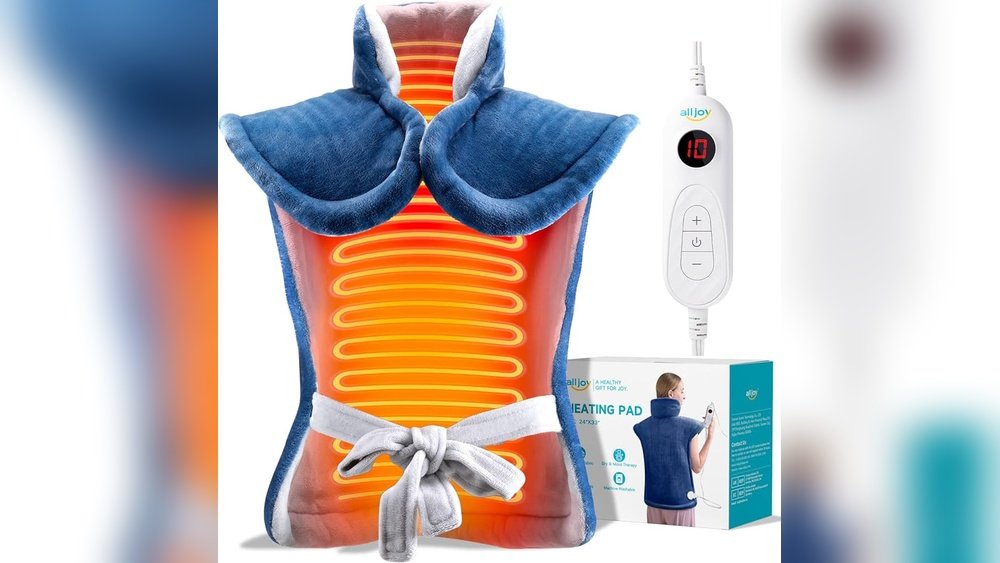
- Electric heating pads: Plugged in and adjustable for temperature
- Microwaveable pads: Filled with grains or gel, heated in the microwave
- Chemical heat wraps: Single-use wraps that warm up when exposed to air
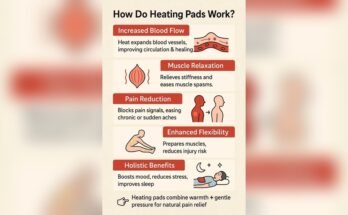
The goal is to raise the temperature of the painful area. This causes blood vessels to widen, bringing more oxygen and nutrients to tired muscles. Heat also helps the body remove waste products that build up during muscle strain.
Another effect is that heat relaxes muscle fibers, making them less tight and easier to move. Some people feel less pain because heat can block pain signals sent to the brain.
Beginners often overlook: The difference between moist and dry heat. Moist heat (from a damp towel or gel pad) penetrates deeper, while dry heat is easier to control and less messy.
Benefits Of Heating Pads For Neck Pain
Applying a heating pad to your neck can bring several benefits, especially for muscle-related pain:
- Relieves muscle tension: Heat helps muscles relax, which can make it easier to turn your head or look up and down.
- Improves blood flow: More blood means faster healing of small injuries and less stiffness.
- Reduces pain signals: The soothing warmth can distract your brain from pain, giving you short-term relief.
- Increases flexibility: Warm muscles stretch more easily, which is helpful before gentle exercises or stretches.
- Comfort and relaxation: A heating pad can help you unwind, reduce stress, and improve sleep.
A study in the Clinical Journal of Pain found that superficial heat (like a heating pad) can reduce pain and disability in people with neck and back pain. However, it is not a cure for serious problems.
When To Use A Heating Pad
Heating pads are most helpful for muscle pain, stiffness, and chronic soreness. Good times to use heat include:
- After waking up with a stiff neck
- At the end of a long work day
- When recovering from a mild muscle strain
- Before gentle neck stretches
Heat is also useful for chronic conditions like osteoarthritis or tension headaches that start in the neck. If your pain is mild to moderate and improves with movement, heat is a good option.

When Not To Use A Heating Pad
There are times when a heating pad can make things worse:
- New injuries: If you hurt your neck within the last 24–48 hours, your body is likely inflamed. Heat can increase swelling. Instead, use cold packs at first.
- Severe pain or nerve symptoms: If you have numbness, tingling, or weakness in your arms, see a doctor before using heat.
- Open wounds or skin problems: Never put heat on broken skin or areas with poor sensation.
- Certain medical conditions: People with diabetes, skin disorders, or poor circulation should be very careful with heat.
A common mistake is using heat for too long or at too high a temperature. This can burn the skin or make swelling worse.
How To Use A Heating Pad For Neck Pain
To get the most benefit and avoid problems, follow these steps:
- Choose the right pad: Pick one designed for the neck or upper back. It should fit the area comfortably.
- Set a safe temperature: Warm, not hot, is best. Start low and increase if needed.
- Apply for 15–20 minutes: This is enough for most people. Wait at least an hour before applying again.
- Use a cover: Always place a thin cloth between your skin and the heating pad.
- Check your skin: Look for redness or irritation during and after use.
- Never sleep with a heating pad on: This is a common cause of burns.
If you use a microwaveable pad, test the temperature before putting it on your neck. Shake it to spread heat evenly, and avoid hot spots.
Comparing Heating Pads: Types, Features, And Costs
Choosing the right heating pad can make a big difference. Here’s a simple comparison of popular types:
| Type | How It Heats | Pros | Cons | Typical Cost |
|---|---|---|---|---|
| Electric | Plug-in, adjustable settings | Consistent heat, easy to control | Needs power, risk of overheating | $20–$50 |
| Microwaveable | Heated in microwave, reusable | Portable, moist heat, no wires | Cools off quickly, can overheat in microwave | $10–$30 |
| Chemical Heat Wrap | Air-activated, single use | Use anywhere, long-lasting | Not reusable, less eco-friendly | $5–$10 each |
Electric heating pads are the most popular for home use. They offer steady heat and often have automatic shut-off features. Microwaveable pads are great for travel or quick relief. Chemical wraps are best for people on the go or when power is not available.
Scientific Evidence: What Does Research Say?
Many studies have looked at the effects of heat for muscle pain. The consensus is that heat therapy is effective for short-term relief of neck pain caused by muscle strain or tension.
One research review in the Journal of Clinical Medicine showed that people using heat wraps for neck pain reported better pain scores and function after just a few days. A separate study found that combining heat with gentle exercise worked better than exercise alone.
However, there is less evidence for heat helping long-term or nerve-related pain. In these cases, doctors recommend a mix of treatments, not just heat.
A non-obvious insight: Heat does not fix the cause of pain. It helps symptoms but does not heal herniated discs, pinched nerves, or serious injuries.
Heat Vs. Cold: Which Is Better For Neck Pain?
Many people wonder if they should use heat or cold for neck pain. Here’s a quick comparison:
| Heat | Cold |
|---|---|
| Best for muscle stiffness, chronic pain, stress | Best for new injuries, swelling, inflammation |
| Relaxes muscles, increases blood flow | Reduces blood flow, limits swelling and bruising |
| Soothes before stretching or exercise | Calms pain after sudden injury or strain |
A good rule: Use cold first for new injuries, then switch to heat after 48 hours if pain is mostly stiffness or aching.
How To Combine Heat With Other Neck Pain Treatments
Heating pads work even better when combined with other simple treatments. Some proven strategies include:
- Gentle stretching: Warm up the muscles with heat, then do slow neck stretches.
- Massage: Applying heat before massage can loosen tight spots.
- Posture correction: Use heat while practicing better posture at your desk or workstation.
- Pain medication: Over-the-counter medicine (like ibuprofen) and heat can work together for extra relief.
Don’t forget: Long-term neck pain often needs more than heat. Physical therapy, ergonomic changes, and stress management may all be needed.
Risks And Safety Tips
Heating pads are usually safe, but only when used correctly. The biggest risk is burns. This happens most often when:
- The pad is too hot
- It’s used for too long
- You fall asleep while using it
- You have poor sensation in your skin (from diabetes, age, or nerve problems)
To stay safe, always:
- Check the temperature before use
- Put a cloth between the pad and your skin
- Limit use to 20 minutes at a time
- Never use on numb or damaged skin
A less obvious risk: Fire hazard. Old or damaged electric pads can spark or overheat. Always check your pad for cracks or exposed wires.
Who Should Avoid Heating Pads?
Some people should not use heating pads on their neck at all. This includes:
- Children under 2 years old
- People with poor sensation (diabetes, neuropathy)
- Anyone with open wounds or recent surgery
- Those with serious infections or cancer in the neck area
If you’re unsure, check with a healthcare provider before using heat.
Real-life Examples: When Heating Pads Work
Let’s look at two quick examples.
Maria, age 35: Works at a computer all day. She often feels a dull ache in her neck after work. Using a heating pad for 15 minutes helps her relax, and she feels less stiff the next morning.
James, age 50: Hurt his neck lifting boxes. He used a cold pack for the first two days, then switched to a heating pad. The heat reduced his tightness, and he could move better in a few days.
But remember: If your pain is sharp, constant, or comes with numbness, see a doctor first.
Frequently Overlooked Tips For Using Heating Pads
New users often make simple mistakes. Here are two non-obvious tips:
- Timing matters: Use heat before gentle movement, not after. Warm muscles stretch better and are less likely to be injured.
- Don’t multitask: Avoid using a heating pad while sleeping, driving, or doing activities where you may not notice burns.
Also, keep your pad clean. Wash covers often and check for signs of wear.
Alternatives To Heating Pads For Neck Pain
Heating pads are not the only way to apply heat. Alternatives include:
- Warm showers or baths: Great for relaxing the whole body.
- Heated rice socks: Fill a sock with uncooked rice, microwave, and use as a simple heat pack.
- Reusable gel packs: Some can be heated or cooled.
- Infrared heat lamps: Used in some clinics, can reach deeper tissues.
Some people also try topical creams that create a warming sensation, but these do not actually heat the muscle.
What To Do If Neck Pain Doesn’t Improve
If you use a heating pad and your pain does not get better in a week, or if you have other symptoms like fever, weight loss, or severe headaches, see a doctor. These could be signs of a more serious problem that needs special treatment.
Also, seek help right away if you have:
- Sudden weakness in your arms or hands
- Loss of balance or coordination
- Severe, unrelenting pain
Most neck pain gets better with home care, but it’s smart to know when to ask for help.
Practical Buyer Advice: How To Choose A Good Heating Pad
There are many heating pads on the market. Here’s what to look for:
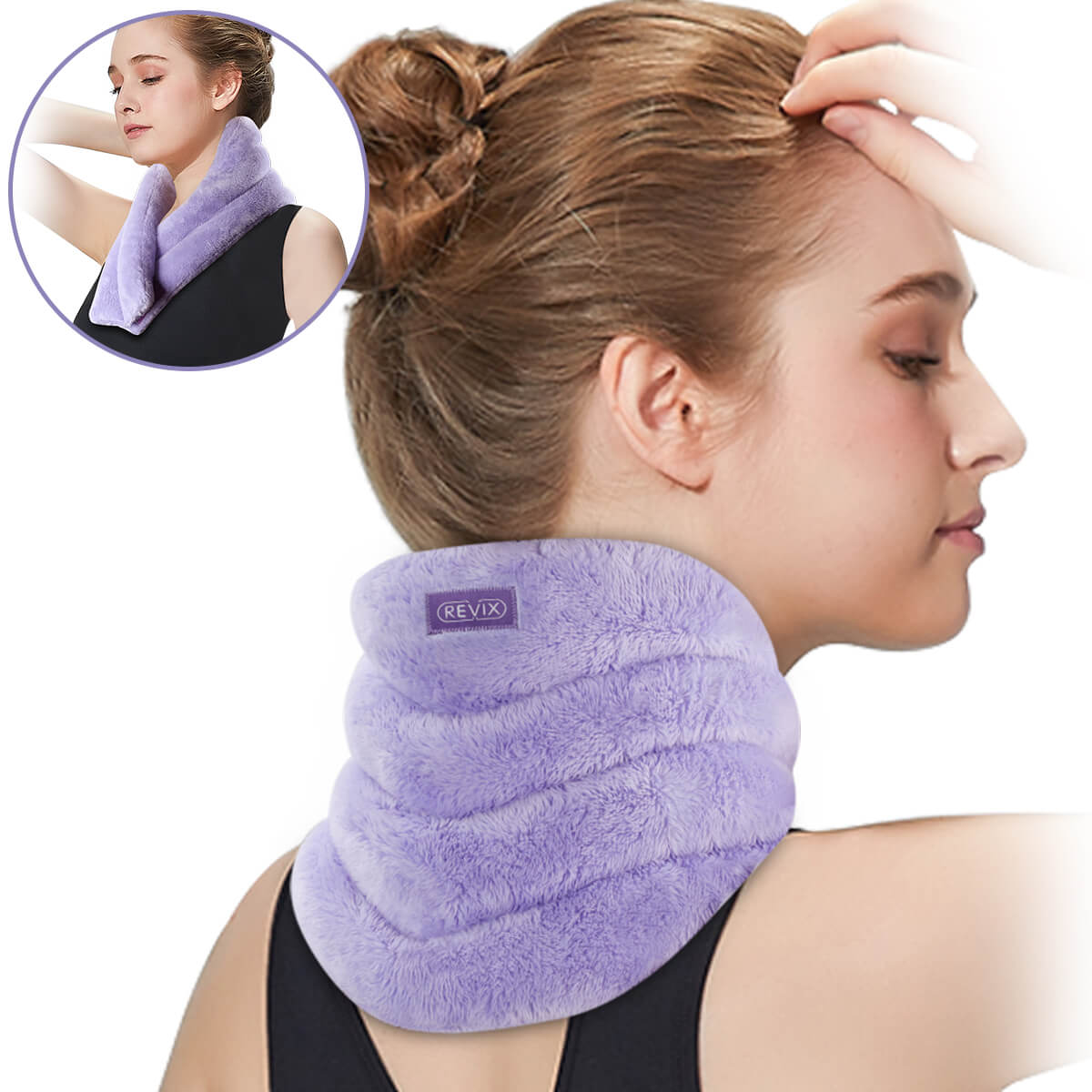
- Size and shape: Choose one that fits comfortably around your neck and shoulders.
- Temperature control: Pads with adjustable heat settings are safer and more comfortable.
- Auto shut-off: Prevents overheating if you forget to turn it off.
- Material: Soft, washable covers are more comfortable and hygienic.
- Brand reputation: Check reviews and safety ratings.
A common buyer mistake is choosing a pad that is too large, heavy, or hot for the neck area. Neck-specific heating pads are shaped to fit and prevent slipping.
For more on safe use and recommendations, see the Mayo Clinic’s guide.
Simple Neck Pain Relief Routine With A Heating Pad
Here’s a quick daily routine to try:
- Apply heating pad to neck: Use for 15–20 minutes, making sure it’s warm, not hot.
- Gently stretch: Turn your head side to side, tilt forward and back, hold each stretch for 5 seconds.
- Check your posture: Sit or stand tall, relax your shoulders.
- Repeat as needed: 1–2 times per day, especially after work or before sleep.
If you combine heat with gentle movement and good posture, most mild neck pain improves in a few days.
Frequently Asked Questions
Can I Use A Heating Pad Every Day For Neck Pain?
Yes, you can use a heating pad daily for short periods (15–20 minutes at a time). Just make sure to check your skin and avoid long sessions, which can cause burns or irritation. If your pain lasts more than a week, consult a doctor.
What Is Better For A Stiff Neck: Heat Or Ice?
For a stiff neck without swelling, heat is usually better. It relaxes muscles and improves movement. If your neck is swollen or injured in the last 48 hours, start with ice, then switch to heat after inflammation goes down.
Are There Any Side Effects Of Using Heating Pads On The Neck?
The main risks are burns and skin irritation, especially if the pad is too hot or used for too long. Rarely, electric heating pads may cause fire if damaged. Always use safety features and check your pad regularly.
Can I Sleep With A Heating Pad On My Neck?
No, you should not sleep with a heating pad on your neck. Falling asleep can lead to burns or even fire risk if the pad is electric. Use only while awake and alert.
How Soon Will I Feel Relief After Using A Heating Pad?
Most people feel some relief within 10–20 minutes of applying heat. The effects may last a few hours. For chronic neck pain, regular use (with stretches and posture changes) brings the best results.
Neck pain is frustrating, but simple tools like heating pads can make a real difference for muscle-related pain. Used wisely, heat therapy is safe, affordable, and effective. If you listen to your body, stay alert for warning signs, and combine heat with healthy habits, you’ll be on the path to a more comfortable neck and a better quality of life.