Back pain is a common problem for people of all ages. It can come from lifting heavy objects, sitting at a desk too long, or simply from sleeping in a bad position. When pain strikes, many reach for easy relief methods, and heating pads are one of the most popular.
But are heating pads good for back pain? Do they really work, or are they just a quick fix that doesn’t last? If you have ever wondered whether a heating pad is safe and effective for your aching back, this article will give you clear, practical answers.
We will look at how heating pads work, the science behind them, when they help, and when they can actually make things worse.
You will also learn how to use heating pads safely, what types are available, and how they compare to other pain relief options. By the end, you will understand not just the basics but also the small details that make a big difference for your comfort and recovery.
How Heating Pads Work
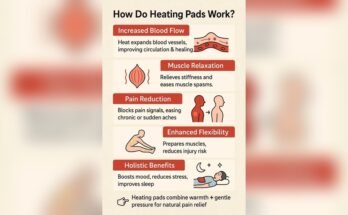
Heating pads use heat therapy to relax your muscles and increase blood flow. This process is called thermotherapy. When you apply heat to your back, the warmth helps to open up blood vessels, bringing more oxygen and nutrients to your muscles. This can help speed up healing and reduce pain signals sent to your brain.
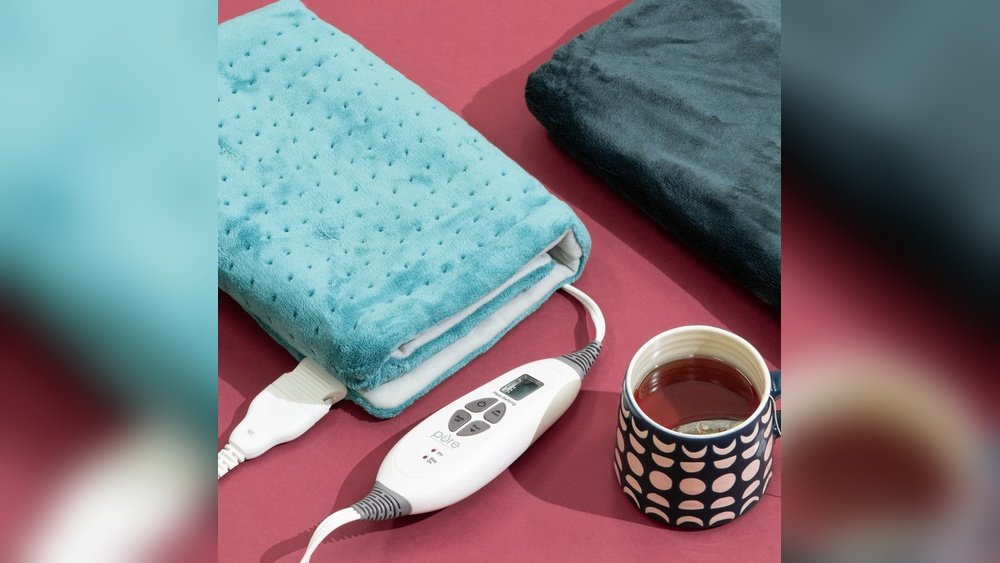
There are several types of heating pads, including electric, chemical, and microwaveable. Each works in a slightly different way, but the goal is always the same: to provide steady, gentle heat to the area that hurts.
The Science Behind Heat Therapy
Heat therapy is not just about feeling comfortable. Many studies show it can reduce pain and stiffness. For example, a study in the journal “Spine” found that people with lower back pain who used a heating pad for four hours a day reported less pain and more movement after just a few days.
Heat works especially well for muscle spasms and tightness. When your muscles are tense, heat can help them relax, which often makes it easier to move and less painful to do daily activities.
Benefits Of Heating Pads For Back Pain
Heating pads can be very helpful in several ways. Here are some of the main benefits you can expect:
1. Muscle Relaxation
Heat helps tight muscles loosen up. If your back pain comes from stress, exercise, or poor posture, this can bring fast relief.
2. Improved Blood Flow
More blood means more oxygen and nutrients. This helps your body repair itself and can speed up recovery after an injury.
3. Pain Signal Reduction
Heat can block some of the pain signals that travel from your back to your brain. This makes your pain feel less intense.
4. Stiffness Relief
If you wake up with a stiff back, a heating pad can make it easier to stretch and move around.
5. Comfort And Mental Relief
The warmth feels soothing, which can help reduce anxiety related to pain. This often makes it easier to rest and sleep.
When Heating Pads Are Most Effective
Heating pads work best for chronic muscle pain, stiffness, and old injuries. If your pain comes from overworked muscles, poor posture, or mild sprains, heat therapy is often a good choice. It’s especially useful for conditions like:
- Muscle strain
- Chronic lower back pain
- Arthritis pain
- Menstrual cramps that cause back pain
When To Avoid Heating Pads
While heating pads are helpful in many cases, they are not always safe. Sometimes, applying heat can make back pain worse or even cause harm.
Acute Injuries And Inflammation
If your back pain is from a fresh injury (like a fall or sudden twist), heat can actually increase swelling and make the pain worse. In these cases, cold therapy (like an ice pack) is usually better for the first 24-48 hours.
Nerve Pain And Certain Conditions
If your back pain is caused by a pinched nerve (such as sciatica), heat might not help and could even cause more irritation. People with certain medical problems, like diabetes or poor circulation, should also be careful. Heat can damage skin that can’t feel temperature well.
Open Wounds Or Infections
Never use a heating pad over broken skin, open wounds, or areas with infection. Heat can spread infection and slow healing.
Children And Elderly
Young children and older adults have thinner skin and may not feel heat as quickly. This puts them at higher risk for burns, so they should use heating pads with extra care or only under supervision.
Types Of Heating Pads For Back Pain
There are many types of heating pads. Knowing the differences can help you choose the best one for your needs.
| Type | Main Features | Pros | Cons |
|---|---|---|---|
| Electric Heating Pads | Plug into wall, adjustable temperature | Consistent heat, easy to use | Need electricity, risk of burns if too hot |
| Chemical Heat Packs | Single-use, air-activated or squeeze to start | Portable, no power needed | Limited time use, can get expensive |
| Microwavable Pads | Filled with rice, gel, or beads; heated in microwave | Reusable, easy to control temperature | Cool down quickly, risk of overheating |
| Infrared Heating Pads | Use infrared light for deeper heat | Penetrates deeper, some models for medical use | More expensive, takes time to feel heat |
Choosing The Right Heating Pad
When picking a heating pad, consider:
- Size and shape: Wide pads cover more area, but small pads work for focused spots.
- Heat settings: Adjustable temperature is safer.
- Automatic shut-off: Prevents burns if you fall asleep.
- Ease of cleaning: Removable covers are best.
How To Use A Heating Pad Safely
Heat therapy is helpful only if used correctly. Many people make small mistakes that lead to burns or make back pain worse.
Step-by-step Guide
1. Read Instructions
Each heating pad is different. Always read the manual for safe use.
2. Use A Cover Or Towel
Never put the pad directly on your skin. Place a thin cloth or towel between your skin and the pad.
3. Set The Right Temperature
Start with the lowest setting and increase only if needed. The pad should feel warm, not hot.
4. Limit Your Session
Use the heating pad for 15 to 30 minutes at a time. Longer sessions can dry out skin or cause burns.
5. Check Your Skin
After use, look for redness or blisters. If your skin feels too hot, stop right away.
6. Do Not Sleep With The Pad On
Falling asleep can lead to burns, even with pads that have auto shut-off.
Common Safety Mistakes
- Using the pad on high heat for too long
- Placing the pad directly on the skin
- Using heat on fresh injuries or open wounds
- Letting children use pads unsupervised
Heating Pads Vs. Other Back Pain Relief Methods
Heating pads are just one way to manage back pain. Other popular methods include cold therapy, medication, stretching, and massage. Each has its own strengths and weaknesses.
Here’s a quick comparison of common options:
| Method | Main Benefit | Best For | Limitations |
|---|---|---|---|
| Heating Pad | Muscle relaxation, increased blood flow | Chronic pain, muscle tightness | Not for new injuries, risk of burns |
| Ice Pack | Reduces swelling and inflammation | Fresh injuries, swelling | Can cause skin irritation, not for stiffness |
| Pain Medication | Quick pain relief | Severe pain, short-term use | Side effects, not a long-term solution |
| Stretching/Exercise | Improves flexibility, prevents future pain | Chronic pain, recovery phase | Not for acute pain, needs guidance |
| Massage | Reduces muscle tension, improves mood | Muscle knots, stress | Access, cost, not for all injuries |
When To Choose Heat Or Cold
- Use heat for muscle tightness, old injuries, or ongoing back pain.
- Use cold (ice packs) for new injuries, swelling, or after heavy exercise.

Situations Where Heating Pads May Not Work
While heating pads help many people, they are not a cure-all. Sometimes, back pain does not get better with heat. Here are some examples:
- Structural Problems: If your pain comes from a slipped disc or broken bone, heat will not solve the problem.
- Serious Medical Issues: Infections, tumors, or kidney problems can cause back pain. Heat may mask the pain but not fix the cause.
- Nerve Damage: Pain from nerve injuries often needs special treatment.
If your back pain is severe, lasts more than a few weeks, or comes with other symptoms (like fever, numbness, or loss of bladder control), see a doctor right away.
Non-obvious Insights About Heating Pads And Back Pain
Many people make the same mistakes when using heating pads, so here are two important tips that most beginners overlook:
1. Moist Heat Is Often More Effective
Dry heat (like standard electric pads) works, but many studies show that moist heat (like a damp towel heated in the microwave) can penetrate deeper and give longer-lasting relief. Moist heat also feels less drying to the skin and is less likely to cause irritation.
2. Heat Can Mask Serious Problems
Using a heating pad may make your back feel better for a while, but it can also hide symptoms of a bigger issue. If you keep needing heat every day or your pain gets worse, do not delay seeing a doctor.
Persistent pain is a warning sign that something more serious could be wrong.
Practical Tips For Best Results
If you want to get the most from your heating pad, remember these tips:
- Pair heat with gentle stretching. Use the pad first to loosen muscles, then do slow, easy movements to keep your back flexible.
- Stay hydrated. Heat can dry out your skin, so drink water before and after.
- Use heat at the right time. Early morning or before bed are good times to relax muscles and prevent stiffness.
- Keep your heating pad clean. Wash removable covers often to prevent skin irritation.
- Try different pad sizes. A large pad can cover your whole lower back, while a small pad works for pinpoint pain.
What The Research Says
Many research studies support using heating pads for back pain. For example, a 2006 clinical trial found that people with lower back pain who used a heating pad for four hours each day felt less pain and had more movement than those who only took medication.
Another review from the Cochrane Library showed that heat therapy is more effective than no treatment, and it is almost as good as some types of pain medicine—but with fewer side effects.
However, most experts agree that heat therapy works best as part of a bigger plan. Combining heat with movement, physical therapy, and good posture gives the best long-term results.
If you want to read more about the science behind heat therapy, check out this summary on National Institutes of Health.

Cost And Accessibility
Heating pads are easy to find and come in a wide range of prices. Basic electric models can cost as little as $15, while advanced pads with moist heat or infrared features can cost over $100. Chemical and microwaveable options are usually cheaper, but you may need to replace them often.
Most pharmacies, big stores, and online shops sell heating pads. This makes them more accessible than some other treatments, like massage or physical therapy, which can be expensive or require appointments.
How To Tell If Heat Therapy Is Working
You should feel some relief within 10-20 minutes. Signs that heat therapy is working:
- Less pain or stiffness
- Easier movement
- Relaxed muscles
If you feel burning, itching, or your pain gets worse, stop using the pad and check your skin. If there are blisters or severe redness, see a doctor.
Alternatives To Heating Pads
If you cannot use a heating pad or want to try something different, here are some other options:
- Warm baths or showers: Good for full-body relief, especially before bed.
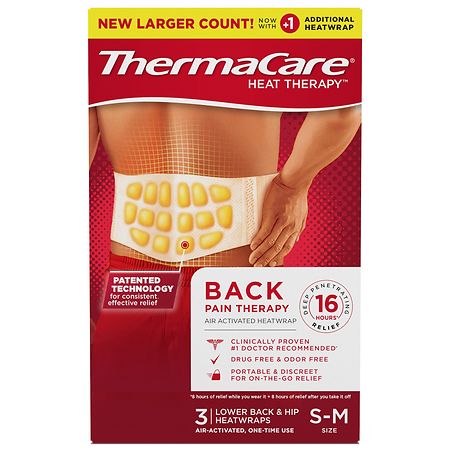
- Heat wraps: Stick-on wraps that provide gentle heat for several hours.
- Heated blankets or cushions: For people who want to relax while sitting or lying down.
- Topical creams: Some muscle rubs create a warming feeling on the skin.
- Physical therapy: Teaches you exercises and stretches to reduce pain without heat.
Each method has benefits and risks, so choose what feels best for your situation.
When To See A Doctor
Back pain is usually not dangerous, but some signs mean you need medical help:
- Pain that lasts longer than 2 weeks
- Pain with fever, chills, or unexplained weight loss
- Numbness, tingling, or weakness in your legs
- Trouble controlling your bladder or bowels
- Severe pain after a fall or injury
If you notice any of these, stop using heat and see a doctor right away. Heat will not help in these cases and could delay the right treatment.
Frequently Asked Questions
How Long Should I Use A Heating Pad For Back Pain?
Use a heating pad for 15 to 30 minutes at a time. You can repeat this 2-3 times per day. Do not use heat for hours at a stretch, as it can cause burns or dry out your skin.
Is It Better To Use A Heating Pad Or An Ice Pack For Back Pain?
Use a heating pad for muscle tightness, stiffness, or chronic pain. Use an ice pack for new injuries, swelling, or pain right after exercise. If you are not sure, start with ice for the first 48 hours, then switch to heat.
Can I Sleep With A Heating Pad On My Back?
No, it is not safe to sleep with a heating pad. Even pads with automatic shut-off can cause burns if you do not move. Always stay awake and check your skin often when using heat.
Are There Any Risks With Heating Pads?
Yes, risks include skin burns, irritation, and dry skin. People with diabetes, nerve problems, or poor circulation have a higher risk and should talk to a doctor before using heat therapy.
Do Heating Pads Help With All Types Of Back Pain?
Heating pads help most with muscle pain and stiffness. They are less useful for nerve pain, severe injuries, or structural problems like herniated discs. If your pain does not improve, see a doctor.
Back pain can slow you down, but a heating pad is a simple and effective tool for many people. If used wisely, it can help you feel better and get back to your daily life. Remember, heat is just one part of the solution—listen to your body, and do not ignore serious symptoms.
With the right approach, you can manage back pain safely and comfortably.