Muscle knots can cause frustration, pain, and even stop you from enjoying daily activities. Many people turn to a handheld massager to tackle these tight spots, but not everyone knows how to use one effectively. If you want to release knots, relax your muscles, and avoid making things worse, learning the right techniques is key.
This article is your complete guide to using a handheld massager for knots. You’ll find clear steps, practical advice, and expert tips. Whether you’re new to handheld massagers or want to improve your routine, you’ll discover what works, what mistakes to avoid, and how to get the best results safely.
What Are Muscle Knots?
Muscle knots, also known as myofascial trigger points, are tight bands or lumps within your muscle fibers. They feel sore to the touch and can sometimes cause pain in other areas, a phenomenon called “referred pain.” Knots often form from:
- Poor posture
- Stress
- Overuse of muscles
- Lack of movement
- Sitting for long periods
Some knots are small and only mildly uncomfortable. Others can cause intense pain, limit your movement, or even lead to headaches and poor sleep. These knots do not disappear by themselves and often need intervention, such as massage, stretching, or heat therapy.
How Handheld Massagers Work
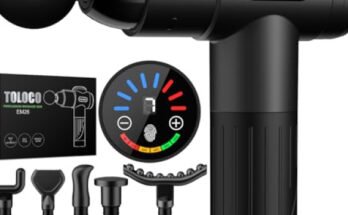
Handheld massagers are small, portable devices designed to target specific areas of your body. They use different mechanisms to relax muscles and break up knots:
- Percussion massagers deliver rapid tapping movements
- Vibration massagers use high-frequency shaking
- Rolling massagers use rotating balls or heads
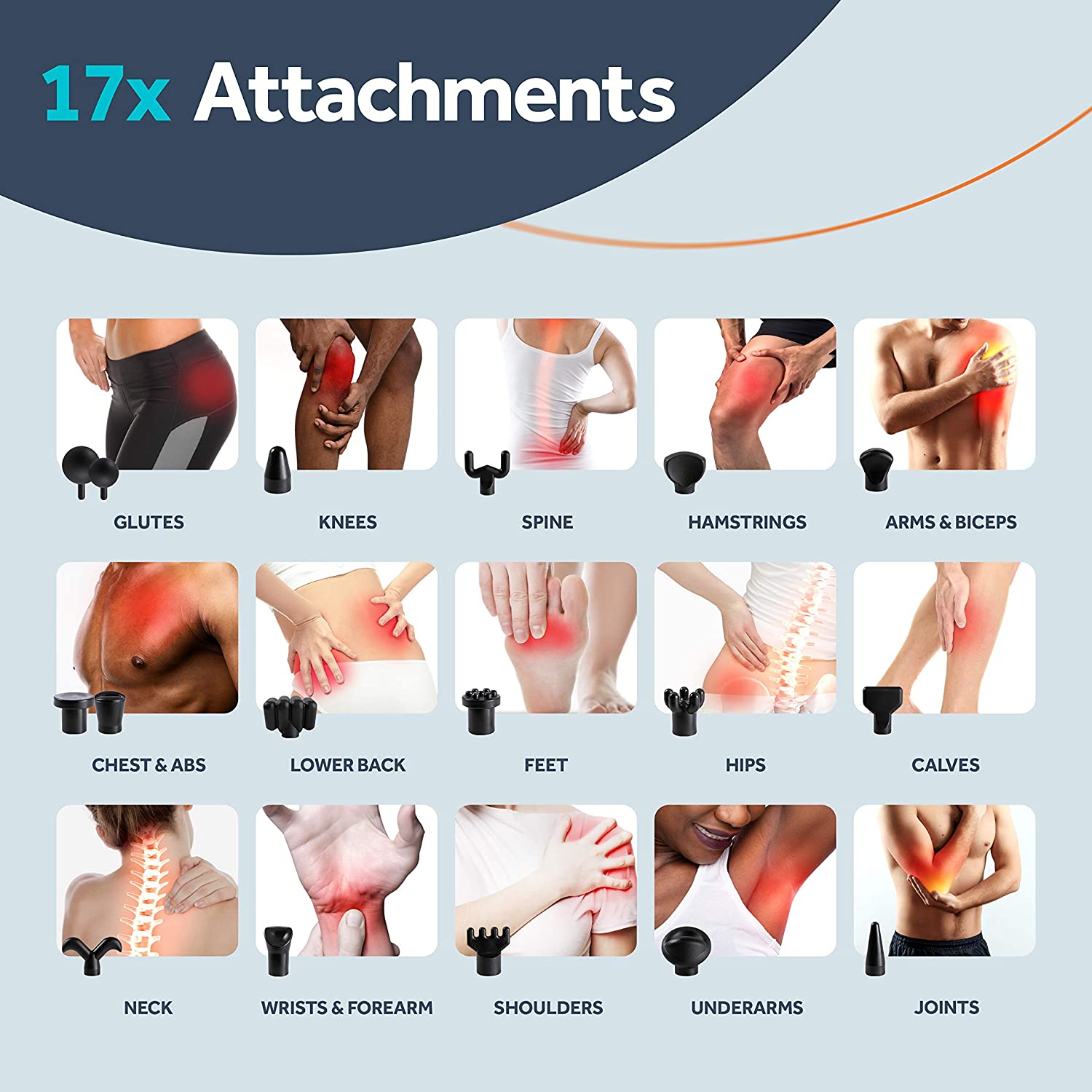
Most models have adjustable speed and strength, allowing you to tailor the massage to your comfort level. Some even have heat settings or multiple attachments for targeting different muscle groups.
Handheld massagers work by:
- Increasing blood flow to the area
- Warming up tight tissue
- Disrupting the pain cycle
- Encouraging the muscle to relax
When used correctly, these devices can help release knots, improve flexibility, and speed up recovery after exercise.
Choosing The Right Handheld Massager
Not all massagers are created equal. The right choice depends on your needs, preferences, and the areas you want to target.
| Type | Best For | Pros | Cons |
|---|---|---|---|
| Percussion | Deep knots, large muscles (back, thighs) | Strong, deep action; fast results | Can be noisy; heavy for some users |
| Vibration | General tension, sensitive areas | Gentle; suitable for beginners | May not break up deep knots |
| Rolling | Glutes, shoulders, calves | Easy to control; quiet | Limited pressure |
Key Features To Consider
- Adjustable speed and intensity: Essential for tailoring the massage
- Interchangeable heads: Useful for targeting different muscle groups
- Battery life: Longer sessions need a strong battery
- Weight and grip: Should be comfortable for extended use
- Noise level: Important if you want to relax during use
Common Mistakes When Choosing
- Picking a device that is too powerful for sensitive users
- Ignoring battery life—some models last less than 30 minutes
- Forgetting to check warranty and customer support
A good massager should fit your hand well, feel comfortable to hold, and offer the options you need. If you’re not sure, try models in a store before buying, or read trusted online reviews.
Preparing To Use Your Handheld Massager
Before you start, preparation can make your massage more effective and comfortable.
Steps To Prepare
- Find a comfortable place: Use a soft chair, bed, or yoga mat.
- Wear loose clothing: This allows the device to glide over your skin.
- Warm up muscles: Try a hot shower or a warm towel on the area for 5–10 minutes.
- Hydrate: Drink water before and after to help flush out toxins.
- Read the manual: Not all devices work the same way—know your tool.
- Check for injuries: Avoid areas with bruises, open wounds, or skin infections.
Special Tips
- If you’re new, start with the lowest speed and lightest pressure.
- Use the right attachment for the muscle group—round heads for large muscles, bullet heads for deep knots.
- Plan your session for 10–20 minutes per area, depending on comfort.
Techniques For Using A Handheld Massager On Knots
Using a handheld massager for knots is more than just turning it on and moving it around. Proper technique is vital for safety and results.
Basic Steps
- Locate the knot: Press gently with your fingers to find the sore, tight spot.
- Turn on the massager: Start at a low setting.
- Apply the massager: Place it directly on the knot, using the correct head.
- Move slowly: Glide the device in small circles or back and forth over the knot.
- Increase pressure gradually: Only as your comfort allows.
- Spend 1–2 minutes per knot: More is not always better.
- Rest and repeat: Move to other knots or switch off and stretch.
Advanced Tips
- For stubborn knots, pause the massager over the spot for 15–30 seconds (static pressure).
- Use a heating attachment if your device has one, which can help relax the tissue faster.
- Massage around the knot as well as directly on it—sometimes the surrounding muscle is also tight.
- Try combining with gentle stretching after the massage.
Example: Treating A Knot In The Shoulder
Let’s say you have a knot in your upper back near the shoulder blade:
- Sit upright and support your arm on a table.
- Use your opposite hand to guide the massager to the knot.
- Start with a round attachment, low speed.
- Massage in small circles for one minute.
- Pause for 10 seconds, then repeat if needed.
- Switch to a bullet head for deeper action if you’re comfortable.
- Finish by gently stretching the shoulder.
Common Errors To Avoid
- Pressing too hard—this can bruise or irritate the muscle.
- Staying on one spot for too long—can cause soreness.
- Using the massager over bones, joints, or the spine.
- Ignoring pain—if it hurts, stop immediately.
When And How Often To Use A Handheld Massager
Frequency and timing matter. Overuse can irritate your muscles, but too little won’t help much.
Best Times To Use
- After exercise to reduce tightness and speed up recovery
- At the end of a workday if you’ve been sitting for hours
- Before bed to relax and improve sleep quality
- After a warm shower for easier muscle release
How Often?
- For mild knots: 3–4 times per week
- For stubborn knots: Daily, but no more than 2–3 minutes per spot
- For maintenance: Once or twice a week
Listen to your body. If you feel sore or bruised, take a break for a day or two. Consistency works better than long, intense sessions.
Areas To Target—and Areas To Avoid
Handheld massagers are great for most muscle groups, but some areas need caution.
Safe Areas
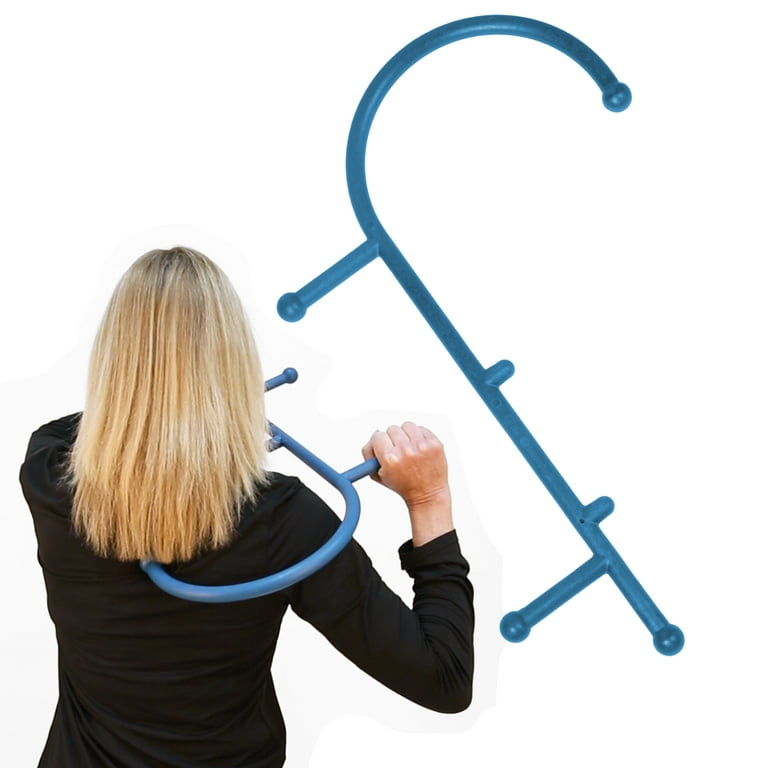
- Neck and shoulders: Use light pressure and slow movements
- Upper and lower back: Avoid the spine and use a large head
- Thighs and calves: Great for runners or those on their feet all day
- Glutes: Sit or lie on your side for best results
- Arms and forearms: Helpful for office workers or athletes
Areas To Avoid
- Directly over the spine or bones
- Front and side of the neck (contains arteries and sensitive structures)
- Abdomen or lower belly
- Areas with varicose veins, bruises, or wounds
- Joints (elbows, knees, wrists, ankles)
If you have medical conditions like diabetes, poor circulation, or take blood thinners, talk to your doctor before starting massage therapy.
Comparing Handheld Massagers To Other Methods
Many ask if handheld massagers are better than traditional massage, foam rollers, or manual methods. Here’s a quick comparison:
| Method | Effectiveness for Knots | Ease of Use | Cost | Best For |
|---|---|---|---|---|
| Handheld Massager | High | Easy | $$–$$$ | Targeted relief, convenience |
| Foam Roller | Moderate | Moderate | $ | Large muscle groups |
| Manual Massage | High | Requires help | $$–$$$ (per session) | Deep tissue, stubborn knots |
| Massage Ball | Moderate | Easy | $ | Small, hard-to-reach knots |
Handheld massagers stand out for their ability to deliver consistent pressure and target spots you can’t easily reach on your own. Foam rollers are better for warming up or cooling down large muscle groups. Manual massage (by a therapist) is still the gold standard for very deep knots or when you want expert care.
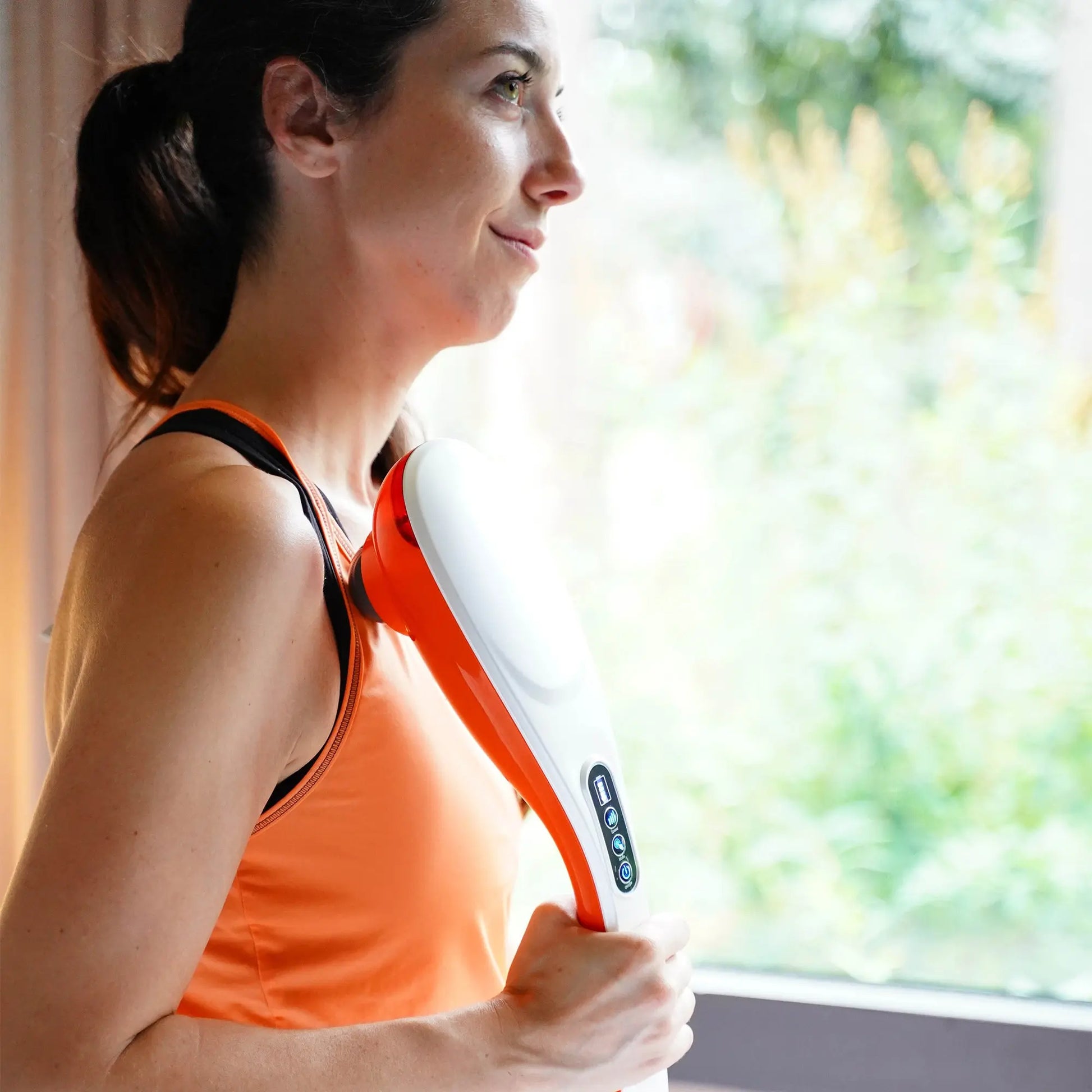
Getting The Most From Your Handheld Massager
Massagers are tools, not magic wands. For best results, combine them with good habits.
Practical Tips
- Stay hydrated: Helps your body flush out the waste products released from knots.
- Stretch after use: Loosen up muscles and prevent knots from coming back.
- Warm up first: Heat makes muscles more pliable and less likely to bruise.
- Rest the area: Don’t overwork sore muscles, even with a massager.
- Track your progress: Notice if knots are shrinking, pain is less, or movement improves.
Two Insights Many Miss
- Knots are often linked to stress and posture. If you don’t address the cause (such as poor desk setup), knots will keep coming back—even with regular massage.
- Not all knots should be massaged. If a lump is hard, doesn’t move, or gets worse with massage, see a health professional. It could be something other than a muscle knot.
When Not To Use A Handheld Massager
While these devices are generally safe, there are situations where you should avoid them.
Contraindications
- Over bones, joints, or the front of the neck
- On broken skin, rashes, or infections
- If you have blood clots, severe osteoporosis, or are pregnant (unless cleared by a doctor)
- After recent surgery or injury (wait for full healing)
- If you feel numbness or tingling
If in doubt, always check with a physical therapist or your doctor before using a massager, especially if you have health conditions.
Real-life Example: Beating Desk Job Knots
Consider Sarah, a graphic designer who spends 8–10 hours a day at her computer. She started noticing knots in her upper back, making it hard to sleep and focus. After buying a handheld massager, she followed these steps:
- Used the device every evening, 2 minutes per knot
- Targeted her upper back and shoulders with a round attachment
- Combined massage with daily stretching and posture breaks
- Switched to a softer attachment for her neck
After two weeks, Sarah reported less pain, better sleep, and improved focus at work. The key was consistency, proper technique, and not overdoing it.
Safety And Maintenance Tips
To keep your handheld massager working well and avoid injury:
- Clean attachments after every use with mild soap and water
- Check for damage or loose parts regularly
- Recharge or replace batteries as needed
- Store in a dry place away from direct sunlight
Don’t share attachments with others to avoid spreading germs. Replace worn-out heads or pads as recommended by the manufacturer.
The Role Of Professional Help
Handheld massagers are a great self-care tool, but they’re not a replacement for professional treatment in some cases. If you have:
- Knots that do not improve after 2–3 weeks
- Severe pain, numbness, or tingling
- Swelling or bruising that gets worse
- Symptoms after an injury
See a physical therapist or doctor. They can help diagnose the cause and recommend the best treatment, which might include manual therapy, exercise, or other interventions.
Frequently Asked Questions
How Long Should I Use A Handheld Massager On A Knot?
For most people, 1–2 minutes per knot is enough. Longer sessions don’t always mean better results and can even cause soreness. If the area feels tender or bruised, stop and let the muscle recover before trying again.
Can I Use A Handheld Massager Every Day?
Yes, you can use a handheld massager daily if you limit the time per area and listen to your body. If you notice increased soreness or irritation, take a break for a day or two. For maintenance, 2–3 times per week is usually enough.
What’s The Best Attachment For Knots?
The bullet head is best for deep knots and small areas, while the round head works well for larger muscles. Some massagers include a fork attachment for areas along the spine (but not on the spine itself). Always start with a softer attachment if you’re new.
Is It Normal To Feel Sore After Using A Massager?
Mild soreness can happen, especially if you’re new to massage or used too much pressure. This is similar to what you might feel after a workout. Soreness should go away in 24–48 hours. If pain is severe or lasts longer, reduce pressure or see a professional.
Are Handheld Massagers Safe For Everyone?
Most people can use them safely, but not everyone. Avoid if you have open wounds, blood clots, severe osteoporosis, or certain heart conditions. If you’re pregnant, have diabetes, or other health concerns, talk to your doctor first. For more information, check resources like the Mayo Clinic.
Muscle knots don’t have to control your life. With the right handheld massager, smart technique, and care, you can ease tension and move freely again. Remember to combine massage with good posture, stretching, and healthy habits for lasting relief. Your body will thank you for it.