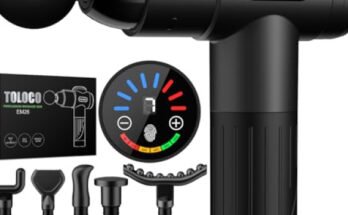
A percussion massager is a favorite tool for athletes, office workers, and anyone who wants muscle relief at home. These devices use fast, repetitive strokes to relax tight muscles, improve blood flow, and speed recovery. But after a few uses, you may notice the head collects sweat, oil, dust, or even dead skin.
If you ignore cleaning, your massager can become a breeding ground for bacteria and odors—and may even stop working smoothly. Keeping your percussion massager clean is more important than most people realize.
This guide will teach you how to clean a percussion massager the right way. You’ll learn step-by-step instructions, tips for deep cleaning, and how to keep your device safe for every use. Whether you own a top-brand Theragun or a budget model from Amazon, you’ll discover practical advice, common mistakes to avoid, and answers to your key questions.
Why Cleaning A Percussion Massager Matters
A clean percussion massager isn’t just about looks—it’s about health and performance. Sweat, oils, and dirt quickly build up on the attachment heads. Over time, bacteria can multiply, leading to unpleasant smells or even skin infections. For homes where more than one person uses the massager, the risk of cross-contamination is real. Keeping your device clean means:
- Hygiene: Reduces germs and skin issues.
- Longer life: Prevents corrosion, sticky buttons, and motor problems.
- Better results: Ensures smooth, safe massage every time.
A recent survey by Massage Magazine found that almost 60% of home users never clean their massage devices, even after months of use. This exposes them to hidden risks—especially on shared attachments.
Understanding Percussion Massager Parts
Percussion massagers are simple, but not all parts need the same cleaning. Knowing what you’re dealing with makes the job easier and safer.
| Part | Material | Contact with Skin? | Cleaning Needed? |
|---|---|---|---|
| Attachment Heads | Plastic, Silicone, Foam | Yes | High |
| Handle & Body | Plastic, Rubber | No | Medium |
| Motor Housing | Plastic/Metal | No | Low |
| Battery Compartment | Plastic | No | Rarely |
Attachment heads touch your skin and collect the most grime. The handle can get sweaty, especially during long sessions. The motor housing and battery compartment rarely need more than a wipe—never let water get inside.
What You Need Before Cleaning
You don’t need fancy tools or chemicals. Most cleaning can be done with items you already have at home. Here’s what works best:
- Mild dish soap (no harsh chemicals)
- Warm water (not hot)
- Soft cloths or microfiber towels
- Cotton swabs (for small spaces)
- Isopropyl alcohol (at least 70%)
- Toothbrush (soft, old, for stubborn spots)
- Spray bottle (optional, for diluted solutions)
- Lint-free towel (for drying)
Avoid bleach, strong disinfectants, or anything abrasive. These can damage the plastic or silicone and reduce your device’s life.
Step-by-step: How To Clean A Percussion Massager
1. Unplug And Disassemble
Safety first: Always turn off and unplug your device before cleaning. If your massager has removable heads or batteries, take them off. Never get the motor or battery wet—water can destroy these parts or cause electric shock.
2. Clean The Attachment Heads
Most dirt and bacteria collect here. The cleaning method depends on the attachment material:
For Plastic Or Silicone Heads:
- Mix a few drops of mild dish soap in warm water.
- Dip a soft cloth in the solution, wring out excess water.
- Wipe the attachment head thoroughly. For sticky spots, use a soft toothbrush.
- Rinse under running water, if the manual says it’s safe.
- Dry completely with a lint-free towel.
For Foam Heads:
Foam is delicate and can break down if soaked.
- Lightly dampen a cloth with soapy water.
- Gently wipe the foam, avoiding excess moisture.
- Pat dry and let air dry fully before next use.
Disinfecting:
After cleaning, spray the head lightly with isopropyl alcohol or wipe with an alcohol-soaked cotton pad. This kills most germs and dries quickly.
3. Wipe The Handle And Body
Use a clean, damp cloth (not wet) to clean the handle and body. Pay attention to areas where sweat or oil collects. For textured grips, use a toothbrush to reach grooves. Never spray water directly on the device.
4. Clean Small Crevices
Cotton swabs dipped in diluted alcohol can clean button edges, vents, or tight spots. Avoid pushing dirt deeper inside.
5. Clean The Battery Compartment (if Needed)
Most massagers have sealed batteries. If yours is removable, wipe contacts with a dry cloth—never with water or alcohol.
6. Dry Everything Thoroughly
Moisture left on parts can cause mold or rust. Let all cleaned parts air dry for at least 30 minutes before reassembly. If in a hurry, use a lint-free towel to blot moisture.
7. Reassemble And Store Safely
Once dry, reattach heads and batteries. Store your massager in a clean, dry place—preferably in its original case or pouch to prevent dust and damage.

Deep Cleaning: When And How
Regular wiping is enough for most users, but sometimes you need a deep clean—for example, after illness, heavy sweating, or sharing with others.
- Remove all attachment heads.
- Soak plastic or silicone heads in soapy water for 5–10 minutes.
- Scrub with a toothbrush, focusing on edges.
- Rinse and disinfect with alcohol spray.
- Clean handle and body as above.
- Let everything dry completely before reassembling.
Pro tip: Mark each attachment with a color sticker if different people use the device. This reduces sharing and keeps things more hygienic.
Cleaning Frequency: How Often Is Enough?
How often you clean your percussion massager depends on usage. Here’s a simple guide:
| Usage Frequency | Recommended Cleaning |
|---|---|
| After every use | Wipe attachment head, handle, and body |
| Weekly | Deep clean attachment heads, check for damage |
| After sharing | Disinfect heads before and after each user |
| After illness | Deep clean all parts and disinfect thoroughly |
Non-obvious insight: Even if you’re the only user, sweat and dead skin can transfer bacteria to the device. Weekly cleaning is still important.
Common Cleaning Mistakes To Avoid
Many first-time owners make errors that reduce their percussion massager’s life or effectiveness. Be aware of these pitfalls:
- Using harsh cleaners: Bleach, ammonia, or strong alcohol can crack or fade plastic and silicone.
- Soaking non-removable parts: Never immerse the motor or handle in water. Only attachment heads should be rinsed.
- Skipping drying: Moisture trapped inside parts can grow mold or rust metal pieces.
- Forgetting to disinfect: Soap and water clean, but don’t always kill germs. Alcohol is needed for full disinfection.
- Not checking the manual: Some brands use special coatings or materials. Always check the user guide for warnings.
Hidden detail: Some models come with anti-microbial heads. These still need cleaning—they slow bacteria growth, but don’t stop it completely.
Quick Reference: Do’s And Don’ts
Here’s a fast cheat sheet for safe cleaning:
- Do: Unplug before cleaning, use mild soap, dry fully, disinfect attachment heads, check for damage.
- Don’t: Use bleach, soak the device, skip cleaning, store while damp, ignore the manual.

Special Situations: Shared And Professional Use
If you use your percussion massager in a gym, physical therapy office, or share at home, hygiene becomes even more critical.
- Always disinfect before and after each use.
- Consider buying extra attachment heads for each user.
- Use alcohol wipes for quick cleaning between clients.
- Store heads in individual bags to prevent cross-contamination.
For professional settings, some countries have guidelines for cleaning shared equipment. For example, the CDC recommends using EPA-approved disinfectants for all reusable medical devices.
What If Your Massager Smells Bad?
A lingering odor is a sign of bacteria or mold. Here’s what to do:
- Remove all attachment heads and clean as above.
- Soak plastic or silicone heads in a vinegar-water mix (1: 4) for 10 minutes, then rinse and dry.
- Wipe the handle with alcohol.
- Let all parts air out in sunlight if possible—UV light kills odors.
- If smell persists, check the manual or contact the manufacturer. Some foam heads can’t be saved and need replacement.
How To Store Your Percussion Massager To Stay Clean
Proper storage extends life and reduces cleaning needs:
- Use the original case or a clean, dry pouch.
- Store in a cool, dry place—avoid bathrooms or damp basements.
- Keep out of direct sunlight to prevent plastic fading.
- Remove attachment heads for long-term storage.
Hidden insight: Humidity causes more damage than most realize. Moisture in the air can lead to rust inside the motor, even if you never get the device wet. A silica gel packet in your case absorbs extra moisture.
Comparing Percussion Massager Cleaning Times
How long does cleaning take? Here’s a quick look at typical cleaning times for different routines:
| Cleaning Type | Time Needed | Best For |
|---|---|---|
| Quick wipe | 1–2 minutes | After every use |
| Standard clean | 5–7 minutes | Weekly routine |
| Deep clean | 15–20 minutes | After illness or sharing |
If you make cleaning a habit, you’ll rarely need a deep clean—just a quick wipe is enough most days.
When To Replace Attachment Heads
Even with perfect cleaning, attachment heads wear out over time. Plastic can crack, silicone can tear, and foam gets misshapen. Replace if you notice:
- Cracks or splits
- Permanent stains
- Loss of firmness (foam heads)
- Odors that won’t go away
Most brands recommend new heads every 6–12 months with regular use. This keeps your massage safe and comfortable.
Environmentally Friendly Cleaning Tips
Eco-conscious users want to clean without harming the planet. Here’s how:
- Use biodegradable soap.
- Clean with reusable cloths instead of paper towels.
- Rinse in a small bowl, not under running water, to save water.
- Recycle old attachment heads if possible—check local rules.
Some brands use recycled plastic or silicone for attachments. Cleaning these is the same as standard heads, but always check for special instructions.

Troubleshooting: What If Your Massager Stops Working After Cleaning?
If your percussion massager won’t turn on after cleaning, stay calm. Here’s what to check:
- Is everything dry? Moisture inside can trip safety sensors. Let it air out for several hours.
- Battery inserted correctly? Double-check polarity and contacts.
- Any error lights? Some models show error codes—look in your manual.
- Still not working? Contact customer service. Never open the device—this voids the warranty.
Expert tip: Most failures after cleaning come from water getting into the motor area. Always keep wet cloths away from vents and seams.
How Percussion Massager Cleaning Compares To Other Devices
You might wonder if you can use the same cleaning routine for other massage tools. Here’s a quick comparison:
- Foam rollers: Clean with soapy water, air dry; no electronics.
- Vibrating massage guns: Same as percussion, but be extra careful with water.
- Electric shavers: Usually need blade oil and brush, not soap and water.
Read your device’s manual—never assume what works for one tool is safe for another.
Useful Resources
For more information on cleaning and maintenance, check the official CDC guidelines on cleaning shared devices at CDC: Disinfection & Sterilization. This source covers best practices for health and safety.
Frequently Asked Questions
How Often Should I Clean My Percussion Massager?
Clean the attachment heads after every use and disinfect at least once a week. If you share your device, clean and disinfect before and after each user. More frequent cleaning is better if you sweat a lot or use oils.
Can I Put The Attachment Heads In The Dishwasher?
Most plastic or silicone heads are not dishwasher-safe—high heat and strong detergents can damage them. Always check your manual. Foam heads should never go in the dishwasher.
What Should I Do If Water Gets Inside The Device?
Turn off and unplug immediately. Dry as much as possible with a towel, then let it air out for several hours. Do not try to use until fully dry. If it still doesn’t work, contact the manufacturer.
Is It Safe To Use Disinfectant Wipes On My Massager?
Yes, as long as they are alcohol-based and safe for electronics. Avoid wipes with bleach or harsh chemicals. Wipe the attachment heads and handle, but don’t let moisture seep into seams or vents.
How Do I Know When To Replace The Attachment Heads?
Replace heads if you see cracks, discoloration, or loss of firmness. Most need replacement every 6–12 months with regular use. Bad smells that don’t go away after cleaning are also a sign it’s time for new heads.
Keeping your percussion massager clean is simple but powerful. With the right habits, you’ll enjoy better performance, longer device life, and safer massages—every time you use it.