Yes, the Manduka Cork Yoga Block is worth it for strong support, grip, and long-term durability.
Is Manduka Cork Yoga Block Worth It? For many yoga students, the answer depends on your practice, comfort needs, and budget. After comparing cork block design, stability, grip, care, and common alternatives, this guide will help you decide if Manduka’s dense cork construction fits your home or studio practice.
What Is the Manduka Cork Yoga Block?
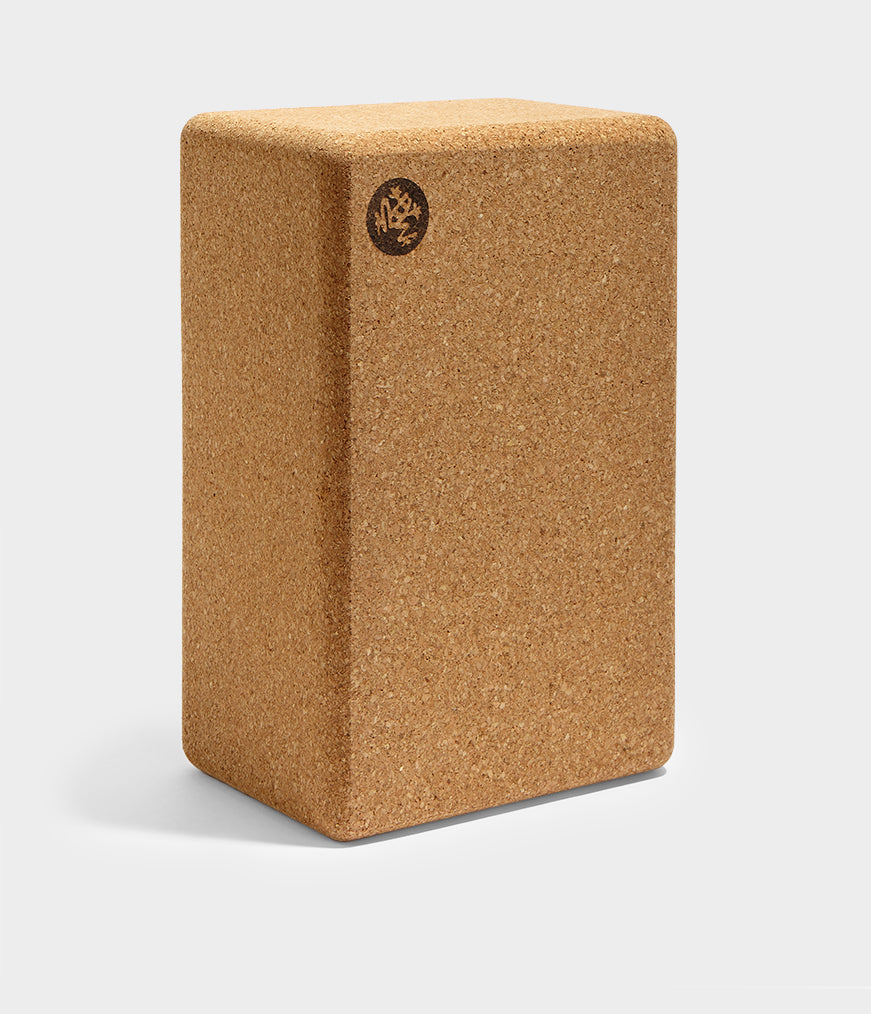
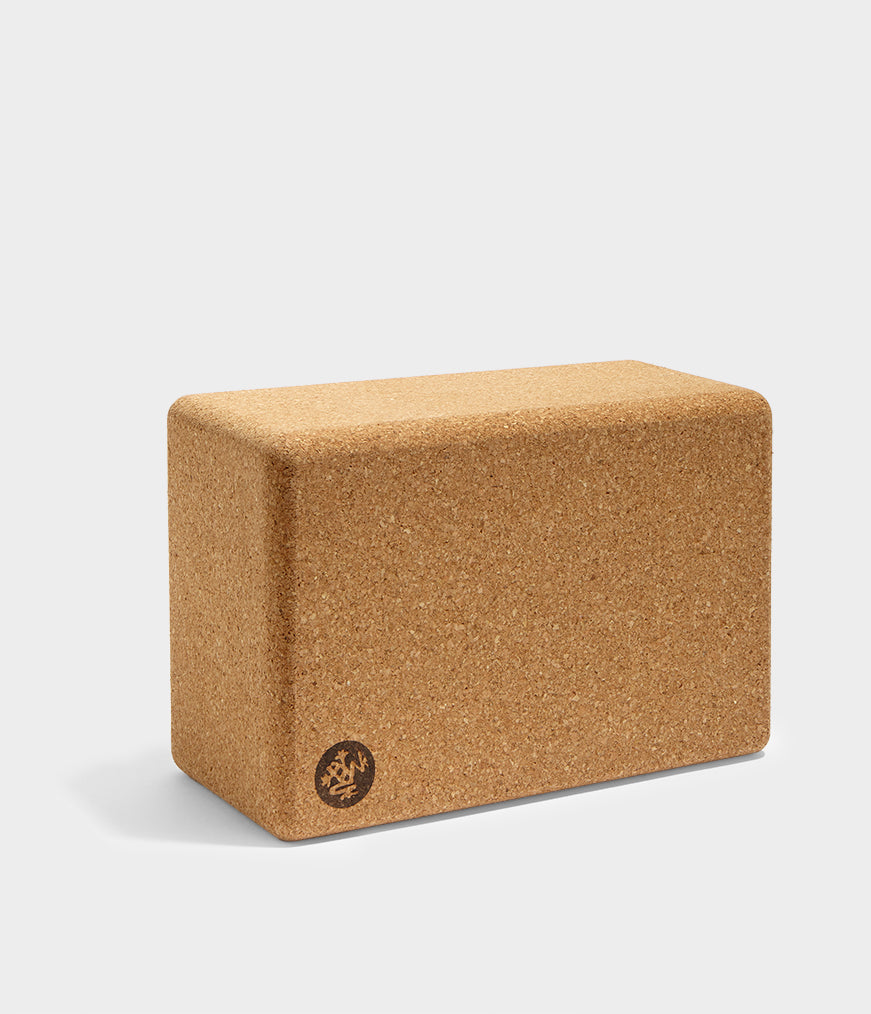
The Manduka Cork Yoga Block is a firm yoga prop made from natural cork. It helps bring the floor closer to your hands, support your hips during seated poses, and improve balance in standing poses.
Unlike a soft foam block, cork feels solid and stable. It has a little natural texture, which can improve grip as your hands warm up. The block is also denser, so it feels less likely to slide or tip during weight-bearing poses.
Manduka is known for durable yoga gear, and its cork block follows that design approach. It is made for regular use in studios, home gyms, and travel practice, although its weight may be less convenient for frequent travel.
Is Manduka Cork Yoga Block Worth It for Most People?
Is Manduka Cork Yoga Block Worth It? In most cases, yes, especially if you want a block that feels stable, firm, and built for frequent use.
Cork works well for people who dislike the soft or unstable feel of foam. It can support your weight during poses such as Half Moon, Triangle, Side Angle, and supported bridges. The firm surface also gives you clear feedback, which can help you avoid sinking into a pose.
However, the block is not perfect for everyone. It may feel hard under the head, back, knees, or sitting bones. If you mainly need gentle comfort, a foam block may be a better choice.
The Manduka cork block is most useful for:
• Yoga students who want strong support
• People who practice standing and balance poses
• Users who prefer natural materials
• Home practitioners who want long-term value
• Students who sweat and need a textured surface
Key Features of the Manduka Cork Yoga Block
The value of the Manduka Cork Yoga Block comes from its material, shape, and stability. Each feature affects how the block feels in daily practice.
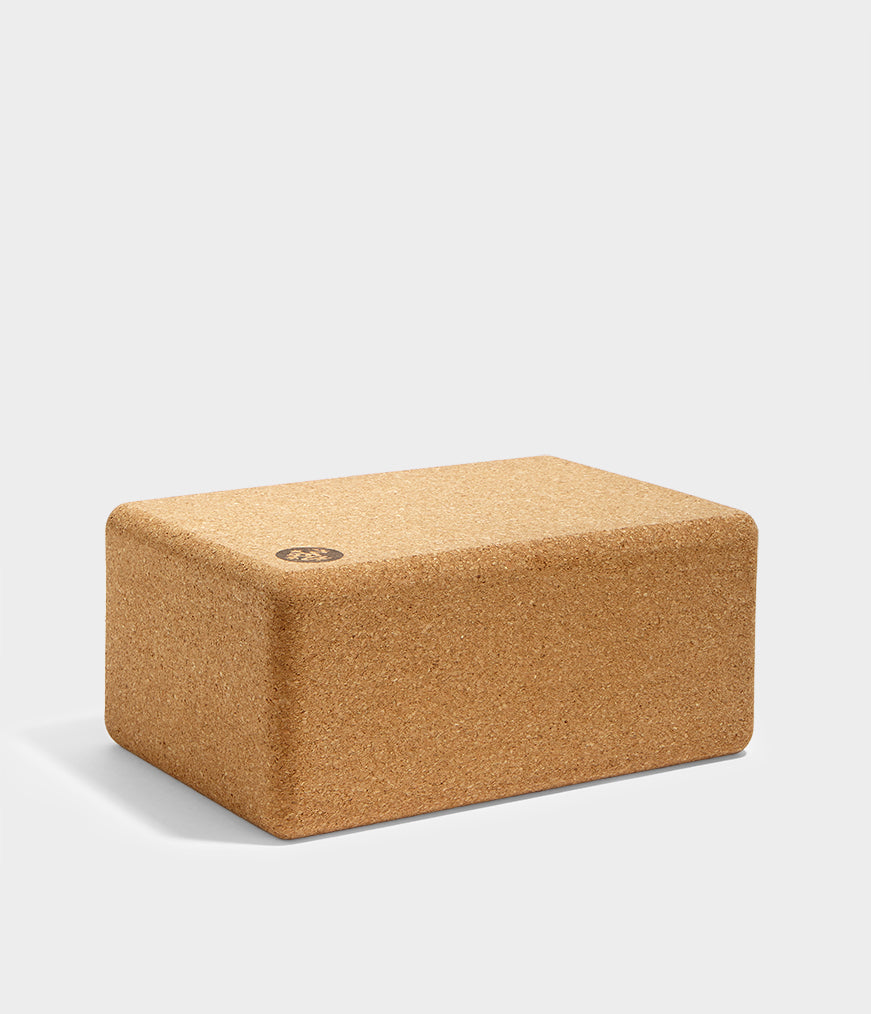
Dense Cork Construction
Cork is naturally firm and lightweight compared with many wood props, though it is heavier than foam. This gives the block a strong base without making it as rigid or cold as solid wood.
The dense structure also helps the block keep its shape. It is less likely to compress under your hand than a soft foam block. That matters when you use the block to support your full body weight.
Textured, Non-Slip Feel
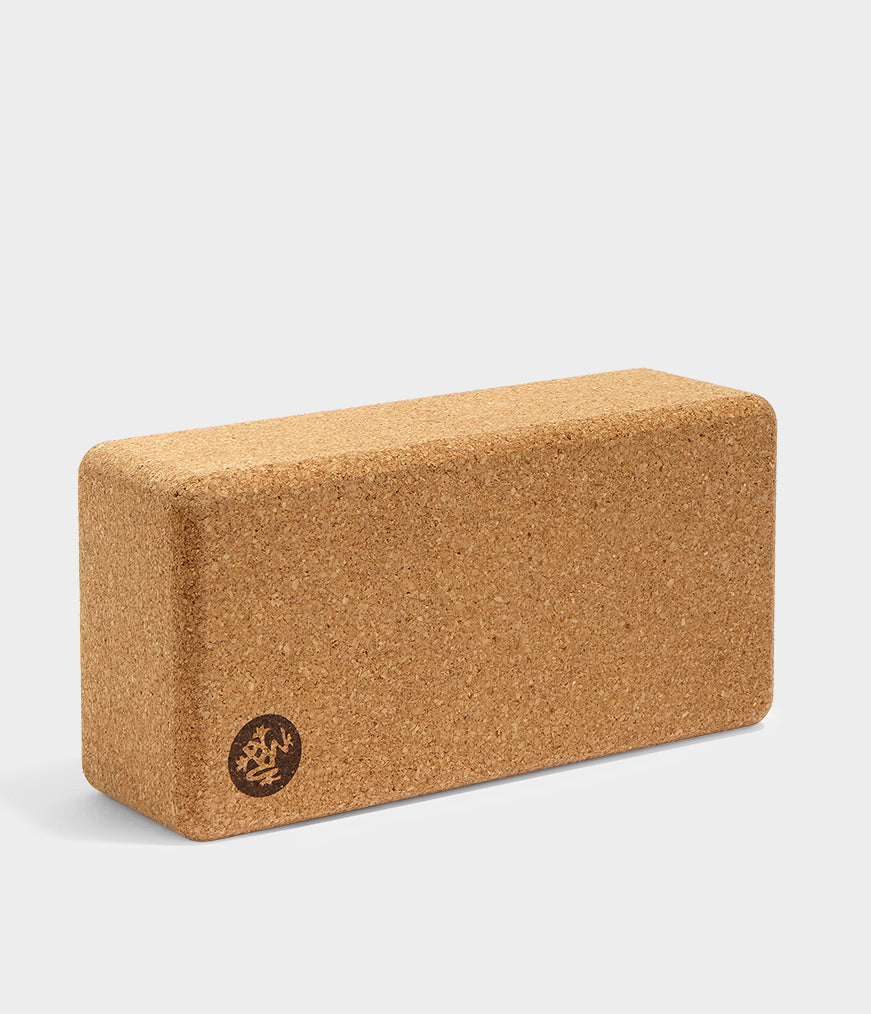
Cork has a natural grain. This texture can help your palms stay in place during sweaty sessions. It is not a guarantee against slipping, though. A wet block, wet hands, or a dusty floor can still reduce traction.
In my product assessments, grip is one of the first things I check because a yoga block should feel predictable. Cork usually performs best when it is clean and dry.
Stable Edges
A firm cork block can feel secure in poses that require careful weight transfer. The edges give your fingers and palm a clear surface to press against.
This is useful in poses where a soft block may wobble. Still, always place the block on its widest side when you need maximum stability.
Natural Material
Cork comes from the bark of cork oak trees. The bark can be harvested without cutting down the tree, which makes cork an appealing material for people who want more natural yoga products.
That does not mean every cork block has the same environmental impact. Manufacturing, packaging, shipping, adhesives, and product lifespan all matter. A durable block that lasts for years can reduce the need for replacement.
Benefits of Using a Manduka Cork Yoga Block
Is Manduka Cork Yoga Block Worth It? Its strongest case comes from how well it supports alignment, balance, and long-term use.
Better Support in Standing Poses
A block can shorten the distance between your hand and the floor. This helps you maintain a longer spine instead of rounding your back to reach the mat.
For example, in Triangle Pose, place the block outside or inside your front foot. Choose the height that lets your chest stay open and your back remain long. The goal is not to reach the floor at all costs.
More Confidence During Balance Work
In Half Moon Pose, a block can make the pose more accessible. It gives your lower hand a stable point of contact while you focus on opening your hips and lifting your top leg.
A cork block can feel especially helpful here because it does not compress much. That firm base may reduce small movements that make balance harder.
Useful Support for Seated Poses
A block can raise your hips in Easy Pose, Staff Pose, or a simple meditation seat. When your hips sit higher than your knees, your pelvis may tilt forward more easily.
Cork is firm, so it works well for short meditation sessions. For long sitting periods, you may prefer a cushion or folded blanket because cork can feel too hard.
Strong Support for Restorative Poses
You can use a cork block under the sacrum in Supported Bridge Pose. You can also place it beneath the upper back or hands in selected restorative positions.
Use care in these poses. The block should support you without causing pressure, numbness, or sharp pain. A softer prop is often better when the block touches sensitive areas.
Long-Term Durability
Cork usually holds up well under normal yoga use. It does not have the same soft surface as foam, so it is less likely to show dents from regular hand pressure.
Durability depends on care. Dropping the block on a hard floor, leaving it in moisture, or storing it in direct heat can shorten its life.
Limitations of the Manduka Cork Yoga Block
A balanced review should explain where the Manduka Cork Yoga Block may fall short. Is Manduka Cork Yoga Block Worth It? The answer can change if comfort, weight, or price matters most to you.
It Can Feel Hard
Cork is not plush. It may feel uncomfortable under your head, knees, spine, or sitting bones. This is especially true for people with sensitive joints or low body fat.
You can solve this by using a blanket or towel between your body and the block. For restorative yoga, a foam block may provide a kinder surface.
It Is Heavier Than Foam
The dense material gives cork its stability, but it also adds weight. This may not matter when the block stays beside your mat. It matters more if you carry your props to class, work, or travel.
If portability is your top concern, compare the block’s listed weight with lightweight foam models before buying.
It May Feel Cold at First
Cork can feel cool when you begin practice. It warms slightly with use, but it will not feel as soft or warm as foam.
This is a minor issue for many users. It can matter if you practice in a cool room or use the block for seated meditation.
It Needs Basic Moisture Care
Cork is more moisture-sensitive than closed-cell foam. Do not soak it or leave it in a damp bag after practice.
Wipe it with a slightly damp cloth, then let it dry fully in an open space. Avoid harsh cleaners, bleach, and long exposure to direct sunlight.
The Price May Be Higher
Manduka products often sit above basic yoga accessories in price. You are paying for material quality, design, brand support, and expected durability.
A cheaper foam block can still do the job for new students. The Manduka Cork Yoga Block offers better value when you use it often and want a firm, lasting prop.

Manduka Cork Yoga Block vs. Foam Yoga Block
Is Manduka Cork Yoga Block Worth It compared with foam? The right choice depends on whether you value firmness or comfort.
| Feature | Manduka Cork Block | Foam Block |
|---|---|---|
| Feel | Firm and solid | Soft and forgiving |
| Stability | Very stable | Can compress under weight |
| Comfort | Less comfortable on joints | More comfortable |
| Grip | Textured natural grip | Varies by foam type |
| Weight | Medium to heavy | Light |
| Care | Keep dry | Usually easier to clean |
| Best for | Support and balance | Comfort and portability |
| Lifespan | Often long with care | May dent or wear sooner |
Choose cork if you want a block that feels like a steady platform. Choose foam if you need cushioning, carry props often, or are new to yoga and want a gentler feel.
Many experienced students keep both types. Cork works for standing poses, while foam works for kneeling, reclining, and restorative practice.
Manduka Cork Yoga Block vs. Wood Block
Wood blocks are often harder and heavier than cork blocks. They can feel very stable, but they may also feel less comfortable and less forgiving.
Cork offers a useful middle ground. It is firm enough for balance work but has a slightly warmer, more textured feel than polished wood.
Wood may suit advanced practitioners who want maximum rigidity. Cork is usually more practical for general yoga because it provides support without feeling quite as severe.
Is Manduka Cork Yoga Block Worth It over a wood block? For most home users, cork is the more balanced option. It gives you stability, natural texture, and easier everyday handling.
How to Use the Manduka Cork Yoga Block Safely
A yoga block supports your practice, but it does not replace good alignment. Use the block to create space, not to force your body into a deeper pose.
Follow these basic steps:
-
Place the block on its widest and most stable side.
-
Test the surface with light pressure before shifting your full weight.
-
Keep the block close to your body in standing poses.
-
Use the lowest height that allows good alignment.
-
Move to a higher setting only when the lower setting no longer meets your needs.
-
Stop if you feel sharp pain, numbness, or joint pressure.
-
Check the block for cracks, loose pieces, or damage before practice.
One common mistake is using the tallest setting too soon. A high block can help, but it can also change your balance and place extra stress on your wrist or shoulder.

Best Yoga Poses for a Manduka Cork Block
Is Manduka Cork Yoga Block Worth It for your specific poses? It is especially useful in poses that require reach, balance, or hip support.
Triangle Pose
Place the block near the inside or outside of your front foot. Rest your lower hand on it while keeping your chest open.
Adjust the height until you can breathe comfortably without collapsing your side body.
Half Moon Pose
Use the block under your lower hand. This gives you more room to rotate your chest and lift the top leg.
Keep your fingers spread and press down through the block. Think of it as an extension of your arm.
Supported Bridge Pose
Place the block beneath your sacrum, not your lower back. Begin with the lowest height and make sure your neck feels relaxed.
This pose should feel supported. If the block causes pain or pressure, lower it or remove it.
Seated Forward Fold
Sit on the block to raise your hips. Bend your knees as needed and keep your spine long.
Do not pull yourself down with force. A block should make the pose more balanced, not more intense.
Downward-Facing Dog
Place your hands on blocks if tight hamstrings or limited shoulder mobility make the floor feel too far away. This can help lengthen your spine.
Make sure the blocks are stable and placed on the same height. Uneven blocks can affect your shoulders and hips.

How to Clean and Maintain a Manduka Cork Yoga Block
Good care can make your cork block last much longer. Cork needs simple cleaning, not aggressive treatment.
After practice, wipe the surface with a soft cloth. If needed, use a small amount of mild soap diluted in water. Do not saturate the block.
Let it air dry before placing it in a closed yoga bag. Store it in a cool, dry place away from heaters, cars, and strong sunlight.
Avoid:
• Soaking the block
• Using bleach or strong solvents
• Scrubbing with a rough brush
• Leaving sweat on the surface for days
• Storing it while damp
If the block develops a deep crack or becomes unstable, replace it. A damaged prop is not worth the risk during balance or weight-bearing poses.
What I Would Check Before Buying
Is Manduka Cork Yoga Block Worth It for you? Before ordering, consider how and where you practice.
Ask yourself these questions:
• Do I practice at least once or twice each week?
• Do I prefer firm support over soft cushioning?
• Will the block stay at home, or must I carry it often?
• Do I sweat heavily during practice?
• Do I need comfort under my knees or head?
• Can I justify a higher price for a durable prop?
If you practice regularly and want one dependable block, Manduka cork is a sensible choice. If you only need occasional support, a lower-cost foam block may offer better value.
When I evaluate yoga props, I focus on use rather than branding. A premium block is worth the money only when its material and design solve a real problem in your practice.
Who Should Buy the Manduka Cork Yoga Block?
Is Manduka Cork Yoga Block Worth It for beginners? Yes, beginners can use it, but they should learn how to place and load the block safely.
It is a strong match for:
• Intermediate and advanced yoga students
• Beginners who prefer firm props
• People working on balance poses
• Athletes who need stable stretching support
• Home practitioners building a durable yoga setup
• Users who value cork and other natural materials
The block may not be ideal for:
• People with sensitive knees or wrists
• Students who want a very soft prop
• Travelers who need the lightest possible gear
• People who practice only gentle restorative yoga
• Shoppers with a very limited budget
Is Manduka Cork Yoga Block Worth It for Hot Yoga?
Is Manduka Cork Yoga Block Worth It during hot yoga? It can be useful because cork has a textured surface that may provide a good hand feel during sweaty practice.
Still, cork is not automatically slip-proof. Sweat can collect on the block, and heavy moisture may affect the material over time. Wipe the block after class and let it dry completely.
For hot yoga, also consider a towel for your hands and mat. A dry contact surface is more important than the block material alone.
Is Manduka Cork Yoga Block Worth It for Beginners?
Is Manduka Cork Yoga Block Worth It for beginners? It can be, especially when a new student wants steady support and clear feedback.
A beginner may find cork reassuring in poses such as Triangle and Half Moon. The firm surface makes it easier to notice when the hand is pressing unevenly.
However, beginners should not assume a hard block is always better. If the block causes discomfort, switch to foam or add a folded blanket.
Is Manduka Cork Yoga Block Worth It for Meditation?
Is Manduka Cork Yoga Block Worth It for meditation? It can help raise your hips and improve your sitting position, but comfort depends on your body and session length.
For short meditation, a cork block may work well. For longer sessions, a cushion, bolster, or folded blanket usually gives better pressure relief.
Try sitting on the block for five to ten minutes before deciding. Your hips should feel supported, and your knees should not hang much higher than your hips.
Frequently Asked Questions About Is Manduka Cork Yoga Block Worth It?
Is the Manduka Cork Yoga Block good for beginners?
Yes, the block is suitable for beginners who want firm, stable support. New students should start with low block settings and learn proper placement before using it in balance poses.
Is cork better than foam for yoga blocks?
Cork is better for stability, durability, and weight-bearing poses. Foam is better for comfort, lightness, and support under sensitive joints.
Can you wash a Manduka cork yoga block?
Do not soak or fully wash the block. Wipe it with a slightly damp cloth and mild soap, then let it air dry completely.
Does a cork yoga block slip?
Cork can provide good traction, but it can still slip on a dusty floor or when covered with sweat. Keep both the block and your hands clean and dry for the best grip.
Is a cork yoga block comfortable?
Cork feels firm rather than soft. It is comfortable for support and balance, but foam or a cushion may feel better under your head, knees, back, or sitting bones.
How long does a Manduka cork yoga block last?
With normal use and proper storage, a cork block can last for many years. Its lifespan depends on moisture exposure, impact, cleaning habits, and how often you practice.
Conclusion
Is Manduka Cork Yoga Block Worth It? For regular yoga students who want firm support, strong grip, natural material, and long-term durability, it is a worthwhile investment.
Its main drawbacks are its firm feel, extra weight, moisture needs, and higher price than basic foam blocks. Choose it for standing poses, balance work, seated support, and daily practice. Choose foam instead if comfort and portability matter most.
Use the block as a tool for better alignment, not as a way to force deeper poses. Compare your practice needs, try the block at a comfortable height, and explore more yoga prop guides before making your purchase or sharing your experience in the comments.