Yes, the TriggerPoint GRID is worth it for durable, versatile muscle recovery at a fair mid-range price.
After reviewing its design, foam density, comfort, and real-world use, I find the TriggerPoint GRID Foam Roller a strong choice for most active adults. It is not the softest roller or the cheapest, but its ridged surface, firm feel, and sturdy build make it useful for warmups, recovery, and daily mobility. This guide explains who should buy it, who should skip it, and how to use it safely.
What Is the TriggerPoint GRID Foam Roller?
The TriggerPoint GRID is a molded foam roller designed for self-myofascial release. In simple terms, it lets you apply pressure to tight muscles with your body weight.
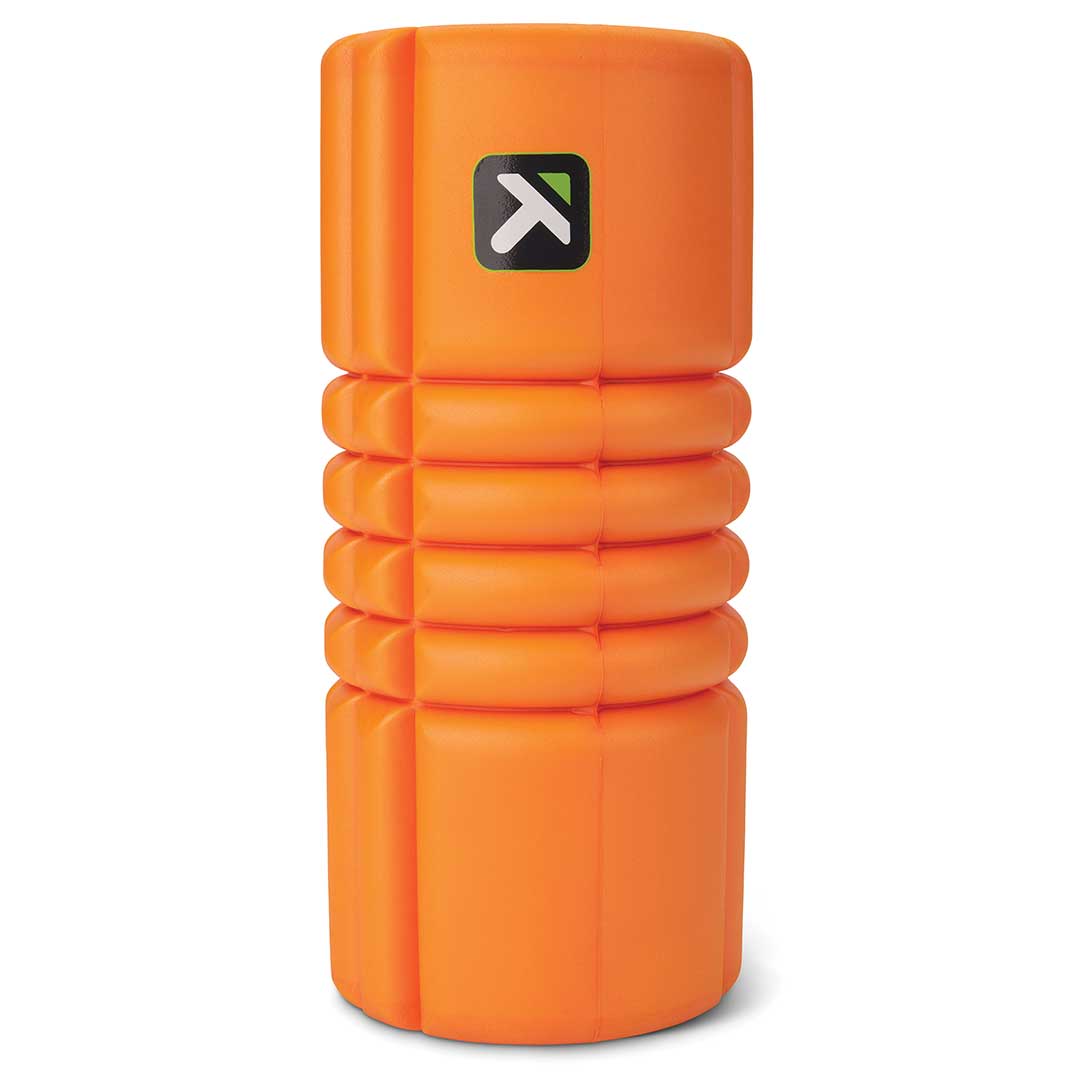
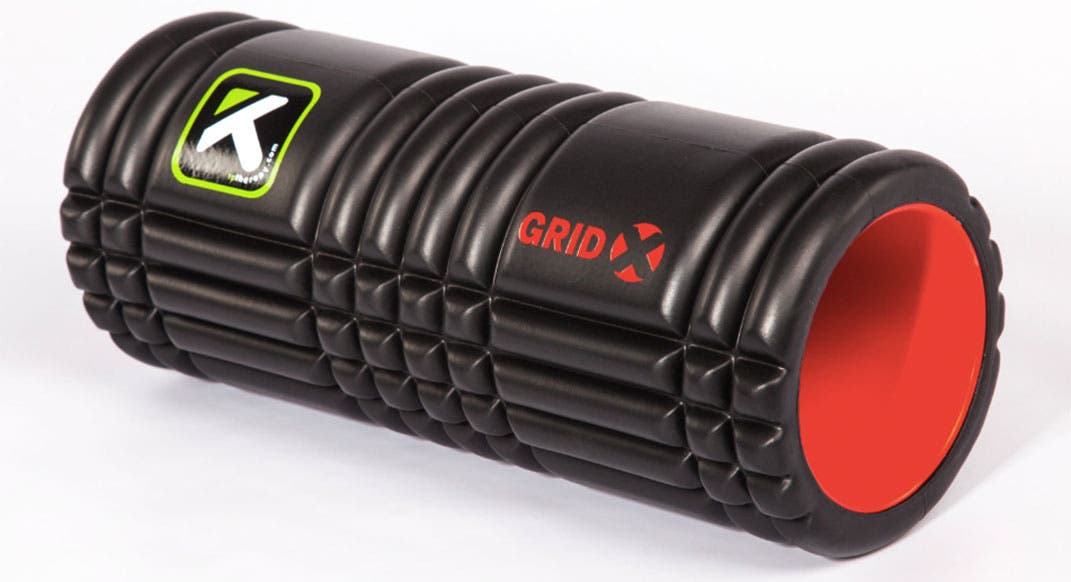
The roller uses a firm EVA foam surface around a hollow plastic core. Its outer pattern has three main zones:
• Flat areas for gentle pressure
• Large ridges for broad muscle work
• Small ridges for more focused pressure
The standard GRID model is about 13 inches long and 5.5 inches wide. That size is large enough for the back, thighs, calves, and hips, yet small enough to store at home or carry to the gym.
TriggerPoint also states that the hollow core improves strength and durability. The exact weight limit may vary by model and product version, so check the current product label before buying.
Is TriggerPoint GRID Foam Roller Worth It for Most People?
For most people, yes. Is TriggerPoint GRID Foam Roller Worth It? The answer depends on your goals, pain tolerance, and budget, but the roller offers a useful mix of firmness, control, and durability.
It works well for:
• Runners with tight calves or thighs
• Lifters with stiff hips and upper backs
• Desk workers with limited mobility
• Athletes who need a firm recovery tool
• Beginners who want one roller for many body areas
The GRID is more versatile than a smooth, soft roller. Its varied surface gives you more ways to adjust pressure. You can roll over a flat section for mild work or shift onto a ridge for deeper pressure.
Still, it is not a cure for injuries. Foam rolling may help short-term flexibility and reduce the feeling of muscle tightness, but it does not repair a torn muscle, fix poor movement mechanics, or replace physical therapy.

How the TriggerPoint GRID Works
Foam rolling places pressure on soft tissue. That pressure may affect your nervous system, blood flow, and sense of muscle stiffness. The result is often a short-term increase in range of motion.
The word “release” can be misleading. The roller does not physically melt knots or separate scar tissue like butter. Instead, it may help your nervous system tolerate movement and pressure more easily.
A 2015 review in the Journal of Athletic Training found that foam rolling can improve short-term range of motion without a clear drop in strength. Later reviews reached similar broad findings, while also noting that study methods vary.
The practical lesson is simple: use the roller to feel and move better, not to force a painful “deep release.”
TriggerPoint GRID Foam Roller Benefits
The main advantage of the GRID is its balance. It feels firm, but its textured surface gives you some control over how strong the pressure feels.
1. It supports short-term mobility
Rolling the quadriceps, calves, or upper back may help you move through a larger range for a short time. This can be useful before squats, running, cycling, or stretching.
Try rolling a muscle for 30 to 60 seconds. Then perform the movement you want to improve. For example, roll your calves before ankle mobility work.
2. It has several pressure zones
A smooth roller gives you one general feel. The GRID gives you more options. Move your body slightly to change the contact point and pressure.
This feature helps when one muscle feels sensitive but another needs firmer work. It also makes the roller more useful as your experience grows.
3. It is easy to clean
The closed-cell foam surface does not absorb sweat like fabric. You can wipe it with a damp cloth and mild soap. Avoid harsh chemicals that may damage the foam.
4. It is built for regular use
The hard inner core helps the roller keep its shape. Many soft rollers flatten or become uneven over time. The GRID is made for repeated home, gym, and travel use.
5. It can support warmups and recovery
You can use the GRID before exercise to prepare stiff areas. You can also use it after training to relax and restore comfortable movement.
Foam rolling should be one part of a recovery plan. Sleep, water, food, active movement, and proper training still matter more.

TriggerPoint GRID Foam Roller Drawbacks
A good product can still have limits. Is TriggerPoint GRID Foam Roller Worth It? It may not be worth it if you need a very soft roller, have severe pain, or want a full-length model.
Here are the main drawbacks:
• It may feel too firm for beginners
• The ridges can feel sharp on sensitive areas
• The short length can make balance harder for some users
• It may cost more than basic smooth rollers
• It cannot replace medical care or guided treatment
The GRID may also feel awkward on the lower back. Many people press too hard and arch their spine while rolling there. I prefer using it on the upper back and placing a tennis ball or softer tool near the lower back only when appropriate.
People with osteoporosis, blood clot concerns, open wounds, recent surgery, numbness, or unexplained pain should ask a health professional before foam rolling. Avoid rolling directly over joints, bones, the front of the neck, or areas with swelling.

Is TriggerPoint GRID Foam Roller Worth It for Beginners?
Is TriggerPoint GRID Foam Roller Worth It? For beginners, the answer is usually yes, but start slowly. The standard GRID is firm, so it may feel intense if you have never used a foam roller.
Use these beginner tips:
- Place the roller under a large muscle, such as the thighs or upper back.
- Support some of your weight with your hands or the opposite leg.
- Roll slowly over a small area.
- Stop on tender spots for 10 to 20 seconds.
- Keep the pressure uncomfortable but not sharp or alarming.
- Limit each muscle to about 30 to 60 seconds at first.
Do not treat pain as proof that the roller is working. A strong, steady sensation can be normal. Sharp pain, tingling, numbness, bruising, or worsening symptoms means you should stop.

How to Use the TriggerPoint GRID Correctly
Good technique matters more than pressing as hard as possible. Think of the roller as a dimmer switch, not an on-and-off button.
For the quadriceps
Lie face down with the roller under your upper thighs. Support your body with your forearms and slowly move from above the knees toward the hips.
Do not roll directly over the kneecap. Keep your stomach gently engaged so your lower back does not sag.
For the hamstrings
Sit with one or both legs over the roller. Roll from the lower glute area to just above the knee.
Turn your toes slightly inward or outward to change the contact point. Use your hands to reduce pressure when needed.
For the calves
Sit on the floor with the roller under one calf. Lift your hips slightly and move from the Achilles area toward the upper calf.
Avoid rolling directly over the Achilles tendon or the back of the knee. Rotate the leg slowly to reach different parts of the calf.
For the upper back
Lie with the roller across your upper back. Support your head with your hands and keep your ribs controlled.
Move from the middle of the back toward the shoulder blades. Do not roll over the neck or lower spine.
For the glutes
Sit on the roller and lean slightly toward one side. Keep one foot on the floor and cross the other ankle over the opposite knee if comfortable.
Use small movements instead of long, aggressive passes. The glute area can be sensitive, especially after heavy training.

A Simple TriggerPoint GRID Routine
A short routine is easier to maintain than a long session. You do not need to spend 30 minutes rolling every muscle.
Try this 8-minute plan:
• Upper back: 60 seconds
• Glutes: 60 seconds per side
• Quadriceps: 60 seconds per side
• Hamstrings: 45 seconds per side
• Calves: 45 seconds per side
After rolling, perform gentle active movements. Try bodyweight squats, walking lunges, ankle circles, or shoulder movements.
In my practical testing approach, one common mistake is staying on the most painful spot for too long. A better method is to roll nearby tissue first, reduce pressure, and return to the sensitive area only if it feels calmer.
TriggerPoint GRID vs. Other Foam Rollers
Is TriggerPoint GRID Foam Roller Worth It compared with a cheaper smooth roller? Often, yes, if you value firmness and surface variety. A basic roller may be enough for gentle use, while the GRID offers more control and a stronger feel.
GRID vs. smooth foam roller
A smooth roller is usually cheaper and more comfortable for new users. It is a good choice for light recovery and general movement.
The GRID offers more texture and tends to last longer. It suits people who want a firmer massage sensation.
GRID vs. soft foam roller
A soft roller is better for sensitive muscles, older adults, or people who dislike intense pressure. It may also be helpful after a hard workout when your muscles feel tender.
The GRID is better when you want stronger pressure and a more stable surface.
GRID vs. massage ball
A massage ball allows more precise pressure around the feet, shoulders, hips, and glutes. However, it can feel too intense and targets a much smaller area.
The GRID covers large muscle groups faster. Many people benefit from owning both tools.
GRID vs. vibrating foam roller
A vibrating roller may add comfort or stimulation, but it costs more and needs charging. The standard GRID is simpler, quieter, and easier to maintain.
For most home users, the basic GRID offers better value unless vibration is a major priority.
Is TriggerPoint GRID Foam Roller Worth It for Athletes?
For athletes, Is TriggerPoint GRID Foam Roller Worth It? It can be, especially when used as part of a wider plan. Runners often use it for calves, hamstrings, and thighs. Lifters may use it for the upper back, hips, and quadriceps.
The key benefit is convenience. A five-minute session can fit before training, after a shower, or while watching TV.
However, foam rolling should not hide a repeated training problem. If your knee hurts every time you run, rolling your thigh may offer temporary comfort without solving the cause. Reduce the aggravating activity and seek an evaluation if the problem continues.
How Much Should You Pay?
The TriggerPoint GRID usually sits above entry-level foam rollers but below premium vibrating models. Prices change by retailer, size, color, and special edition, so compare the current price rather than relying on an old deal.
It is a better value when:
• You plan to use it several times each week
• You want a durable roller for many years
• You prefer firm pressure
• You need one tool for several muscle groups
• You want a known brand with clear product support
It may not be the best value when you only need gentle pressure or are unsure whether foam rolling fits your routine. In that case, a basic smooth roller can help you test the habit for less money.
Who Should Buy the TriggerPoint GRID?
Is TriggerPoint GRID Foam Roller Worth It for you? Buy it if you want a firm, durable, multipurpose roller and do not mind a textured surface.
It is a strong match for:
• Active adults
• Runners and cyclists
• Strength trainees
• Desk workers with upper-back stiffness
• People who prefer firm self-massage
• Users who want a long-lasting home tool
Choose another option if you want a very soft surface, need a longer roller for balance, or dislike strong pressure. A smooth or soft roller may help you build confidence first.
Frequently Asked Questions About Is TriggerPoint GRID Foam Roller Worth It?
Is the TriggerPoint GRID good for back pain?
The GRID may help with temporary muscle tightness in the upper back, but it is not a treatment for every type of back pain. Do not roll directly over the lower spine, and seek medical advice for severe, persistent, or radiating pain.
Can you use the TriggerPoint GRID every day?
Many healthy adults can use it daily for short sessions if the pressure stays comfortable. Avoid daily aggressive rolling over bruised, swollen, or very sore tissue.
Is the TriggerPoint GRID too hard for beginners?
It can feel firm for new users, especially on the calves and outer thighs. Beginners can reduce pressure by supporting more body weight with their hands or using a softer roller first.
Does foam rolling break up scar tissue?
There is not strong evidence that a foam roller physically breaks up scar tissue. It may improve comfort and movement around a stiff area, but post-surgery scar care should follow a clinician’s instructions.
Should you foam roll before or after a workout?
You can use it before exercise for short-term mobility and after exercise for comfort. Keep pre-workout rolling brief, then perform a warmup that includes the actual movements in your workout.
How long should you use the TriggerPoint GRID?
Start with 30 to 60 seconds per muscle group. Longer sessions are not always better, and excessive pressure can leave tissue irritated.
Conclusion
Is TriggerPoint GRID Foam Roller Worth It? For most active adults, it is a worthwhile buy because it combines firm support, varied pressure zones, easy care, and strong durability. It works best for short mobility sessions and recovery, not as a cure for injury or a replacement for professional treatment.
Start with light pressure, avoid bones and painful areas, and use the roller alongside sleep, movement, and smart training. If the GRID fits your comfort level and budget, add it to your routine and judge the results by how you move and feel over time. Share your experience or explore more recovery guides to build a routine that works for you.