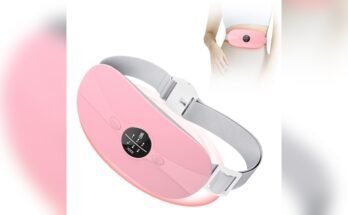
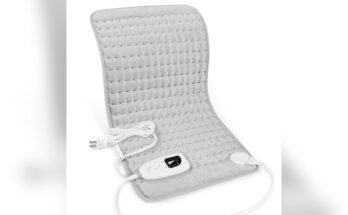
Many people reach for a heating pad when their stomach hurts, but is it safe and effective? This simple remedy has been used for generations to ease discomfort. Whether you have cramps, indigestion, or just feel bloated, you might wonder if putting heat on your stomach really helps.
Let’s explore what happens when you use a heating pad on your stomach, when it’s beneficial, when it can be risky, and how to use it correctly. You’ll get clear, honest answers—plus some important tips that most people miss.
How Heating Pads Work
A heating pad gives off heat, usually through electricity, hot water, or a chemical reaction. This heat penetrates the skin and reaches the tissues underneath. When you apply heat to a specific area, blood vessels widen, which improves blood circulation. Better blood flow brings more oxygen and nutrients to the area, which helps muscles relax and eases pain.
Most heating pads have temperature controls, and some even shut off automatically for safety. They come in various shapes and sizes, including electric, microwaveable, and disposable options. People often use them for sore backs, necks, and sometimes joints. But using a heating pad on the stomach raises different questions, because the stomach area is delicate and contains many important organs.
Common Reasons For Using Heating Pads On The Stomach
People use heating pads on their stomachs for several reasons:
- Menstrual cramps: Heat is a well-known remedy for easing period pain.
- Digestive discomfort: This includes bloating, gas, or mild stomach aches.
- Muscle tension: Some people experience abdominal muscle strain after exercise or physical activity.
- Irritable bowel syndrome (IBS): People with IBS sometimes use heat to reduce cramping and pain.
- Post-surgery pain: After certain surgeries, doctors may recommend heat to help with healing (but not always).
It’s important to know when heat can help—and when it might make things worse.
The Science Behind Heat Therapy For Stomach Pain
Applying heat to the body for pain relief is known as thermotherapy. Studies show that heat can block pain signals, relax tight muscles, and reduce discomfort. For example, one research review found that women who used heat for menstrual cramps felt better than those who used painkillers alone.
Heat is especially useful when pain comes from muscle cramps or spasms. The warmth helps muscles loosen, which reduces pain. It also increases blood flow, which can speed up healing after minor injuries.
For abdominal pain, the effect depends on the cause. If muscles are tight or cramping, heat can soothe them. If the pain comes from inflammation or infection, heat might not help and could even worsen the problem.
Example: Menstrual Cramps
In one study, women who applied a heating pad at 39°C (about 102°F) to their lower abdomen for several hours felt as much relief as those who took ibuprofen. This shows that heat can be as effective as some pain medicines, without the side effects.
Example: Digestive Discomfort
Heat may help relax the muscles of the gut, which can ease cramping and bloating. However, it won’t fix the root cause of digestive problems.
When Is It Safe To Use A Heating Pad On Your Stomach?
Heat therapy is usually safe for healthy adults when used correctly. Here’s when it’s generally considered safe:
- Mild muscle cramps: For example, period pain or muscle soreness after a workout.
- Mild digestive discomfort: Such as bloating or gas that isn’t severe.
- IBS symptoms: If you know your pain comes from muscle spasms, not a serious illness.
- Stress-related stomach aches: When tension or anxiety makes your belly feel tight.
In these cases, using a heating pad can bring fast, gentle relief. Always use the lowest effective temperature and limit each session to about 15–20 minutes.
:max_bytes(150000):strip_icc()/455448085-56a508d23df78cf7728606da.jpg)
When You Should Not Use A Heating Pad On The Stomach
Heat is not always the answer. Sometimes, it can do more harm than good. Avoid using a heating pad on your stomach in these situations:
- Suspected appendicitis: Sudden, sharp pain on the lower right side could mean appendicitis. Heat may make it worse.
- Unexplained, severe pain: If you don’t know why your stomach hurts, see a doctor first.
- Fever or infection: Heat can increase the spread of infection or make inflammation worse.
- Recent injury or surgery: If you have swelling or a wound, heat may slow healing.
- Pregnancy (unless advised by a doctor): The abdominal area is sensitive during pregnancy.
- Skin conditions: Open wounds, rashes, or sensitive skin can be damaged by heat.
If you’re unsure, always ask your doctor. Heat is not a cure for serious medical problems. In fact, using heat in the wrong situation can hide symptoms and delay treatment.
How To Use A Heating Pad On The Stomach Safely
If you decide to use a heating pad, follow these steps to avoid burns or other problems.
- Choose the right heating pad: Use a pad that has adjustable temperature controls and automatic shutoff if possible.
- Set to low or medium: Never use the highest setting. Start with the lowest and increase only if needed.
- Place a cloth between the pad and your skin: This prevents burns and irritation.
- Limit each session to 15–20 minutes: Longer use increases the risk of burns, especially if you fall asleep.
- Check your skin: After removing the pad, look for redness or blisters.
- Don’t use on broken or numb skin: If you can’t feel heat normally, you could get burned without realizing it.
- Stay awake: Never sleep with a heating pad on your stomach.
Here’s a simple comparison of safe versus unsafe use:
| Safe Practice | Risky Practice |
|---|---|
| 15–20 minutes per session | More than 30 minutes per session |
| Low or medium heat | High heat |
| Cloth between pad and skin | Pad directly on bare skin |
| Stay awake | Falling asleep with pad on |
Following these steps reduces the risk of burns and other injuries.
Types Of Heating Pads For Stomach Use
There are different kinds of heating pads. Each has its pros and cons:
Electric Heating Pads
- Plug into a wall outlet
- Offer steady, adjustable heat
- Some have auto-shutoff features
- Not portable—must be near a power source
Microwaveable Pads
- Filled with rice, gel, or beans
- Heated in a microwave
- Portable and flexible
- Heat lasts 20–30 minutes
Chemical Heat Packs
- Use chemical reactions for heat
- Single-use, portable
- Heat can be hard to control
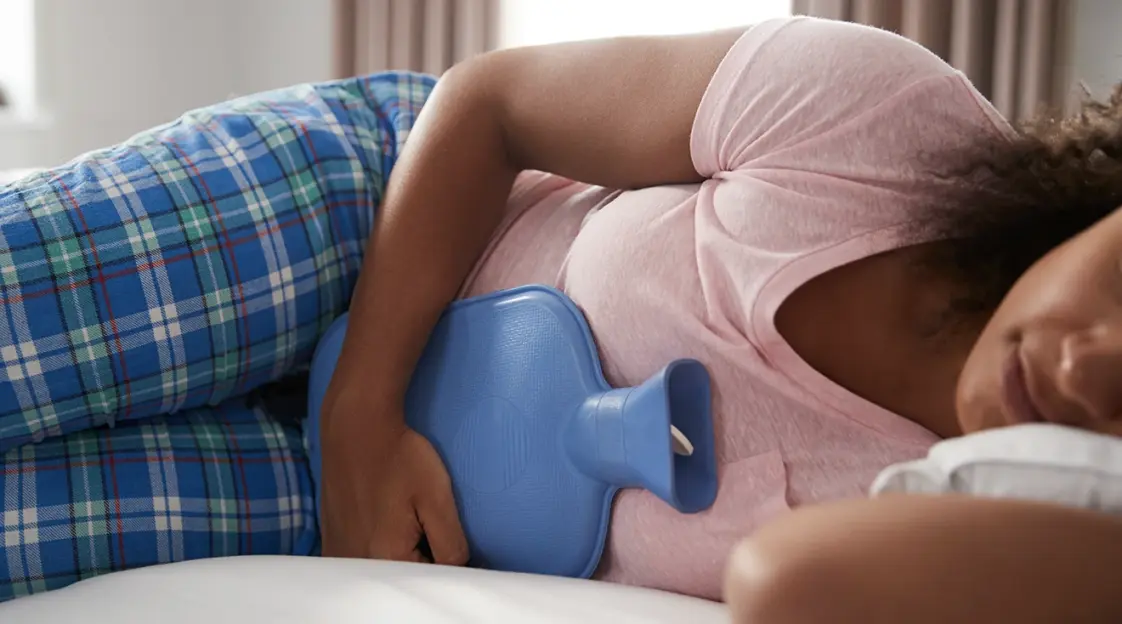
Hot Water Bottles
- Filled with hot water
- Cheap, reusable
- Heat may not be even
Here’s a quick comparison:
| Type | Heat Duration | Portability | Adjustable Temperature |
|---|---|---|---|
| Electric | Up to 60 min | No | Yes |
| Microwaveable | 20–30 min | Yes | No |
| Chemical | 30–60 min | Yes | No |
| Hot Water Bottle | 20–40 min | Yes | No |
Choose the type that best fits your needs and lifestyle.
Benefits Of Using Heating Pads On The Stomach
Many people find relief from using a heating pad. Some benefits include:
- Eases muscle cramps: The warmth relaxes tight abdominal muscles.
- Reduces menstrual pain: Heat can block pain signals and reduce cramps.
- Soothes mild digestive problems: Helps with bloating and mild discomfort.
- Promotes relaxation: The comforting warmth can reduce stress and anxiety.
- Improves sleep: Some people sleep better after using a heating pad.
These benefits are most noticeable when pain is mild to moderate.
Risks And Side Effects
While heating pads are helpful, they also have risks if not used carefully:
- Burns: The most common problem, especially in people with poor sensation (like those with diabetes).
- Skin irritation: Prolonged use can cause redness or rashes.
- Worsening of some conditions: Heat can make infections or inflammation worse.
- Hidden injuries: If you cover up serious pain with heat, you might delay needed treatment.
Older adults and children are at higher risk of burns. Always supervise children and never let them use a heating pad unsupervised.
Special Considerations: Pregnancy And Medical Conditions
Pregnancy
Pregnancy can make the abdominal area more sensitive. Most doctors recommend avoiding direct heat on the belly during pregnancy, especially in the first trimester. Too much heat can affect the development of the baby. If you’re pregnant, talk to your doctor before using a heating pad.
If heat is allowed, use it on a low setting for short periods and never directly on the skin.
Chronic Illness
People with diabetes, nerve damage, or circulatory problems should be extra careful. These conditions can reduce your ability to feel temperature, so you might not notice if you’re getting burned. It’s often safer to use warm towels or a hot water bottle with a cover instead of an electric pad.
Children And Elderly
Children’s skin is thinner and burns more easily. Older adults may have reduced sensation. Both groups should use heating pads only under supervision and never at high temperatures.
Alternatives To Heating Pads For Stomach Pain
If you can’t use a heating pad, or want to try something different, there are other ways to ease stomach pain:
- Warm compress: Use a towel soaked in warm (not hot) water.
- Warm bath: Soaking in a bath can relax the whole body.
- Gentle massage: Lightly rubbing the stomach may help with cramps or gas.
- Herbal tea: Peppermint or ginger tea can soothe digestion.
- Exercise: Gentle movement, like walking, can help with bloating or gas.
Each method has its own benefits and risks. Always choose what feels safe and comfortable for you.
Real-world Example: Using A Heating Pad For Menstrual Pain
Sonia, a 28-year-old office worker, often gets severe cramps during her period. She tried painkillers, but they upset her stomach. Her doctor suggested a heating pad. Sonia used a microwaveable pad, wrapped in a towel, for 20 minutes at a time.
She felt relief within 10 minutes, and the cramps were less intense for hours afterward. She learned to never use the pad for more than 20 minutes, and she always checked her skin for redness.
This real-world example shows that heat can work well for some types of abdominal pain, but you have to use it safely.
Non-obvious Insights People Often Miss
- Heat can mask serious problems: Some people use a heating pad to cover up strong pain, hoping it will go away. But if your pain is caused by something serious—like appendicitis, gallstones, or a stomach ulcer—heat won’t cure it. It might even delay the right treatment. Always see a doctor if your pain is sharp, severe, or lasts longer than a few hours.
- Timing matters: Heat works best for cramps and muscle-related pain—not for pain with swelling or infection. Using heat in the first 24–48 hours after an injury or surgery can slow healing.
- Everyone’s skin is different: What feels warm to one person can burn another. Always start with low heat, and check your skin often.
- Heat plus gentle movement: For mild bloating or gas, using a heating pad and doing gentle stretching or walking often works better than heat alone.
Evidence And Research
Research supports the use of heat for specific kinds of abdominal pain. For example, a study published in the journal “Evidence-Based Nursing” found that heat wraps at 40°C gave similar relief to ibuprofen for period cramps. Another review by the National Institutes of Health (NIH) notes that heat is safe for most mild muscle pains but warns against its use for undiagnosed abdominal pain.
If you want to read more about the science, check the NIH resource on heat therapy.
How To Choose The Right Heating Pad
Not all heating pads are created equal. Here are tips for choosing the best one:
- Size: Choose a pad that covers the area you need, but isn’t too large.
- Temperature control: Adjustable settings are safer.
- Safety features: Auto shutoff and timers prevent burns.
- Material: Soft, washable covers are best for comfort and hygiene.
- Portability: If you need relief at work or travel, choose a microwaveable or chemical pad.
Here’s a quick breakdown:
| Feature | Why It Matters |
|---|---|
| Auto shutoff | Prevents overheating and burns |
| Washable cover | Keeps pad clean and safe for skin |
| Flexible design | Better fit for stomach contours |
| Portability | Helps with relief on the go |
Don’t buy the cheapest pad—choose one that fits your needs and has safety features.
Common Mistakes People Make
- Using heat for the wrong type of pain: For example, sharp or severe pain should be checked by a doctor, not treated with heat.
- Applying heat for too long: This raises the risk of burns and skin damage.
- Falling asleep with the pad on: This is a major cause of burns, especially in children and older adults.
- Not using a barrier: Always put a towel or cloth between your skin and the pad.
- Ignoring warning signs: If your pain gets worse, or you develop redness, blisters, or fever, stop using heat and see a doctor.

When To See A Doctor
If you experience any of these symptoms, do not use a heating pad and seek medical care:
- Severe or sudden pain
- Pain with fever, vomiting, or diarrhea
- Blood in stool or vomit
- Pain after an injury or surgery
- Pain that lasts more than 24–48 hours
Heat is a tool for mild, known causes—not for diagnosing or treating serious illnesses.
Frequently Asked Questions
Can Heating Pads Help With Period Pain?
Yes, heating pads are very effective for easing menstrual cramps. The heat relaxes the muscles of the uterus, which reduces pain. Studies show that heat works as well as some pain medicines for period pain.
Is It Safe To Use A Heating Pad On The Stomach During Pregnancy?
It’s best to avoid direct heat on the belly during pregnancy, especially in the first trimester. If your doctor approves, use a low setting and limit sessions to 10–15 minutes. Always put a towel between the pad and your skin.
Can Heating Pads Cause Burns?
Yes, especially if you use high heat, leave it on too long, or fall asleep with it. Always check your skin for redness and never use a heating pad on numb or damaged skin.
Are There Natural Alternatives To Heating Pads For Stomach Pain?
Yes. Warm compresses, hot water bottles, warm baths, gentle massage, and herbal teas like peppermint or ginger can also help with mild stomach pain.
When Should I Avoid Using A Heating Pad On My Stomach?
Do not use heat if you have severe, sharp, or unexplained pain, a fever, possible infection, after recent surgery or injury, or during pregnancy without a doctor’s advice. If you have chronic health problems, talk to your doctor before using heat.
Using a heating pad on your stomach can bring real comfort, but only if you use it wisely. It’s a simple tool, yet it requires careful attention to safety, timing, and your own health needs. Always listen to your body, watch for warning signs, and talk to a doctor if you’re unsure.
With the right approach, you can enjoy the soothing warmth and gentle relief that a heating pad provides.