Many women experience aches and pains during pregnancy. Back pain, sore muscles, and cramps are common as the body changes to support a growing baby. For years, people have used heating pads to help with pain. But when you are pregnant, it is normal to wonder, “Can heating pads be used during pregnancy?” Women want to feel better, but they also want to be sure their choices are safe for their baby.
This article dives deep into the facts about heating pads and pregnancy. You will learn how heating pads work, when they are safe, possible risks, and the best ways to use them. You will also discover helpful tips, alternatives, and answers to common questions.
If you are pregnant and considering a heating pad, this guide will help you make smart, confident decisions.
Understanding Heating Pads
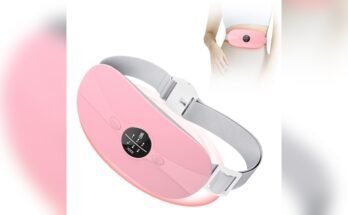
Heating pads are popular for easing muscle pain and tension. They come in a few types:
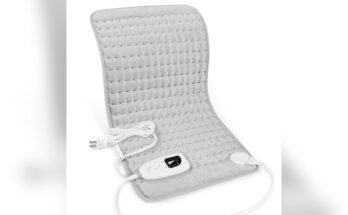
- Electric heating pads – Plug into the wall and offer steady, adjustable heat.
- Microwaveable pads – Filled with rice, beans, or gel, warmed up in a microwave.
- Chemical heat packs – Disposable packs that heat up after you shake or squeeze them.
When placed on the skin, heating pads increase blood flow to the area. This helps relax tight muscles, reduce stiffness, and lessen pain. Many people use heating pads for backaches, menstrual cramps, or sore joints.
How Do Heating Pads Work?
Heat therapy, or thermotherapy, works by raising the temperature of the skin and underlying tissues. This causes blood vessels to expand, which lets more oxygen and nutrients reach the sore area. It also helps remove waste products that build up in tense muscles.
Heating pads can make pain feel better in minutes. They are simple, reusable, and easy to use at home. But like any home remedy, they have limits, especially for pregnant women.
Common Pregnancy Pains And Why They Happen
Pregnancy affects almost every part of the body. As the baby grows, it puts pressure on muscles, joints, and nerves. Hormones also relax ligaments, making the body more flexible for birth—but also more prone to aches.
Back pain is the most common complaint, especially in the lower back. This pain usually starts around the second trimester and can last until birth. Other common problems include:
- Round ligament pain: Sharp pain in the lower belly, common in the second trimester.
- Leg cramps: Often happen at night, especially in the third trimester.
- Hip and pelvic pain: Due to loosening joints and shifting posture.
- Muscle tension: In the shoulders, neck, or upper back from changes in weight and balance.
These pains are usually normal. Still, many women look for ways to feel better without using strong medicines.

Is It Safe To Use Heating Pads During Pregnancy?
The short answer is: yes, with care. Most experts agree that local heat (applied to one small area) is safe for pregnant women. This means using a heating pad for a sore back or hip is usually fine if you follow some simple rules.
What Do Doctors Say?
The American College of Obstetricians and Gynecologists (ACOG) says that heat therapy is safe during pregnancy when used on small areas for short periods. The key is to avoid raising your whole body temperature too much.
High body temperature, especially in the first trimester, is linked to a higher risk of birth defects. But using a heating pad on your back or leg does not usually affect your core temperature. Problems are more likely if you use hot tubs, saunas, or take very hot baths.
Safe Ways To Use A Heating Pad
If you want to try a heating pad while pregnant, keep these tips in mind:
- Use the lowest heat setting that feels comfortable.
- Limit use to 15–20 minutes at a time.
- Place a cloth between the heating pad and your skin to prevent burns.
- Never sleep with a heating pad on your body.
- Do not place a heating pad directly on your belly (especially in the first trimester).
These simple steps help you get the benefits of heat without risking your health or your baby’s.
Possible Risks Of Heating Pads During Pregnancy
While heating pads are generally safe, there are some risks if you use them the wrong way.
Overheating
The main concern is overheating. If your whole body temperature rises above 101°F (38.3°C), it can harm your baby, especially in the early weeks. This is called hyperthermia and is a known risk for birth defects. Heating pads, when used correctly, do not usually cause this problem.
Burns And Skin Injury
Pregnant women can be more sensitive to heat. As your belly grows, your skin stretches and can become more delicate. Using a heating pad for too long or at a high setting can cause burns, redness, or blisters. Always check your skin every few minutes.
Allergic Reactions
Some chemical heat packs use gels or substances that can cause skin reactions. If you notice a rash, itching, or swelling, stop using the pad and talk to your doctor.
Nerve Damage
Rarely, using heat for too long in one spot can numb nerves or slow healing. This is most likely if you have diabetes or nerve problems already.
Comparing Heating Pads With Other Heat Sources
It helps to see how heating pads compare to other heat therapies during pregnancy. Here’s a quick look:
| Heat Source | Safety During Pregnancy | Risk Level | Best Use |
|---|---|---|---|
| Heating Pad (local) | Safe if used briefly on small areas | Low | Back, hips, legs |
| Hot Water Bottle | Safe if warm, not hot | Low | Muscle aches, cramps |
| Hot Bath | Use caution; not too hot | Medium | General relaxation |
| Sauna/Hot Tub | Not recommended | High | Should be avoided |
| Warm Compress | Safe for short use | Low | Small muscle groups |
The table shows that local heating pads and warm compresses are the safest options. Hot tubs and saunas should always be avoided in pregnancy.
Best Practices For Using Heating Pads While Pregnant
To get the most benefit and lowest risk, follow these practical steps:
1. Choose The Right Heating Pad
- Electric heating pads with adjustable settings are best. Look for automatic shut-off features.
- Microwavable pads (filled with rice or beans) are also safe—make sure they are not too hot.
- Avoid chemical packs unless you know you are not allergic.
2. Test The Temperature
Always check the heat level with your hand before placing it on your body. The pad should feel warm, not hot.
3. Limit The Time
Stick to sessions of 15–20 minutes. Wait at least an hour before using the pad again on the same spot.
4. Protect Your Skin
Put a towel or layer of clothing between your skin and the pad. Do not use on broken or sensitive skin.
5. Watch For Signs Of Overheating
Stop right away if you feel sweaty, lightheaded, or if your skin turns red or painful.
6. Avoid The Abdomen
Never put a heating pad directly on your belly, especially in the first trimester. Use on your back, hips, or legs instead.
7. Ask Your Doctor
If you have a high-risk pregnancy or medical conditions, always check with your healthcare provider first.
Real-world Examples: How Pregnant Women Use Heating Pads
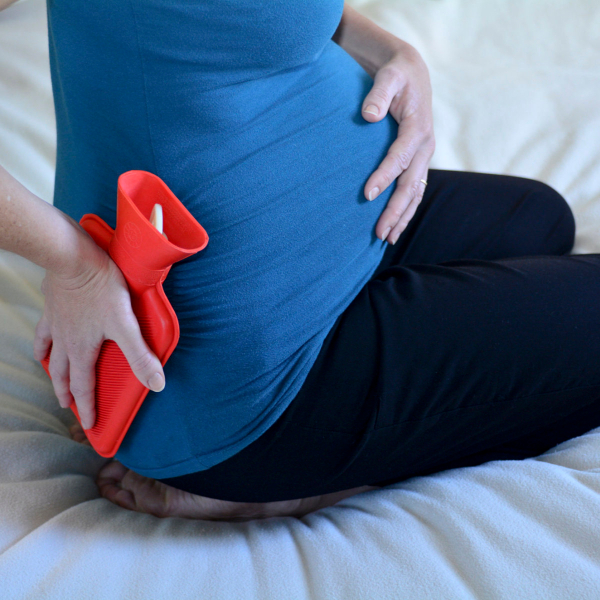
Many women have found relief from pregnancy aches using heating pads. Here are some examples:
- Samantha, 29 weeks pregnant: “I used a heating pad on my lower back for 10 minutes every night. It helped with the pain without needing medicine. My doctor said it was safe, as long as I did not use it on my stomach.”
- Maria, 22 weeks pregnant: “I tried a warm rice sock for hip pain. It felt good and was easy to control the temperature. I always made sure it was just warm, not hot.”
- Jenna, 34 weeks pregnant: “I almost fell asleep with the heating pad on! Now I set a timer so I don’t forget to turn it off.”
One non-obvious tip: move the pad around every few minutes. This prevents overheating any one spot and helps the heat spread more evenly.
Common Mistakes To Avoid
Even though heating pads are easy to use, many people make simple mistakes. Here are mistakes you can avoid:
- Using for too long: Some women leave heating pads on for an hour or more. This can cause burns or raise your temperature.
- Falling asleep with the pad on: This is risky because you won’t notice if the skin gets too hot.
- Placing on bare skin: Always put a cloth in between to prevent burns.
- Using on the belly: This is not safe, especially early in pregnancy.
- Not checking the pad’s temperature: Some pads get hotter over time, so test it before each use.
- Ignoring warning signs: If you feel dizzy, hot, or sick, remove the pad right away.
Avoiding these mistakes helps you stay safe and get the most from your heat therapy.

Alternatives To Heating Pads For Pregnancy Pain
Not all women want to use heating pads, or sometimes heat is not enough. Here are other ways to ease pregnancy pain:
1. Cold Packs
Cold can numb sharp pain or reduce swelling. Wrap a cold pack in a towel and use for 10–15 minutes on sore spots.
2. Prenatal Massage
A gentle massage from a trained therapist can loosen tight muscles and improve circulation.
3. Gentle Exercise
Prenatal yoga, swimming, or walking can help keep muscles strong and flexible.
4. Pregnancy Support Belts
These belts support the belly and lower back, reducing pressure and pain.
5. Stretching
Simple stretches, especially for the back and hips, can prevent cramps and stiffness.
6. Warm (not Hot) Baths
A short, warm bath can help relax muscles. Make sure the water is not too hot—test with your elbow.
7. Physical Therapy
A physical therapist can design safe exercises and teach you how to move to avoid pain.
8. Rest And Good Posture
Taking breaks and sitting with good support can prevent pain from getting worse.
Some women find that combining heat with other methods works best. For example, use a heating pad for 15 minutes, then do gentle stretches, and finish with a cold pack if needed.
Scientific Evidence On Heat Therapy In Pregnancy
Several studies have looked at heat therapy for pain relief in pregnancy. Most agree that local heat is safe and effective when used correctly.
A 2018 review in the journal “Obstetrics & Gynecology” found that heat therapy reduced pain and improved movement in pregnant women with lower back pain. No increase in complications was seen when heat was used for 20 minutes or less on small areas.
Experts warn, though, that high heat (such as hot tubs or prolonged hot baths) can cause problems. Core body temperature above 101°F (38. 3°C) is a risk, especially in the first 12 weeks.
For more details, see the American College of Obstetricians and Gynecologists guidelines on back pain and pregnancy.
Special Cases: When To Be Extra Careful
Some women have medical conditions or pregnancy risks that make heating pads less safe. These include:
- High-risk pregnancy: If you have preterm labor risk, placenta problems, or other complications, talk to your doctor first.
- Diabetes: Nerve damage can make it hard to feel heat, raising the risk of burns.
- Skin conditions: Sensitive or damaged skin burns more easily.
- History of overheating: If you get hot easily or have had heat stroke, use extra caution.
Always check with your healthcare provider if you have questions or special risks.
Myths And Misunderstandings About Heating Pads In Pregnancy
Many myths exist about using heat during pregnancy. Here are some common ones and the facts:
Myth 1: “all Heat Is Dangerous In Pregnancy.”
Fact: Only very high heat (hot tubs, saunas) is risky. Local heat on the back or legs is safe if used correctly.
Myth 2: “you Should Never Use A Heating Pad While Pregnant.”
Fact: You can use a heating pad safely, as long as you avoid the belly and do not use it for too long.
Myth 3: “a Little Sweat Is Fine.”
Fact: Sweating means you are getting hot. If you start sweating, stop using the heating pad and cool down.
Myth 4: “if It Feels Good, It Must Be Safe.”
Fact: Even if it feels good, too much heat or time can cause burns or raise your temperature. Always follow safe rules.
How To Talk To Your Doctor About Heating Pads
If you are unsure about using a heating pad, it is smart to ask your doctor or midwife. Here is how to start the conversation:
- Be specific: “Is it safe to use a heating pad on my lower back for 15 minutes?”
- Mention your health: Tell your doctor if you have diabetes, skin problems, or a high-risk pregnancy.
- Ask about alternatives: Your doctor may suggest other safe ways to manage pain.
- Share your symptoms: Describe where and when you feel pain, and what makes it better or worse.
Doctors are used to these questions and can give you advice based on your health and pregnancy stage.
Heating Pads In Each Trimester: What To Know
Pregnancy changes a lot between the first, second, and third trimesters. Here’s what to keep in mind:
| Trimester | Heating Pad Use | Special Precautions |
|---|---|---|
| First (0–13 weeks) | Use with extra care; avoid belly | High risk if overheated; limit time and area |
| Second (14–27 weeks) | Safe for back, hips, legs | Continue to avoid belly; check skin often |
| Third (28–40 weeks) | Safe for most aches | Skin is more sensitive; use lowest heat |
The first trimester is the most sensitive time for the baby’s development. Always be extra careful with heat in the early weeks.
Practical Tips For A More Comfortable Pregnancy
Besides heating pads, these small changes can help you manage pain and stay comfortable:
- Wear good shoes: Supportive shoes can ease back and hip pain.
- Use pillows: Place a pillow between your knees when you sleep.
- Change positions often: Avoid sitting or standing too long.
- Drink water: Staying hydrated helps prevent cramps.
- Eat well: Calcium and magnesium can help with muscle cramps.
- Get gentle exercise: Walking or swimming keeps muscles strong.
Often, a mix of small changes works best. Listen to your body and rest when you need it.
Final Thoughts
Heating pads can be a safe, effective way to ease pregnancy pain—if used with care. Most experts agree that local heat on your back, hips, or legs is fine for short periods. Avoid putting heat on your belly, never use for too long, and always check the temperature first.
If you have extra risks, medical problems, or concerns, talk to your doctor before using heat therapy. Remember, there are many other ways to manage pain, from gentle exercise to massage and cold packs.
Being pregnant is hard work, and aches are common. With smart choices and safe habits, you can find comfort without putting yourself or your baby at risk.
Frequently Asked Questions
Can I Use A Heating Pad On My Stomach While Pregnant?
No, you should not use a heating pad directly on your stomach during pregnancy, especially in the first trimester. This can raise the temperature near your baby and increase the risk of birth defects. Use heat therapy only on your back, hips, or legs.
How Long Can I Safely Use A Heating Pad While Pregnant?
Limit each session to 15–20 minutes. Always use the lowest comfortable setting and wait at least an hour before using heat on the same area again. Do not fall asleep with a heating pad on.
Are Electric Heating Pads Safe For Pregnancy?
Yes, electric heating pads are safe for local pain relief if you follow the rules: use the lowest setting, limit the time, and do not place the pad on your belly. Check for automatic shut-off features for extra safety.
What Alternatives Can I Use If I Do Not Want To Use Heat?
Alternatives include cold packs, prenatal massage, gentle exercise, stretching, pregnancy support belts, and warm (not hot) baths. These can also help relieve pain without heat.
Can Heating Pads Cause Miscarriage?
Used correctly, heating pads do not cause miscarriage. The main risk comes from raising your whole body temperature too high, such as in hot tubs or saunas. Local heat, used safely, does not raise this risk.
If you have more questions, your doctor or midwife can give advice based on your unique situation.