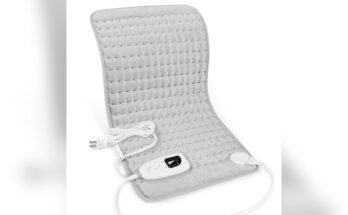
Living with nerve pain can make daily life very hard. Some people feel sharp, burning, or shooting pain. Others feel numbness or tingling. These symptoms can come from different causes, like diabetes, injuries, or conditions such as sciatica. Many people look for simple, drug-free ways to get relief. One common home remedy is the heating pad. But does it really work for nerve pain? Or is it just a myth? This article will give you a clear, honest answer, using science and real-life advice.
Understanding Nerve Pain
Before we talk about heating pads, it’s important to know what nerve pain is. Doctors call this pain “neuropathic pain.” It happens when nerves are damaged or not working right. Unlike muscle or joint pain, nerve pain can feel strange. Some people feel pain from things that should not hurt, like soft touch or even a sheet brushing the skin.
There are many causes of nerve pain:
- Diabetes (diabetic neuropathy)
- Pinched nerves (like sciatica)
- Injuries (car accidents, falls)
- Shingles
- Multiple sclerosis
- Chemotherapy
Nerve pain is different from inflammation pain or arthritis. This is why some treatments work for muscle pain but not for nerve pain.
How Does Heat Therapy Work?
A heating pad uses warmth to relax muscles and increase blood flow. It can be electric, microwavable, or chemical. People use them for back pain, sore muscles, or period cramps. But how does heat help pain?
When you apply heat, blood vessels open up. This brings more oxygen and nutrients to the area. Heat also makes tissues more flexible and can block pain signals from reaching the brain. It’s like telling your nervous system, “Focus on warmth, not pain.
”
But nerve pain is not the same as muscle pain. So, will heat help? The answer is: sometimes yes, but not always. The effects depend on what is causing the nerve pain.
When Can Heating Pads Relieve Nerve Pain?
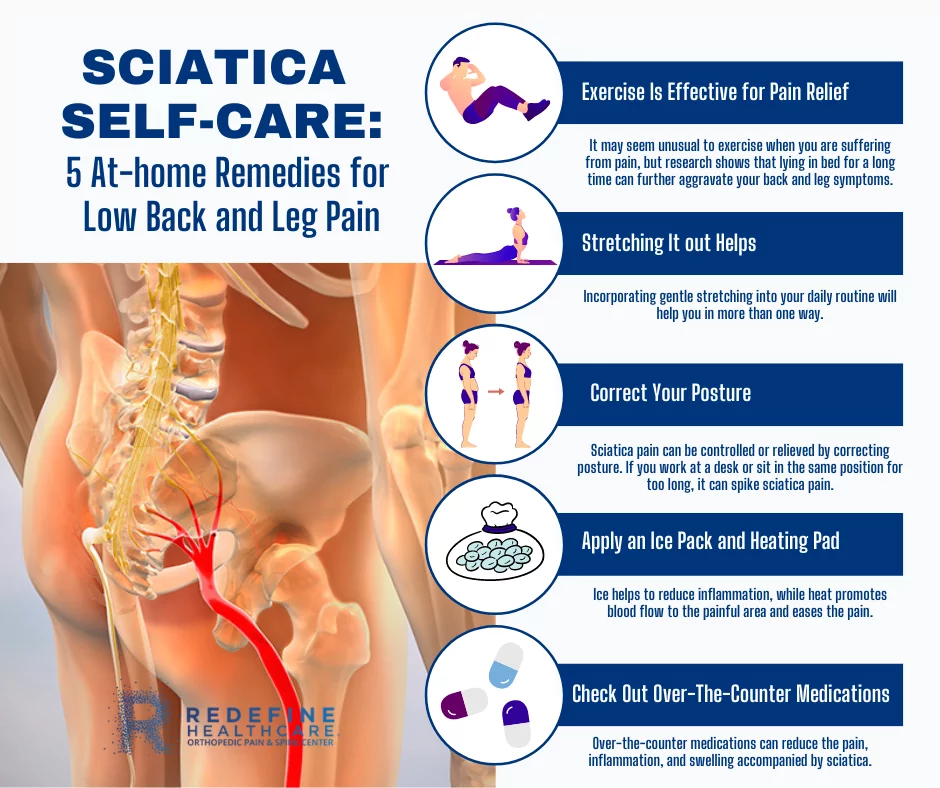
A heating pad can help with some types of nerve pain—especially when tight muscles are part of the problem. For example, if a pinched nerve in your back or neck causes pain, heat can relax tight muscles that press on the nerve. This may lower the pain level.
Benefits of using heating pads for nerve pain:
- Muscle relaxation: Heat helps muscles let go, which may reduce pressure on nerves.
- Better blood flow: More blood brings healing nutrients and removes waste.
- Comfort and distraction: The soothing feeling can distract your brain from pain signals.
- Improved flexibility: Joints and muscles may move more easily after using heat.
Studies show heat can reduce pain in conditions like sciatica or nerve compression. For example, a 2017 study found that heat therapy reduced lower back pain and improved movement. While this is not direct proof for all nerve pain, it shows heat can help when muscle tension is part of the problem.
When Heating Pads May Not Help Nerve Pain
Heat does not help all types of nerve pain. If nerves are damaged from diabetes or chemotherapy, heat may not reach the nerves deep enough to help. In some cases, heat can even make pain worse, especially if there is swelling or infection.
When to avoid heating pads:
- Open wounds or skin infections
- Loss of feeling (numbness): You may not notice burns
- Swelling: Heat can make inflammation worse
- Poor blood flow (vascular problems)
- Direct nerve injury (not caused by muscle tightness)
If you are not sure, ask your doctor before using heat therapy.
Heating Pads Vs. Other Pain Relief Methods
How do heating pads compare with other ways to manage nerve pain? Here is a simple comparison to help you decide:
| Method | How it Works | Good For | Drawbacks |
|---|---|---|---|
| Heating Pads | Boost blood flow, relax muscles | Muscle tension, mild nerve pain | May not help deep nerve pain |
| Cold Packs | Reduce inflammation, numb area | Acute injury, swelling, sudden pain | Not for chronic pain |
| Pain Medication | Block pain signals | Severe or long-term nerve pain | Side effects, risk of addiction |
| Physical Therapy | Strengthen and stretch muscles | Pinched nerves, recovery | Needs time and effort |
| TENS Unit | Send small electric signals | Nerve-related pain | May not work for everyone |
As you can see, heating pads are best for mild to moderate pain, especially with muscle involvement. They are safe for most people and easy to use at home.
Types Of Heating Pads
There are a few main types of heating pads. Each has pros and cons.
| Type | How it Works | Best For | Safety Note |
|---|---|---|---|
| Electric Heating Pad | Plug into wall, set temperature | Home use, longer sessions | Unplug after use; risk of burns |
| Microwavable Pad | Heat in microwave, reusable | Short-term, fast relief | Check for hot spots |
| Chemical Heat Pack | Activate by squeezing/shaking | Travel, outdoor use | Single-use, not adjustable |
| Moist Heat Pad | Uses water vapor for deep heat | Deeper muscle relief | Check instructions for use |
Electric pads are the most popular, but always follow safety rules. Never sleep with a heating pad on, and use a cover to protect your skin.

How To Use A Heating Pad For Nerve Pain
Using a heating pad is simple, but a few steps make it safer and more effective.
- Check your skin. Make sure there are no open wounds, rashes, or numb spots.
- Set the right temperature. Use a medium heat, not the highest setting. Too much heat can burn your skin.
- Cover the pad. Always place a towel or cloth between your skin and the pad.
- Limit the time. Use for 15-20 minutes at a time. Take breaks in between sessions.
- Watch for signs of burning. If your skin turns red or blisters, stop right away.
- Stay awake. Never fall asleep with a heating pad on.
- Check the pad. Look for worn-out cords or leaks in gel packs.
These steps lower the risk of burns, especially for people with nerve problems who may not feel heat as strongly.
Real-world Example: Sciatica And Heat Therapy
Let’s look at a common nerve pain: sciatica. This pain runs down the back of your leg, often caused by a pinched nerve in the lower back. Many people feel better after using a heating pad for 15-20 minutes on the lower back.
A 2018 review found that people with sciatica got short-term relief from heat therapy. The warmth relaxed tight muscles around the nerve and made movement easier. While this did not cure the nerve problem, it helped people feel more comfortable during flare-ups.
When To Use Cold Instead Of Heat
Sometimes cold is better than heat. If your pain is new (from an injury) or there is swelling, use a cold pack for the first 24-48 hours. Cold slows blood flow and lowers inflammation.
After the swelling is gone, switch to heat if you still have pain. Some people use a mix of heat and cold (contrast therapy) for the best results.
Risks And Safety Tips
Heating pads are safe for most people, but there are risks:
- Burns: Even a warm pad can burn your skin if left too long.
- Fire: Old or broken electric pads can start fires.
- Overheating: Sleeping with a pad on can cause serious injuries.
Who should avoid heating pads?
- People with poor circulation (like in diabetes)
- People who can’t feel heat well (neuropathy)
- Children or older adults who may not notice burning
- Anyone with open wounds or skin infections
If you have any of these risks, talk to your doctor before using heat therapy.
Other Home Remedies For Nerve Pain
Heating pads are just one tool. Here are other drug-free ways to help nerve pain:
- Gentle stretching: Loosens muscles and may relieve pinched nerves.
- Massage: Boosts blood flow and relaxes the body.
- Topical creams: Some contain capsaicin or menthol for nerve pain relief.
- Good posture: Keeps nerves from getting pinched.
- Regular movement: Short walks can help keep nerves healthy.
A combination of these methods may give better results than using just one.
What The Science Says
Research on heating pads for nerve pain is mixed. Some studies show short-term relief, especially for sciatica and back pain. Others say heat does not help deeper nerve pain, like diabetic neuropathy.
One 2020 study found that heat therapy improved pain scores for people with chronic back pain, but the effect was strongest when used with other treatments. There is not enough evidence to say heating pads cure nerve pain, but they can be part of a pain management plan.
Many doctors suggest trying heat therapy first because it is low risk. If it helps, you can use it along with other treatments. If not, talk to your doctor about other options.
For deeper reading on the science of heat therapy and nerve pain, you can check this research review.
Two Non-obvious Insights
Most people think a heating pad is only for the sore spot. But here are two extra tips many beginners miss:
- Try warming up the muscles near, not just on, the pain. For example, if you have sciatic pain down your leg, try applying heat to your lower back and buttocks. Sometimes, the source of nerve pain is not where you feel it most.
- Use heat before gentle exercise. Warming up tissues before stretching or walking can prevent injury and may boost the pain-relief effect.
Combining Heat With Other Treatments
You do not have to use heating pads alone. Many people get the best results by combining heat with other methods, such as:
- Physical therapy: Do gentle exercises after heat therapy.
- Pain-relief medications: Use as directed by your doctor.
- Relaxation techniques: Breathing exercises or meditation can lower stress, which often makes pain worse.
- Lifestyle changes: Good sleep, healthy diet, and quitting smoking can support nerve health.
Talk to your doctor about building a plan that fits your needs.
Common Mistakes To Avoid
Many people use heating pads the wrong way. Here are mistakes to avoid:
- Too much heat: Using high settings or leaving the pad on too long can cause burns.
- Sleeping with a heating pad: This is dangerous, especially for people who cannot feel their skin well.
- Using heat on new injuries: This can make swelling or bleeding worse.
- Ignoring pain signals: If you feel burning, remove the pad right away.
- Using on numb skin: You might not feel damage happening.
Cost And Availability
Heating pads are easy to buy at pharmacies, online, or even grocery stores. Prices range from $10 for basic microwavable pads to $50 or more for electric models with special features.
Some health insurance may cover special heating pads if your doctor prescribes them. But most people pay out of pocket.
When To See A Doctor
A heating pad can help mild nerve pain, but you need to see a doctor if:
- Pain is severe, constant, or getting worse
- You have numbness, weakness, or trouble moving
- You notice loss of bladder or bowel control (this is an emergency)
- Pain does not get better after a few days
Doctors can check for serious problems and suggest the right treatment.
Real-life Stories
Many people with nerve pain use heating pads daily. For example, Maria, a 52-year-old with sciatica, says, “I use a heating pad every evening. It helps my muscles relax so I can sleep. ” John, who has diabetic neuropathy, finds that heat helps his feet feel less stiff in the morning.
But not everyone gets the same results. Some people with deep nerve pain do not notice much change. The key is to try it safely and see what works for your body.
Comparing Heat And Cold Therapy For Nerve Pain
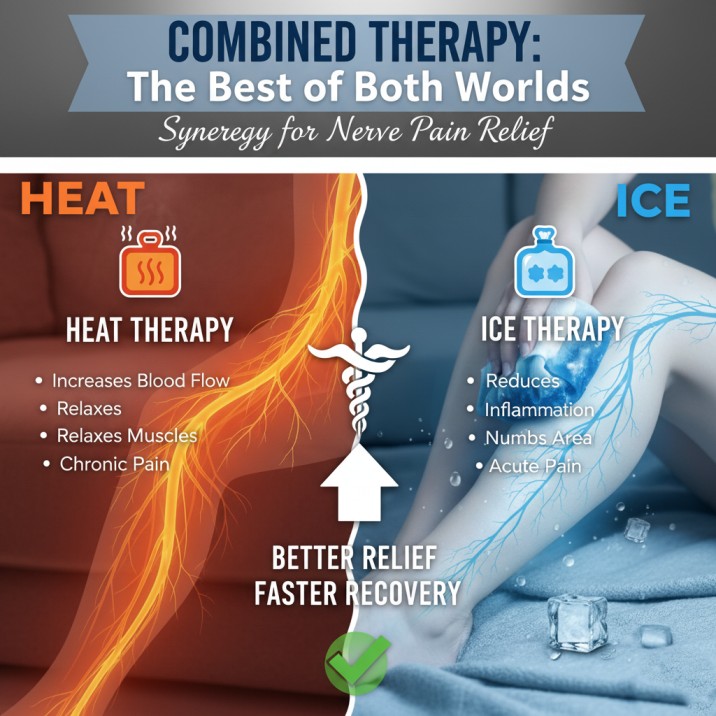
Sometimes people wonder which is better: heat or cold? Here’s a simple side-by-side comparison:
| Feature | Heat Therapy | Cold Therapy |
|---|---|---|
| Pain Type | Chronic, muscle tension | Acute, inflammation, new injury |
| How it Works | Opens blood vessels, relaxes tissue | Constricts blood vessels, reduces swelling |
| Duration | 15-20 minutes, as needed | 10-15 minutes, as needed |
| Best For | Stiffness, muscle spasm | New injuries, swelling |
| Risks | Burns, overheating | Frostbite, skin irritation |
Most people find that heat is better for long-term nerve pain with muscle tension, while cold is best for sudden pain or swelling.
Frequently Asked Questions
How Long Should I Use A Heating Pad For Nerve Pain?
Most experts suggest using a heating pad for 15 to 20 minutes at a time. Take a break for at least 20 minutes before using it again. Never fall asleep with the pad on, and always check your skin for redness or burns.
Can I Use A Heating Pad Every Day?
Yes, it is usually safe to use a heating pad once or twice daily. Make sure to follow safety steps: use medium heat, cover the pad, and check your skin. If you notice burns, stop using it and let your skin heal.
Is Heat Better Than Ice For Nerve Pain?
It depends on the cause. Heat is better for muscle tension and chronic pain. Ice is better for new injuries or swelling. Sometimes, using both at different times (contrast therapy) works best. Ask your doctor for advice on your specific pain.
Are There Any Risks To Using Heating Pads For Nerve Pain?
Yes. The main risks are burns and fire hazards (with electric pads). People with poor sensation (like in diabetic neuropathy) need to be extra careful. Always use a cover and never put heat on numb or broken skin.
What If Heating Pads Do Not Help My Nerve Pain?
If heating pads do not help, try other methods like physical therapy, medications, or TENS units. Sometimes, the cause of nerve pain is too deep for heat to reach. Talk to your doctor for a full pain management plan. For more information, check out this Mayo Clinic resource.
Finding relief from nerve pain is possible. Heating pads can be a helpful tool, especially when used safely and as part of a bigger treatment plan. Listen to your body, start slow, and talk to your doctor if you have any doubts.
With the right approach, you can manage nerve pain and improve your quality of life.