A heating pad is a simple tool, but it brings real comfort when you need relief from pain, cramps, or sore muscles. Whether you use it every day or only once in a while, keeping your heating pad clean is important.
A clean pad lasts longer, works better, and keeps you safe from germs and skin problems. But how do you clean a heating pad without ruining it? Can you put it in the washing machine, or will that destroy the wires inside?
These are common questions, and the answers are not always obvious.
Many people make mistakes when cleaning their heating pads. Some skip cleaning because they are afraid of damaging the device. Others try to scrub out stains with harsh chemicals, which can ruin the fabric or even make the heating pad unsafe.
Some forget about the importance of drying, leading to mold or bad smells. This guide will help you avoid all those problems. You will learn the right way to clean every part of your heating pad, no matter what type you own.
By the end, you will know the full process, from unplugging to drying. You will also learn what NOT to do, how often to clean, and how to keep your heating pad fresh between uses. Let’s get started and make sure your heating pad stays safe, clean, and ready whenever you need it.
Understanding Your Heating Pad
Before you clean, you need to know what kind of heating pad you have. There are several types, each with different cleaning needs.
Types Of Heating Pads
- Electric heating pads: These use wires inside the fabric to create heat. They usually have a fabric cover and a removable power cord.
- Microwavable heating pads: These are often filled with rice, gel, or flaxseed. You heat them in the microwave—no electricity needed.
- Chemical heating pads: These are single-use or reusable pads that heat up through a chemical reaction. They are less common for home use.
- Infrared heating pads: These use special technology to give off infrared heat. They may have delicate parts and special covers.
Not every heating pad can be cleaned in the same way. For example, you should never put a microwavable pad in the washing machine, and electric pads have wires that can be damaged by water. Always check the label or user manual first.
Why Cleaning Matters
A heating pad sits close to your skin, so sweat, oils, and skin cells build up over time. If not cleaned, these can lead to:
- Allergic reactions
- Skin infections
- Bad smells
- Shorter device life
In fact, a 2017 study found that soft medical devices (like heating pads) can collect up to 10,000 bacteria per square inch if not cleaned regularly. That’s more bacteria than on your kitchen counter.
Preparing To Clean Your Heating Pad
Proper cleaning starts with preparation. Skipping these steps can ruin your pad.
Read The Manufacturer’s Instructions
Always check the tag or user manual. Some pads are machine washable, while others are not. If you lost the manual, look up your model number on the company’s website or check a reliable source like Wikipedia.
Gather Your Supplies
Here’s what you’ll need:
- Mild detergent (no bleach or harsh chemicals)
- Soft cloth or sponge
- Small brush (like a toothbrush, for stains)
- Clean towel
- Water (warm, not hot)
If your heating pad has a removable cover, you’ll need to clean it separately.
Safety First
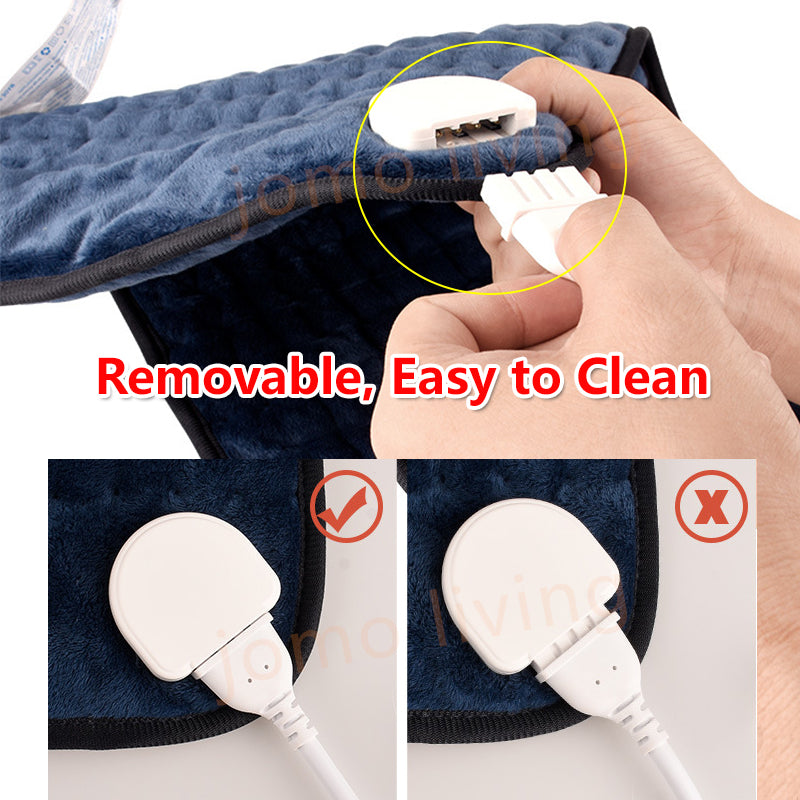
Unplug the heating pad from the wall and remove the power cord from the pad (if possible). Never clean while plugged in—this is dangerous and can damage the device.
Check for any damage: frayed wires, holes, or burnt spots. If you see any, stop using the pad and replace it.
How To Clean An Electric Heating Pad
Electric heating pads are the most common type. Cleaning them requires extra care because of the wires inside.
Step-by-step Cleaning
1. Remove The Fabric Cover
Most electric pads come with a removable cloth cover. Take it off and set the heating element aside.
2. Clean The Cover
- If machine washable: Wash the cover in cold water with mild detergent on a gentle cycle.
- If hand wash only: Soak the cover in warm, soapy water. Gently rub stains with your fingers or a soft brush.
- Drying: Air dry the cover. Do not put it in the dryer unless the label says it is safe.
3. Clean The Heating Element
You should never immerse the heating element in water. Instead:
- Dampen a cloth with mild soapy water.
- Wipe the surface of the pad carefully.
- For stains, use a little more soap and gently rub with a cloth.
- Wipe again with a cloth dampened with plain water to remove soap.
- Dry with a clean towel and leave out to air dry completely.
4. Reassemble Only When Dry
Make sure every part is 100% dry before plugging in or using the pad. Moisture inside can cause electrical shorts or shocks.
How Often Should You Clean?
- Light use (once a week): Clean the cover once a month.
- Heavy use (daily): Clean the cover every 1-2 weeks.
- Wipe the heating element every time you notice dirt or sweat.
Common Mistakes With Electric Pads
- Using bleach or strong chemicals, which can damage fabric and wires.
- Submerging the whole pad in water.
- Putting the heating element in the dryer.
- Reassembling before everything is dry.
Cleaning A Microwavable Heating Pad
Microwavable pads are popular for their soft feel and easy use. They often contain rice, flaxseed, or gel. These fillings can be ruined by water, so cleaning is different.
Step-by-step Cleaning
1. Spot Clean Only
- Use a damp cloth with mild soap.
- Gently rub stained or dirty spots.
- Avoid soaking the pad or letting water get inside.
2. Dry Completely
After spot cleaning, press the pad between two towels to remove extra moisture. Leave it in a dry, warm place for several hours—sunlight helps. Never microwave a wet pad, as this can cause mold or even fire.
3. Deodorizing
If your microwavable pad smells bad, sprinkle baking soda on the surface. Let it sit for an hour, then brush off. This absorbs odors without using water.
When To Replace
Microwavable pads don’t last forever. If you notice:
- Burnt smell
- Leaking filling
- Hard or clumpy texture
It’s time to buy a new one.
Hidden Danger: Mold Inside
Moisture can get trapped inside, especially if you try to wash the whole pad. Mold is hard to see but can cause allergies or illness. Always keep your pad as dry as possible.

How To Clean A Chemical Or Infrared Heating Pad
Chemical and infrared pads are less common, but they also need cleaning.
Chemical Heating Pads
Most single-use chemical pads should not be cleaned—just throw them away after use. For reusable types:
- Wipe the outside with a damp cloth and mild soap.
- Never puncture or open the pad.
- Dry with a towel before storing.
Infrared Heating Pads
These pads often have a removable cover.
- Wash the cover as you would for an electric pad.
- Clean the device with a soft, damp cloth—never soak.
- Check the manual for any special rules, as these pads can be expensive.
Deep Cleaning Tips For Stubborn Stains And Odors
Sometimes, regular cleaning is not enough. Sweat, oils, or spills can leave stains that are hard to remove. Here’s how to handle them.
For Fabric Covers
- Mix a solution of one part white vinegar, two parts water.
- Dip a cloth in the solution and gently rub the stain.
- Rinse with a damp cloth and air dry.
- For strong odors, repeat the process.
For Heating Elements
- Do not use vinegar or harsh chemicals.
- If stains will not come out, wipe gently with a cloth dampened with water and a drop of mild dish soap.
- Dry quickly to prevent water from soaking in.
When To Give Up
If stains or smells will not go away, it might be time to replace the pad. Old pads can harbor bacteria deep inside the fabric or filling.
How To Dry Your Heating Pad Safely
Drying is just as important as washing. A wet pad can cause mold, bad smells, or even electrical problems.
Best Practices
- Air dry whenever possible. Hang the cover or lay it flat in a clean, dry space.
- Never twist or wring the cover, as this can stretch or damage the fabric.
- For the heating element, pat with a towel and let it air dry completely.
- Do not use a hair dryer or heater to speed up drying—this can damage wires or fabric.
Drying Time
- Fabric covers: Usually dry in 2-6 hours.
- Heating elements: May need 12-24 hours to be completely safe.
- Microwavable pads: Dry for at least 12 hours after cleaning.
How To Store Your Heating Pad
Storing your pad correctly keeps it clean and working well.
Tips For Storage
- Always store in a dry, cool place.
- Do not fold electric pads tightly—this can damage the wires.
- Keep away from pets, as they may chew the cord or fabric.
- Store in a cloth bag or pillowcase to protect from dust.
If you use your pad only in winter, wash and dry it before storing for months. This prevents mold or odors.
Quick Comparison: Cleaning Methods For Different Heating Pads
It helps to see the differences in cleaning methods. Here’s a simple comparison:
| Type of Heating Pad | Washing Method | Drying Method | Can Be Machine Washed? |
|---|---|---|---|
| Electric (with cover) | Hand wash or machine wash cover; wipe element | Air dry | Cover only |
| Microwavable | Spot clean only | Air dry (long time) | No |
| Chemical | Wipe outside | Air dry | No |
| Infrared (with cover) | Wash cover; wipe pad | Air dry | Cover only |
Extra Tips For Keeping Your Heating Pad Fresh
Sometimes, little steps make a big difference in cleanliness and comfort.
- Use a towel between your skin and the pad to absorb sweat and oils.
- Wash your hands before using the pad.
- Avoid eating or drinking while using the pad to prevent spills.
- Check for smells or stains after each use and clean before they get worse.
- For electric pads, unplug after every use.
Many people forget that your heating pad cover acts like a pillowcase—it needs regular washing, too.
What To Avoid: Cleaning Mistakes That Ruin Heating Pads
It’s easy to make a mistake when cleaning. Here are common errors that can cost you money or safety.
Never Do These
- Never immerse the electric part in water. Even a few drops can cause trouble.
- Never use bleach, alcohol, or harsh cleaners. These weaken fabric and wires.
- Never put any heating element in the dryer. Heat can melt plastic parts or damage wires.
- Never microwave a wet microwavable pad. This can cause steam build-up and fire.
- Never fold or twist wires sharply. This can break the heating elements inside.
Real-world Example
A study of product returns showed that over 30% of electric heating pad failures were caused by water damage, often from washing mistakes.
How Often Should You Replace Your Heating Pad?
No heating pad lasts forever. Even with perfect cleaning, time and heat wear down the parts.
Signs It’s Time For A New One
- Heating is uneven
- Wires feel stiff or broken inside
- Fabric is torn or stained
- Pad smells bad even after cleaning
- Pad takes longer to heat up
Most electric pads last 2-5 years with regular use. Microwavable pads usually last 1-2 years before the filling wears out or smells.

Troubleshooting: What If Your Pad Stops Working After Cleaning?
Sometimes, cleaning causes new problems. Here’s what to do.
Common Problems
- Pad won’t heat up: Check that everything is fully dry and plugged in.
- Pad smells strange: This could be leftover moisture. Let it air out longer.
- Fabric feels stiff: Too much soap or not rinsed well. Wash again with plain water.
If the pad still doesn’t work, it may be time to replace it.
Data Table: How Cleaning Affects Heating Pad Longevity
Cleaning your pad the right way can add years to its life. Here’s what research shows:
| Cleaning Frequency | Average Pad Lifespan | Common Issues |
|---|---|---|
| Monthly | 4-5 years | Fewer stains, rare odor |
| Every 6 months | 2-3 years | More stains, some odor |
| Rarely/Never | 1-2 years | Strong odor, fabric damage |
Regular cleaning is not just for looks—it saves you money in the long run.
Frequently Asked Questions
How Do You Clean A Heating Pad With Built-in Controls?
Unplug the pad and remove the cover if possible. Clean the cover as usual. For pads with built-in controls, wipe the surface with a damp cloth—never immerse the controls in water. Let the pad air dry fully before using again.
Can You Use Disinfectant Wipes To Clean A Heating Pad?
Disinfectant wipes are safe for the outside of electric or infrared pads if used gently. Do not use on fabric covers or microwavable pads, as the chemicals may damage the material or leave residue. Always let the pad air dry before plugging in.
What If My Heating Pad Smells Even After Cleaning?
If a pad still smells, it may have deep-down bacteria or mold. Try deodorizing with baking soda or vinegar (for covers only). If the smell stays, consider replacing the pad, as it may not be safe for use.
Is It Safe To Let Pets Use A Heating Pad?
No. Pets can chew wires, damage the fabric, or overheat. Special pet heating pads are safer for animals. Never let pets sleep on or chew a regular heating pad.
Can I Wash My Heating Pad In The Washing Machine?
Only if the manufacturer says it is safe, and only the removable cover—never the electric or heating element. Always air dry, and double-check that all parts are dry before using.
A clean heating pad works better, lasts longer, and is safer for your skin. Cleaning does not need to be hard or risky. With these steps, you can keep your heating pad fresh and ready for years of comfort.