Choosing the right heating pad size can feel tricky, especially when you see so many options online and in stores. You might be dealing with stiff shoulders, lower back pain, cramps, or even want something to help you relax after a long day. The truth is, the size of your heating pad matters more than most people think. Picking a pad that is too small or too large can make your treatment less effective, uncomfortable, or even unsafe. In this guide, you’ll learn exactly how to select the best heating pad size for your needs, body area, and lifestyle.
Many people buy a heating pad based on price or just pick the first one they see. Later, they realize it doesn’t cover the sore area, or it’s too large to use comfortably. You don’t want to waste money or risk your health.
This article will walk you through all the practical aspects of heating pad sizes, share real-world examples, and help you avoid common mistakes. By the end, you’ll feel confident you can choose the right heating pad size for your body and needs.
Why Heating Pad Size Matters
Heating pads work by delivering heat to specific parts of your body. The size of the pad changes how well the heat spreads and how comfortable you feel during use. If your pad is too small, you may have to keep moving it around, which can disturb your relaxation and reduce the benefits. Too large, and the pad can be heavy, hard to position, or even waste energy.
Also, the right size can help prevent burns or overheating. Smaller pads warm up faster, and large pads may be too intense if you only need heat on a small spot. When used correctly, a well-sized heating pad can speed up healing, reduce pain, and improve blood flow.
Many people overlook these details. For example, using a large back heating pad on your neck can feel awkward and may not target your pain well. On the other hand, a small pad won’t do much for your entire lower back.
Common Heating Pad Sizes And Dimensions
Heating pads come in many sizes and shapes. The most common are rectangular, but you’ll also see square, extra-long, and even wrap-around types. Here are the standard sizes you’ll find:
| Size | Dimensions (inches) | Best For |
|---|---|---|
| Small | 6 x 8 | Joints, neck, small areas |
| Medium | 12 x 15 | Back, shoulders, abdomen |
| Large | 14 x 27 | Lower back, thighs, legs |
| Extra Large | 20 x 24 or larger | Full back, multiple body parts |
| Wrap-around | Varies | Knees, elbows, neck, joints |
Some brands use centimeters, but the main idea is the same. You should match the size to the area you want to treat.

Matching Heating Pad Size To Body Area
The body part you want to treat is the key factor in picking a size. Let’s look at what works best for each area.
Neck And Shoulders
Neck pain is very common, especially if you work at a desk. For the neck, a small or wrap-around heating pad is ideal. These pads are easy to shape and stay in place. Some are U-shaped to fit your neck and shoulders. A medium pad works if you want to cover both shoulders, but avoid anything too large, or it will not stay secure.
Back
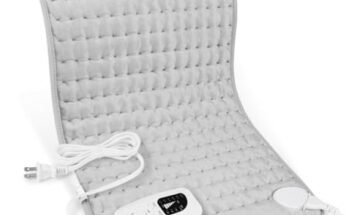
If you want to treat your lower or upper back, a large or extra-large pad gives the best coverage. The back is a big muscle group, and more heat means better pain relief. Look for pads that are at least 12 x 15 inches for good coverage. If you’re tall or want to treat the entire back, pick an extra-large size.
Abdomen
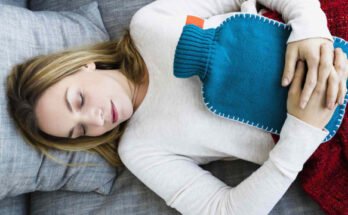
For cramps or stomach pain, a medium-sized pad (about 12 x 15 inches) is usually enough. It’s big enough to cover the lower belly but not too large to feel uncomfortable.
Joints (knees, Elbows, Ankles)
Small, flexible, or wrap-around pads are best for joints. These areas are small and hard to cover with a flat, large pad. Some pads are designed like sleeves or with Velcro straps to stay in place.
Legs And Thighs
If you have soreness in your thighs or calves, a large pad helps because legs have big muscles. For smaller spots like shins or calves, a medium pad may be enough.
Hands And Feet
Look for small pads or special hand/foot heating pads. These are often shaped like mittens or slippers to cover fingers or toes fully.
Pro tip: Always check the pad’s flexibility. Some large pads are stiff and don’t bend well, making them hard to wrap around arms, legs, or curved parts of the body.
When To Choose A Small Heating Pad
Small heating pads (around 6 x 8 inches) are great for:
- Targeted pain: Small spots like the wrist, ankle, or one side of the neck.
- Quick heating: Smaller pads heat up faster and are easy to travel with.
- Children or pets: Small pads are safer for kids or for use on animals.
- Reducing energy use: If you only need heat in a tiny area, a small pad is more efficient.
However, a small pad won’t be enough for back pain, large muscles, or menstrual cramps that spread out. They also lose heat faster in cool rooms.
When Medium Pads Are The Best Choice
Medium heating pads (about 12 x 15 inches) are the most popular. They offer:
- Versatility: Good for back, shoulders, abdomen, and thighs.
- Balance: Not too heavy, easy to store, and covers most common pain areas.
- More heat coverage: Enough to cover stomach cramps or both shoulders at once.
Medium pads work for most people, but if you are tall or have a large body area to treat, you may need a larger pad for full relief.
Large And Extra-large Heating Pads: Pros And Cons
Large pads (14 x 27 inches or bigger) are good for:
- Full back pain: Covers a large part of the back, ideal for chronic pain.
- Multiple areas: You can fold or drape them to cover the back and shoulders at the same time.
- Legs and thighs: Especially after exercise or for athletes.
Extra-large pads (20 x 24 inches or more) are sometimes called “body pads.” They are good for:
- Tall people: Cover more area, so you don’t have to move the pad often.
- Bedtime use: Some people use them to warm up a bed (with safety settings).
- Medical needs: For people who need to treat several body parts at once.
But, these pads can be:
- Bulky: Hard to store or travel with.
- Heavy: Can feel too warm or uncomfortable if you just need spot relief.
- Slower to heat: Larger pads take longer to warm up.
If you live in a small space or need something portable, extra-large pads may not be practical.
Special Shapes: Wrap-around And Contoured Pads
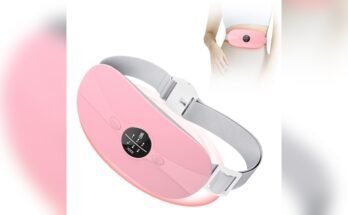
Some heating pads are shaped for specific body parts. For example, you can find pads that wrap around the neck, belt-style pads for the lower back, or flexible pads for knees and elbows.
Benefits include:
- Stay in place: Wraps don’t slip off easily.
- Targeted heat: Heat goes exactly where you need it.
- Active use: Some wraps allow you to move around while wearing them.
But, special-shaped pads are often smaller in area, so they may not be as versatile for other body parts.
Comparing Heating Pad Sizes For Different Needs
To make it easier, here’s a quick comparison of heating pad sizes for different uses:
| Situation | Recommended Size | Why |
|---|---|---|
| Neck Pain | Small or Wrap-around | Fits shape, targets pain |
| Lower Back Pain | Large or Extra-large | Full coverage, more relief |
| Menstrual Cramps | Medium | Covers lower abdomen |
| Joint Pain | Small or Flexible | Wraps around joints |
| Warming Bed | Extra-large | Covers large area, even heat |
Choosing The Right Size For Your Lifestyle
Your daily routine can also affect what size you need:
- Active people: If you want to use a pad at work, while moving, or while traveling, choose a small or wrap-around pad.
- At home: Medium or large pads are best for relaxing on the couch or in bed.
- Shared use: If others in your home will use the pad, pick a medium or large size for flexibility.
- Pet owners: Small pads are safer for pets or for placing in a pet bed.
Material And Flexibility: Not Just Size
Pad material affects how the heat feels. Some pads are stiff, while others are very soft and flexible. For body parts with lots of curves (like the neck, knees, or shoulders), a flexible pad is more comfortable. Some large pads are made with wires that don’t bend well, which can be a problem for wrapping.
Moist heating pads (pads that can be used with water) are another option. They often come in medium or large sizes and deliver deeper heat. But, they may be heavier.

Electric Vs. Microwavable Heating Pads And Size Differences
Electric pads come in all sizes, from small to extra-large. They are best for long sessions and steady heat. Some have auto-off settings for safety.
Microwavable pads (often filled with rice, flax, or gel) are usually smaller or medium-sized. They are good for short-term use and travel but may not stay warm as long as electric pads.
Chemical heat pads (one-time use) are typically small and meant for joints or hands.
Safety Considerations By Size
Larger pads can be riskier if you fall asleep with them or use them on sensitive skin. Always look for:
- Auto shut-off: Especially for large or extra-large electric pads.
- Adjustable heat settings: So you don’t overheat.
- Certified brands: Pads with UL or ETL safety marks.
Never use a pad that is too large for the area you’re treating, especially on children, elderly people, or pets.
Practical Examples: Real-world Scenarios
Here are a few examples to make it clearer:
1. Office Worker With Neck And Shoulder Pain
Jane works at a computer all day and gets neck pain. She chooses a small, U-shaped wrap-around pad. It fits her neck, stays put, and lets her move her arms.
2. Athlete With Sore Thighs
Mike runs daily and often has sore thighs. He buys a large pad (14 x 27 inches) to cover both legs at once. He finds a flexible pad, so he can wrap it around his muscles easily.
3. Chronic Back Pain Sufferer
Susan has lower back pain and likes to relax in bed. She picks an extra-large pad to cover her whole back. She makes sure it has auto shut-off for safety.
4. Teenager With Menstrual Cramps
Emily uses a medium pad for her stomach cramps. It’s big enough to cover her lower belly and can also be used on her back.
5. Traveler With Joint Pain
Tom travels a lot and wants a pad for his knee pain. He chooses a small microwavable pad that fits in his bag.
These examples show why the right size matters for comfort and effectiveness.
Common Mistakes When Choosing Heating Pad Size
Many first-time buyers make these mistakes:
- Going too small: They pick a pad that only covers a tiny part of the pain area.
- Buying too large: Oversized pads are heavy, waste energy, and can even cause burns if not used carefully.
- Ignoring shape: A big rectangular pad does not fit knees or shoulders well.
- Not checking flexibility: Stiff pads are hard to use on curved areas.
- Choosing based on price: The cheapest option is often the wrong size or poor quality.
- Not thinking about who will use it: Children and pets need smaller, safer pads.
Tip: Always measure the area you want to treat and compare it to the pad’s actual dimensions before buying.
Heating Pad Size And Medical Needs
If you have a medical condition, always check with your doctor about the best pad type and size. For example:
- Diabetics have less feeling in their skin and should use smaller pads with lower heat settings.
- Elderly people often have thinner skin; medium pads with gentle heat are safest.
- People with circulation problems should avoid very large or very hot pads.
Some insurance plans cover the cost of medical heating pads. Check the rules, as they may require a certain size or brand.
Comparing Brands And Models
Different brands may label their pad sizes differently. For example, one “large” pad may be 12 x 15 inches, while another brand’s “large” is 14 x 27 inches. Always check the measurements, not just the label.
Here’s a quick comparison of popular brands’ pad sizes:
| Brand | Small | Medium | Large | Extra-large |
|---|---|---|---|---|
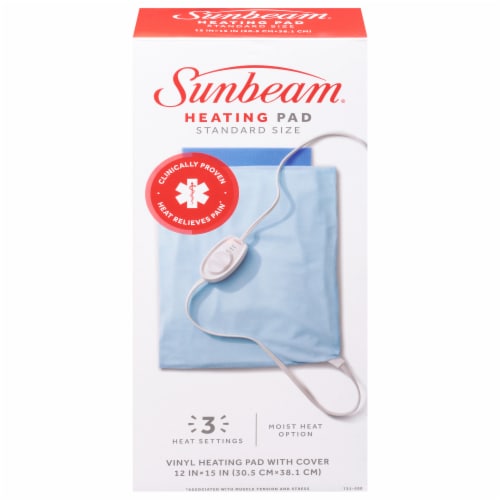
| Sunbeam | 6 x 12 | 12 x 15 | 14 x 27 | 20 x 24 |
| Pure Enrichment | 7 x 9 | 12 x 24 | 12 x 24 (flexible) | 20 x 24 |
| ThermaCare (wrap) | Single joint size | N/A | N/A | N/A |
Always check the actual product measurements before buying.
Extra Tips For Finding The Perfect Heating Pad Size
- Try in-store if possible: Hold the pad up to your body before you buy.
- Read reviews: See what people with similar pain say about the size.
- Buy from a store with easy returns: If you choose the wrong size, you can exchange it.
- Look for multi-use pads: Some pads work as both flat and wrap-around types.
When To Own More Than One Size
If you have different needs, owning more than one size can make sense. For example, a small pad for travel and a large pad for home. Some families keep a small pad for kids and a large one for adults.
Caring For Your Heating Pad By Size
Larger pads can be harder to wash and store. Check if the pad cover is removable and machine washable. Always follow the care instructions to avoid damaging the wires or filling.
Environmental And Energy Factors
Smaller pads use less electricity and are more eco-friendly for spot treatment. If you need long-term, full-body heat, look for energy-efficient models with auto-off features.
Where To Buy And What To Pay
You can find heating pads in pharmacies, medical supply stores, and online. Prices vary by size and brand:
- Small: $10–$25
- Medium: $15–$40
- Large: $25–$60
- Extra-large: $35–$80+
Don’t just buy the cheapest pad—choose based on your needs. For more detailed comparisons, check independent reviews or guides like those from Consumer Reports.
Frequently Asked Questions
What Size Heating Pad Is Best For Lower Back Pain?
A large or extra-large heating pad (at least 14 x 27 inches) is best for lower back pain. It covers more area, provides even heat, and reduces the need to move the pad around. Make sure the pad is flexible enough to fit the curve of your back.
Can I Use A Large Heating Pad For My Neck?
It’s not ideal. Large pads can be heavy and hard to position on the neck. For neck pain, a small or wrap-around pad is safer and more comfortable. It targets the pain better and stays in place.
Are Small Heating Pads Less Effective?
No, small heating pads are very effective for targeted pain (like joints or wrists). They heat up quickly and are easy to use. However, they may not cover enough area for back pain or cramps.
Is It Safe To Use An Extra-large Heating Pad On Children?
No, extra-large pads are not safe for children. They can cause overheating or burns. For children, use a small pad with adjustable heat settings and always supervise use.
How Do I Know What Size Heating Pad I Need?
Measure the area you want to treat. The pad should cover the entire sore area without being too large. If you want versatility, pick a medium pad. For very specific pain, choose a small or wrap pad. For large muscles or full-back pain, go for a large or extra-large pad.
Choosing the right heating pad size is not just about comfort—it’s about getting the best results and staying safe. Think about your body, your daily life, and your most common aches. If you follow these tips, you’ll find the pad that fits you perfectly and makes your pain management easier.