Many people reach for a heating pad when their back aches or muscles feel sore. These simple devices bring warmth and comfort, and for many, they seem like an easy fix for pain or stiffness. But are heating pads really safe to use?
The answer is not as simple as a yes or no. While heating pads are generally considered safe, there are important factors, risks, and best practices that everyone should know. Understanding these details can help you use heating pads wisely and avoid accidents.
How Heating Pads Work
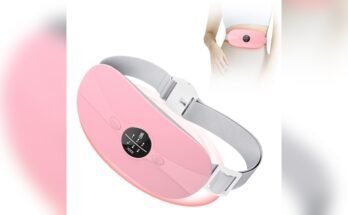
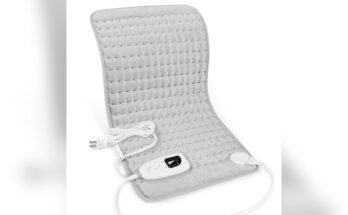
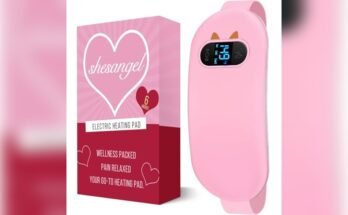
Heating pads use heat therapy, also called thermotherapy, to help relieve pain and relax muscles. They come in several forms, such as electric, chemical, and microwavable pads. The basic idea is that heat increases blood flow to the affected area, which may reduce stiffness and promote healing.
For example, if you wake up with a stiff neck, placing a heating pad over the sore muscle can ease discomfort after a short time.
There are two main types of heat:
- Moist heat: Uses water, like steamed towels or gel packs, to deliver heat. Moist heat can penetrate deeper into tissue and often feels more soothing.
- Dry heat: Comes from electric pads or chemical packets. Dry heat is convenient but can dry out the skin if used too long.
Most people use heating pads for muscle pain, menstrual cramps, chronic back pain, or minor injuries. Some also use them for arthritis, joint stiffness, or to warm up before exercise.
Benefits Of Using Heating Pads
Heating pads are popular for a reason—they offer several potential benefits when used properly:
- Pain relief: The heat can temporarily reduce pain by relaxing tight muscles and improving blood circulation. For example, putting a heating pad on your lower back can make chronic pain more bearable.
- Muscle relaxation: After intense exercise or a long day, muscles can become tense. Heat can loosen these muscles and reduce soreness.
- Improved flexibility: Warm muscles are easier to stretch, which can help prevent injuries during sports or physical therapy.
- Stress reduction: The warmth from a heating pad often feels comforting and can help you relax, especially before bed.
- Drug-free relief: For people who want to avoid pain medication, heating pads offer a non-drug alternative.
However, these benefits depend on using the pad the right way. Misuse can lead to burns or other health issues.
Types Of Heating Pads
Understanding the different kinds of heating pads can help you make a safer choice. Here are the main categories:
| Type | How it works | Common uses | Risks |
|---|---|---|---|
| Electric Heating Pad | Plug into power outlet; adjustable temperature | Back pain, muscle aches, cramps | Burns, electrical shock, fire hazard |
| Microwavable Pad | Heated in microwave; often filled with gel or grains | Neck, shoulders, joints | Overheating, burns |
| Chemical Heat Pack | Single-use; chemical reaction creates heat | Outdoor sports, emergencies | Chemical leaks, burns |
| Moist Heating Pad | Uses water or steam for heat | Deep muscle pain, arthritis | Excess moisture burns, mold growth |
Non-obvious Insight
Many people don’t realize that moist heat often works better for deep muscle pain, while dry heat is more suitable for quick, short-term comfort. Also, chemical pads should never be reused, even if they seem warm enough for another use, as the chemicals may degrade and leak.
Who Should Not Use Heating Pads
Heating pads are not for everyone. Some people have a higher risk of injury or complications. Avoid using heating pads if you:
- Have reduced sensation: People with neuropathy (such as from diabetes), nerve damage, or poor circulation may not feel heat correctly. They can get burned without realizing it.
- Are very young or elderly: Babies, toddlers, and elderly adults often have thinner or more sensitive skin. They are more likely to suffer burns.
- Have open wounds or skin infections: Heat can make infections worse or slow healing.
- Are pregnant: Applying heat to the abdomen during pregnancy is not recommended without a doctor’s advice, as it may affect the baby.
- Have certain medical devices: People with pacemakers or implanted devices should check with a doctor before using electric heating pads.
It’s a good idea to talk to a healthcare professional if you’re unsure whether heating pads are safe for your condition.

Common Risks And Dangers
Heating pads are safe when used correctly, but accidents do happen. Here are the main dangers:
Burns
Burns are the most common injury. They can happen if the pad is too hot, left on for too long, or used while sleeping. In fact, a study published in the Journal of Burn Care & Research found that up to 30% of heating pad burns required hospital care. Older adults are especially at risk.
Fire Hazard
Electric heating pads can start fires if they malfunction, are folded during use, or have damaged cords. Between 2002 and 2014, the U. S. Consumer Product Safety Commission reported over 200 heating pad-related fires. Never use a pad with frayed wires or leave it plugged in when not in use.
Electric Shock
A faulty pad or using it near water can cause electric shock. Always keep electric pads dry and inspect them before use.
Skin Dryness And Irritation
Long-term or frequent use can dry out or irritate the skin, especially with dry heat. This risk increases if you use the pad directly on bare skin.
Chemical Exposure
Some chemical heat packs may leak if punctured or damaged. The chemicals inside can irritate skin or cause burns.
Non-obvious Insight
Many people believe that heating pads are safest while sleeping because “you don’t move and it helps healing overnight.” In reality, sleeping with a heating pad is one of the biggest causes of burns. Your body cannot sense danger or adjust the pad while you sleep, so it is easy to get injured.
How To Use Heating Pads Safely
Safe use is the key to enjoying the benefits of heating pads without risk. Here are steps and tips:
- Read the instructions: Always check the manufacturer’s guide. Each product may have different rules.
- Test the temperature: Place the pad on your forearm for a few seconds before applying it to the painful area. It should feel warm, not hot.
- Limit time: Use the pad for 15–20 minutes at a time. Wait at least an hour before reapplying. Longer use increases the risk of burns.
- Never sleep with a heating pad: Turn it off and unplug before going to bed.
- Use a cover or towel: Place a thin cloth between the pad and your skin. This reduces direct heat and prevents burns.
- Check your skin: Look for redness or irritation every few minutes. If your skin feels too hot or looks red, remove the pad immediately.
- Keep away from water: Do not use electric heating pads near sinks, bathtubs, or with wet hands.
- Do not fold electric pads: Folding can damage the wiring and increase fire risk.
- Supervise children and elderly: Never let children or older adults use heating pads alone.
Example Scenario
Suppose you have sore shoulders after gardening. You place a heating pad over your shirt, set a timer for 15 minutes, and check your skin after 10 minutes. If it feels too hot, you remove the pad early. This simple routine prevents burns and maximizes comfort.
Comparing Heating Pads To Other Heat Therapies
People sometimes wonder if heating pads are better than other forms of heat therapy. Here’s a comparison to help you decide which is best for your needs:
| Heat Source | Pros | Cons | Best for |
|---|---|---|---|
| Electric Heating Pad | Adjustable, reusable, convenient | Fire/electric risk, not portable | Home use, large areas |
| Hot Water Bottle | Simple, no electricity needed, portable | Shorter heat duration, risk of leaks | Travel, small areas |
| Microwavable Pad | Quick, flexible shapes, reusable | Uneven heat, can overheat | Joints, neck, targeted relief |
| Warm Bath | Soothes whole body, deep relaxation | Time-consuming, not always practical | General muscle pain, fibromyalgia |
Practical Advice
If you need quick, targeted relief for a small area, a microwavable pad or hot water bottle can be a good choice. For chronic pain at home, an electric pad may be more convenient. For full-body relaxation, a warm bath works well, but always check water temperature to avoid burns.
Signs Of Unsafe Use
It’s important to recognize when a heating pad is being used unsafely. Watch for these warning signs:
- Skin redness or blistering: Remove the pad immediately.
- Pad smells like burning: Unplug right away and do not use it again.
- Pad doesn’t heat evenly: This could mean internal damage. Replace the pad.
- Pad turns on and off randomly: Possible wiring issue. Stop using it.
- You feel drowsy or fall asleep: Turn off and remove the pad.
If you notice any of these signs, stop using the pad and, if needed, seek medical advice.
When To Use Ice Instead Of Heat
Not all pain responds best to heat. Sometimes, cold therapy (like ice packs) is a better choice. Here’s when you should use ice rather than heat:
- Immediately after an injury: For sprains, strains, or bruises, ice helps reduce swelling and inflammation. Heat can make swelling worse.
- For acute pain: If your pain is new and sharp, start with ice for the first 24–48 hours.
- After intense exercise: Ice can help with swelling and muscle recovery.
After the swelling goes down (usually after two days), you can switch to heat to relax muscles.
Real-world Data And Research
Several studies support the safe and effective use of heating pads for pain relief, but they also highlight risks. For example:
- A 2018 review in the Journal of Clinical Medicine found that heat therapy reduced low back pain better than no treatment or placebo.
- The U.S. Fire Administration reported that heating pads and electric blankets cause over 500 fires in the U.S. each year, with injuries and deaths mostly among the elderly.
These findings show that while heating pads can work, safety depends on careful, responsible use.
Tips For Buying A Safe Heating Pad
Choosing the right heating pad makes a big difference. Here’s what to consider:
- Automatic shut-off: Modern pads with this feature turn off after 20–30 minutes. This prevents overheating and is especially useful if you forget to turn it off.
- Temperature controls: Look for pads with adjustable heat settings.
- Certified safety labels: Check for certification from groups like UL (Underwriters Laboratories) or ETL. These labels show the pad meets safety standards.
- Removable, washable cover: Helps keep the pad clean and reduces skin irritation.
- Long cord: A longer cord can make placement easier and reduce tripping hazards.
- Warranty: A good warranty shows the company stands behind its product.
Avoid very cheap or unbranded heating pads, as they may not meet safety standards.
Maintenance And Care
A heating pad lasts longer and stays safe if you take care of it. Here’s how:
- Inspect regularly: Look for cracks, frayed wires, or hot spots.
- Clean as directed: Some pads have removable covers that can be washed. Never submerge an electric pad in water.
- Store safely: Roll, don’t fold, electric pads to avoid damaging wires.
- Replace when needed: If the pad shows any damage or doesn’t heat properly, replace it.

Special Precautions For Certain Groups
Children
Children’s skin is thinner, and they can’t always say if something is too hot. Only let children use heating pads under adult supervision and never leave them alone with the device.
Elderly
Older adults may have reduced skin sensitivity or slower reactions. Check their skin often and use lower heat settings. Automatic shut-off is especially important for this group.
Pregnant Women
Pregnant women should avoid placing heating pads on the abdomen. Using a pad on the back or hips is generally safe for short periods, but always ask a doctor first.
People With Medical Conditions
If you have diabetes, poor circulation, or nerve disorders, check with your doctor before using a heating pad. These conditions can make you less aware of heat and increase the risk of burns.
Myths And Misconceptions About Heating Pads
Let’s clear up some common myths:
- Myth: Higher heat gives better results. Actually, higher temperatures increase the risk of burns without better pain relief. Gentle warmth is more effective and safer.
- Myth: Heating pads can cure injuries. Heat relieves symptoms but does not heal injuries. For serious injuries, always seek medical advice.
- Myth: Any heating pad is safe. Only use pads with proper safety certifications and features like auto shut-off.
- Myth: It’s safe to use heating pads on numb or insensitive skin. Never do this, as you cannot feel if you are being burned.
Environmental And Cost Considerations
Some people prefer reusable heating pads to avoid waste. Electric and microwavable pads can last for years with proper care. Single-use chemical heat packs are convenient but less environmentally friendly. If you want to save money and reduce waste, choose a high-quality reusable pad.
Alternatives To Heating Pads
If you cannot use a heating pad or prefer other options, try these:
- Warm towels: Wet a towel with hot water, wring out, and apply to the sore area.
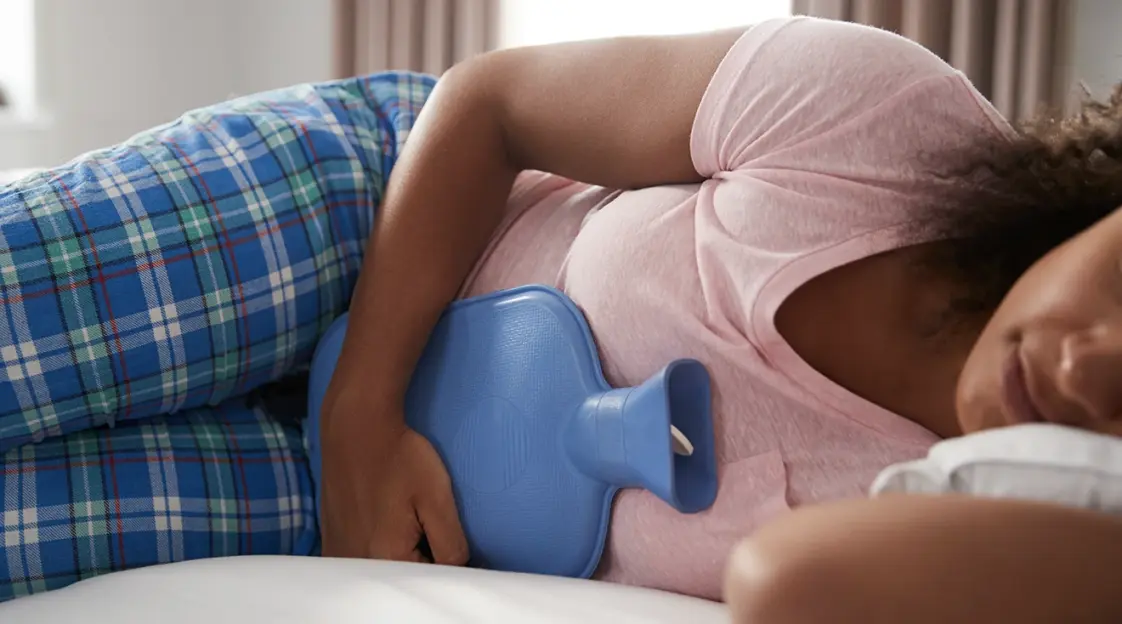
- Hot water bottles: Fill with warm (not boiling) water for flexible heat therapy.
- Warm baths or showers: Soak in warm water to relax multiple muscle groups.
- Heat wraps or patches: Single-use wraps stick to skin and provide heat for several hours, good for on-the-go relief.
These alternatives can be safer for people who cannot use electric pads.
When To See A Doctor
Heating pads help with mild or moderate pain, but see a doctor if:
- Pain lasts more than a few days
- Pain gets worse or spreads
- You have swelling, redness, or fever
- You develop blisters or open sores after using a pad
Sometimes, pain signals a serious problem that needs medical care.
Frequently Asked Questions
What Is The Safest Way To Use A Heating Pad?
The safest way is to use the lowest heat setting, limit use to 15–20 minutes, place a thin cloth between the pad and your skin, and never sleep with the pad on. Check your skin often for redness or irritation.
Can I Use A Heating Pad Every Day?
You can use a heating pad daily for chronic pain, but always follow the time and temperature limits. Give your skin breaks to prevent dryness or burns. If pain continues for more than a week, consult a doctor.
Are Heating Pads Safe During Pregnancy?
Heating pads are usually safe for short periods on the back or hips during pregnancy, but never on the abdomen. Ask your doctor before using one, especially if you have any complications.
Do Heating Pads Help With Arthritis Pain?
Yes, many people with arthritis find relief from heating pads. Heat relaxes muscles and improves blood flow to stiff joints. Moist heat can be especially helpful for deep joint pain.
What Should I Do If I Get Burned By A Heating Pad?
Remove the pad immediately, cool the area with lukewarm water, and cover with a clean cloth. Do not apply ice directly. If the burn is severe, blistered, or covers a large area, seek medical help right away. For more on burn first aid, visit Mayo Clinic.
The bottom line: heating pads are safe when used carefully and correctly. They can bring comfort and relief for many types of pain, but only if you respect the risks and follow safe practices. Listen to your body, read instructions, and talk to your doctor if you have questions. Safe heat can be a powerful tool for feeling better—just make sure you use it wisely.