Muscle pain can show up suddenly—a cramp after a workout, a sore back from sitting too long, or stiff shoulders from stress. Many people reach for a heating pad, hoping for relief. But does heat really help muscles heal and ease pain?
Or is it just a comforting habit? In this article, you’ll discover how heating pads work, when they help, when they don’t, and how to use them safely for the best results. We’ll also compare heat therapy with other options, share scientific evidence, and answer common questions.
If you want to understand muscle pain and make better choices for your body, you’re in the right place.
How Muscle Pain Happens
Muscle pain, also called myalgia, is common for people of all ages. It can come from many causes, such as:
- Overuse: Exercising too hard or moving in a new way.
- Injury: Falls, sprains, or strains.
- Tension: Stress can tighten muscles, especially in the neck and back.
- Medical conditions: Illnesses like the flu or chronic diseases.
Most muscle pain is temporary and goes away with simple care. But sometimes, it can last or come back often. Understanding the cause helps you choose the right treatment.
What Are Heating Pads?
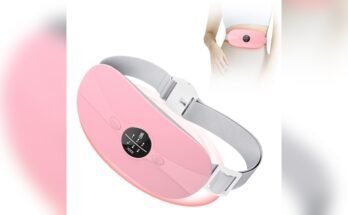
Heating pads are devices that deliver warmth to a small area of the body. They come in several types:
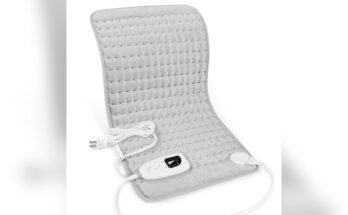
- Electric heating pads: Plug into the wall and have adjustable heat settings.
- Microwaveable pads: Filled with gel, rice, or other materials you heat in a microwave.
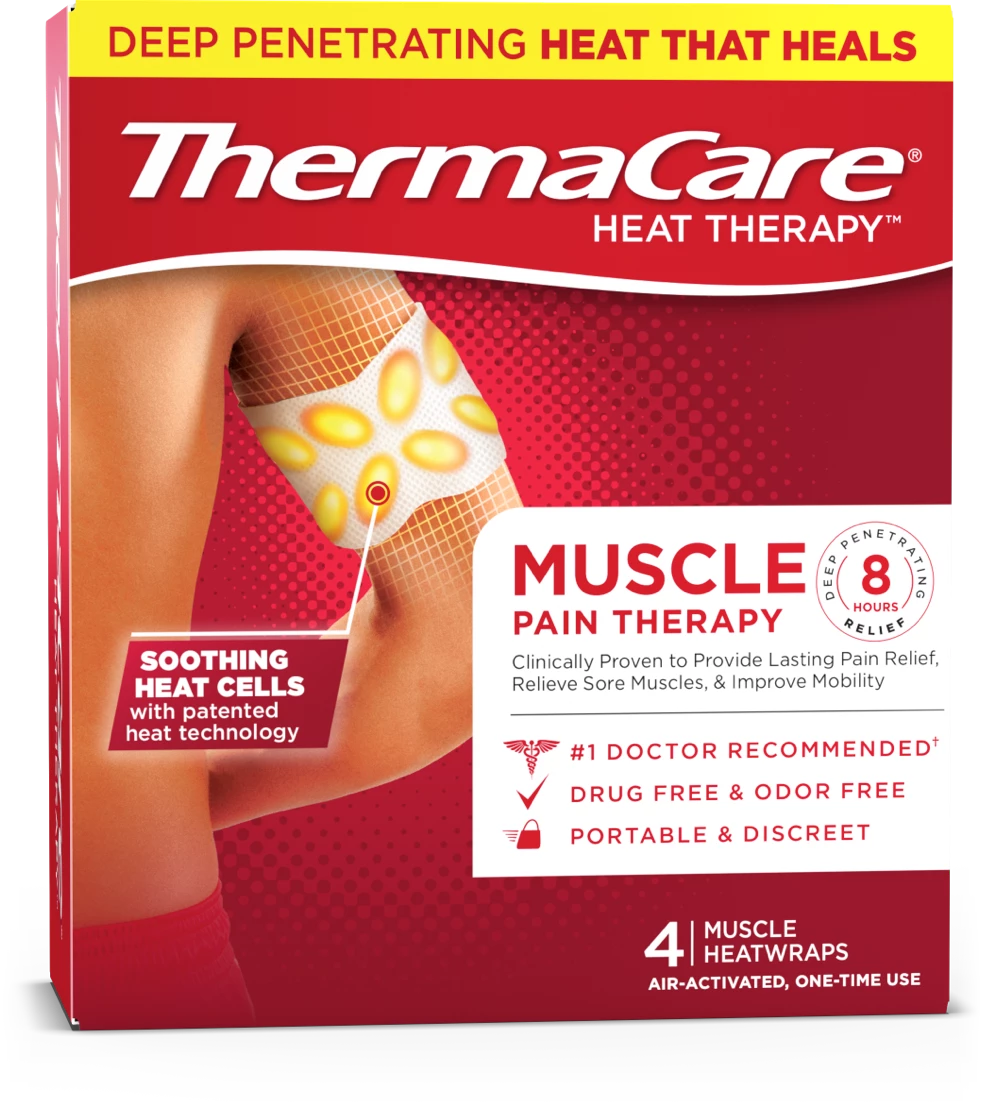
- Chemical heat packs: Use a chemical reaction to produce heat, often for one-time use.
- Infrared heating pads: Use light energy to deliver heat deeper into tissues.
Each type has pros and cons. Some are reusable and adjustable; others are disposable and easy to carry. The goal is the same: to warm up muscles and relieve discomfort.
How Does Heat Therapy Work?
Heat therapy, sometimes called thermotherapy, works by increasing blood flow to the area where you apply heat. When muscles get warmer, the blood vessels expand, bringing more oxygen and nutrients. This helps in several ways:
- Relaxes tight muscles: Warmth can reduce muscle spasms and stiffness.
- Decreases pain signals: Heat can block pain messages sent to the brain.
- Speeds up healing: More blood flow can clear waste products and support repair.
- Improves flexibility: Warm muscles stretch more easily, which helps before exercise.
But heat is not always the right choice. If muscles are swollen or injured very recently, heat can make things worse. That’s why knowing when to use heat—and when not to—is key.
When Should You Use Heating Pads For Muscle Pain?
Heating pads are most effective in these situations:
- Chronic muscle pain: For long-lasting aches, like lower back pain or neck tension.
- Stiffness: When you feel tight after waking up or sitting too long.
- Before activity: Warming up muscles before gentle exercise or stretching.
- After 48 hours of injury: Once swelling has gone down, heat can help relax the area.
Here are common examples:
- Sore back after gardening
- Tense neck from computer work
- Stiff shoulder from sleeping in a bad position
- Menstrual cramps
In these cases, heat can bring comfort and may speed up recovery.
When Should You Avoid Heating Pads?
There are times when heat can do more harm than good. Avoid heating pads if:
- The injury is new (first 24-48 hours): Heat can increase swelling and bleeding.
- There is swelling, bruising, or open wounds: Cold packs are better at first.
- You have poor sensation in the area: Conditions like diabetes can make it hard to feel burns.
- You have certain medical issues: For example, deep vein thrombosis (DVT) or infections.
If you’re unsure, it’s always safer to ask a doctor before using heat therapy.
How To Use Heating Pads Safely
Using heating pads sounds simple, but there are important safety steps. Here’s how to use them the right way:
- Check the temperature: Start with a low or medium setting. The pad should feel warm, not hot.
- Limit time: Use for 15-20 minutes at a time. Longer use can cause burns or skin damage.
- Never sleep with a heating pad: Falling asleep can lead to overheating or burns.
- Place a cloth between the pad and skin: This protects your skin from direct heat.
- Inspect the pad: Make sure there are no cracks, leaks, or broken wires.
Common Mistakes To Avoid
- Using a heating pad on numb or insensitive skin
- Applying heat to open wounds or infected areas
- Using a faulty or old heating pad
Who Should Be Extra Careful?
- Children and elderly people: Their skin is more sensitive.
- People with nerve damage or diabetes: They may not feel heat well and risk burns.

Scientific Evidence: Does Heat Help Muscle Pain?
Many studies have looked at heat therapy for muscle pain. Here’s what research shows:
- A review in the Journal of Clinical Medicine found that heat wraps can reduce lower back pain and improve movement after just one day of use.
- Athletes using heat therapy after workouts had less delayed-onset muscle soreness (DOMS) compared to those who did not.
- Chronic neck pain patients reported less pain and more flexibility after regular heat therapy.
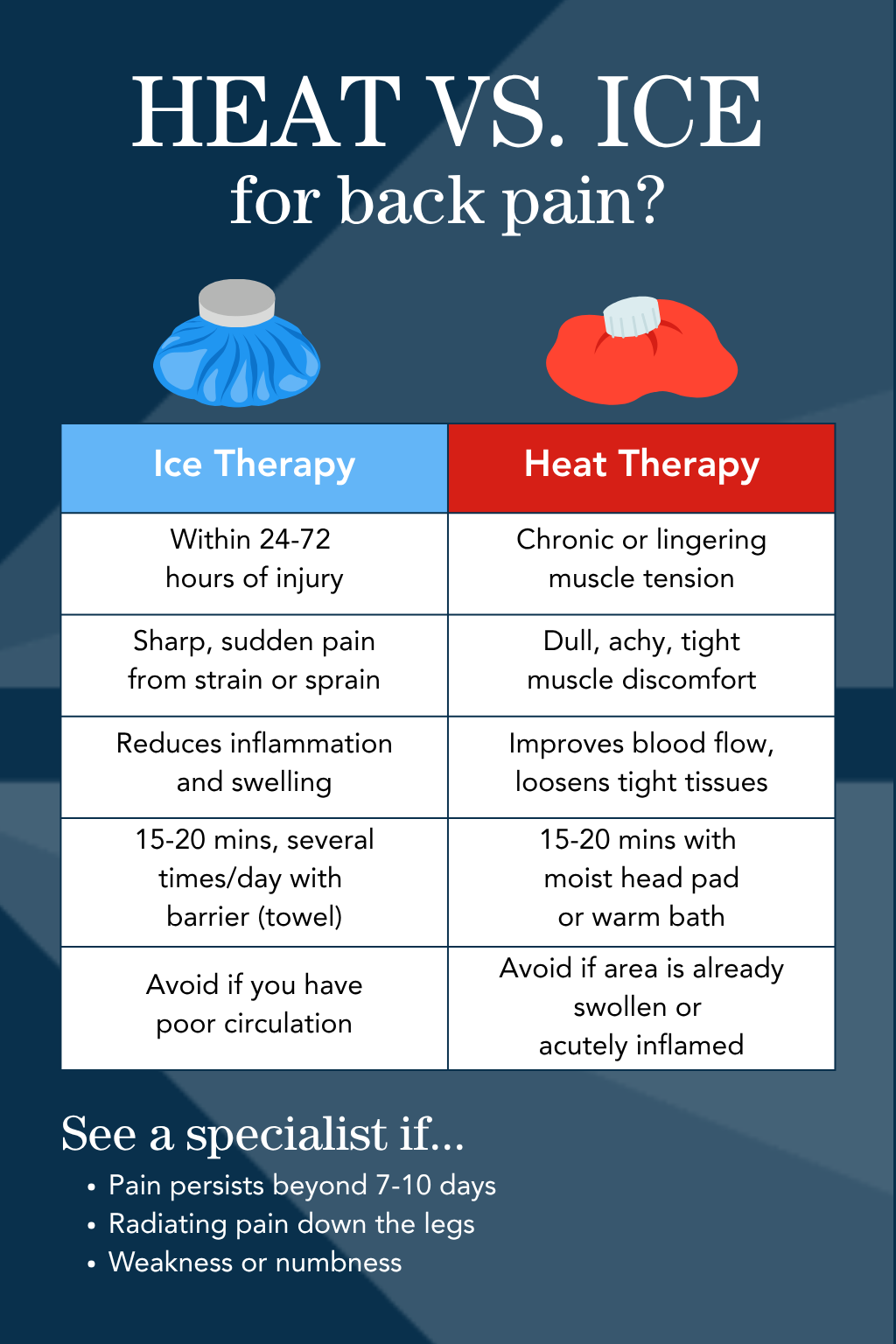
But not all pain responds the same way. For acute injuries (like a fresh sprain), ice is usually better in the first 48 hours. Heat can help later, once the swelling is gone.
Comparing Heat Therapy With Cold Therapy
It’s easy to confuse when to use heat and when to use ice. Here’s a side-by-side look:
| Situation | Heat Therapy (Heating Pads) | Cold Therapy (Ice Packs) |
|---|---|---|
| Chronic pain | Yes, often effective | Sometimes, for flare-ups |
| New injury (first 48 hours) | No, can increase swelling | Yes, reduces swelling |
| Muscle stiffness | Yes, very helpful | Rarely used |
| Swelling | No | Yes |
| Before exercise | Yes | No |
Key insight: Many people use heat for new injuries, which can slow down healing. Cold therapy is better for the first 48 hours after an injury to control swelling.
Types Of Heating Pads: Which One To Choose?
Choosing the right heating pad depends on your needs, budget, and lifestyle. Let’s compare popular options:
| Type | Pros | Cons | Best For |
|---|---|---|---|
| Electric heating pad | Adjustable heat, reusable, steady warmth | Needs power outlet, risk of overheating | Home use, long sessions |
| Microwaveable pad | Portable, no cords, natural filling | Heat fades, can overheat in microwave | Travel, quick relief |
| Chemical heat pack | One-time use, very portable | Not reusable, sometimes less hot | Sports, outdoor use |
| Infrared heating pad | Penetrates deeper, some research support | More expensive, needs power | Chronic pain, therapy sessions |
Quick tip: For home use, an electric pad is easiest. For travel or work, microwaveable or chemical packs are better.
How To Get The Most From Heat Therapy
It’s not just about turning on the pad. Here’s how to boost results:
- Stretch gently after using heat: Warm muscles stretch more easily, which helps reduce stiffness.
- Combine with massage: Massaging the area while it’s warm can break up tight spots.
- Use heat before activity: Warming up before movement can prevent injury, especially for chronic pain.
- Stay hydrated: Heat can dry the skin. Drink water to stay healthy.
- Keep a routine: For chronic pain, using heat at the same time each day can keep muscles relaxed.
Insight: Many people use heat only when pain is bad. For ongoing problems, regular use is more effective.
Heat Therapy Vs. Other Treatments For Muscle Pain
Heating pads are just one tool. Let’s see how they compare to other common options:
1. Over-the-counter Pain Relief
Drugs like ibuprofen or acetaminophen can help, but they treat symptoms, not the cause. Heat therapy can address muscle stiffness and support healing, but may work best when combined with these medicines.
2. Physical Therapy
Physical therapists often use heat along with exercise, stretching, and massage. This combined approach has strong evidence for chronic muscle pain.
3. Topical Creams
Some creams create a warming feeling, but do not reach deep muscles. Heating pads can warm deeper tissues.
4. Ice Packs
For new injuries, ice is better at reducing swelling and numbing pain. Heating pads are better for tightness and chronic pain.
5. Rest And Gentle Movement
Rest is important, but too much can cause muscles to stiffen. Heat can encourage gentle movement, which supports recovery.
Practical advice: Mix heat with other strategies for best results. Don’t rely on one method alone for lasting relief.
Real-life Examples: When Heating Pads Relieve Muscle Pain
Case 1: Sarah works at a computer all day. She gets neck and upper back pain. She uses a heating pad for 20 minutes each evening. After a week, her pain is much less, and she sleeps better.
Case 2: John plays soccer. He sprains his ankle. He puts heat on it right away, but the swelling gets worse. His doctor explains he should have used ice first, then heat a few days later.
Case 3: Mei has menstrual cramps. She uses a microwaveable pad on her lower belly and feels relief within 15 minutes. The heat helps her relax and reduces her need for painkillers.
These examples show that heating pads can work well, but timing and correct use are important.
Risks And Side Effects Of Heating Pads
While heating pads are usually safe, there are risks:
- Burns: If the pad is too hot or used too long.
- Skin irritation: Redness, blisters, or rashes.
- Fire hazard: With faulty electric pads or leaving them on while sleeping.
- Delayed healing: If used on new injuries with swelling.
Rarely, people with certain conditions (like poor circulation, nerve damage, or diabetes) may have serious problems. Always check your skin for redness or blisters during use.
Extra tip: If your skin turns red or you feel pain, stop immediately.
Who Should Not Use Heating Pads?
Certain people should talk to a doctor before using heating pads:
- People with diabetes: They may not feel heat and can burn easily.
- People with circulation problems: Heat can worsen some conditions.
- Pregnant women: Heat is usually safe on the back or limbs, but not on the belly unless a doctor says it’s okay.
- People with skin conditions: Heat can irritate rashes or infections.
- Children and elderly: Extra caution is needed as their skin is sensitive.
Myths About Heating Pads And Muscle Pain
Many people believe things about heat therapy that are not true. Here are some common myths:
1. “heat Works For All Pain.”
Not true. Ice is better for new injuries with swelling.
2. “higher Heat Means Faster Healing.”
Too much heat can burn or damage skin. Warm, not hot, is best.
- “You can use heating pads as long as you want.”
Using heat too long can harm your skin. Stick to 15-20 minutes at a time.
4. “heating Pads Cure The Problem.”
Heat helps with symptoms, but does not fix the cause of chronic muscle pain.
5. “heating Pads Are Safe For Everyone.”
People with certain health issues need to be careful.
Non-obvious Insights About Heating Pads
Most people know the basics, but here are a few things beginners often miss:
- Timing matters: Heat is best used before stretching or activity, not just when pain is worst.
- Hydration helps: Skin dries out faster with regular heat. Drink more water during regular use.
- Layering is important: A thin towel between the pad and skin lowers burn risk. Even if the pad feels warm, direct contact can still harm sensitive skin.
- Heat can mask serious problems: If pain doesn’t improve or gets worse, see a doctor. Heat should not be your only plan for ongoing pain.
How To Choose A Quality Heating Pad
With so many products on the market, here’s what to look for:
- Adjustable temperature: Lets you find the comfort level you need.
- Auto shut-off: Prevents burns if you fall asleep.
- Size and shape: Some pads fit necks, backs, or joints better than others.
- Material: Soft, washable covers are more comfortable.
- Warranty and safety certifications: Prove the device meets safety standards.
Warning: Cheap or fake heating pads may not have safety features and can be dangerous.
Where To Learn More
For deep, science-based information, you can check resources like the Wikipedia page on heat therapy. It covers medical uses, risks, and research in detail.
Frequently Asked Questions
What’s The Difference Between Heat And Ice For Muscle Pain?
Heat is best for chronic pain, stiffness, and before activity. It increases blood flow and relaxes muscles. Ice is best for new injuries with swelling, as it reduces blood flow and numbs pain. Use ice first, then heat after a few days if needed.
How Long Should I Use A Heating Pad?
Apply the pad for 15-20 minutes at a time. Wait at least an hour before using again. Do not use for longer periods, as this can cause burns or skin damage.
Can I Sleep With A Heating Pad On?
No, you should never sleep with a heating pad. There is a real risk of burns, overheating, or fire if you fall asleep while using one.
Are Heating Pads Safe During Pregnancy?
Heating pads are usually safe for the back, neck, or limbs during pregnancy, but do not use them on your belly unless your doctor says it’s okay. Always keep the heat at a low or medium setting.
What If My Pain Doesn’t Improve With Heat?
If you try heat therapy for a week and your pain does not get better or gets worse, see a doctor. Persistent pain could be a sign of a serious condition that needs medical treatment.
Final Thoughts
Heating pads are a simple, effective way to relieve many kinds of muscle pain, especially for chronic aches and stiffness. Used correctly, they can relax tight muscles, improve blood flow, and make movement easier. But they’re not a magic fix for all pain, and they carry risks if used carelessly.
Always check the cause of your pain, choose the right kind of heat, and follow safety tips. If you use heating pads wisely, they can be a reliable tool in your pain relief routine. If in doubt, or if pain lasts, talk to a healthcare professional for the best plan.