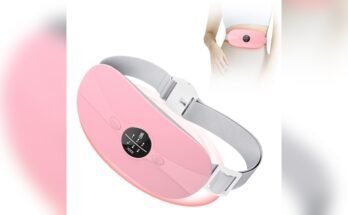
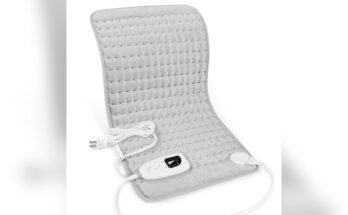
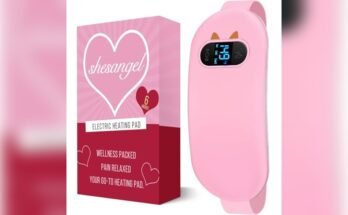
Every day, millions rely on heating pads to ease pain, relax muscles, and find comfort. They’re simple, affordable, and usually safe. But have you ever wondered, do heating pads lose effectiveness over time? If you’ve had one for years, maybe it doesn’t feel as warm, or it takes longer to heat up. This question matters—especially if you use a heating pad for regular pain relief or recovery. Understanding how long these devices last, why they might stop working well, and how to get the most from them can help you avoid discomfort and save money.
This article digs deep into the life span of heating pads. You’ll learn how different types of pads work, why some last longer, and what signs show your heating pad may be losing power. We’ll also look at how to care for your heating pad and compare top brands, so you can make smart choices.
Whether you’re a longtime user or just considering your first purchase, you’ll find everything you need to know right here.
How Heating Pads Work
Heating pads come in several forms, but the goal is always the same: deliver heat to the body safely and steadily. Most people use them to relax stiff muscles, soothe cramps, or manage chronic pain. To understand why they might lose effectiveness, you need to know how they function.
Types Of Heating Pads
- Electric heating pads: These have insulated wires and use electricity to generate heat. Most let you choose different temperature settings.
- Microwaveable pads: Filled with gel, grains, or beads, these pads are heated in a microwave. They release heat slowly as they cool down.
- Chemical heating pads: These pads use chemical reactions to produce heat. They’re usually single-use, handy for travel or emergencies.
- Infrared heating pads: These use infrared light to penetrate deeper into tissues. They tend to be more expensive and need careful handling.
How They Produce And Maintain Heat
- Electric pads: Electricity passes through a resistive wire, creating heat. The pad’s cover distributes warmth evenly.
- Microwaveable pads: Grains or gels inside absorb microwave energy, then release heat slowly.
- Chemical pads: Mixes chemicals like iron powder and salt. When exposed to air or water, they react and produce heat.
Each type has its own strengths and weaknesses, which affects how long they stay effective.
Why Heating Pads Lose Effectiveness
It’s frustrating when a heating pad doesn’t get as warm as it once did. There are several reasons this can happen, and most relate to the pad’s design, materials, and how you use and care for it.
Common Causes Of Reduced Effectiveness
- Wear and Tear: Over time, wires inside electric pads can bend, break, or corrode. This reduces heat output.
- Material Breakdown: The filling in microwaveable pads can dry out, clump, or burn. This means less heat is stored and released.
- Controller Issues: Electric pads use a thermostat or controller to regulate heat. If the controller fails, the pad may not heat up or may overheat.
- Battery Degradation: Some portable pads use batteries. These lose their charge capacity after many cycles, giving weaker heat.
- Chemical Exhaustion: Chemical pads are usually single-use. Once the reaction is done, the pad cannot be reheated.
How Usage Affects Lifespan
Pads used daily tend to wear out faster than those used occasionally. Using them at the highest setting constantly also shortens their life. Rolling, folding, or washing pads incorrectly can damage internal components.
Signs Your Heating Pad Is Losing Effectiveness
You might not notice right away when a heating pad starts to fail. Here are signs to watch for:
- Takes longer to heat up than it used to
- Maximum temperature feels lower
- Uneven heating (some spots hot, some cold)
- Visible damage (frayed wires, scorched fabric, leaking gel)
- Frequent shut-offs or blinking lights on electric models
- Shorter heat duration for microwaveable or chemical pads
If you notice these issues, it may be time to replace your pad.
How Long Do Heating Pads Usually Last?
The expected lifespan varies by type and brand. Below is a comparison to help you set realistic expectations.
| Type of Heating Pad | Average Lifespan | Common Issues |
|---|---|---|
| Electric | 2-5 years | Wire breakage, controller failure |
| Microwaveable | 6 months – 2 years | Drying out, burning, fabric wear |
| Chemical (single-use) | 1 use | Cannot be reused |
| Infrared | 3-5 years | Component failure, less heat penetration |
Electric pads tend to last several years with proper care. Microwaveable pads have a shorter life, especially if overheated. Infrared pads are durable but more expensive. Chemical pads are not designed for reuse.
What The Research Says
Few studies look directly at heating pad lifespan. However, consumer reports and user reviews show that most pads start to lose power after a few years, especially with heavy use. The U.S. Consumer Product Safety Commission suggests replacing electric heating pads every 2-5 years for safety reasons.
A 2021 survey by a major retailer found that 60% of people replaced their electric heating pad within five years because of lower heat or device failure. Another insight: people who followed the care instructions closely doubled their pad’s lifespan compared to those who did not.
How To Test Your Heating Pad’s Effectiveness
Not sure if your pad is as hot as it should be? Here are two simple ways to check:
- Thermometer test: Place a kitchen thermometer in the pad’s center, then run it at the highest setting. Compare the temperature to the pad’s manual (most electric pads should reach 104–140°F / 40–60°C).
- Touch test: Heat the pad as usual, then feel for evenness. If some areas are cold or much less warm, the pad may be wearing out.
Pro tip: If you use a pad for medical reasons, check its temperature often. Too little heat does not help, and too much may cause burns.
Do Heating Pads Lose Effectiveness Differently By Type?
Yes, each type of heating pad has unique weaknesses. Let’s compare how each type changes over time:
| Heating Pad Type | How It Loses Effectiveness | Best Practices for Longevity |
|---|---|---|
| Electric | Wire fatigue, thermostat failure | Don’t fold sharply, avoid liquid spills, unplug after use |
| Microwaveable | Drying, burning of filling | Heat at recommended intervals, never overheat, store dry |
| Chemical | One-time use | Store sealed, use as directed |
| Infrared | Component wear, dirty sensors | Wipe gently, avoid dropping, follow manual |
Electric pads last longest if handled gently and not left plugged in. Microwaveable pads should never be overheated, as this damages the filling and fabric.
How To Make Your Heating Pad Last Longer
Getting the most from your heating pad means more than just plugging it in. Here are practical tips to extend its life:
- Read the manual: Each pad has unique rules. Follow them, especially on cleaning and heating.
- Avoid folding: Sharp bends damage wires in electric pads and weaken fabric in microwaveable pads.
- Clean carefully: Most covers are washable, but the pad itself may not be. Check instructions.
- Store properly: Keep in a dry place, out of direct sunlight. Moisture causes corrosion, and sunlight weakens fabric.
- Use correct settings: Don’t always use the highest temperature. Lower settings are gentler on the device and your skin.
- Check for recalls: Sometimes, manufacturers recall pads for safety. Register your product if possible.
A non-obvious tip: rotate between two pads if you use them daily. This gives each pad time to cool and rest, reducing wear.
Are Newer Heating Pads More Durable?
Technology improves every year. Modern heating pads often include features that help them last longer, such as:
- Auto shut-off: Prevents overheating and wire fatigue
- Improved materials: Better fabric and insulation resist wear
- Waterproofing: Reduces risk of short circuits
Still, price does not always equal quality. Some expensive pads use the same basic technology as cheaper ones but add features you may not need.
Comparing Top Brands
Below is a comparison of popular electric heating pad brands based on durability and features.
| Brand | Average Lifespan | Key Features | User Ratings (out of 5) |
|---|---|---|---|
| Sunbeam | 3-5 years | Auto-off, washable cover | 4.3 |
| Pure Enrichment | 2-4 years | Fast heating, extra-long cord | 4.5 |
| ThermaCare | Single use | Disposable, portable | 4.1 |
| Thermotex Infrared | 4-6 years | Deep tissue heating, replaceable parts | 4.7 |
The Thermotex Infrared pad lasts longest but costs more. The Sunbeam and Pure Enrichment brands are popular for everyday use.
Safety Risks When Heating Pads Lose Effectiveness
Using a weak pad may seem harmless, but there are risks:
- Overheating: If a pad’s thermostat fails, it might get too hot and cause burns.
- Electric shock: Damaged wires or wet pads can lead to shocks or fire.
- Skin irritation: Older pads may have worn fabric that irritates skin or traps bacteria.
Never use a pad with exposed wires, burnt fabric, or leaking gel. Replace the pad instead of risking injury.
When Should You Replace Your Heating Pad?
It’s tempting to keep using a pad as long as it works, but safety and comfort should come first. Replace your heating pad if:
- It no longer reaches the desired temperature
- The heating is uneven or delayed
- You see visible damage (burns, frays, leaks)
- The controller malfunctions or flashes error lights
- The pad is more than 5 years old (for electric models)
It’s better to spend a little on a new pad than risk injury with an old one.
Common Myths About Heating Pad Longevity
Many people believe myths about heating pads. Here are some common ones—and the real facts:
- Myth: All heating pads last for many years if used gently.
Fact: Even with gentle use, parts wear out, especially in electric models.
- Myth: Low heat settings always protect your pad.
Fact: Low settings help, but all electronics degrade over time.
- Myth: Microwaveable pads last forever if you don’t overheat them.
Fact: The filling loses moisture and effectiveness with repeated use.
- Myth: Repairs make old heating pads as good as new.
Fact: Repairs may restore function, but safety is never guaranteed. Replace old pads.
Understanding these truths helps you make better decisions about when to keep or replace your heating pad.
Are There Alternatives When A Heating Pad Wears Out?
If your heating pad is wearing out, you may want to consider alternatives for heat therapy:
- Hot water bottles: Reliable and reusable, but don’t offer adjustable heat.
- Warm towels: Heat in a microwave or with hot water. They cool quickly, so best for short use.
- Reusable gel packs: Can be heated in water or microwave, but may not fit all body shapes.
- Heated blankets: Cover larger areas, but less portable.
Each method has pros and cons. For example, hot water bottles are simple, but can leak. Gel packs are flexible, but may not stay warm long. If you need steady, long-term heat, a new heating pad is usually best.
Environmental Impact: What Happens To Old Heating Pads?
Heating pads, especially electric and chemical types, are not always easy to recycle. Here’s what you should know:
- Electric pads often have wires, plastic, and fabric that local recycling programs won’t accept. Some brands offer recycling or take-back programs.
- Microwaveable pads can sometimes be composted if filled with natural grains (like rice or flax), but check the cover material first.
- Chemical pads should be thrown in regular trash unless the packaging says otherwise.
Before discarding, check your local rules. Never throw electric heating pads into regular recycling bins—they can damage sorting equipment.
Expert Advice: How To Choose A Long-lasting Heating Pad
Choosing a heating pad that stays effective for years is about more than just price. Here’s what experts recommend:
- Look for auto shut-off: This feature prevents overheating and extends device life.
- Choose washable covers: Clean pads last longer and are safer for your skin.
- Check warranty length: A longer warranty usually means better parts and support.
- Read user reviews: Real-life experiences often reveal problems not listed in ads.
- Buy from established brands: They’re more likely to honor warranties and follow safety standards.
For deeper research into product safety, you can visit the U.S. Consumer Product Safety Commission.
Frequently Asked Questions
How Often Should I Replace My Heating Pad?
Most electric heating pads should be replaced every 2–5 years, even if they still work. Microwaveable pads last 6 months to 2 years, depending on use. Replace your pad sooner if you notice lower heat, damage, or strange smells.
Can I Repair A Heating Pad That Has Stopped Working?
It’s not recommended to repair a heating pad yourself, especially electric models. DIY fixes can be unsafe and may lead to shock or fire. It’s safer to buy a new, certified pad.
Why Does My Heating Pad Heat Unevenly?
Uneven heating usually means the wires inside have shifted, broken, or worn out. In microwaveable pads, the filling may have clumped together or burned. This is a sign your pad is nearing the end of its life.
Are Expensive Heating Pads Always Better?
Not always. Higher price can mean more features, but not necessarily better durability. Check user reviews, warranty length, and brand reputation before buying.
Is It Safe To Use An Old Heating Pad?
It’s risky to use old heating pads, especially if they show signs of wear or damage. Old electric pads are more likely to overheat, shock, or catch fire. For safety, replace your pad if it’s more than 5 years old or has visible problems.
Final Thoughts
Heating pads are a simple and effective way to manage pain, but they don’t last forever. Over time, wires, fabric, and fillings wear out, leading to less heat and possible safety risks. By understanding how your heating pad works, watching for signs of reduced effectiveness, and following care instructions, you can keep your pad working well for years.
Don’t ignore problems—replace your heating pad when it loses power or shows damage. A little attention now means better comfort and safety for the future.