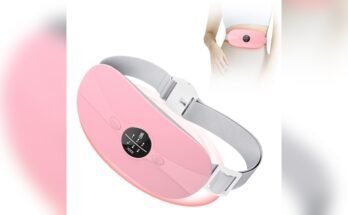
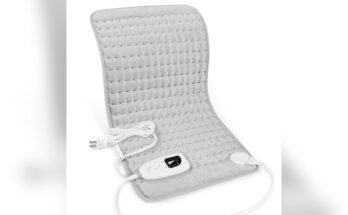
Many people reach for a heating pad when they feel muscle pain, cramps, or stiffness. The gentle warmth often brings quick relief and comfort, making it a popular choice for home therapy. But a common question remains: Are heating pads safe for daily use? This is more than just a curiosity. It is important for anyone who uses heat therapy, whether for back pain, period cramps, or simply to relax tired muscles.
Let’s explore the science behind heating pads, the real risks and benefits, and what smart daily use looks like. You will learn how to use these devices safely, discover situations when you should avoid them, and get expert guidance on making the best decisions for your health.
How Heating Pads Work
Heating pads are simple devices designed to apply localized heat to specific parts of the body. They come in many forms, including electric, microwavable, chemical, and even hot water bottles. The main goal is to raise the temperature of the skin and underlying tissue, which helps to:
- Increase blood flow
- Relax tight muscles
- Reduce pain signals to the brain
When you place a heating pad on an aching muscle, the heat widens blood vessels (a process called vasodilation). This allows more oxygen and nutrients to reach the tissue, which can speed up healing and wash away waste products that cause soreness.
Heat also has a comforting effect on nerves. It can reduce the feeling of pain by blocking pain messages sent to the brain. This is why many people find heating pads helpful for muscle spasms, arthritis, and menstrual cramps.
Types Of Heating Pads And Their Differences
Not all heating pads are the same. Understanding the differences can help you choose the right one for daily use.
| Type | Main Features | Pros | Cons |
|---|---|---|---|
| Electric Heating Pads | Plug into wall, adjustable temperature | Consistent heat, easy to use | Risk of burns, needs electricity |
| Microwavable Heating Pads | Heated in microwave, often filled with rice or gel | No cords, portable | Heat fades quickly, risk of overheating |
| Chemical Heating Pads | Single-use, activated by squeezing or shaking | Great for travel, no electricity needed | Single-use waste, not adjustable |
| Hot Water Bottles | Filled with hot water, rubber container | Simple, reusable | Can leak, slower to heat |
Electric heating pads are the most popular for daily use because they provide steady, adjustable heat. However, they must be used with care to avoid burns or fire hazards.
Proven Benefits Of Using Heating Pads
Heating pads are not just about comfort—they are backed by science. Here are the main benefits supported by research and clinical practice:
- Pain Relief: Heat therapy can help reduce pain from muscle aches, joint stiffness, menstrual cramps, and some types of chronic pain. Studies show it works well for lower back pain, neck pain, and arthritis.
- Muscle Relaxation: The warmth helps tight muscles loosen up, making it easier to move and stretch.
- Improved Flexibility: Applying heat before exercise or stretching can increase flexibility and range of motion.
- Better Blood Flow: Heat draws more blood to the area, which can help heal injuries and speed recovery.
- Stress Relief: The comforting feeling of warmth can help reduce stress, making it easier to rest and sleep.
For example, a study published in the Journal of Clinical Medicine found that people with chronic low back pain experienced less pain and more comfort after using a heating pad for 30 minutes a day.
Risks And Side Effects Of Daily Heating Pad Use
While heating pads offer many benefits, using them every day is not always risk-free. Here are the main risks to consider:
1. Burns And Skin Damage
This is the most common risk, especially with electric heating pads. If the pad is too hot or left on the skin for too long, it can cause first- or even second-degree burns. Older adults and people with reduced skin sensation are at higher risk.
2. Dry Skin And Rashes
Repeated exposure to heat can dry out the skin, leading to irritation and sometimes rashes. This is more likely if you use a heating pad directly on bare skin.
3. Reduced Sensitivity
If you use heat on the same spot every day, your skin may become less sensitive. This makes it harder to notice when the pad is too hot, increasing the risk of injury.
4. Worsening Certain Conditions
Heat can make some health problems worse. For example, if you have an infection, using a heating pad can speed up the growth of bacteria. People with poor blood flow, such as those with diabetes or vascular disease, should also be careful.
5. Fire Hazard
Electric pads, if faulty or misused, can cause fires. Most modern devices have safety features, but older models or homemade pads are more dangerous.
How To Use A Heating Pad Safely Every Day
Daily use is possible, but you need to follow some basic safety tips. Here’s how to get the most benefits with the least risk:
- Limit the Time: Do not use a heating pad for more than 20–30 minutes at a time. Take breaks between uses.
- Use a Low or Medium Setting: Start with the lowest heat and only increase if needed. High heat increases the risk of burns.
- Place a Cloth Barrier: Always put a thin towel or cloth between your skin and the pad. Never put the pad directly on bare skin.
- Check Your Skin: After each session, check the area for redness, blisters, or other signs of irritation.
- Do Not Sleep With It: Never fall asleep with a heating pad on. You may not wake up if it gets too hot.
- Replace Old Pads: If your pad is more than a few years old or shows signs of wear, replace it.
- Keep Away from Water: Never use electric heating pads near water or in damp conditions.
When You Should Not Use A Heating Pad
There are times when using a heating pad can do more harm than good. Avoid heat therapy if:
- You have reduced sensation in the area (due to nerve damage, diabetes, or other causes)
- The area is swollen or bruised (use ice for the first 48 hours after an injury)
- You see open wounds or skin infections
- You have poor circulation
- You suspect deep vein thrombosis (blood clots in the leg)
- You are pregnant and considering using heat on your abdomen or lower back (check with your doctor first)
If you are not sure, always ask your healthcare provider before using a heating pad daily.
Common Mistakes People Make With Heating Pads
Even experienced users sometimes make mistakes. Here are two that are often overlooked:
- Not Checking Pad Temperature Regularly: Many people set their pad on high and forget to check the temperature. Over time, some pads can get hotter than expected, especially if the internal sensor fails. Always test the pad with your hand before placing it on your body.
- Ignoring Early Signs of Overuse: Mild redness or dryness may seem harmless, but they are early warning signs. If you notice these, reduce your sessions or switch to a lower setting.
Another common mistake is using a heating pad for pain without knowing the cause. Some types of pain need cold therapy or medical attention instead of heat.
Comparing Daily Use To Occasional Use
Is there a real difference between using a heating pad every day and using it only when needed? Here’s a quick comparison:
| Aspect | Daily Use | Occasional Use |
|---|---|---|
| Pain Relief | Consistent, may help chronic conditions | Good for sudden pain or injury |
| Skin Risks | Higher risk of burns, dryness | Lower risk if used rarely |
| Habit Formation | Possible dependence on heat for comfort | Less likely to become a habit |
| Cost | Higher (electricity, pad replacement) | Lower |
Daily use may be fine for some people, especially those with chronic pain, but it should be done with care. Occasional use carries fewer risks.

What Science Says About Long-term Safety
Most studies on heat therapy focus on short-term use (days or weeks). There is less research on long-term, daily use, but the risks mostly relate to skin health, burns, and masking underlying health problems.
For example, a review in the journal *Physical Therapy* found that heating pads are generally safe when used as directed. Most injuries happened when people fell asleep with the pad on or used it on areas with reduced sensation.
There is no strong evidence that daily use causes long-term harm if you follow all safety rules. However, it is important to let your skin “rest” and avoid using heat on the same area for hours every day.
Special Groups: Who Needs Extra Caution?
Some people need to be especially careful with heating pads:
- Older Adults: Skin is thinner and more sensitive. Burns can happen faster.
- Children: Should only use heating pads with adult supervision.
- People with Diabetes: Nerve damage can make it hard to feel heat, increasing burn risk.
- Pregnant Women: Heat can be safe for some aches, but avoid using pads on the belly unless approved by a doctor.
- People with Circulation Problems: Heat may worsen their condition.
If you belong to one of these groups, talk to your doctor before using a heating pad daily.
Signs You Are Using A Heating Pad Too Much
Your body will usually give you signals if you are overdoing heat therapy. Watch for:
- Persistent redness or dark spots on the skin
- Blisters or peeling
- Numbness in the area after use
- Itching or dryness that won’t go away
- Pain that returns quickly after you remove the pad
If you notice any of these, stop using the heating pad and let your skin recover. For serious burns, seek medical help right away.
Alternatives To Heating Pads For Daily Pain Relief
If you want to avoid the risks of daily heat, there are other ways to manage pain and relax muscles:
- Warm Baths: The water surrounds your body with gentle heat, reducing the risk of burns.
- Gentle Stretching: Improves blood flow and flexibility without heat.
- Massage: Helps relax muscles and can be done with or without heat.
- Topical Creams: Some creams create a warming feeling without using actual heat.
- Physical Therapy: Can address the root cause of pain and teach safe home exercises.
Mixing these methods with occasional heating pad use can give you the best results with less risk.
:max_bytes(150000):strip_icc()/hlt-heating-pads-tout-16324e4ee2ae41bbab70e5078e52484b.jpg)
Real-world Tips For Safe Daily Use
Here are some expert-backed tips you might not know:
- Rotate Areas: Don’t use the pad on the same spot every day. Move it around to avoid skin damage.
- Hydrate Your Skin: Use a gentle moisturizer after heat therapy to prevent dryness.
- Set a Timer: Use your phone or a kitchen timer so you never go over 30 minutes.
- Check for Auto-Off Features: Modern electric pads often shut off automatically after 30–60 minutes. This adds extra safety.
- Keep Pads Clean: Wash cloth covers regularly to prevent skin irritation or infection.
How To Choose A Safe Heating Pad
Not all heating pads are created equal. Here’s what to look for if you plan to use one daily:
| Feature | Why It Matters |
|---|---|
| Adjustable Heat Settings | Lets you start low and avoid burns |
| Auto Shut-Off | Reduces risk if you fall asleep |
| Washable Cover | Keeps the pad clean and skin-safe |
| UL or CE Certification | Shows the device meets safety standards |
Avoid buying very cheap, uncertified pads online. Read reviews and choose a trusted brand.
Myths And Misunderstandings About Heating Pads
Many people believe that “if a little heat is good, more must be better. ” This is not true. Overusing heat can actually slow healing or cause burns.
Another myth is that heating pads can “melt fat” or cure all types of pain. In reality, they help with muscle relaxation and pain relief, but do not change your body’s fat or cure serious medical conditions.
What To Do If You Get A Burn
If you accidentally burn your skin with a heating pad:
- Remove the heat source immediately.
- Cool the area with cool (not cold) water for 10–20 minutes.
- Cover with a clean cloth.
- Do not apply creams or ice directly on the burn.
- Seek medical help if the burn is large, blistered, or very painful.
Even small burns can get infected, so watch them carefully.
When To See A Doctor
Pain that does not improve with heat or gets worse may be a sign of a bigger problem. See your doctor if:
- The pain lasts more than a week
- You have swelling, fever, or numbness
- You notice changes in skin color or sensation
- You are not sure if heat is safe for your condition
Your doctor can help you figure out the safest way to use heat therapy and may suggest other treatments.
Frequently Asked Questions
Can I Use A Heating Pad Every Night?
Using a heating pad every night is not recommended, especially while sleeping. The risk of burns increases because you may not wake up if the pad gets too hot or shifts position. It is safer to use the pad before bed and remove it before sleeping.
What Is The Safest Type Of Heating Pad For Daily Use?
Electric heating pads with adjustable settings and auto shut-off features are usually safest for daily use. Always use a cloth barrier and follow the instructions. For travel or emergencies, microwavable or chemical pads are good, but make sure they are not too hot.
Can Heating Pads Damage Nerves Or Muscles With Daily Use?
When used as directed, heating pads do not harm nerves or muscles. However, using them at high heat or for too long can cause skin and tissue damage, especially if you have reduced sensation. Always limit sessions to 20–30 minutes and check your skin after each use.
Are There Medical Conditions That Make Heating Pads Unsafe?
Yes. Conditions like diabetes (with nerve damage), poor blood flow, skin infections, or open wounds make heat therapy risky. If you are pregnant or have heart disease, ask your doctor before using a heating pad regularly.
Can I Use A Heating Pad With Pain Medication Or Ointments?
Be careful if you are using creams or patches with a heating pad. Some ingredients, like menthol, can increase the risk of burns or skin reactions when combined with heat. Always read the instructions and ask your pharmacist or doctor if you are unsure.
For more safety information and recommendations, you can visit the Mayo Clinic.
Heating pads can be a safe and helpful tool for daily comfort if you use them wisely. Pay attention to your body, follow safety rules, and don’t hesitate to ask a healthcare provider if you have any doubts. Safe and smart use will help you get all the benefits of heat therapy—with none of the regrets.