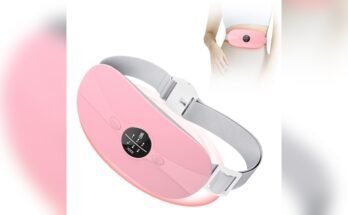
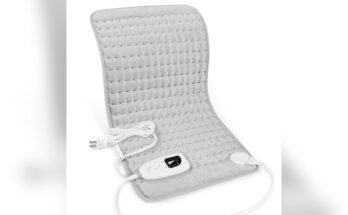
Shoulder pain is a common problem that can affect anyone, from young athletes to older adults. Whether you woke up with a stiff neck, strained a muscle during exercise, or have been dealing with chronic discomfort, shoulder pain can disrupt daily life.
Many people look for simple ways to ease the pain at home, and one of the most popular solutions is using a heating pad. But do heating pads really help with shoulder pain? Let’s explore the science, the benefits, and the best practices for using heat therapy for your shoulder.
What Causes Shoulder Pain?
Before looking at treatment, it’s important to understand what might be causing your shoulder pain. The shoulder is a complex joint with many muscles, tendons, and ligaments. Pain can come from different areas and for different reasons:
- Muscle strain: Overuse or lifting heavy objects can stretch or tear shoulder muscles.
- Rotator cuff injuries: These are common in athletes and older adults.
- Tendinitis or bursitis: Inflammation of tendons or bursae (small fluid-filled sacs) in the shoulder.
- Frozen shoulder: Stiffness and pain that get worse over time.
- Arthritis: Wear and tear of the joint, often seen in older people.
- Referred pain: Sometimes, problems in the neck or back can cause pain in the shoulder.
Each cause may need different treatment, so knowing the root of your pain is important.
How Does Heat Therapy Work?
Heat therapy, sometimes called thermotherapy, is the use of warm objects or pads to treat pain and stiffness. When you place a heating pad on your shoulder, it raises the temperature of the skin and underlying tissues. This can:
- Increase blood flow to the area, bringing nutrients and oxygen.
- Relax tight muscles and reduce spasms.
- Loosen stiff joints and improve movement.
- Decrease the sensation of pain.
Heat therapy is different from cold therapy, which is used to reduce swelling and numb sharp pain, often right after an injury.
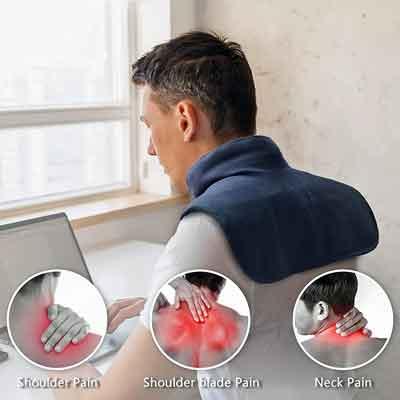
Science Behind Heating Pads For Shoulder Pain
Many studies support the use of heat for muscle and joint pain. According to a review published in the Journal of Clinical Medicine, heat therapy can help relieve pain, increase flexibility, and speed up recovery for muscle injuries. The warmth from a heating pad can change how your nerves send pain signals to your brain, making you feel less discomfort.
A study from the University of Medicine and Pharmacy found that local heat increased blood flow to muscles by more than 200%, helping to heal damaged tissue faster. However, not all shoulder pain will respond the same way. For example, heat may not be suitable for injuries with a lot of swelling or bruising.
Types Of Heating Pads
There are several types of heating pads you can use at home. Each has its own benefits and considerations. Here’s a quick comparison:
| Type | How It Works | Best For | Cost | Special Features |
|---|---|---|---|---|
| Electric Heating Pad | Plugs in and heats up using electricity | Daily use, adjustable heat | $$ | Temperature control, auto shut-off |
| Microwaveable Pad | Heated in microwave, filled with gel or grains | Quick use, no wires | $ | Portable, moist heat option |
| Chemical Heat Pack | Single-use, heats up when activated | Travel, emergencies | $ | No electricity needed |
| Infrared Heating Pad | Uses infrared light to heat deeper tissues | Chronic pain, deep tissue relief | $$$ | Penetrates deeper than standard pads |
Choosing the right type depends on your budget, how often you plan to use it, and whether you need moist or dry heat.

Benefits Of Heating Pads For Shoulder Pain
There are several reasons why heating pads are a go-to choice for many people with shoulder pain:
1. Fast Pain Relief
Heat can quickly reduce discomfort by relaxing tense muscles. Many people feel better within minutes of applying a heating pad.
2. Improved Flexibility
Stiff shoulders can make it hard to move your arm. Warming the area loosens up muscles and joints, making it easier to stretch and do gentle exercises.
3. Enhanced Healing
By increasing blood flow, heat brings more oxygen and nutrients to injured tissues. This can support faster recovery, especially for minor muscle strains.
4. Non-invasive And Drug-free
Heating pads don’t require medication or needles. This makes them a safe first option for many people, especially those who want to avoid painkillers.
5. Comfort And Stress Reduction
Warmth can be soothing and help lower stress. When you’re relaxed, you may feel less pain and sleep better.
When To Use A Heating Pad For Shoulder Pain
Heat works best for certain types of shoulder pain:
- Chronic pain: Ongoing discomfort from arthritis or old injuries.
- Muscle tension: Soreness after exercise or from stress.
- Stiffness: Feeling tight or hard to move, especially in the morning.
If your pain is new (acute), especially after a fall or injury, cold therapy is usually better for the first 24-48 hours. After swelling goes down, you can switch to heat.
How To Use A Heating Pad Safely
Using a heating pad is simple, but safety is important to prevent burns or skin damage. Here are some tips:
- Set the right temperature: Use a medium or low setting. High heat can burn your skin, especially if you have nerve problems or diabetes.
- Limit time: Use for 15-20 minutes at a time. Take breaks between sessions.
- Protect your skin: Place a cloth between the pad and your skin. Never place a heating pad directly on bare skin.
- Never sleep with it on: Falling asleep with a heating pad can lead to burns.
- Check your skin: If you notice redness or blisters, stop using the pad and let your skin heal.
When Not To Use Heat Therapy
While heat is helpful for many, there are times when it’s not a good idea:
- Right after a new injury (within 48 hours), especially if there’s swelling or bruising.
- If you have open wounds or skin infections.
- If you have poor circulation or nerve damage in the area.
- For people with certain medical conditions, like diabetes or vascular disease, consult a doctor first.
Heat Vs. Cold: Which Is Better For Shoulder Pain?
Both heat and cold therapy have their place in pain relief, but they are used for different reasons. Here’s a quick overview:
| Heat Therapy | Cold Therapy |
|---|---|
| Relaxes muscles | Reduces swelling |
| Improves flexibility | Numbs sharp pain |
| Best for chronic pain | Best for new injuries |
| Speeds up healing | Prevents tissue damage |
If you’re not sure which to use, start with cold for recent injuries, then move to heat as the pain and swelling decrease.
Practical Steps For Using A Heating Pad On Your Shoulder
To get the most benefit from a heating pad, follow these steps:
- Choose the right pad: For shoulder pain, a pad that wraps around the joint or has straps is helpful.
- Warm it up: Plug in or heat as directed. Test the temperature with your hand before applying.
- Place over clothing or a towel: Never put it directly on your skin.
- Relax in a comfortable position: Sit or lie down so your shoulder is supported.
- Use for 15-20 minutes: Set a timer to avoid overuse.
- Repeat if needed: Wait at least an hour between sessions.
How Heating Pads Compare To Other Home Remedies
Many people try other home remedies for shoulder pain, such as:
- Cold packs: Good for swelling and new injuries.
- Topical creams: Some contain menthol or capsaicin to relieve pain.
- Massage: Can relax muscles and improve blood flow.
- Stretching and exercise: Keeps the shoulder flexible and strong.
Here’s a quick comparison:
| Remedy | Main Benefit | Best For | Downsides |
|---|---|---|---|
| Heating Pad | Relaxes muscles, soothes pain | Chronic, stiff, or tense shoulders | Can cause burns if overused |
| Cold Pack | Reduces swelling, numbs pain | New injuries, inflammation | May worsen stiffness |
| Massage | Improves circulation, relieves tension | Muscle knots, stress | Can be expensive, not always available |
| Topical Cream | Cools or warms skin, distracts from pain | Mild pain | Temporary effect |
Heating pads stand out for being easy to use, affordable, and effective for many types of shoulder pain.
Common Mistakes When Using Heating Pads
Even though heating pads are simple, people often make mistakes that reduce their effectiveness or cause harm. Here are some things to avoid:
1. Using Heat Too Soon After Injury
Applying heat to a fresh injury can make swelling and pain worse. Always use cold first, then switch to heat after a day or two.
2. Using High Temperatures
Many people think higher heat means better results, but this increases the risk of burns. Medium heat is usually enough.
3. Using For Too Long
Leaving a heating pad on for hours can damage your skin. Stick to 15-20 minutes per session.
4. Falling Asleep With The Pad On
Never sleep with a heating pad, even on a timer. It’s easy to roll over and press the pad into your skin, causing burns.
5. Ignoring Underlying Problems
Heat can mask pain, but it won’t fix serious injuries like tears or fractures. If your pain is severe or doesn’t improve, see a doctor.
Non-obvious Insights For Getting The Most From Heat Therapy
- Combine Heat with Gentle Movement: After using a heating pad, your shoulder will be more flexible. This is the best time to do gentle stretches or range-of-motion exercises. It helps prevent stiffness from returning and can speed up recovery.
- Moist Heat Can Be More Effective: Some studies show that moist heat (from a damp towel or special pad) penetrates deeper and provides longer-lasting relief compared to dry heat. If you’re not getting results from a regular pad, try a moist heat pack.
- Check Your Sleep Position: Many people’s shoulder pain comes from sleeping on one side or using the wrong pillow. Combining heat therapy with better sleep posture can lead to lasting results.
- Don’t Ignore Posture During the Day: Desk jobs and smartphone use often lead to poor posture, which causes shoulder tension. Use heat as a way to interrupt long periods of poor posture. For example, take a break every hour to apply heat and stretch.
- Consult a Professional for Chronic Pain: If you’ve used heat regularly for a few weeks with little improvement, you may need physical therapy or a medical checkup.
When To See A Doctor
Not all shoulder pain can be treated at home. See a healthcare provider if:
- Pain lasts longer than two weeks.
- You have sudden, severe pain or can’t move your arm.
- There is visible swelling, bruising, or deformity.
- You have fever, redness, or signs of infection.
- Numbness, tingling, or weakness in your arm.
These may signal a more serious problem such as a torn tendon, fracture, or nerve issue.
Real-life Example: Sarah’s Story
Sarah, a 38-year-old office worker, started having shoulder pain after long hours at her desk. At first, she ignored it, but the pain got worse and made it hard to lift her arm. She tried over-the-counter painkillers, but they didn’t help much.
A friend suggested she use a heating pad. Sarah used the pad for 15 minutes in the morning and again in the evening. She also did gentle shoulder stretches right after using the pad. Within a week, she noticed less pain and more movement in her shoulder.
Sarah also adjusted her work setup and took more breaks.
Her story shows that heating pads can be a useful part of home care, but lasting relief often requires changes in daily habits and posture.
The Role Of Heating Pads In Recovery And Prevention
Heating pads are not just for short-term pain relief. They can also play a role in:
- Warming up before exercise: Using heat before stretching or working out can reduce the risk of further injury.
- Post-exercise recovery: Applying heat after activity can relax muscles and reduce soreness.
- Managing chronic conditions: People with arthritis or old injuries often use heat regularly to stay comfortable and active.
However, relying only on heat without addressing the root cause (like muscle weakness or poor posture) will not provide lasting results.
Expert Opinions And Research
Experts agree that heating pads are safe and effective for many types of shoulder pain. According to the American Physical Therapy Association, heat therapy is often recommended for muscle tension and chronic pain. However, they caution that it should be part of a larger treatment plan, including exercise and ergonomic changes.
Research published by the National Institutes of Health shows that combining heat therapy with physical therapy exercises leads to better outcomes than using heat alone. This supports the idea that heating pads are most useful as part of a complete shoulder care routine.
For more in-depth information about heat therapy and its benefits, see this Mayo Clinic heat therapy overview.
Frequently Asked Questions
Can I Use A Heating Pad Every Day For Shoulder Pain?
Yes, you can use a heating pad daily if you follow safety rules. Use it for 15-20 minutes at a time, and always place a cloth between the pad and your skin. If pain gets worse or does not improve, consult a doctor.
Is Heat Or Ice Better For A Sore Shoulder?
For new injuries with swelling, ice is better in the first 24-48 hours. For chronic pain, stiffness, or muscle tension, heat is usually more effective. Sometimes, alternating heat and cold helps.
Can Heating Pads Help With Shoulder Arthritis?
Heating pads can help relieve pain and stiffness from arthritis in the shoulder. They do not cure arthritis but can make movement easier and daily life more comfortable.
Are There Any Risks To Using A Heating Pad?
The main risk is skin burns, especially if you use high heat or fall asleep with the pad on. People with poor sensation or certain medical conditions should use extra caution or ask their doctor first.
What Type Of Heating Pad Is Best For Shoulder Pain?
Electric heating pads with adjustable settings are popular, but microwaveable or moist heat pads are also effective. Choose one that fits well on your shoulder and is easy to use safely.
Shoulder pain can make daily life hard, but simple home treatments like heating pads often provide real relief. Use heat wisely, pay attention to your body, and combine it with good posture and gentle exercise for the best results. If pain does not go away, seek medical advice to find the true cause and get the right treatment.