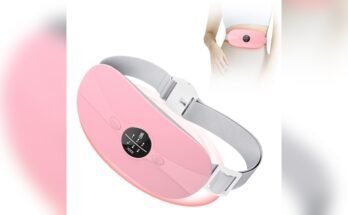
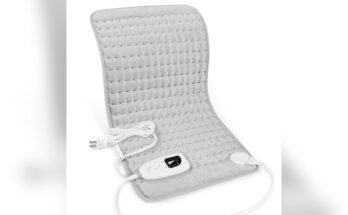
Many people use heating pads for pain relief, comfort, and even to warm up on cold nights. If you search online or visit a local store, you’ll find a wide range of heating pads—some cost just a few dollars, while others are much more expensive. It’s easy to think that a cheap heating pad will do the job just as well as a pricey one. But is that true? More importantly, are cheap heating pads safe to use on your body or in your home?
This question matters because heating pads connect directly to electricity or use other heat sources. If a pad is poorly made, it can cause burns, electric shock, or even start a fire. Still, with tight budgets, many people are tempted by the lower price tag.
This article will give you a clear, detailed look at the real safety of cheap heating pads. You’ll learn what risks they may bring, how they compare to more expensive options, what to look for when buying, and how to use them safely—so you can make a smart, safe decision for yourself and your family.
How Do Heating Pads Work?
Heating pads are simple devices. They produce heat to help ease muscle pain, joint stiffness, or cramps. Some use electricity, while others use chemical reactions or even hot water.
Electric heating pads have a heating element inside. When you plug them in and turn them on, electricity flows through the element and warms up the pad. The heat transfers to your body when you place the pad on your skin. You can usually control the temperature with a switch or dial.
Chemical heating pads use a reaction—often with iron, salt, and water—inside a sealed pack. When you squeeze or snap the pack, the chemicals mix and produce heat for a short time.
Hot water heating pads are simple cloth or rubber bags filled with hot water. The water holds the heat and slowly cools while you use it.
No matter the type, all heating pads must be made with safe materials and good design. If not, they can be dangerous.
Why Are Some Heating Pads So Cheap?
You might wonder why some heating pads are only a few dollars, while others cost much more. The price often depends on:
- Materials used: Cheaper pads may use thin or low-quality fabrics, weak wires, or poor insulation.
- Safety features: More expensive pads usually have automatic shut-off, temperature sensors, and better controls.
- Brand reputation: Well-known brands test their products more carefully and follow safety rules.
- Place of manufacture: Some cheap pads come from factories with little quality control.
- Warranty and support: Expensive brands often offer better customer service and replacement options.
A very cheap heating pad often means the maker saved money by using less safe parts or skipping safety testing.
Safety Risks Of Cheap Heating Pads
Cheap heating pads can seem like a good deal, but there are real dangers. Here are the main risks you should know:
1. Burns
Low-cost pads often heat up unevenly. The wires inside may be too close to the fabric, or the temperature control may not work well. This can create hot spots that burn your skin without warning. Some people have reported blisters or even serious burns after falling asleep with a cheap pad.
2. Fire Hazard
A big risk is fire. If the wires inside a pad are poorly made or the insulation is weak, the pad can overheat. Cheap pads may not shut off automatically if they get too hot. There have been cases where a heating pad caught fire and damaged furniture, bedding, or even started a house fire.
3. Electric Shock
Electric heating pads need good insulation and strong wiring. Cheap pads might not use safe wiring, or the wires can break after a short time. If the insulation fails, you could get an electric shock—especially if the pad gets wet.
4. Toxic Materials
Some low-cost pads may use unsafe chemicals or dyes in the fabric or in the heating gel inside. If these chemicals leak or touch your skin, they could cause rashes or other health problems.
5. No Safety Certification
Many cheap pads do not have safety marks like UL, ETL, or CE. These marks show that a product was tested for safety by a third party. Without these, you have no proof that the pad is safe for home use.
6. Short Life Span
Cheap heating pads often break after a few months. The wires can stop working, the controls break, or the pad wears out. This not only wastes your money but could be dangerous if you keep using a faulty pad.
Example
In 2021, a family in Texas bought a $12 heating pad online. After two weeks, the pad began to smell of burning plastic. One night, it sparked and burned a hole in their bedsheet. Luckily, they woke up before a fire started.
The pad had no safety marks and came with a fake instruction manual.
Comparing Cheap Vs. Quality Heating Pads
A direct comparison can show how much difference there is between a very cheap heating pad and a higher-quality one.
| Feature | Cheap Heating Pad | Quality Heating Pad |
|---|---|---|
| Price | $5 – $20 | $30 – $80 |
| Safety Certification | Rarely present | Usually UL/ETL/CE |
| Automatic Shut-Off | Often missing | Standard feature |
| Temperature Control | Basic or unreliable | Precise, adjustable |
| Build Quality | Thin, cheap materials | Durable, soft materials |
| Warranty | None or short | 1–5 years |
| Risk of Fire/Burns | Higher risk | Very low risk |
Quality pads cost more but give you peace of mind. You’re less likely to be injured, and the pad will last longer.
What Safety Features Should You Look For?
When choosing a heating pad, price should not be the only factor. Look for these important safety features:
- Automatic Shut-Off: This feature turns off the pad after a set time (often 30-90 minutes). It prevents overheating if you fall asleep or forget to turn it off.
- Temperature Control: Good pads let you set the heat level. The best have digital controls with clear markings.
- Even Heat Distribution: Quality pads use strong wires and layers to spread heat evenly. This lowers the risk of hot spots and burns.
- Certified Safe: Look for UL, ETL, or CE marks on the box or pad. These mean the pad has passed strict safety tests.
- Strong Wiring and Insulation: The power cord should be thick and not get hot when in use. The pad itself should not feel lumpy or thin.
- Washable Cover: A removable, washable cover keeps the pad clean and safe to use.
- Clear Instructions: Good brands provide a manual with safety tips and warnings.
If a heating pad does not have these features, think twice before buying—even if it’s very cheap.
How To Check If A Cheap Heating Pad Is Safe
Sometimes, your budget is tight and you need a low-cost option. Here’s how to check if a cheap pad is at least reasonably safe:
- Look for certification marks (UL, ETL, CE). If you can’t find any, that’s a warning sign.
- Check the packaging and instructions. Fake or badly printed manuals often signal a low-quality product.
- Read online reviews. Look for reports of burning smells, sparks, or pad failure.
- Inspect the pad before use. Check for thin spots, exposed wires, or a chemical smell.
- Test the pad. Plug it in and watch for any smoke, heat spikes, or strange noises. Don’t use it on your body the first time—let it run for 10 minutes on a safe surface.

Real-life Dangers: Data And Reports
According to the U.S. Consumer Product Safety Commission (CPSC), more than 1,000 heating pad-related injuries are reported each year in the United States. Most are burns, but some are due to fires. The CPSC has recalled several brands of cheap heating pads in the last decade. In one recall, over 20,000 pads were taken off the market because they overheated and started fires in homes.
In another case, a hospital reported that patients with limited feeling (such as elderly or those with diabetes) suffered burns because the heating pad did not control temperature well. Most of these incidents involved low-cost, uncertified pads.
Common Mistakes People Make With Heating Pads
Even a safe heating pad can be dangerous if used the wrong way. Many accidents happen because people:
- Leave the pad on overnight without automatic shut-off.
- Place the pad under the body (like lying on top of it), which traps heat and increases burn risk.
- Use the pad with wet skin or while sweating.
- Fold or bunch up the pad during use, which can overheat the wires.
- Ignore warning signs like burning smells, discoloration, or strange sounds.
Who Should Avoid Cheap Heating Pads?
Certain groups of people are at higher risk from unsafe heating pads:
- Children: Kids may not feel burns right away or know how to turn off a pad.
- Elderly: Older adults often have thinner skin and less sensitivity to heat.
- People with nerve problems: Diabetes, spinal injuries, or other conditions can make it hard to feel heat or pain.
- Bedridden patients: They may not move if the pad gets too hot.
- Pets: Animals can chew on cords or lie on hot spots, leading to burns.
For these groups, a high-quality, certified heating pad is especially important.
How To Use A Heating Pad Safely
No matter the price, follow these tips to lower your risk:
- Read all instructions before first use.
- Test the pad for a few minutes on a safe surface.
- Never sleep with the pad on unless it has a timer shut-off.
- Use a towel or cover between the pad and your skin.
- Don’t use on damaged skin or areas with poor feeling.
- Keep the pad flat and do not fold or bunch it.
- Unplug the pad when not in use.
- Keep cords away from pets and small children.
Are There Safe Alternatives To Cheap Heating Pads?
If you can’t afford a high-quality electric pad, consider safer options:
- Microwavable heat packs: These use rice, beans, or gel inside a cloth bag. They cannot overheat or cause electric shock, though they can still burn if overheated in the microwave.
- Hot water bottles: Classic rubber bottles are very safe if used with a cover and not filled with boiling water.
- Warm towels: Wet a towel with hot water, wring it out, and place it in a plastic bag. Wrap with another towel before use.
- Infrared heating pads: These are more expensive but use light to warm deeper tissues. Some people find them more comfortable and safer.
None of these options are perfect, but they avoid the main dangers of low-quality electric pads.
How To Spot Fake Safety Certifications
Some cheap heating pads use fake safety marks to trick buyers. Here’s how to spot them:
- Check the logo closely. Real UL or CE marks look clean and professional. Fakes are blurry or misspelled.
- Look for a certification number. Real marks often have a number you can check online.
- Visit the brand’s website. Most real companies list their certifications and show proof.
- Research the seller. If the product is from a new or unknown seller, be extra careful.
If you’re not sure, buy from a trusted store or pharmacy.
The Hidden Costs Of Cheap Heating Pads
A cheap heating pad can cost much more in the long run. Here’s why:
- Replacement costs: If the pad breaks after a few months, you have to buy another.
- Medical bills: Treating a burn or shock is expensive.
- Property damage: Fires or melted surfaces can be costly to repair.
- Time wasted: Dealing with returns or injury takes your time and energy.
Spending a little more up front often means lower risks and costs later.
What Experts And Health Organizations Say
The American Burn Association warns against using uncertified heating pads, especially for children and older adults. Many doctors recommend buying only pads with automatic shut-off and clear temperature controls. Physical therapists often suggest non-electric heat packs for patients who have trouble controlling the pad or recognizing burns.
A 2022 study published in the *Journal of Medical Devices* found that over 60% of burn injuries from heating pads involved products without safety certification. The study also noted that users often ignored warning signs, especially when the pad was very cheap or bought online.
For more on product safety and recalls, you can check the U.S. Consumer Product Safety Commission at CPSC.gov.
Buying Guide: How To Choose A Safe Heating Pad
If you’re shopping for a heating pad, use this checklist:
- Check for safety certification (UL, ETL, CE).
- Look for automatic shut-off.
- Choose pads with at least two heat settings.
- Pick a washable or removable cover.
- Read reviews for reports of fires, burns, or poor build quality.
- Avoid pads with very thin cords or no brand name.
- Buy from trusted stores—not just the cheapest online seller.
- Be willing to pay a little more for peace of mind.
Quality Vs. Cheap Heating Pads: Which Is Right For You?
Here’s a quick comparison to help you decide:
| Situation | Cheap Heating Pad | Quality Heating Pad |
|---|---|---|
| Short-term, rare use | Possible, with caution | Safer choice |
| Chronic pain or daily use | Not recommended | Best option |
| For elderly or children | Unsafe | Recommended |
| Sleeping with pad | Never safe | Only with auto shut-off |
| Low budget | Safer to use alternatives | If possible, save up |
Two Non-obvious Insights Beginners Miss
- Even if a cheap heating pad is safe when new, it can become dangerous faster. Cheap parts break down with repeated bending and heat. Many people assume a pad is safe because it worked fine last week, not realizing the risk goes up as the pad ages.
- Counterfeit products are common online. Many cheap heating pads use fake brand names or even copy the look of a trusted pad. Always check the seller and look for real certification—not just a brand sticker.
Final Thoughts
Are cheap heating pads safe? The honest answer is: not always. Cheap pads often skip important safety features, use poor materials, and may even be counterfeit. This can lead to burns, fires, shocks, or worse. If you must use a cheap pad, check for real safety marks and test it carefully. Whenever possible, choose a pad with automatic shut-off and buy from a trusted brand or store.
Remember: safety is more important than saving a few dollars. Your health and home are worth it.

Frequently Asked Questions
What Does “ul Certified” Mean For A Heating Pad?
UL certification means the heating pad has been tested by Underwriters Laboratories, an independent safety group. Pads with this mark meet strict rules for electrical safety, heat control, and build quality. Always look for this or a similar mark when buying a pad.
Can I Use A Cheap Heating Pad Overnight?
It’s not safe to use a cheap heating pad overnight, especially if it does not have automatic shut-off. Even with auto shut-off, cheap pads may fail. Fires and burns are most likely when people fall asleep with the pad on.
How Do I Know If My Heating Pad Is Overheating?
Signs of overheating include a burning smell, melted fabric, smoke, or the pad feeling much hotter than normal. If you notice any of these, unplug the pad right away and stop using it.
Are Microwavable Heating Pads Safer Than Cheap Electric Pads?
Microwavable heating pads are usually safer because they have no wires or electricity. However, you must be careful not to overheat them in the microwave, as this can cause burns or fires.
What Should I Do If My Heating Pad Causes A Burn?
If you get a burn from a heating pad, remove it immediately and cool the area with cold water. Do not use ice. If the burn is large, blistered, or very painful, see a doctor right away. Burns can get worse if not treated.
—
For more safety tips on heating pads and recalls, visit the official U.S. Consumer Product Safety Commission. Stay safe and choose your heating pad wisely!