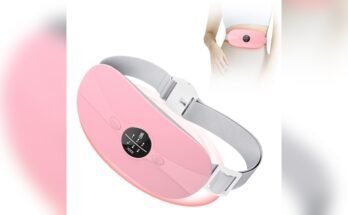
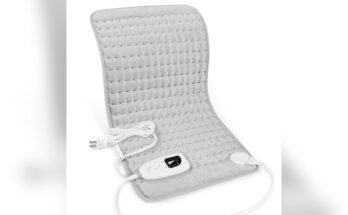
Using a heating pad seems simple: you plug it in, choose a setting, and wait for the soothing warmth. But have you ever wondered, what temperature should a heating pad be for safe and effective pain relief? It’s a question many people overlook, yet it’s crucial for getting the best results and avoiding burns or injuries. The right temperature can help relax muscles, ease cramps, and provide comfort, while the wrong temperature may do more harm than good. Understanding how heating pads work, what temperatures are safe, and how to use them for different needs can transform your pain management routine.
In this guide, you’ll find practical answers, data-backed recommendations, and real-life examples. Whether you’re new to heating pads, managing chronic pain, or just want to avoid common mistakes, this article gives you the clarity and confidence you need.
How Heating Pads Work
Heating pads deliver localized heat to a specific area of your body. The heat increases blood flow, relaxes tight muscles, and helps ease discomfort. Most heating pads use either electric coils, microwavable gel, or chemical reactions to generate warmth. Electric pads typically offer adjustable temperature settings, making them the most precise option.
When you apply heat to your skin, small blood vessels expand. This process, called vasodilation, boosts oxygen delivery and helps your body remove waste products. That’s why using a heating pad often brings quick relief from muscle aches, arthritis, or cramps. However, the effectiveness depends largely on choosing the right temperature and using the pad safely.
Ideal Temperature Range For Heating Pads
Most experts recommend a temperature range of 104°F to 140°F (40°C to 60°C) for heating pads. This range is warm enough to be effective but not so hot that it risks burning your skin. Here’s why this range works:
- 104°F (40°C): Gentle warmth, safe for sensitive skin or long use
- 120°F (49°C): Typical “medium” heat for most adults, suitable for muscle relaxation
- 140°F (60°C): Maximum safe limit for short-term use (under 20 minutes)
Going above 140°F greatly increases the risk of burns, especially if you fall asleep with the pad on or have reduced sensation in the area. Many modern heating pads cap their highest setting at 140°F for this reason.
Temperature Comparison Table
To give you a clearer idea, here’s a comparison of common heating pad settings:
| Setting | Approx. Temperature (°F) | Best Use |
|---|---|---|
| Low | 104–113 | Long-term use, sensitive skin |
| Medium | 114–125 | General muscle soreness |
| High | 126–140 | Short-term, deep aches |
This table shows that medium settings are safe for most adults. If you’re unsure, start low and increase the heat gradually.
Factors Affecting The Right Temperature
Not everyone needs the same heat. The ideal temperature depends on several factors:
Age And Skin Sensitivity
Children, older adults, and people with thin or delicate skin should use lower settings. Their skin may burn more easily, even at moderate temperatures.
Health Conditions
Certain conditions, such as diabetes or neuropathy, reduce sensation. If you can’t feel heat well, even a moderate temperature can cause burns without you noticing.
Body Area
Some body parts are more sensitive than others. For example, your abdomen or inner arm needs less heat than your back or thighs.
Duration Of Use
Longer sessions require lower temperatures. Short bursts of high heat can be effective for deep muscle pain but should be limited to 15–20 minutes.
Type Of Heating Pad
- Electric pads usually have precise temperature controls.
- Microwavable pads can get hotter in spots and should be checked for even heat.
- Chemical heat packs (like those for outdoor use) often reach a fixed temperature, usually safe but less adjustable.
How To Choose The Right Temperature
Choosing the right temperature is not just about comfort—it’s about safety and effectiveness. Here’s how to find your ideal setting:
- Start Low: Always begin with the lowest setting for a few minutes.
- Test the Pad: Place the pad on your forearm for 10 seconds. If it feels too hot, lower the setting.
- Adjust Gradually: Increase the heat in small steps until you reach a comfortable, soothing warmth. You should never feel burning or stinging.
- Check Skin Regularly: Every 10–15 minutes, look for redness or irritation. If you notice either, stop and let your skin recover.
A good rule: You should feel comfortable warmth, not intense heat.
Safety Guidelines For Heating Pad Use
Heating pads are safe when used correctly, but misuse can lead to burns, blisters, or even fires. Here are proven guidelines to follow:
Never Use Directly On Bare Skin
Always place a thin towel or cloth between the heating pad and your skin. This extra layer prevents direct burns, especially if the pad is very hot.
Don’t Fall Asleep With It On
Many heating pad injuries happen when people fall asleep using them. If your pad has an auto-shutoff feature, use it. Otherwise, set a timer and turn off the pad before lying down.
Limit Session Length
Stick to 15–20 minutes per session. For lower heat (under 113°F/45°C), you may use it for up to an hour, but check your skin regularly.
Avoid Use On Broken Or Irritated Skin
Never place a heating pad on cuts, rashes, or sunburns. Heat can worsen these conditions and delay healing.
Special Caution For People With Reduced Sensation
If you have diabetic neuropathy, spinal injuries, or numbness, ask your doctor before using a heating pad. You may not feel burns until it’s too late.
Types Of Heating Pads And Their Temperatures
There are several types of heating pads, each with different temperature capabilities. Understanding the differences helps you pick the best one for your needs.
Electric Heating Pads
These are the most common. They usually offer 2–6 temperature settings, ranging from 104°F to 140°F. Modern pads often include auto shutoff, timers, and even moist heat options.
Microwavable Heating Pads
Filled with gel, rice, or flaxseed, these pads are heated in the microwave. Their temperature depends on the heating time and microwave wattage. Most reach 120–140°F but can get unevenly hot. Always shake and check for hot spots before use.
Chemical Heat Packs
Single-use packs (such as for outdoor use or sports injuries) reach a fixed temperature, often around 120–130°F. These are less adjustable but convenient for travel.
Infrared Heating Pads
These use far-infrared technology to penetrate deeper into tissues. Temperatures may feel lower on the skin (around 110–130°F) but are effective for deep muscle pain.
Moist Vs. Dry Heat
Some pads offer moist heat, which many people find more comfortable. Moist heat penetrates faster but usually feels less intense at the same temperature.

Comparing Popular Heating Pad Models
If you’re shopping for a heating pad, comparing models by their temperature range, safety features, and controls can help. Here’s a quick look at three popular types:
| Model | Temperature Range (°F) | Key Features |
|---|---|---|
| Sunbeam Renue | 110–140 | 4 heat settings, auto-shutoff, moist/dry options |
| PureRelief XL | 113–140 | Fast heating, digital controls, machine washable |
| ThermaCare HeatWraps | Approx. 122 | Disposable, chemical heat, 8-hour use |
While Sunbeam and PureRelief offer adjustable temperatures, disposable wraps like ThermaCare are fixed but convenient.
When To Use Higher Or Lower Temperatures
Not all pain needs the same level of heat. Choosing the right temperature for your situation is key.
Lower Temperatures (104–113°f)
- Chronic pain: For long-term conditions like arthritis, lower heat is safer for repeated sessions.
- Sensitive skin: Elderly, children, or people with thin skin should stick to this range.
- Relaxation: Gentle warmth can help you relax muscles without risk.
Medium Temperatures (114–125°f)
- General muscle aches: Most adults find this range effective for tight muscles or back pain.
- Menstrual cramps: Moderate heat can ease cramps without overdoing it.
Higher Temperatures (126–140°f)
- Short-term deep pain: For severe cramps, spasms, or after intense exercise, higher heat helps—but only for 15–20 minutes.
- Hard-to-treat areas: Lower back, thighs, or shoulders often need more intense heat, but always monitor your skin.
Common Mistakes When Using Heating Pads
Even experienced users sometimes make risky mistakes. Here are some things to avoid:
- Using Too High a Temperature: Thinking hotter is better can lead to burns, especially if you leave the pad on too long.
- Falling Asleep: This is a leading cause of heating pad injuries. Always use a timer.
- Skipping the Barrier: Using the pad directly on your skin speeds up burning.
- Microwaving Too Long: For microwavable pads, heating too long can cause hot spots or even burns.
- Ignoring Medical Advice: If your doctor tells you not to use heat, don’t ignore their warning.
Benefits Of Using The Right Temperature
Choosing the correct temperature brings several advantages:
- Faster pain relief: Muscles relax more quickly when heat is just right.
- Lower risk of injury: Safe temperatures protect your skin.
- Better sleep: Soothing heat before bed can help you sleep, as long as you don’t use the pad while sleeping.
- Longer use: With the right temperature, you can use the pad more often, safely.
When To Avoid Heating Pads
There are times when heat is not the answer. Do not use a heating pad:
- On open wounds or infected areas
- If you have circulation problems (like deep vein thrombosis)
- During the first 48 hours after an acute injury (such as a sprain or strain), as cold is better for reducing swelling
- If you’re unable to feel heat well (due to neuropathy or anesthesia)
In these cases, consult a medical professional before using any form of heat.
Scientific Research On Heating Pad Temperatures
Several studies have confirmed the effectiveness and safety of heating pads at 104–140°F. For example, a review in the journal *Physical Therapy* showed that tissue temperatures of 104–113°F are ideal for muscle relaxation, while higher temperatures (above 130°F) increase the risk of burns, especially with prolonged exposure.
Another study found that moist heat at 113°F penetrated deeper than dry heat at the same temperature, providing faster relief with less risk. This supports the use of lower temperatures for longer sessions, especially with moist pads.
For more about the science of thermotherapy, see the detailed overview at Wikipedia.

Practical Tips For Safe Heating Pad Use
- Check pad temperature with a thermometer if you’re unsure, especially with homemade or microwavable pads.
- Replace old pads if they show wear, exposed wires, or inconsistent heat.
- Don’t use extension cords for electric pads unless necessary, to avoid fire risk.
- Store properly: Allow pads to cool before folding or storing, and keep away from pets.
- Moisten dry pads if you want gentler, deeper heat (if the model allows).
Comparing Heating Pads With Other Heat Therapies
Heating pads aren’t the only option for heat therapy. Here’s how they compare with other methods:
| Method | Temperature Control | Portability | Best For |
|---|---|---|---|
| Heating Pad | Adjustable (104–140°F) | High (electric or chemical) | Home, targeted relief |
| Hot Water Bottle | Manual (100–120°F) | Medium | General warmth, less precise |
| Warm Towel Compress | Lower (90–110°F) | High | Short sessions, sensitive skin |
| Infrared Sauna | Variable (110–150°F air) | Low | Whole-body, chronic pain |
Heating pads offer the best balance of precise temperature control and portability for most people.

Non-obvious Insights For Better Results
Two things beginners often miss:
- Moist heat feels gentler and penetrates deeper: Adding a damp towel or using a moist heating pad at the same temperature can make the therapy more effective and comfortable, especially for muscle stiffness.
- Your skin adapts to heat: After a few minutes, you may feel less heat, but your skin is still exposed. Don’t increase the temperature just because it “feels cooler”—this is a common way burns happen.
Another overlooked tip: Always check your pad’s actual temperature with a kitchen thermometer if you’re using homemade or non-digital pads. Some pads heat unevenly, and “high” on one brand may be “medium” on another.
Frequently Asked Questions
What Is The Safest Temperature For A Heating Pad?
The safest temperature is between 104°F and 113°F (40°C–45°C) for most people, especially if you plan to use it for more than 20 minutes or have sensitive skin.
Can I Use A Heating Pad All Night?
No, you should not use a heating pad all night. Extended exposure increases the risk of burns, even at lower temperatures, and is especially dangerous if you fall asleep.
How Do I Know If My Heating Pad Is Too Hot?
If your skin becomes red, itchy, or painful, the pad is too hot. Always start with a low setting, use a barrier, and check your skin every 10–15 minutes.
Is Moist Heat Better Than Dry Heat?
Moist heat often works faster and penetrates deeper than dry heat. Many people find it more comfortable, but both types are effective if used at the right temperature.
Can Children Or Elderly People Use Heating Pads?
Yes, but only under supervision and at the lowest heat setting. Their skin is more sensitive to burns. Limit sessions to 15 minutes and always use a towel barrier.
Using a heating pad is one of the easiest ways to manage pain, but the key is using the right temperature. Stick to the safe range, always check your skin, and adjust based on your needs and health. With these tips, you’ll get the comfort and relief you want—without any risks.