Are you tired of dealing with constant aches and pains? You might have heard about acupressure mats as a natural way to ease discomfort.
But do they really work? If you’re curious whether these mats can help reduce your pain without relying on medications, you’re in the right place. This article will break down the facts, so you can decide if an acupressure mat is the right solution for your pain relief needs.
Keep reading to discover how this simple tool might change the way you feel every day.
How Acupressure Mats Work
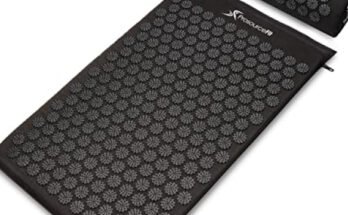
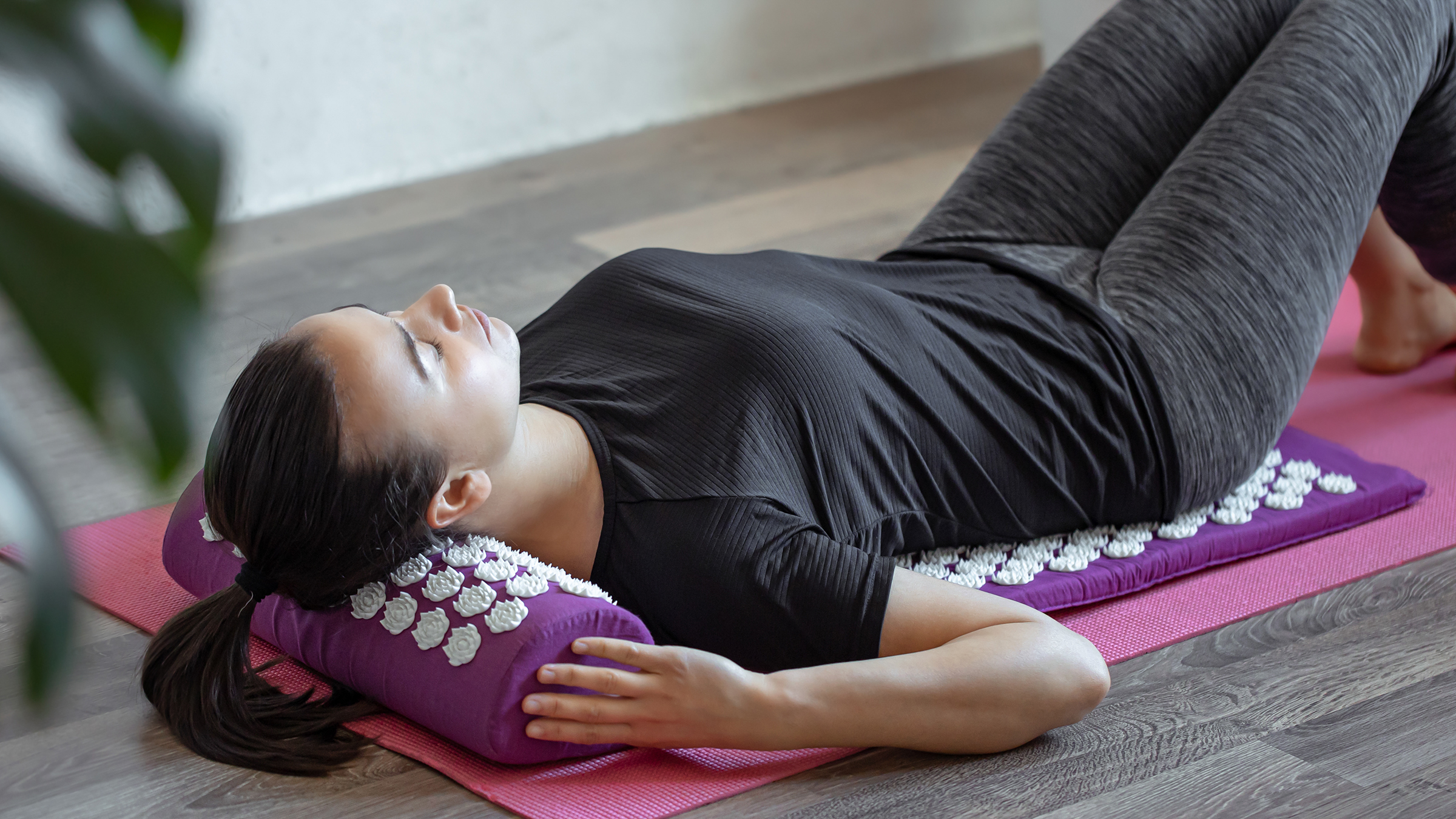
Acupressure mats work by applying gentle pressure to specific points on the body. This pressure helps reduce pain and tension. The mats have many small spikes that press on the skin when you lie down. This simple action triggers several natural responses in the body. These responses help with pain relief and relaxation.
Stimulating Pressure Points
Acupressure mats target pressure points on the body. These points connect to nerves and muscles. When spikes press these points, they send signals to the brain. The brain then reacts by easing tension in those areas. This stimulation helps reduce pain and stiffness in muscles.
Promoting Blood Flow
Pressure from the mat improves blood circulation. Better blood flow delivers more oxygen and nutrients to muscles. This speed up healing and reduces soreness. Increased circulation also helps flush out toxins from the body. This process supports overall pain relief and muscle recovery.
Triggering Endorphin Release
The pressure from the mat encourages the body to release endorphins. Endorphins are natural painkillers made by the brain. They help block pain signals and create a feeling of well-being. This release can reduce discomfort and improve mood. Using an acupressure mat regularly may boost these natural pain relief effects.
Types Of Pain Treated
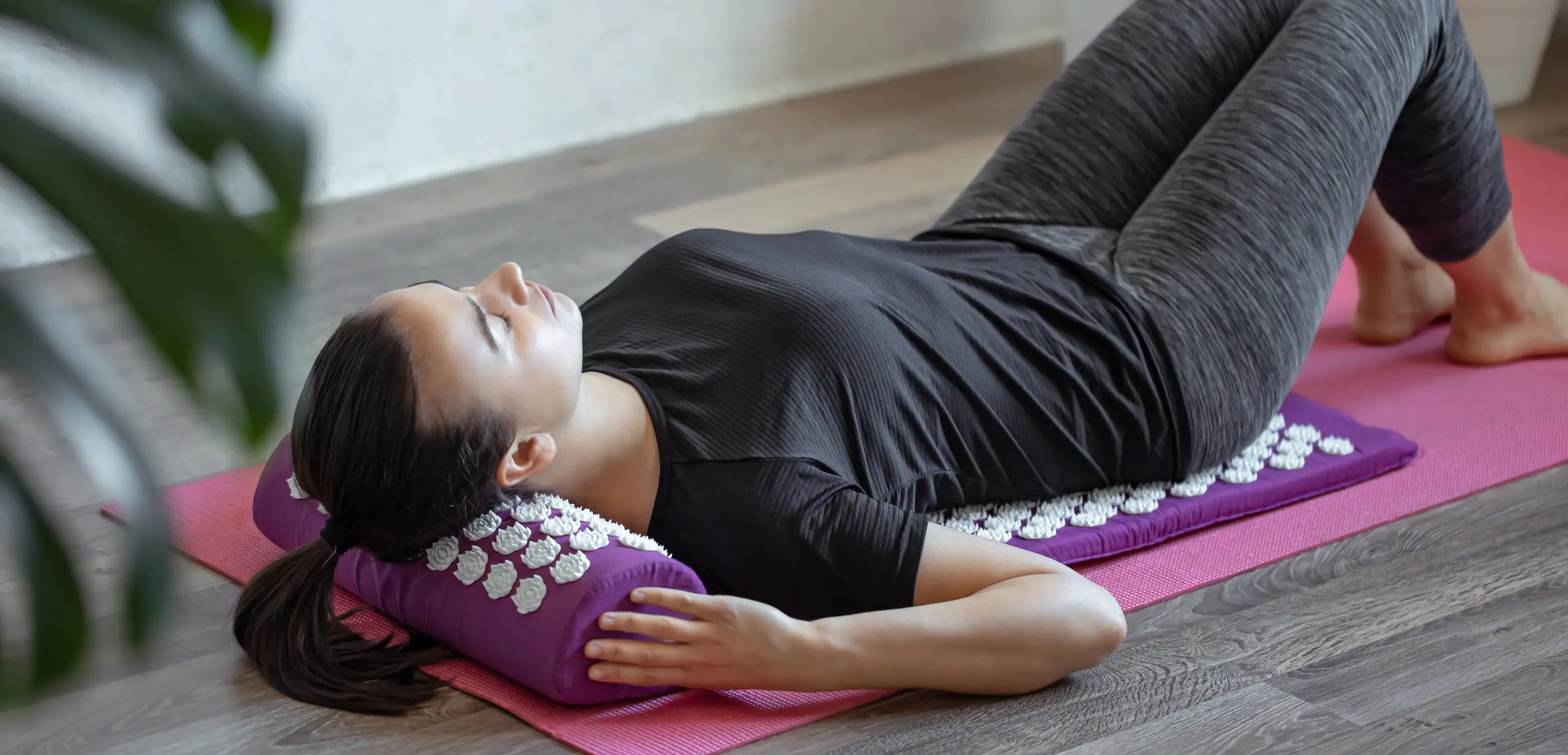
Acupressure mats are popular tools for managing different types of pain. They work by pressing small points on the skin to stimulate nerves. This can help reduce pain and improve blood flow. People use these mats for various pain problems. Below are some common types of pain that acupressure mats may help relieve.
Back And Neck Pain
Back and neck pain are common complaints. Poor posture and long hours sitting cause muscle tightness. Lying on an acupressure mat can ease tension in these areas. The pressure points help relax muscles and reduce stiffness. Many users report feeling less pain after regular use.
Headaches And Migraines
Headaches and migraines affect many people worldwide. Stress and muscle tension often trigger them. Acupressure mats may help ease this pain by relaxing the neck and shoulder muscles. This relaxation can lower headache frequency and intensity. Some find relief by using the mat before sleep or during rest.
Muscle Tension And Soreness
Muscle tension and soreness happen after exercise or hard work. Acupressure mats increase blood flow to sore muscles. This helps speed up recovery and reduce stiffness. Using the mat after physical activity can soothe tired muscles. It may also improve flexibility and reduce discomfort.
Scientific Evidence On Effectiveness
Scientific evidence helps us understand if acupressure mats really work for pain relief. Research shows mixed results, but many studies report some benefits. These benefits often include reduced muscle tension and lower pain levels. The science is still growing, with more studies needed to confirm long-term effects. Below, we explore clinical studies, user experiences, and comparisons with other therapies.
Clinical Studies And Trials
Several clinical trials have tested acupressure mats on different pain types. Many focus on back pain, neck pain, and tension headaches. Some studies show pain reduction after regular use for a few weeks. Researchers think the mats increase blood flow and release endorphins. These natural chemicals help reduce pain and stress. Other trials find no clear benefit, highlighting the need for more research. Study sizes vary, which affects how strong the results are.
User Experience And Testimonials
Many users share positive stories about acupressure mats online. They say the mats help relax muscles and ease pain. Some report better sleep and less stress after using the mats. Others find the mats uncomfortable at first but get used to them over time. User feedback often mentions relief from chronic pain conditions. Personal experiences can differ, but many find the mats a helpful tool.
Comparisons With Other Therapies
Acupressure mats are often compared to massage and physical therapy. Unlike massage, mats can be used at home anytime. Physical therapy offers guided exercises, while mats provide passive stimulation. Some studies suggest mats work best combined with other treatments. They may not replace professional care but can complement it. Cost and convenience make mats an attractive option for some people.
Benefits Beyond Pain Relief
Acupressure mats offer more than just pain relief. Many users find benefits that improve daily life and overall well-being. These mats stimulate pressure points on the body. This stimulation helps the body relax and heal naturally. The effects reach beyond easing pain to support better sleep, reduce stress, and boost relaxation.
Improved Sleep Quality
Using an acupressure mat before bed can help calm the mind. The gentle pressure encourages the release of hormones that promote sleep. People often report falling asleep faster and enjoying deeper rest. Regular use may support a more consistent sleep schedule.
Stress And Anxiety Reduction
The mats help lower tension in muscles and nerves. This reduces feelings of stress and anxiety. The pressure points encourage the body to release endorphins. These natural chemicals improve mood and create a sense of calm. Many users feel less overwhelmed after sessions.
Enhanced Relaxation
Acupressure mats help the body enter a relaxed state quickly. This effect can relieve stiffness and mental fatigue. Lying on the mat for a few minutes can create a peaceful experience. It offers a simple way to unwind during a busy day.
How To Use Acupressure Mats Safely
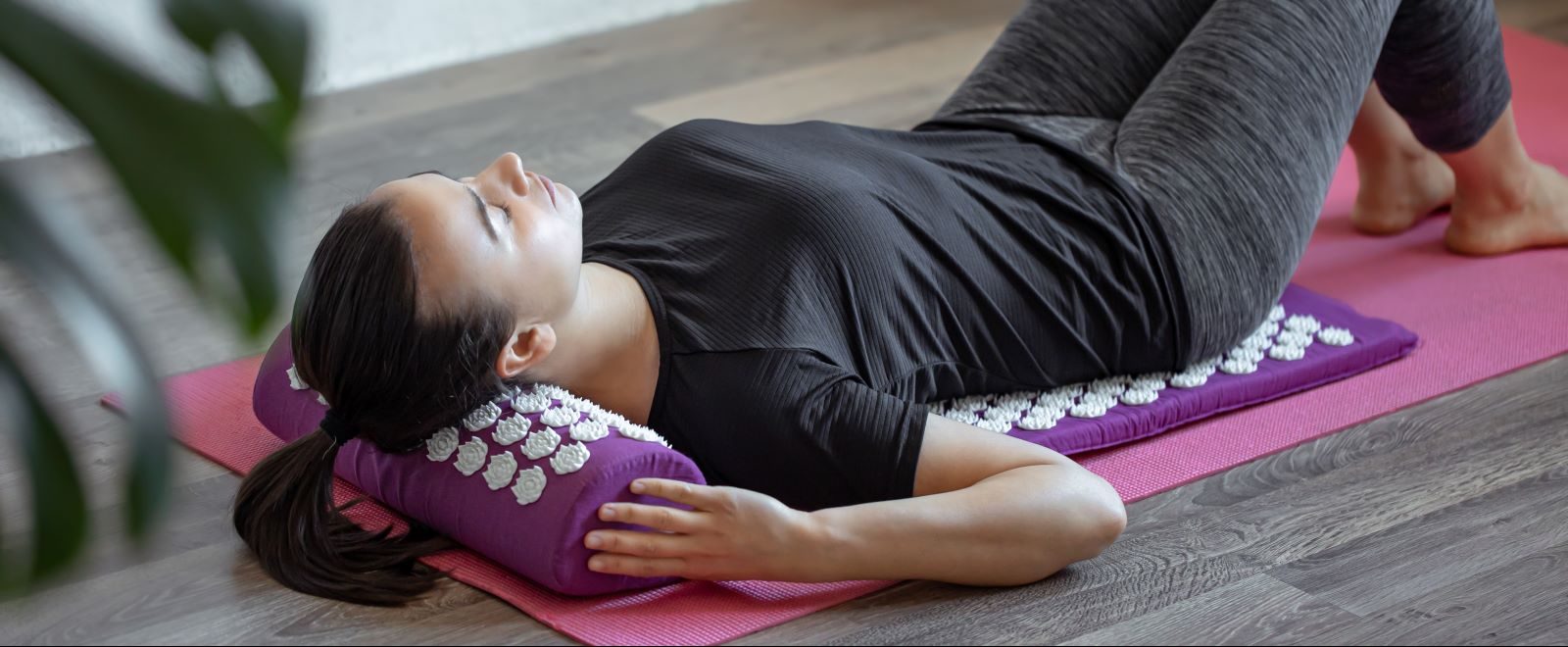
Start by placing the mat on a flat surface. Lie down gently and wear thin clothing at first. Use it for 10 to 20 minutes to avoid discomfort.
Choosing The Right Mat
Select an acupressure mat that fits your comfort level. Look for mats with soft spikes if you are new to acupressure. Harder spikes offer stronger pressure but can cause discomfort. Size matters, too. Choose a mat that covers the area where you feel pain. A larger mat works well for back pain. Smaller mats are good for neck or foot use.
Recommended Session Length
Start with short sessions of 5 to 10 minutes. Gradually increase the time as your body adapts. Most people find 20 to 30 minutes effective. Avoid using the mat for more than 40 minutes at once. Rest your skin and muscles between sessions. Consistency is key. Use the mat daily or several times a week for best results.
Precautions And Contraindications
Do not use acupressure mats on broken skin or wounds. Avoid if you have skin infections or rashes. People with blood clotting problems should consult a doctor first. Pregnant women should seek medical advice before use. Stop immediately if you feel strong pain or dizziness. Keep mats clean to avoid skin irritation. Use mats on a flat surface for safety.
Potential Side Effects And Limitations
Acupressure mats offer a natural way to ease pain. Still, they have some side effects and limits. Knowing these helps you use the mat safely and wisely.
Common Discomforts
Using an acupressure mat can cause mild pain or redness at first. Your skin might feel prickly or tingly. Some users notice small bruises after long sessions. These effects usually fade after a few uses. It’s normal to feel some discomfort during the first days.
When To Avoid Use
Avoid acupressure mats if you have sensitive skin or wounds. People with blood clot problems or skin infections should skip it. Pregnant women should consult a doctor before use. Also, those with heart issues or nerve damage need medical advice first. Using the mat without caution may cause harm in these cases.
Realistic Expectations
Acupressure mats do not cure pain instantly. They might reduce mild aches but not serious pain. Consistent use is needed to see any benefits. Do not expect the mat to replace medical treatment. It works best as a small part of a larger pain care plan.
Frequently Asked Questions
How Do Acupressure Mats Relieve Pain?
Acupressure mats stimulate pressure points on your body. This boosts blood flow and releases endorphins. These effects reduce muscle tension and pain naturally. Regular use may help ease back, neck, and shoulder pain effectively.
Are Acupressure Mats Safe For Everyone?
Most people find acupressure mats safe to use. However, pregnant women and those with skin conditions should consult a doctor first. Avoid using mats on open wounds or sensitive skin to prevent irritation or injury.
How Long Should I Use An Acupressure Mat Daily?
Start with 5 to 10 minutes daily and gradually increase. Many users benefit from 20 to 30 minutes per session. Consistency is key to experiencing significant pain relief over time.
Can Acupressure Mats Replace Traditional Pain Treatments?
Acupressure mats complement but do not replace medical treatments. They are best used as part of a holistic pain management plan. Always consult healthcare providers before changing any treatment regimen.
Conclusion
Acupressure mats may help reduce pain for many people. They work by pressing key points on your body. Some users feel relief and relaxation after using them. Results can differ from person to person. Using the mats regularly might improve comfort over time.
Still, they do not replace medical advice or treatment. Always listen to your body and stop if it hurts. Trying one could be a simple way to manage mild pain. Small steps can lead to better well-being.