Are you tired of that sharp, nagging pain in your heel every time you take a step? If you suffer from plantar fasciitis, you know how it can disrupt your daily life.
But what if a simple tool, like an acupressure mat, could offer relief? Imagine easing your foot pain while sitting at home, without expensive treatments or medication. You’ll discover how acupressure mats work and whether they could be the solution your feet have been waiting for.
Keep reading to find out if this easy method can help you walk pain-free again.
Plantar Fasciitis Basics
Plantar fasciitis is a common foot problem. It causes pain and discomfort in the heel area. The condition happens when the plantar fascia, a thick band of tissue along the bottom of the foot, becomes inflamed. Understanding its basics helps manage the pain better.
Causes And Symptoms
Plantar fasciitis often starts from repeated stress on the foot. Long standing, running, or wearing poor shoes can cause it. The pain usually feels sharp and stabbing, especially in the morning. It may reduce as the foot warms up but can return after activity. Swelling and tenderness near the heel are common signs.
Impact On Daily Life
The pain can make walking and standing difficult. Simple tasks like going to work or shopping become painful. It may cause a limp or change in walking style. This can lead to other problems like knee or back pain. Early care is important to avoid long-term issues.
How Acupressure Mats Work
Acupressure mats work by applying gentle pressure to the skin and muscles. They have many small spikes that press into specific points on the body. This pressure can help reduce pain and improve healing. For plantar fasciitis, the mat targets the feet and the area around them.
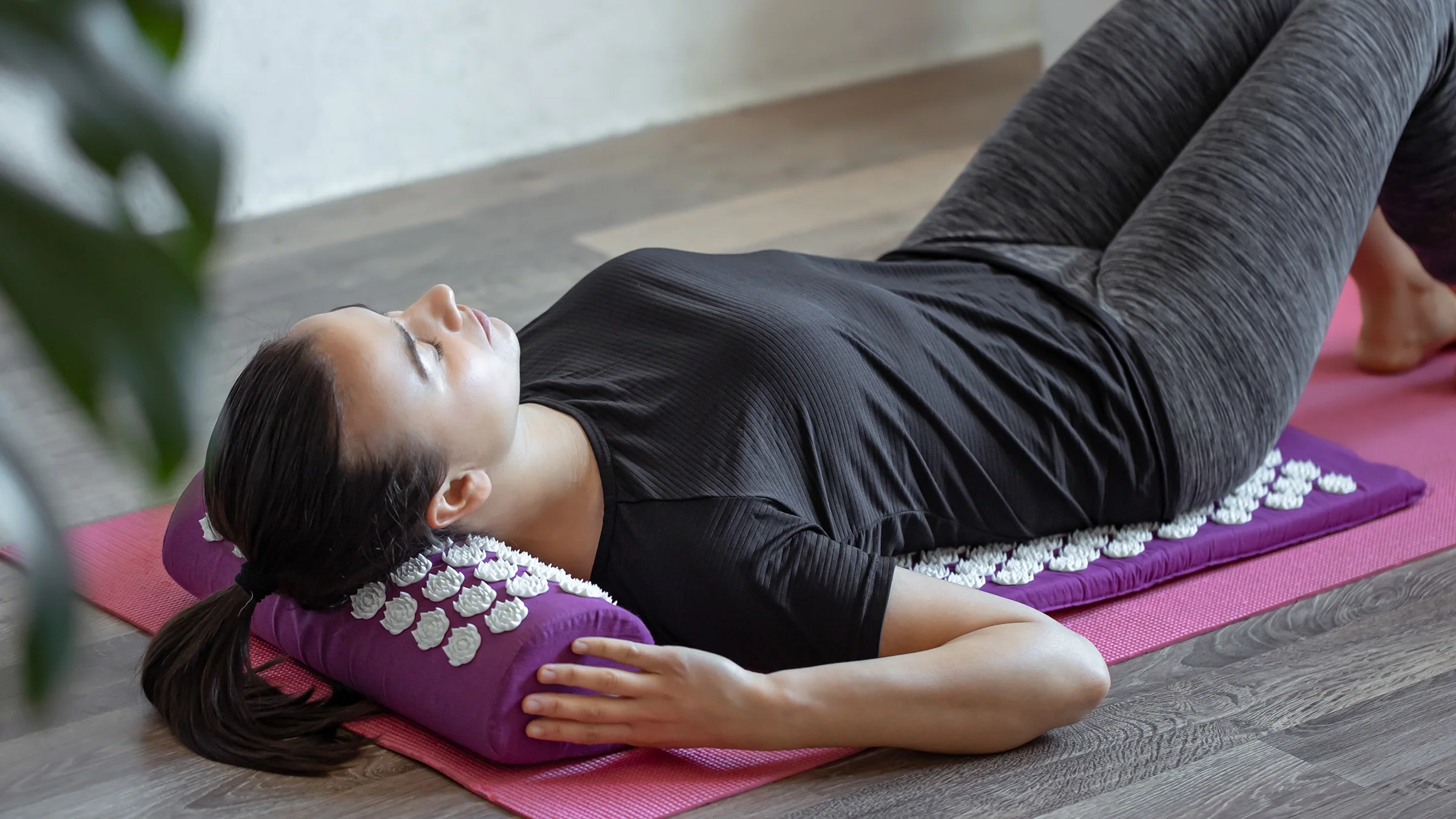
Using an acupressure mat is simple. You stand, sit, or lie on it so the spikes touch your skin. This contact helps activate the body’s natural responses. These responses can ease foot pain and stiffness over time.
Stimulating Pressure Points
The spikes on the mat press on pressure points in the feet. These points connect to muscles and nerves. Pressing them sends signals to the brain. The brain reacts by releasing chemicals that reduce pain.
Stimulating these points also helps relax tight muscles. This can lower foot tension and ease discomfort from plantar fasciitis. Regular use may improve foot flexibility and strength.
Effects On Circulation And Pain
Pressure from the mat improves blood flow in the feet. Better circulation brings more oxygen and nutrients to injured tissues. This speeds up healing and reduces inflammation.
Improved circulation also helps flush out waste products that cause pain. As a result, foot soreness and swelling often decrease. Using the mat regularly can support long-term relief from plantar fasciitis pain.
Benefits For Plantar Fasciitis
Acupressure mats offer several benefits for those dealing with plantar fasciitis. These mats apply pressure to specific points on the feet. This can help ease pain and support healing.
Using an acupressure mat regularly may improve foot health. It can reduce discomfort and enhance movement. Let’s explore how these mats help with plantar fasciitis.
Pain Relief Potential
Acupressure mats can reduce foot pain by stimulating nerve endings. This stimulation may release endorphins, the body’s natural painkillers. Many users report feeling less pain after short sessions. The gentle pressure can ease tension in the plantar fascia.
Reducing Inflammation
Plantar fasciitis often causes inflammation in the heel and foot. Acupressure mats help increase blood flow to the affected areas. Better circulation may reduce swelling and speed up healing. Less inflammation means less pain and discomfort.
Improving Foot Mobility
Using an acupressure mat can improve foot flexibility and movement. The pressure points encourage muscle relaxation and reduce stiffness. Improved mobility helps with daily activities and exercise. Regular use may support long-term foot health and comfort.

Using Acupressure Mats Safely
Using acupressure mats safely is important to avoid injury and get the best results. These mats apply pressure to specific points on your feet. Proper use helps reduce pain and improve circulation. Incorrect use can cause discomfort or worsen symptoms. Follow simple steps for safe practice.
Proper Technique
Place the mat on a flat surface. Stand barefoot on the mat, distributing your weight evenly. Start with light pressure and increase as comfortable. Avoid sudden movements to prevent pain. Keep your feet relaxed to help the mat work better. Use the mat in a calm space to focus on your feet.
Duration And Frequency
Start with short sessions of 5 minutes. Gradually increase to 15-20 minutes per session. Use the mat once or twice daily for best results. Listen to your body and take breaks if needed. Consistency over weeks helps reduce plantar fasciitis pain. Avoid overuse to prevent soreness.
Precautions And Contraindications
Do not use the mat on broken or irritated skin. Avoid if you have severe foot injuries or infections. Pregnant women should consult a doctor before use. People with nerve problems or poor circulation need medical advice first. Stop using the mat if pain worsens. Always clean the mat regularly to keep it safe.
Complementary Relief Tips
Acupressure mats can provide some relief for plantar fasciitis. Combining them with other simple methods may improve results. These tips help reduce pain and support healing. Try these easy ways alongside acupressure mats for better comfort.
Stretching Exercises
Stretch your feet and calves daily. Simple stretches ease tight muscles and tendons. Try toe stretches by pulling toes back gently. Calf stretches against a wall also help. Hold each stretch for 15 to 30 seconds. Repeat three times for best effect. Consistent stretching reduces foot pain over time.
Footwear Choices
Wear shoes with good arch support. Avoid flat or worn-out shoes. Choose cushioned soles to absorb shock. Orthotic inserts can add extra comfort. Shoes should fit well, not too tight or loose. Proper footwear reduces strain on the plantar fascia. Change shoes often to keep feet comfortable.
Other Home Remedies
Apply ice to the painful area for 15 minutes. This lowers inflammation and soothes pain. Massage your feet gently to improve blood flow. Elevate your feet when resting to reduce swelling. Avoid standing for long periods. Simple home care helps speed up recovery.

When To See A Doctor
Plantar fasciitis causes pain in the heel and foot. Many try acupressure mats for relief. These mats may help with mild pain and tension. Yet, pain can signal more serious problems. Knowing when to see a doctor is important. Early treatment can stop the condition from worsening.
Signs Of Severe Injury
Severe pain that stops daily activities needs medical care. Swelling, redness, or warmth around the heel can mean infection or injury. Sudden sharp pain may indicate a tear in the plantar fascia. Numbness or tingling in the foot shows nerve problems. If pain lasts more than a few weeks, see a doctor. Do not ignore worsening symptoms or difficulty walking.
Professional Treatment Options
Doctors may recommend physical therapy to stretch and strengthen the foot. Custom orthotics can support the arch and reduce stress. Anti-inflammatory medicines ease pain and swelling. In some cases, corticosteroid injections help reduce inflammation. Surgery is rare but may be needed for severe tears. A doctor will create a treatment plan based on your condition.
Frequently Asked Questions
What Is An Acupressure Mat?
An acupressure mat is a flat mat with small plastic points. It stimulates pressure points on the feet to improve circulation and relieve pain. It is used for relaxation and pain management, including conditions like plantar fasciitis.
How Does Acupressure Help Plantar Fasciitis Pain?
Acupressure mats stimulate nerve endings and increase blood flow. This can reduce inflammation and relax tight foot muscles. Regular use may ease plantar fasciitis pain and improve healing.
Can Acupressure Mats Replace Medical Treatment?
No, acupressure mats are a complementary therapy. They can support but not replace professional medical treatment for plantar fasciitis. Consult a healthcare provider for a proper diagnosis and treatment plan.
How Often Should I Use An Acupressure Mat?
Start with 5 to 10 minutes daily and gradually increase time. Most users benefit from 15 to 20 minutes per session. Consistency is key for noticeable relief from plantar fasciitis symptoms.
Conclusion
Acupressure mats may offer relief for plantar fasciitis pain. They help improve blood flow and relax foot muscles. Using the mat regularly can reduce stiffness and discomfort. Results vary for each person, so patience is key. Combine mats with stretching and proper footwear for best results.
Always check with a doctor before starting new treatments. Small steps can lead to better foot health. Try the mat and see how your feet feel. Pain relief is possible with consistent care and attention.