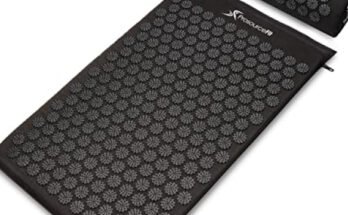
Are you tired of dealing with tight, sore muscles that just won’t relax? If you’ve been searching for a simple way to ease muscle tension without popping pills or scheduling endless massages, you might have come across acupressure mats.
But do these spiky-looking mats really work to relieve your muscle discomfort? You’ll discover how acupressure mats affect your body, whether they’re worth trying, and how to use them for the best results. Keep reading to find out if this easy, drug-free method could be the solution you’ve been looking for.
How Acupressure Mats Work
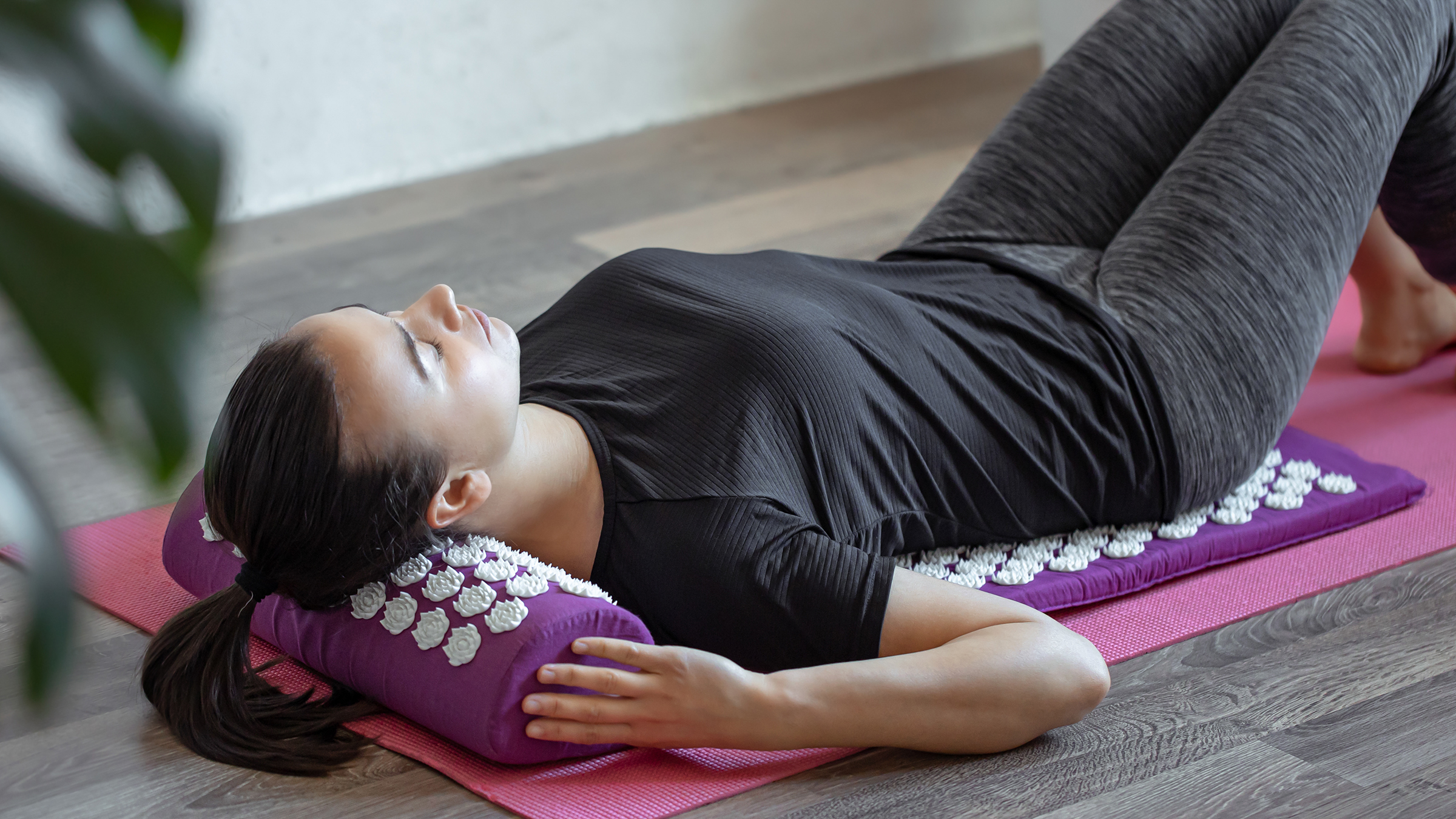
Acupressure mats are designed to ease muscle tension using simple but effective methods. These mats have many small, sharp points that press against the skin. This pressure can help your body relax and reduce pain.
Understanding how acupressure mats work helps explain why they may relieve muscle tension. The key lies in the way the mats stimulate certain areas and how your body reacts to this stimulation.
Stimulating Pressure Points
The small points on the mat press into specific spots on the body called pressure points. These points connect to muscles and nerves. Pressing them can help release tightness and reduce stiffness in muscles. This simple stimulation can bring relief from discomfort.
Increasing Blood Flow
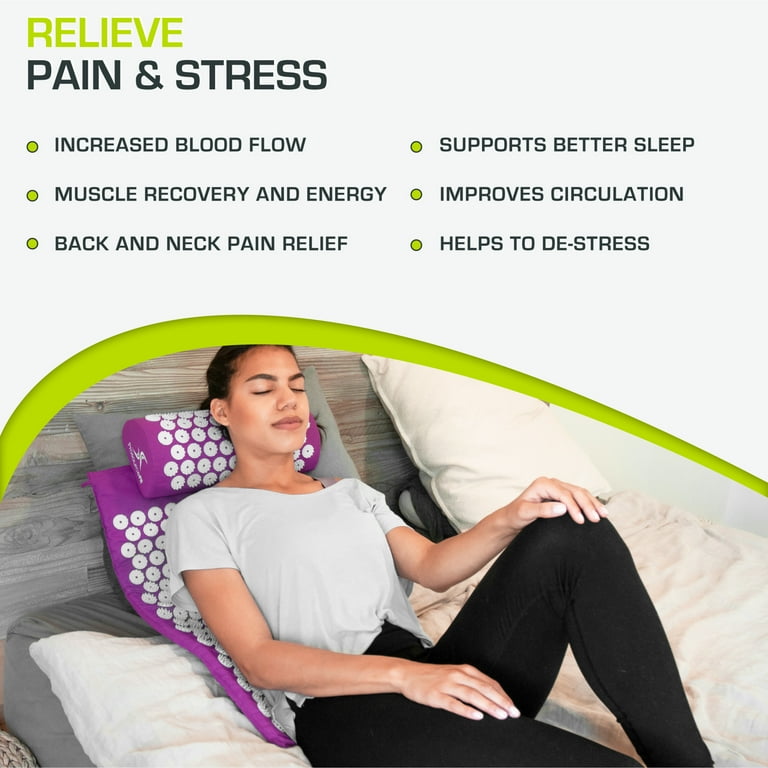
The pressure from the mat helps improve blood circulation in the area. Better blood flow means muscles get more oxygen and nutrients. This helps muscles heal faster and feel less sore. Improved circulation also removes waste products that cause pain.
Releasing Endorphins
The pressure points also trigger your body to release endorphins. Endorphins are natural chemicals that reduce pain and improve mood. They act like the body’s own painkillers. This release helps you feel more relaxed and less tense.
Benefits For Muscle Tension
Acupressure mats offer several benefits for muscle tension. They target tight muscles and help the body relax. Regular use can support better muscle health and ease discomfort. The mats work by applying pressure to specific points, encouraging blood flow and muscle release.
These benefits make acupressure mats a simple tool to reduce muscle tension without medicine or complex treatments.
Reducing Muscle Stiffness
The mat’s pressure helps loosen tight muscles quickly. It improves blood circulation in stiff areas. This warmth and flow reduce stiffness and help muscles feel softer. Using the mat after exercise can prevent soreness and keep muscles flexible.
Easing Pain And Discomfort
Pressure points on the mat send signals that reduce pain sensations. This natural pain relief works for back, neck, and shoulder tension. The release of endorphins helps ease discomfort and creates a calming effect. Many users find relief without needing painkillers.
Improving Flexibility
Regular use of acupressure mats helps muscles stretch better. Relaxed muscles move more freely and reduce injury risk. Improved flexibility supports daily activities and exercise routines. It also helps keep joints healthy and less prone to stiffness.
Using Acupressure Mats Safely
Using acupressure mats safely is key to easing muscle tension without harm. These mats apply pressure to specific points on your body. This helps to relax muscles and reduce pain. It is important to follow safe practices. This way, you can enjoy benefits and avoid discomfort or injury.
Choosing The Right Mat
Select a mat that fits your needs. Look for mats with soft spikes if you are new to acupressure. Harder spikes offer deeper pressure but can be painful at first. Choose a size that covers the area you want to treat. Check for mats made from non-toxic materials. This ensures skin safety and comfort.
Recommended Session Times
Start with short sessions of 5 to 10 minutes. Gradually increase to 20 or 30 minutes as your body adapts. Use the mat once or twice a day for best results. Avoid long sessions at the beginning to prevent soreness. Listen to your body and stop if you feel pain.
Precautions And Contraindications
Do not use acupressure mats on broken or irritated skin. Avoid if you have skin conditions like eczema or psoriasis. Pregnant women should consult a doctor first. People with blood clot problems or heart conditions need medical advice before use. Always clean the mat to prevent infections. Stop using if you feel dizziness or increased pain.

Combining Mats With Other Therapies
Using acupressure mats alone can help reduce muscle tension. Combining them with other therapies may increase their effect. Different methods work well together to relax muscles and ease pain. This section explores how to pair mats with other treatments for better results.
Stretching And Exercise
Stretching helps improve muscle flexibility and blood flow. Using a mat after stretching can deepen muscle relaxation. Gentle exercises increase circulation and reduce stiffness. Stretching before or after mat sessions supports muscle recovery. This combo helps muscles stay loose and less tense.
Massage Techniques
Massage loosens tight muscles and eases knots. Pairing massage with acupressure mats boosts relaxation. Use a foam roller or hand massage to target sore areas. Mat use can prepare muscles for deeper massage. Together, they reduce pain and improve muscle health.
Heat And Cold Therapy
Heat therapy relaxes muscles and increases blood flow. Cold therapy reduces inflammation and numbs pain. Use heat before mat sessions to loosen muscles. Apply cold after mat use to calm soreness. Combining heat or cold with mats helps manage muscle tension well.
User Experiences And Tips
Many people use acupressure mats to ease muscle tension. Their experiences vary but offer useful insights. Users often share tips that help others get the best from these mats. Understanding these tips can make your sessions more comfortable and effective.
Starting Slowly
Begin with short sessions of 5 to 10 minutes. This helps your body get used to the mat’s pressure. Some feel slight discomfort at first. It usually fades with time and use. Wearing a thin shirt can reduce the initial sharp feeling. Gradually increase your time on the mat as comfort grows.
Consistent Use For Best Results
Using the mat regularly brings better relief. Many users try daily sessions to reduce muscle tension. Consistency helps improve blood flow and relax muscles. Set a routine that fits your schedule. Even 10 minutes a day can make a difference over weeks.
Addressing Common Challenges
Some find it hard to relax at first. Breathing deeply can ease tension and discomfort. Place a pillow under your neck for added support. Avoid using the mat on broken skin or bruises. Stop if pain worsens and consult a professional. These tips help manage typical issues and improve your experience.
Frequently Asked Questions
Do Acupressure Mats Relieve Muscle Tension Effectively?
Yes, acupressure mats stimulate pressure points to improve blood flow. This helps reduce muscle stiffness and eases tension quickly.
How Long Should I Use An Acupressure Mat Daily?
Using an acupressure mat for 10-20 minutes daily is ideal. Consistent use promotes muscle relaxation and reduces chronic tension over time.
Can Acupressure Mats Replace Professional Muscle Therapy?
Acupressure mats complement but do not replace professional therapy. They offer temporary relief but may not treat severe muscle issues.
Are Acupressure Mats Safe For All Muscle Types?
Generally, acupressure mats are safe for most muscles. However, avoid use on open wounds or sensitive skin to prevent irritation.
Conclusion
Acupressure mats can ease muscle tension effectively. They improve blood flow and relax tight muscles. Many users report feeling less pain and more comfort. Regular use may help reduce stiffness and stress. These mats offer a simple way to support muscle health.
Try one to see how your body responds. Small steps can lead to better muscle relief. Give your muscles a chance to unwind and heal.