Are your muscles feeling tight and sore after a long day? You’re not alone.
Muscle tension can make everyday activities uncomfortable and even affect your mood. What if you could find a simple, natural way to ease that tightness without medication or expensive treatments? Acupressure mats might be the answer you’ve been looking for.
You’ll discover how these mats work, whether they can really help with tight muscles, and how to use them safely to get the best results. Keep reading to unlock relief and relaxation right at home.
How Acupressure Mats Work
Acupressure mats offer a natural way to ease tight muscles. They work by applying gentle pressure to many points on your body. This pressure triggers responses that help relax muscles and reduce pain. Understanding how these mats work can help you see why they may benefit muscle tension.
Stimulating Pressure Points
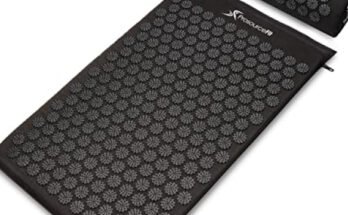
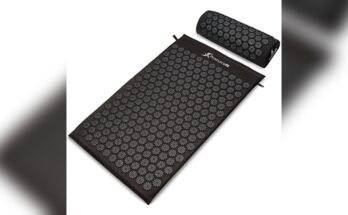
The mats have small spikes that press on skin points. These points are called acupressure points. Pressing them sends signals to your nervous system. This may help reduce pain and calm muscle tightness. The stimulation can also encourage your body to release natural painkillers.
Boosting Blood Flow
Applying pressure improves blood circulation in the area. Better blood flow brings oxygen and nutrients to muscles. This supports healing and helps muscles relax faster. Increased circulation can also reduce swelling and stiffness.
Releasing Muscle Tension
The steady pressure helps muscles let go of tightness. It eases knots and reduces muscle cramps. Using the mat regularly can keep muscles loose and less prone to pain. This makes movement easier and more comfortable.

Benefits For Tight Muscles
Acupressure mats offer several benefits for tight muscles. These mats apply gentle pressure to key points on your body. This pressure helps relax muscles and improves blood flow. Using an acupressure mat regularly can ease discomfort and support muscle recovery. Here are some ways these mats help with muscle tightness.
Reducing Muscle Stiffness
Acupressure mats stimulate nerves and muscles. This stimulation helps reduce stiffness in tight areas. The pressure encourages muscles to loosen up naturally. Regular use can make movements easier and less painful. It also helps reduce tension caused by sitting or standing too long.
Easing Muscle Pain
Applying pressure on specific points can block pain signals. This effect lowers the sensation of muscle pain. The mat also promotes the release of endorphins, the body’s natural painkillers. Many users report feeling less soreness after using the mat. It can be a simple, drug-free way to ease muscle pain.
Improving Flexibility
Relaxed muscles stretch more easily and safely. Using an acupressure mat helps muscles stay flexible. Improved blood flow nourishes muscle tissues for better elasticity. Over time, this can lead to better range of motion. Flexibility helps prevent injuries and supports overall muscle health.
Using Acupressure Mats Safely
Using acupressure mats safely is very important to avoid discomfort or injury. These mats work by pressing small points on your skin. This pressure helps relax tight muscles and improve blood flow. Using the mat the right way can make your experience better and safer. Below are key tips on how to use acupressure mats correctly.
Proper Positioning
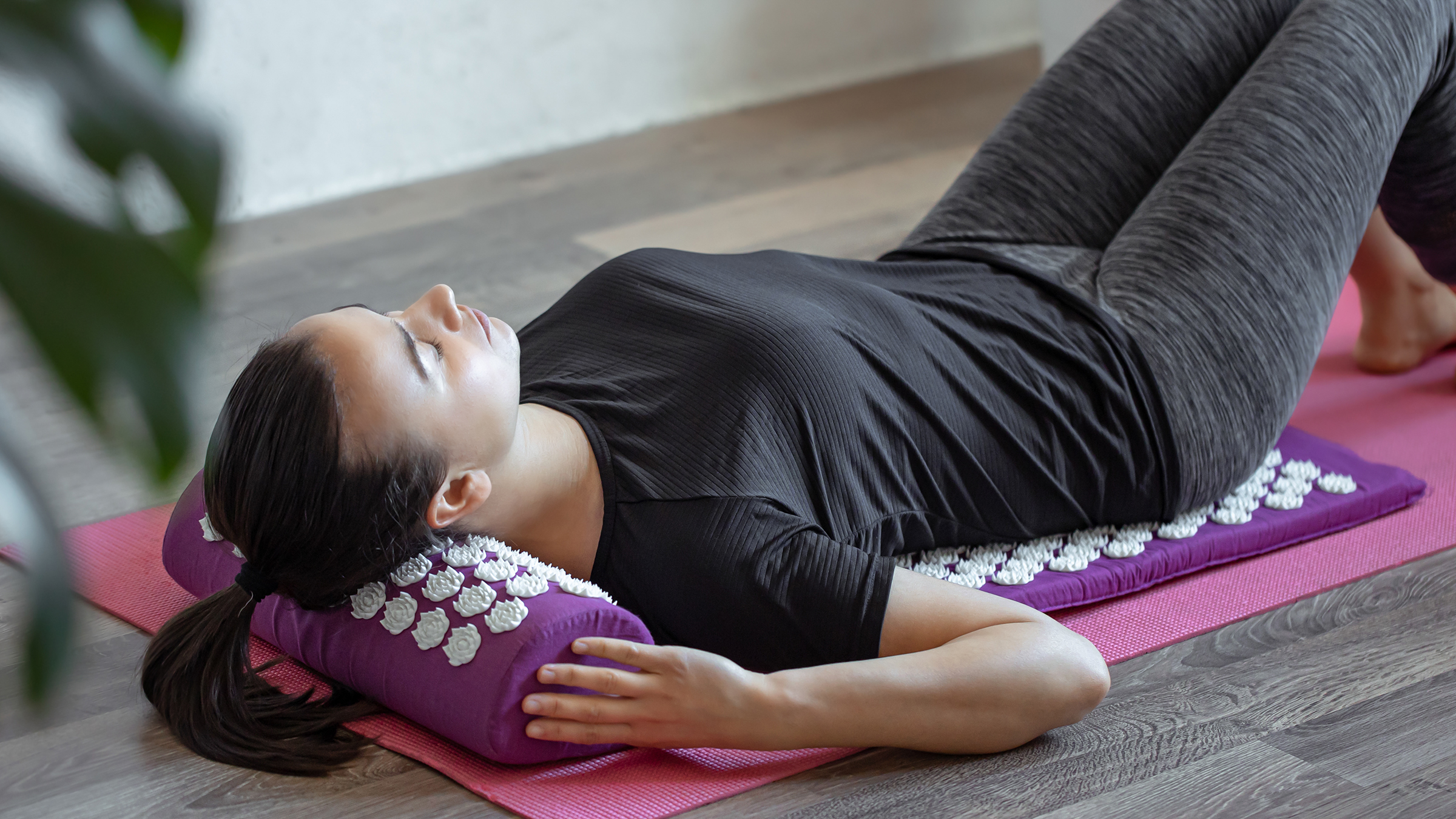
Place the mat on a flat surface like the floor or bed. Lie down slowly to avoid sudden pressure on your skin. Your back should rest evenly on the mat’s spikes. Avoid putting too much weight on one spot. Keep your body relaxed and breathe deeply. You can use a thin cloth over the mat if the spikes feel too sharp.
Recommended Duration
Start with short sessions of 5 to 10 minutes. Gradually increase time as your body adjusts. Most users find 20 to 30 minutes enough for muscle relief. Do not use the mat for more than 40 minutes at a time. Using it too long may cause skin irritation or soreness. Consistency is better than long, rare sessions.
Precautions To Take
Do not use the mat on broken or sensitive skin. Avoid if you have skin infections or wounds. People with blood clotting issues or skin diseases should consult a doctor first. Pregnant women should ask a healthcare provider before use. Stop using the mat if you feel pain or discomfort. Keep the mat clean to prevent infections.

Comparing Acupressure Mats To Other Therapies
Acupressure mats have grown in popularity for easing tight muscles. They offer a unique way to stimulate pressure points on the body. Comparing them to other common therapies helps understand their benefits and limits. Each therapy targets muscle tightness differently. This section explores how acupressure mats match up against massage, heat and cold therapy, and stretching exercises.
Massage Therapy
Massage therapy uses hands to press and rub muscles. It improves blood flow and reduces muscle tension. Massage can be customized to focus on specific tight areas. It also helps relax the mind and body. Acupressure mats apply steady pressure to many points at once. They may not replace the deep work of a skilled massage therapist. But mats offer a convenient option for daily muscle relief at home.
Heat And Cold Therapy
Heat therapy warms muscles, increasing blood flow and flexibility. Cold therapy reduces inflammation and numbs pain in tight muscles. Both methods provide quick relief from soreness. Acupressure mats work by stimulating nerves and improving circulation. They do not change muscle temperature like heat or cold. Combining mats with heat or cold may boost overall muscle comfort.
Stretching And Exercise
Stretching loosens muscles and improves range of motion. Exercise strengthens muscles and prevents stiffness. These activities promote long-term muscle health. Acupressure mats help by relaxing muscles and easing immediate tightness. They do not replace the benefits of regular stretching or exercise. Using mats before or after workouts can enhance muscle recovery.
Choosing The Right Acupressure Mat
Choosing the right acupressure mat plays a big role in easing tight muscles. The right mat can improve comfort and effectiveness. Several key points help you pick the best one for your needs.
Material And Design
Look for mats made with skin-friendly materials. Cotton or linen covers feel soft and allow air flow. The base should be sturdy to hold your weight. A well-made design keeps spikes evenly spread. This helps pressure stay consistent on your muscles.
Spike Density And Length
Spike number and size affect how the mat feels. More spikes mean better pressure on many points. Shorter spikes give gentler stimulation, good for beginners. Longer spikes reach deeper muscles but can feel sharp. Choose spikes that suit your pain level and comfort.
Price And Reviews
Price shows the quality but does not tell the full story. Read user reviews to learn real experiences. People often share how well mats helped their muscle tightness. Check for durability and comfort comments. This helps find a mat that works well and lasts long.
User Experiences And Results
Many people try acupressure mats to ease tight muscles. Their experiences vary but offer useful insights. Some find relief quickly, while others notice slow changes over time. These personal stories help understand what to expect and how best to use the mats.
Success Stories
Users often share how acupressure mats helped reduce muscle stiffness. Some say daily use eased their back and neck tension. Others mention better sleep after sessions on the mat. A few report less need for pain medication. These stories highlight the potential benefits of acupressure mats.
Common Challenges
Some people find the mats uncomfortable at first. The spikes can feel sharp against the skin. It may take several sessions to get used to the sensation. Others notice no immediate change in muscle tightness. Consistency and patience can be a challenge for some users.
Tips For Best Outcomes
Start with short sessions of 5 to 10 minutes. Use a thin cloth if the spikes feel too strong. Gradually increase time and pressure as comfort grows. Relax your body during use to improve results. Try to use the mat regularly for steady relief.
Frequently Asked Questions
Can Acupressure Mats Relieve Muscle Tightness Effectively?
Yes, acupressure mats stimulate pressure points that help relax tight muscles. They improve blood flow and reduce tension, promoting faster recovery and pain relief.
How Long Should I Use An Acupressure Mat Daily?
Using an acupressure mat for 10-20 minutes daily is ideal. Consistent use helps maintain muscle relaxation and enhances overall flexibility and comfort.
Are Acupressure Mats Safe For All Muscle Types?
Generally, acupressure mats are safe for most muscle types. However, avoid use if you have skin conditions, open wounds, or severe circulatory problems.
Can Acupressure Mats Improve Muscle Recovery After Exercise?
Yes, acupressure mats boost circulation and reduce muscle soreness post-exercise. They support faster recovery by releasing muscle knots and easing stiffness.
Conclusion
Acupressure mats may ease tight muscles by improving blood flow. Using them regularly can help reduce muscle tension and soreness. Many people find relief after short sessions on the mat. It feels like gentle pressure on sore spots. Remember, results vary for each person.
Combine mats with stretching and rest for best effects. Give your body time to heal and relax. Small steps lead to better muscle comfort and health. Try it yourself and notice how your muscles feel. Simple tools can support your wellness journey.