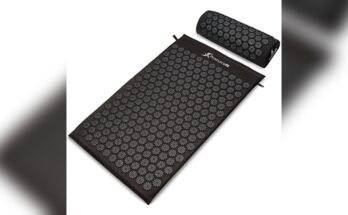
Are you tired of struggling with poor posture that leaves you feeling stiff and uncomfortable? Imagine a simple tool you can use at home to help improve your posture without expensive equipment or long hours at the gym.
Acupressure mats might be the secret you’ve been missing. But can these mats really make a difference in how you sit, stand, and move every day? Keep reading to discover how acupressure mats work and whether they could be the easy fix your posture needs.
How Acupressure Mats Work
Acupressure mats have gained attention for their potential to improve posture. These mats work by applying pressure to specific points on the body. This pressure can help relax muscles and increase blood flow. Understanding how these mats work can clarify their role in posture improvement.
Mechanism Of Pressure Points
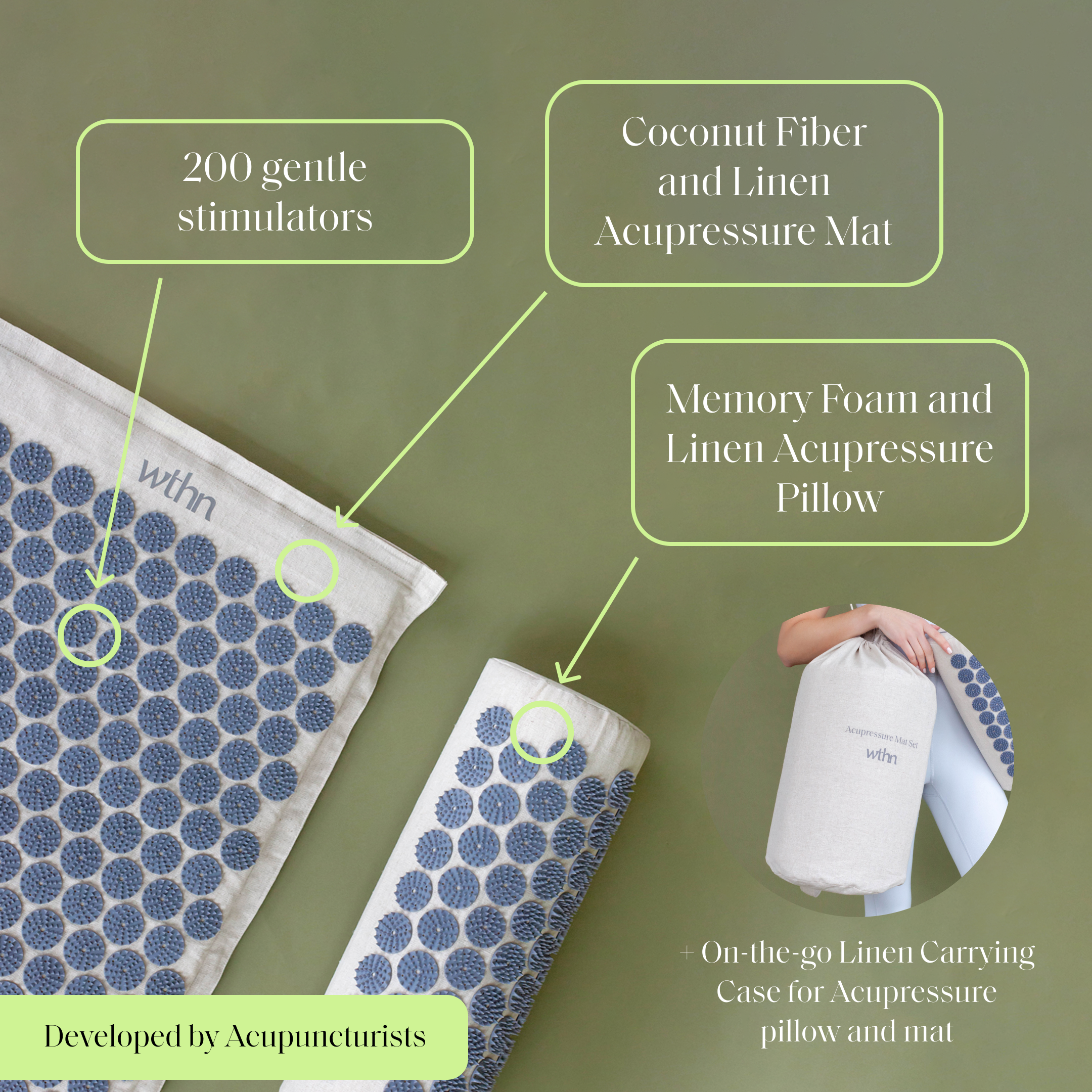
Acupressure mats have many small, firm points. These points press into the skin when you lie down. Each point targets a pressure spot on the body. These spots connect to nerves and muscles. Stimulating these points may send signals to the brain. The brain then releases chemicals that reduce pain and stress.
Effects On Muscle Tension
Pressure from the mat helps muscles relax. Tight muscles often cause poor posture. Relaxed muscles allow better alignment of the spine. The mat can reduce stiffness and soreness. This helps keep the body in a natural position. Over time, reduced tension supports improved posture habits.
Posture Problems Explained
Poor posture is a common issue that affects many people daily. It can cause discomfort and long-term health problems. Understanding the reasons behind bad posture helps in finding better solutions.
Common Causes Of Poor Posture
Sitting for long hours is a major cause of poor posture. Many people slouch or lean forward while working or using devices. Weak muscles, especially in the back and core, also lead to bad posture. Stress can cause tension in the neck and shoulders, making posture worse. Poor habits, like crossing legs or carrying heavy bags unevenly, add to the problem.
Impact Of Poor Posture On Health
Bad posture can cause back and neck pain. It may lead to headaches and reduce lung capacity. Poor posture also affects digestion and blood flow. Over time, it can cause joint wear and muscle strain. These problems lower energy and reduce overall well-being.
Acupressure Mats And Posture
Acupressure mats have gained attention as tools that may help improve posture. These mats apply gentle pressure to the skin, stimulating points linked to the muscles and spine. Using them regularly might support better body alignment and comfort.
Many people experience tight muscles and poor posture from long hours of sitting. Acupressure mats target these issues by encouraging relaxation and promoting natural body balance. This section explores how acupressure mats affect posture and spine health.
Potential Benefits For Spine Alignment
Acupressure mats apply pressure to key points along the back. This pressure can help release tension in muscles that pull the spine out of alignment. Relaxed muscles allow the spine to rest in its natural position. Over time, this may reduce slouching and improve overall posture. Consistent use could support spinal health by encouraging proper alignment during daily activities.
Role In Muscle Relaxation
Tight muscles around the neck, shoulders, and back often cause poor posture. Acupressure mats stimulate these areas, helping muscles to relax. Relaxed muscles reduce stiffness and pain that lead to bad posture habits. This comfort can make it easier to maintain an upright position. Using an acupressure mat before or after work may ease muscle tension and improve posture awareness.
Scientific Evidence And Studies
Scientific studies help us understand if acupressure mats can improve posture. Researchers examine how these mats affect the body. They test for changes in muscle tension, pain relief, and alignment. Evidence from science gives a clearer picture of acupressure mats’ benefits.
Research On Acupressure Mats
Some studies show acupressure mats may reduce muscle tightness. Less tight muscles can support better posture. Research also finds pain relief in the back and neck areas. Pain reduction might make it easier to sit or stand straight.
Other research looks at how acupressure mats affect blood flow. Improved circulation can help muscles stay healthy. Healthy muscles support the spine and encourage good posture. However, most studies are small and focus on short-term effects.
Limitations Of Current Studies
Many studies have few participants. Small sample sizes limit how much we can trust the results. Some research lacks control groups for clear comparisons. This makes it hard to know if mats alone cause improvements.
Most experiments last only a few weeks. Long-term effects on posture remain unclear. Researchers also use different methods, making results hard to compare. More rigorous and larger studies are needed to confirm findings.
User Experiences And Testimonials
Many people who use acupressure mats share their thoughts online. Their stories help others understand if these mats can improve posture. Users talk about their comfort, pain relief, and changes in body alignment. Reading real experiences gives a clearer picture beyond product descriptions.
Positive Feedback
Several users say acupressure mats help ease back and neck pain. They notice better posture after regular use. Some mention feeling more relaxed and less tense in their muscles. Many find it easier to sit or stand straight. Small improvements add up over time, making a big difference.
Users like the mats for home use and quick sessions. They appreciate the natural way to support their spine. Some report better blood flow and less stiffness. These benefits encourage daily use and help create good habits. Positive feedback often highlights comfort and simple pain relief.
Common Complaints
Some users find the mats uncomfortable at first. The spikes can feel sharp or prickly on bare skin. It may take days or weeks to get used to the sensation. Others say the mats do not fix severe posture problems alone. They suggest combining mats with exercises or therapy.
Some complain about the mat size or material quality. A few mention skin irritation or redness after use. Results vary depending on the user’s condition and consistency. These complaints show the mats are not perfect for everyone. Trying a mat carefully is important before regular use.

Tips For Using Acupressure Mats
Using acupressure mats can help improve posture by relieving tension and promoting better alignment. Proper use of these mats enhances their effects and supports your body. Following simple tips ensures comfort and safety while using the mats. Here are key points to consider for best results.
Best Practices For Posture Improvement
Start by placing the mat on a flat surface like the floor or a chair. Wear thin clothing at first to get used to the sensation. Gradually increase the time spent on the mat, starting with 5 to 10 minutes. Focus on sitting or lying with a straight back. Relax your muscles and breathe deeply. Regular use, at least a few times a week, helps train your muscles to hold better posture. Combine mat use with simple stretching exercises for added benefits.
Safety Precautions
Avoid using the mat on broken or irritated skin. Do not press too hard; let your body adjust naturally. People with sensitive skin or certain medical conditions should consult a doctor first. Stop use immediately if you feel pain or discomfort. Keep the mat clean to prevent skin infections. Use the mat in a safe, quiet space to avoid accidents. Follow manufacturer guidelines for best and safe use.
Alternatives To Acupressure Mats
Acupressure mats offer a unique way to ease muscle tension and improve posture. Some people seek other methods to support their posture goals. Various alternatives exist that target the same areas acupressure mats do. These options may fit different needs and lifestyles. Exploring these can help find the best fit for posture improvement.
Physical Therapy Options
Physical therapy helps strengthen muscles supporting good posture. Therapists create exercises to correct body alignment. They teach proper movement and stretching techniques. This approach targets weak or tight muscles causing poor posture. Regular sessions can improve posture over time. Physical therapy also reduces pain linked to bad posture. It offers personalized care based on individual needs.
Ergonomic Adjustments
Ergonomic changes improve posture by adjusting daily environments. Chairs, desks, and screens can be set up correctly. Proper setup reduces strain on the neck, back, and shoulders. Small changes like keyboard height and chair support matter. Ergonomic tools encourage sitting and standing with better alignment. These adjustments help maintain good posture during work or rest. They support long-term posture health without extra effort.

Frequently Asked Questions
Can Acupressure Mats Really Improve Posture?
Yes, acupressure mats stimulate pressure points that relax muscles and reduce tension. This helps align the spine and improves posture over time when used regularly.
How Often Should I Use An Acupressure Mat?
For best results, use the mat daily or at least 3-4 times per week. Sessions of 10-20 minutes help release muscle tightness and encourage better posture habits.
Are Acupressure Mats Safe For Posture Correction?
Yes, acupressure mats are generally safe when used correctly. Start with short sessions and avoid if you have sensitive skin or circulation issues.
What Posture Problems Can Acupressure Mats Address?
They mainly help relieve neck, shoulder, and back tension. This reduces slouching and muscle stiffness, promoting a straighter, healthier posture.
Conclusion
Acupressure mats may help improve your posture over time. They stimulate pressure points that relax muscles and reduce tension. Using the mat regularly can encourage better body alignment. Many people find it easier to sit or stand straight after sessions.
Remember, good posture takes practice and patience. Combine mat use with exercises for best results. Small daily steps can lead to noticeable changes. Try it and see how your posture feels after a few weeks. Your body will thank you for the extra care.