Are you tired of living with chronic pain that just won’t go away? You might have heard about acupressure mats as a simple, drug-free way to ease your discomfort.
But do they really work? This article will help you understand how acupressure mats could make a difference in your pain management. By the end, you’ll know whether these mats are worth trying and how they might fit into your daily routine.
Keep reading to discover the truth behind this popular pain relief method and what it could mean for your comfort and well-being.
How Acupressure Mats Work
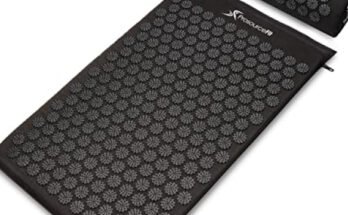
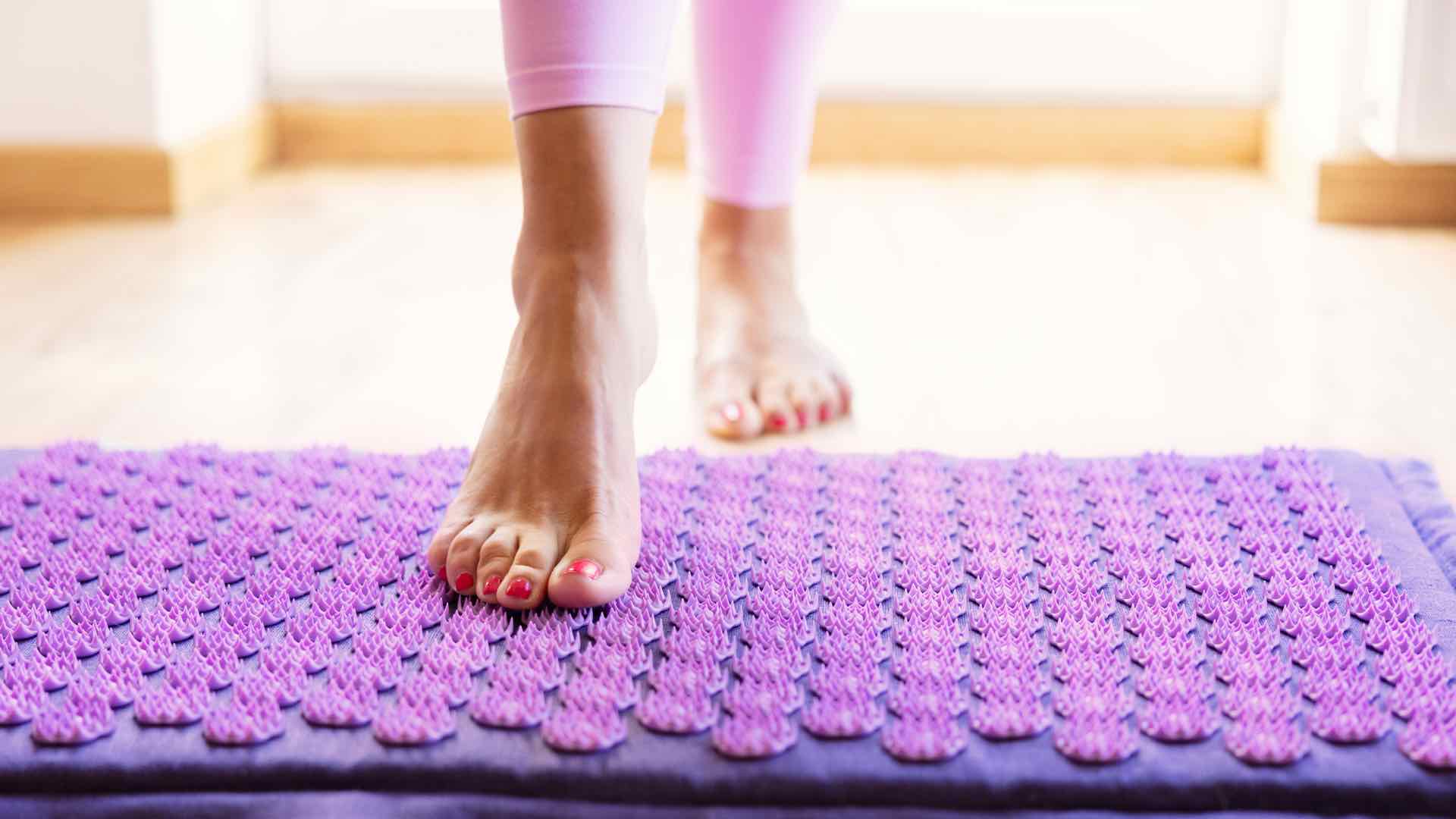
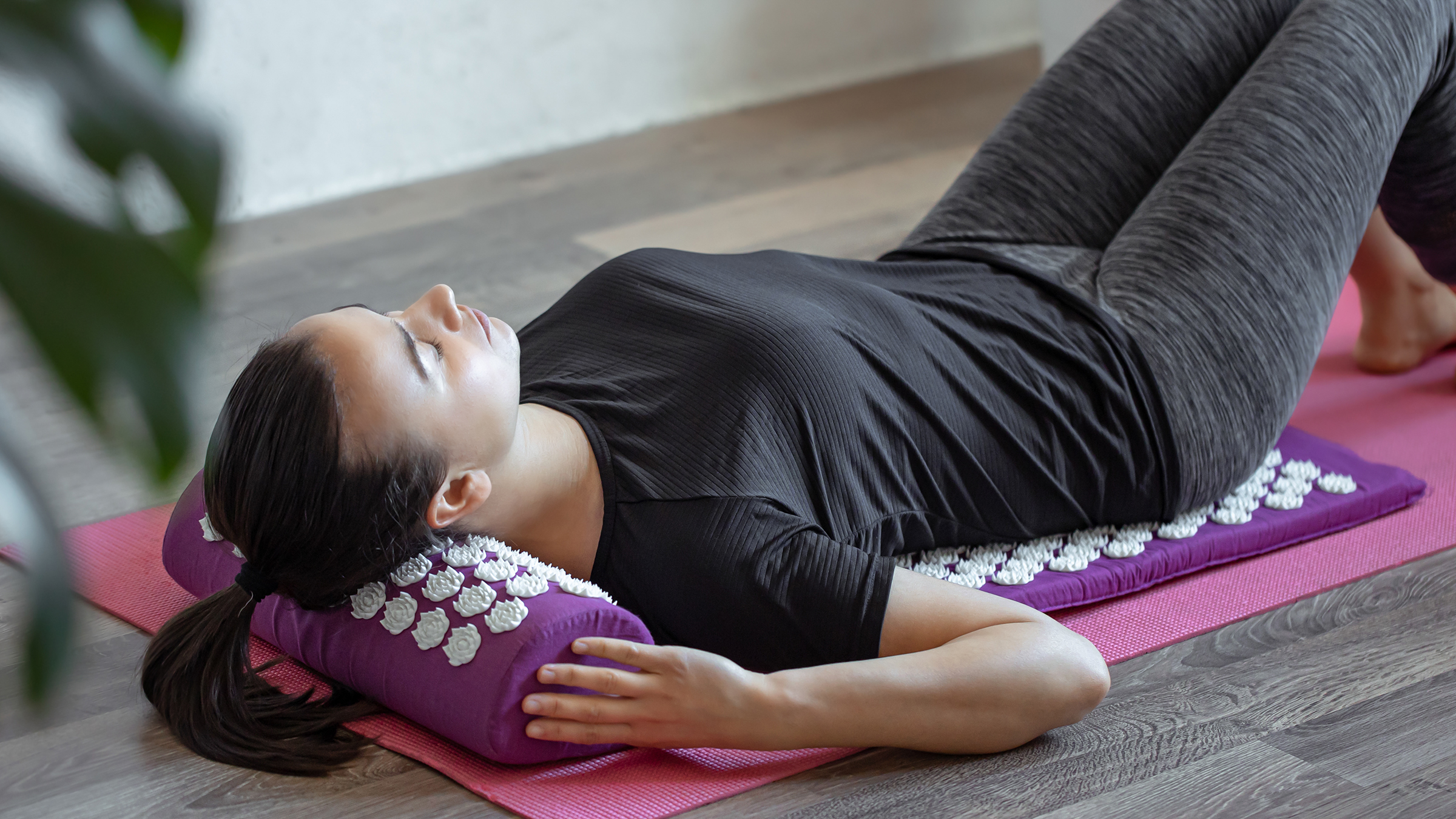
Acupressure mats offer a natural way to ease chronic pain by using simple physical principles. These mats have many small, pointed plastic spikes. When you lie on the mat, the spikes press on different points of your body. This gentle pressure can help your body respond in several beneficial ways. Below, we explore how acupressure mats work to reduce pain and improve well-being.
Stimulating Pressure Points
The spikes on acupressure mats press on specific spots called pressure points. These points connect to nerves and muscles in the body. Stimulating them can reduce muscle tension and relieve pain. This process is similar to acupuncture but without needles. The pressure signals the body to relax and heal.
Boosting Blood Circulation
Pressing on the skin with the mat helps increase blood flow. Better circulation brings more oxygen and nutrients to sore areas. This speeds up healing and reduces inflammation. Improved blood flow can also help remove waste products that cause pain and stiffness.
Triggering Endorphin Release
The pressure from the mat can trigger the release of endorphins. Endorphins are natural painkillers made by the brain. They help lower pain signals and create a feeling of calm. This effect can improve mood and reduce stress, which often worsen chronic pain.
Chronic Pain Types Targeted
Chronic pain affects many parts of the body. Acupressure mats target different pain types. These mats apply pressure to key points on the skin. This pressure helps to reduce pain and tension. Below are the main chronic pain types that acupressure mats can help relieve.
Back And Neck Pain
Back and neck pain are common problems. Sitting too long or poor posture causes these pains. Acupressure mats stimulate nerves and muscles in these areas. This stimulation may improve blood flow and ease stiffness. Regular use can help reduce soreness and increase comfort.
Headaches And Migraines
Headaches and migraines cause severe discomfort. Stress and muscle tension often trigger them. Acupressure mats help by relaxing the muscles around the head and neck. This relaxation may lower headache frequency and intensity. Users often report feeling calmer after use.
Joint And Muscle Discomfort
Joint and muscle discomfort affect daily activities. Conditions like arthritis cause swelling and pain. Acupressure mats increase circulation around joints and muscles. Improved blood flow helps reduce inflammation and stiffness. This relief supports easier movement and less pain.
Scientific Evidence And Studies
Scientific studies explore how acupressure mats affect chronic pain. Researchers test these mats to see if they reduce pain or improve comfort. Evidence comes from clinical trials, user reviews, and analysis of study limits. Understanding these findings helps decide if acupressure mats work well for pain relief.
Clinical Trials Overview
Several clinical trials have tested acupressure mats on people with chronic pain. Many studies show small pain relief after regular use. Some trials report reduced muscle tension and better sleep. Results vary, with some participants experiencing no change. Trials often use control groups for fair comparison.
User Experience And Feedback
User reviews offer insight into real-world effects of acupressure mats. Many users feel relaxed and less tense after use. Some report decreased pain in the back, neck, and shoulders. Others mention improved mood and sleep quality. Feedback highlights both positive effects and cases with no benefit.
Limitations And Gaps
Research on acupressure mats has some limits. Sample sizes in trials are often small. Study durations tend to be short, limiting long-term data. Some studies lack strong controls or clear methods. More research is needed to confirm benefits and explain how mats work.
Safe Use And Precautions
Using acupressure mats can help ease chronic pain for some people. Safe use is important to avoid injury or discomfort. Understanding who should avoid these mats and how to use them correctly improves results.
Following the right duration and frequency keeps your body comfortable. Combining acupressure mats with other therapies may also boost pain relief. Take care and listen to your body to enjoy benefits safely.
Who Should Avoid Acupressure Mats
People with skin problems or open wounds should avoid acupressure mats. Those with blood clotting issues or on blood thinners must be careful. Pregnant women should talk to a doctor before use. People with nerve damage or severe pain should consult a healthcare provider first.
Proper Duration And Frequency
Start with short sessions of 5 to 10 minutes daily. Gradually increase to 20 to 30 minutes as your body adapts. Avoid using the mat for more than 30 minutes at once. Consistent daily use often brings better results than long, rare sessions.
Combining With Other Therapies
Using acupressure mats alongside physical therapy can improve pain relief. Pairing with gentle stretching or massage helps relax muscles further. Always inform your healthcare provider about all treatments you use. This ensures safe and coordinated care for your chronic pain.
Tips For Maximizing Relief
Using an acupressure mat can help ease chronic pain. Simple steps can increase the relief you feel. Follow these tips to get the best results from your mat.
Choosing The Right Mat
Pick a mat with enough pressure points for your needs. Look for one with sharp but comfortable spikes. Size matters—choose a mat that fits your body well. Check the material for durability and skin comfort. A good mat lasts longer and feels better on your skin.
Optimal Positioning Techniques
Lie down slowly on the mat to avoid discomfort. Start with 10 to 15 minutes per session. Place the mat on flat surfaces like a bed or floor. Adjust your body to target the painful areas. Relax your muscles to let the spikes work properly.
Incorporating Relaxation Practices
Breathe deeply while using the mat to calm your mind. Try gentle stretching before or after your session. Play soft music to enhance relaxation. Combine mat use with warm baths for added comfort. Relaxing helps your body respond better to acupressure.

Frequently Asked Questions
What Is An Acupressure Mat And How Does It Work?
An acupressure mat has small, plastic spikes that stimulate pressure points. It boosts blood flow and releases muscle tension. This helps reduce chronic pain and promotes relaxation naturally.
Are Acupressure Mats Safe For Chronic Pain Relief?
Yes, acupressure mats are generally safe for most people. However, avoid use on open wounds, skin infections, or if pregnant. Always consult a healthcare provider before starting new pain treatments.
How Long Should I Use An Acupressure Mat Daily?
Start with 10-15 minutes per day and gradually increase to 30 minutes. Consistent daily use enhances pain relief and muscle relaxation. Avoid overuse to prevent skin irritation.
Can Acupressure Mats Replace Traditional Pain Treatments?
Acupressure mats complement but do not replace medical treatments. They offer natural pain relief alongside therapies like medication or physical therapy. Always discuss with your doctor before changing treatments.
Conclusion
Acupressure mats may help reduce chronic pain for some people. They work by stimulating pressure points on the body. Many users find relief from muscle tension and stress. Results can vary depending on individual needs and conditions. Using the mat regularly and with care is important.
It is wise to consult a doctor before starting any new treatment. Small steps can lead to better comfort and health. Trying an acupressure mat might be worth considering. Pain relief is possible with the right approach.