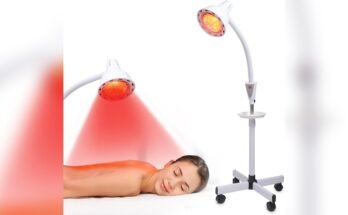
Are you tired of constant joint pain holding you back? Imagine finding relief with something as simple as a heat lamp.
Infrared heat lamps have been gaining attention for their potential to ease joint discomfort and improve your daily comfort. But can they really make a difference for your pain? Keep reading to discover how this technology works and whether it might be the solution you’ve been searching for.
Your journey to feeling better could start here.
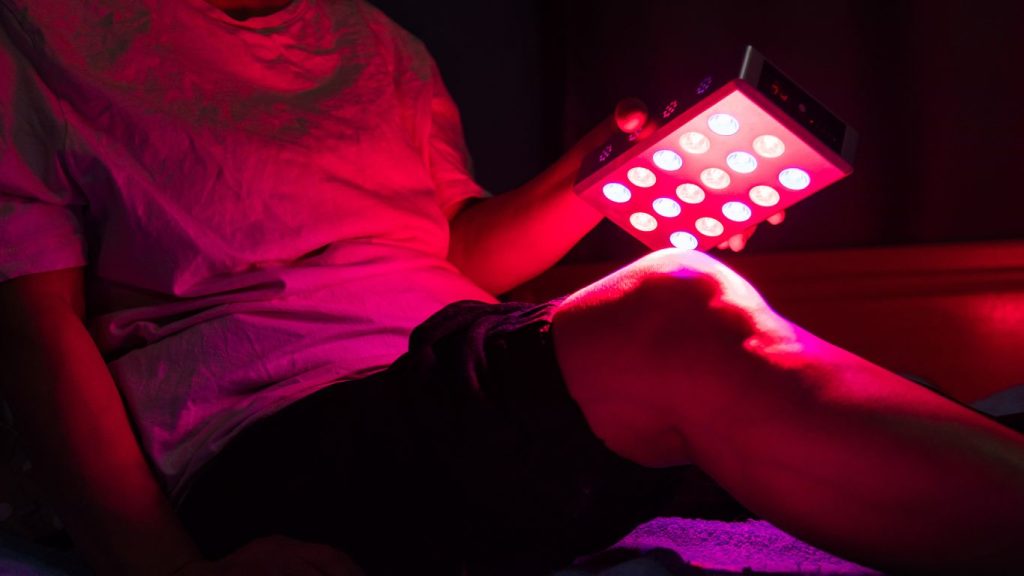
How Infrared Heat Lamps Work
Infrared heat lamps offer a unique way to ease joint pain. They use special light that generates warmth. This warmth can reach deep into the skin. It helps relax muscles and reduce stiffness around joints. Understanding how these lamps work can help you decide if they suit your needs.
Infrared Radiation And Heat Penetration
Infrared lamps produce infrared radiation, a type of light invisible to the eye. This light carries heat energy that penetrates the skin. It reaches muscles and joints beneath the surface. The heat improves blood flow and reduces inflammation. This process can ease pain and improve movement.
Types Of Infrared Lamps
There are different kinds of infrared lamps. Near-infrared lamps emit shorter wavelengths. They penetrate the skin deeply and quickly. Far-infrared lamps use longer wavelengths. These provide gentler, slower heat absorption. Choosing the right lamp depends on the type of pain and personal comfort.

Joint Pain Causes And Symptoms
Joint pain affects many people of all ages. It can limit movement and cause discomfort. Understanding the causes and symptoms helps in managing the pain better. This section explains common joint problems and signs of ongoing joint pain.
Common Conditions Affecting Joints
Arthritis is a major cause of joint pain. It includes types like osteoarthritis and rheumatoid arthritis. Osteoarthritis happens due to wear and tear of cartilage. Rheumatoid arthritis is an autoimmune disease causing joint inflammation. Bursitis causes pain by inflaming fluid-filled sacs near joints. Tendonitis results from inflamed tendons around joints. Gout causes sudden, severe pain due to crystal buildup in joints.
Signs Of Chronic Joint Pain
Chronic joint pain lasts for months or years. It often comes with stiffness and swelling. Pain may worsen after activity or rest. Joints might feel warm or tender to touch. Reduced range of motion is common in chronic cases. Persistent pain can affect sleep and daily tasks. Noticing these signs early helps in seeking treatment.
Benefits Of Infrared Heat For Joints
Infrared heat therapy offers many benefits for joint health. It uses light to reach deep into the skin and tissues. This heat helps ease pain and improve joint function. Many people find relief with infrared heat lamps. Their effects support better movement and comfort in daily life.
Below are key benefits of using infrared heat for joints.
Improved Blood Circulation
Infrared heat helps widen blood vessels. This process increases blood flow around the joints. Better circulation delivers more oxygen and nutrients. It also helps remove waste and toxins. This supports faster healing and reduces stiffness.
Muscle Relaxation And Pain Reduction
The warmth from infrared lamps relaxes muscles near joints. Relaxed muscles cause less tension and pain. This heat also triggers the release of natural painkillers in the body. Many users feel less soreness and more ease of movement.
Inflammation Control
Infrared heat can reduce swelling in joints. It calms inflammation by improving blood flow and cell repair. Lower inflammation means less pain and better joint function. This makes daily activities easier and more comfortable.
Scientific Studies On Infrared Therapy
Scientific studies on infrared therapy explore its effects on joint pain relief. Researchers have tested infrared heat lamps in clinical settings. These studies aim to find out if infrared light helps reduce pain and improve joint function.
Results vary, but many show positive signs. Understanding these studies helps users make informed decisions about infrared therapy.
Clinical Trials And Results
Several clinical trials tested infrared therapy on arthritis and joint pain. Patients often reported less pain after treatment. Some studies found improved blood flow and reduced inflammation. Infrared light may stimulate cells and promote healing. Many trials used infrared heat lamps daily for several weeks. The overall trend shows infrared therapy can ease mild to moderate joint pain.
Limitations And Controversies
Not all studies agree on the benefits of infrared therapy. Some trials showed little or no improvement in pain. Differences in study design and patient groups affect results. Infrared therapy may not work for severe joint conditions. Long-term effects remain unclear due to limited research. Experts debate the best treatment protocols and device settings. More research is necessary to confirm infrared therapy’s true effectiveness.
Using Infrared Heat Lamps Safely
Using infrared heat lamps safely is important to get relief without risks. These lamps emit gentle heat that penetrates skin and muscles. The warmth can ease joint pain and stiffness effectively. Proper use helps avoid burns and skin damage. Follow guidelines to enjoy benefits while protecting your body.
Recommended Usage Duration
Limit sessions to 15-20 minutes at a time. Overuse can cause skin irritation or burns. Use the lamp on one joint per session. Allow skin to cool between sessions. Use infrared lamps up to twice daily for best results. Always follow manufacturer instructions for timing.
Precautions And Contraindications
Do not use infrared lamps on broken or inflamed skin. Avoid use if you have diabetes or poor blood flow. People with heart conditions should consult a doctor first. Keep the lamp at least 12 inches from skin. Never stare directly into the lamp light. Stop use if you feel discomfort or pain.
Comparing Infrared Heat With Other Treatments
Infrared heat lamps offer a unique way to ease joint pain. They use light to warm deep tissues, helping reduce stiffness and improve blood flow. Many people compare infrared heat to other treatments. Each method has its own benefits and limits. Understanding these can help choose the best option for joint pain relief.
Physical Therapy And Exercise
Physical therapy focuses on moving joints to build strength. Exercises improve flexibility and reduce pain over time. Therapists guide specific movements that protect joints. Unlike infrared heat lamps, therapy takes longer to show results. It also requires effort and regular sessions. Yet, therapy helps fix the root cause of joint pain.
Medication And Topical Remedies
Medications like painkillers or anti-inflammatories act fast. They lower swelling and ease pain quickly. Topical creams provide direct relief on the skin. These treatments can work well for sudden pain flare-ups. Infrared heat lamps, by contrast, work gradually and naturally. Medicines may cause side effects if used too long. Heat lamps offer a safer option for daily use.
Alternative Heat Therapies
Other heat methods include hot packs, warm baths, or heating pads. These provide surface heat that soothes muscles and joints. Infrared heat lamps penetrate deeper than regular heat sources. This helps target the joint tissues more effectively. Traditional heat is easy to use but may cool quickly. Infrared lamps maintain steady warmth for longer periods.
Choosing The Right Infrared Heat Lamp
Choosing the right infrared heat lamp is important for easing joint pain effectively. The right lamp offers proper heat, safety, and comfort. Picking a lamp that fits your needs helps you get the best results without any hassle.
Features To Consider
Look for lamps that provide consistent and gentle heat. Adjustable heat settings allow better control over therapy. A timer is useful to avoid overheating the skin. Check if the lamp is easy to use and move. Safety features like automatic shut-off add peace of mind. Size matters—choose a lamp that covers the painful joint well.
Budget And Quality Factors
Set a budget but aim for good quality. Cheap lamps may not last long or give steady heat. Higher-quality lamps offer better materials and longer warranties. Compare prices, but don’t sacrifice safety or effectiveness. A slightly higher cost can mean better relief and durability. Read user reviews to gauge real experiences with the product.

Frequently Asked Questions
How Do Infrared Heat Lamps Relieve Joint Pain?
Infrared heat lamps penetrate deep skin layers to improve blood flow. This reduces stiffness, eases muscle tension, and alleviates joint pain effectively.
Are Infrared Heat Lamps Safe For Joint Pain Treatment?
Yes, infrared heat lamps are generally safe when used as directed. Avoid overexposure and consult a doctor if you have sensitive skin or health issues.
How Long Should I Use An Infrared Heat Lamp For Pain?
Use the infrared heat lamp for 15 to 20 minutes per session. Repeat 2-3 times daily for best joint pain relief results.
Can Infrared Heat Lamps Replace Traditional Joint Pain Medication?
Infrared heat lamps can complement but not replace medication. They provide non-invasive relief but always follow your doctor’s treatment plan.
Conclusion
Infrared heat lamps can provide relief for joint pain by improving blood flow. They help reduce stiffness and ease muscle tension around the joints. Many people find them a simple way to manage discomfort at home. Still, they work best combined with other treatments and healthy habits.
Always check with a doctor before starting new therapies. Feeling better is possible with the right approach and care. Give infrared heat lamps a try to see if they suit your needs.