If you live with fibromyalgia, you know how frustrating the constant pain and fatigue can be. You might be searching for new ways to find relief and improve your quality of life.
Have you ever wondered if infrared heat lamps could help ease your symptoms? These lamps are gaining attention as a potential tool to soothe muscle pain and stiffness. But do they really work for fibromyalgia? You’ll discover how infrared heat lamps affect your body, what the research says, and whether this might be a solution worth trying for your fibromyalgia pain.
Keep reading to find out if infrared heat lamps could make a difference in your daily comfort.
Fibromyalgia And Pain
Fibromyalgia causes widespread pain that affects daily life. The pain feels deep and constant. It often comes with tiredness and trouble sleeping. Many people with fibromyalgia describe the pain as burning or aching. This pain can vary in intensity and location.
Understanding fibromyalgia pain helps in managing it better. The pain is not from injury but from how the brain processes signals. This makes fibromyalgia different from other types of pain. Treatments focus on easing symptoms rather than curing the condition.
Symptoms And Causes
Fibromyalgia causes pain all over the body. People also feel stiffness and tenderness. Fatigue is common, making simple tasks hard. Sleep problems add to the tiredness. The exact cause is unknown. Some think it involves changes in the nervous system. Stress, infections, or injuries may trigger symptoms.
Challenges In Treatment
Treating fibromyalgia is difficult due to its complex nature. No single medicine works for everyone. Pain can come and go without clear reason. Doctors often suggest a mix of medicine, exercise, and therapy. Finding what helps takes time and patience. Many patients try different methods to reduce pain.
Infrared Heat Lamps Explained
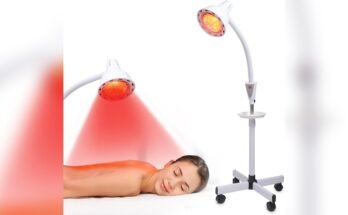
Infrared heat lamps are tools that use light to create warmth. They emit infrared rays, a type of light we cannot see but can feel as heat. These lamps are used in many ways, including easing muscle pain and stiffness.
People with fibromyalgia often experience widespread pain and fatigue. Infrared heat lamps may help by providing deep, soothing heat to affected areas. This section explains how these lamps work and the types available.
How Infrared Heat Works
Infrared heat lamps produce heat through infrared radiation. This radiation penetrates the skin and warms muscles and tissues beneath. The warmth helps increase blood flow and relax muscles. It may reduce pain and stiffness in sore areas.
The heat from infrared lamps is gentle and does not burn the skin. It works by raising the temperature inside the body’s tissues, which can aid healing and comfort. This process is different from regular heat sources that warm only the skin’s surface.
Types Of Infrared Lamps
There are several types of infrared heat lamps. The main types include near-infrared and far-infrared lamps. Near-infrared lamps emit shorter wavelengths that reach deeper into the body. They are often used for muscle and joint pain.
Far-infrared lamps produce longer wavelengths. These are more gentle and mainly warm the surface of the skin. Both types have their benefits, depending on the treatment needed. Some lamps combine both types for wider effects.
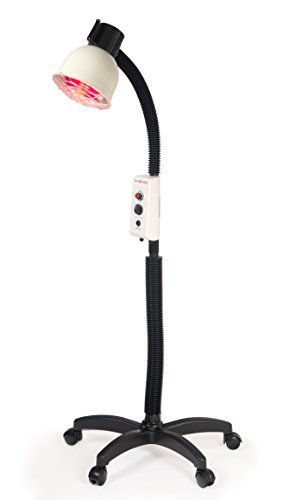
Infrared lamps come in different shapes and sizes. Some are handheld, while others are larger and mounted. Choosing the right type depends on the area to treat and personal comfort.
Benefits For Fibromyalgia
Infrared heat lamps offer several benefits for people with fibromyalgia. This condition causes widespread pain, fatigue, and muscle stiffness. Using infrared heat lamps can help ease these symptoms and improve daily comfort. The warmth penetrates deep into muscles and tissues, promoting healing and relaxation.
Below are some key benefits that make infrared heat lamps helpful for fibromyalgia sufferers.
Pain Relief Mechanisms
Infrared heat helps reduce pain by warming deep tissues. Heat relaxes tight muscles and lowers nerve sensitivity. This process can calm the pain signals sent to the brain. Many users report feeling less soreness after sessions with infrared lamps.
Improvement In Muscle Stiffness
The warmth from infrared lamps loosens stiff muscles. It increases tissue flexibility and reduces tension. This effect allows for easier movement and less discomfort. Regular use can support better muscle function over time.
Enhanced Blood Circulation
Infrared heat boosts blood flow to affected areas. Better circulation brings oxygen and nutrients to damaged tissues. It also helps remove waste products that cause inflammation. Improved blood flow supports faster recovery and reduced swelling.
Scientific Evidence
Scientific evidence plays a key role in understanding how infrared heat lamps affect fibromyalgia symptoms. Research helps separate facts from myths. It shows what benefits, if any, these lamps provide for pain relief and improved quality of life.
Clinical Studies And Findings
Several clinical studies have tested infrared heat therapy on fibromyalgia patients. Some show reduced pain and muscle stiffness after regular treatments. Heat can increase blood flow and relax tight muscles. This may ease some fibromyalgia symptoms.
Not all studies agree on the benefits. Some find little to no improvement. Differences in study design and treatment length may cause mixed results. More research is needed to confirm long-term effects.
Patient Testimonials
Many fibromyalgia patients share positive experiences with infrared heat lamps. They report less pain and better sleep. Some say muscle soreness and fatigue improve after sessions. Personal stories highlight how heat therapy can help daily discomfort.
Others see no change or find relief only for a short time. Individual responses vary widely. Testimonials offer useful insight but cannot replace scientific proof.
Usage Guidelines
Using infrared heat lamps for fibromyalgia needs care and clear steps. Proper use can improve comfort and reduce pain. Understanding how to apply the lamp safely is very important. Follow simple rules to avoid burns or other problems.
Safe Application Tips
Keep the lamp at least 12 inches from your skin. Avoid direct contact to prevent burns. Use a timer to track the session length. Do not use the lamp on broken or irritated skin. Always sit or lie down comfortably before starting. Stop immediately if you feel discomfort or pain.
Recommended Duration And Frequency
Start with short sessions of 10 to 15 minutes. Use the lamp two to three times a week at first. Increase time slowly, but do not exceed 30 minutes per session. Give your skin time to rest between sessions. Regular use helps maintain relief but avoid overuse.
Potential Risks And Precautions
Using infrared heat lamps for fibromyalgia may offer relief, but risks exist. Understanding these risks helps you use the lamps safely. Precautions reduce chances of harm and improve your experience.
Possible Side Effects
Infrared heat lamps can cause skin redness or irritation. Prolonged use might lead to burns or discomfort. Some people feel dizzy or lightheaded during or after use. Overuse can worsen symptoms instead of easing them. Watch for unusual pain or swelling after sessions.
When To Avoid Infrared Lamps
Avoid infrared lamps if you have sensitive skin or open wounds. Do not use them over swollen or infected areas. People with certain health conditions should consult a doctor first. Pregnant women should avoid using these lamps without medical advice. Never use infrared heat lamps near the eyes or on the face.
Alternative Therapies
Alternative therapies offer different ways to ease fibromyalgia symptoms. Many people seek options beyond medicine. These therapies focus on reducing pain and improving quality of life. They often work alongside standard treatments. Exploring these can help find what suits your body best.
Heat Therapy Options
Heat therapy helps relax muscles and reduce pain. Infrared heat lamps are one option. They use light to warm deep tissues. This warmth may ease stiffness and soreness. Other heat methods include hot packs and warm baths. Each method targets muscle tension differently. Regular use can improve comfort and mobility.
Complementary Treatments For Fibromyalgia
Complementary treatments support overall well-being. Massage therapy can relieve muscle tightness. Gentle exercises like yoga improve flexibility. Acupuncture may reduce pain signals. Meditation helps manage stress and fatigue. Combining these with heat therapy may bring better results. Many find relief by trying several therapies together.
Choosing The Right Infrared Lamp
Choosing the right infrared heat lamp is important for managing fibromyalgia symptoms. The right lamp provides effective heat therapy and ensures safety. Different lamps have different features. Knowing these can help you pick one that suits your needs.
Factors To Consider
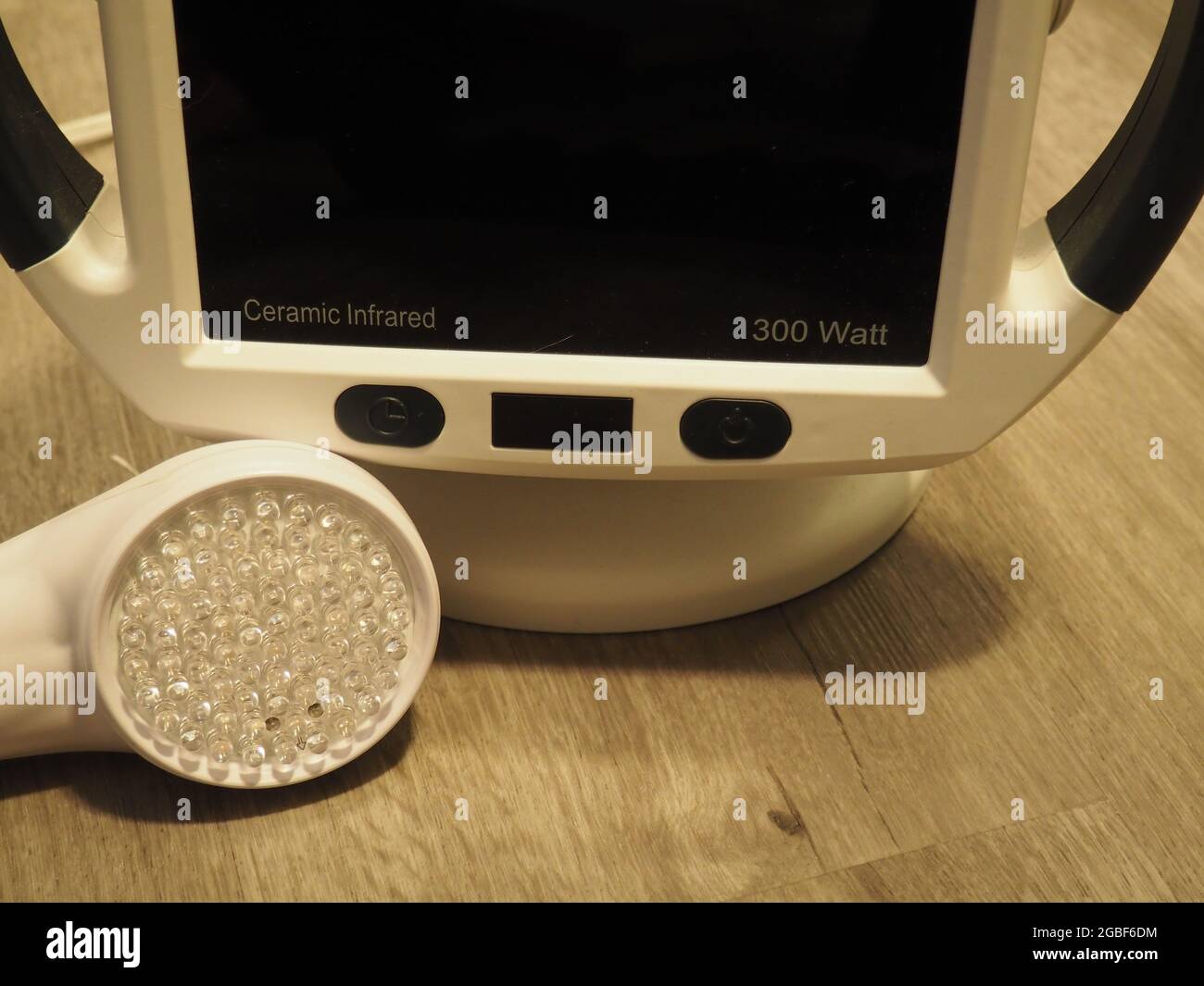
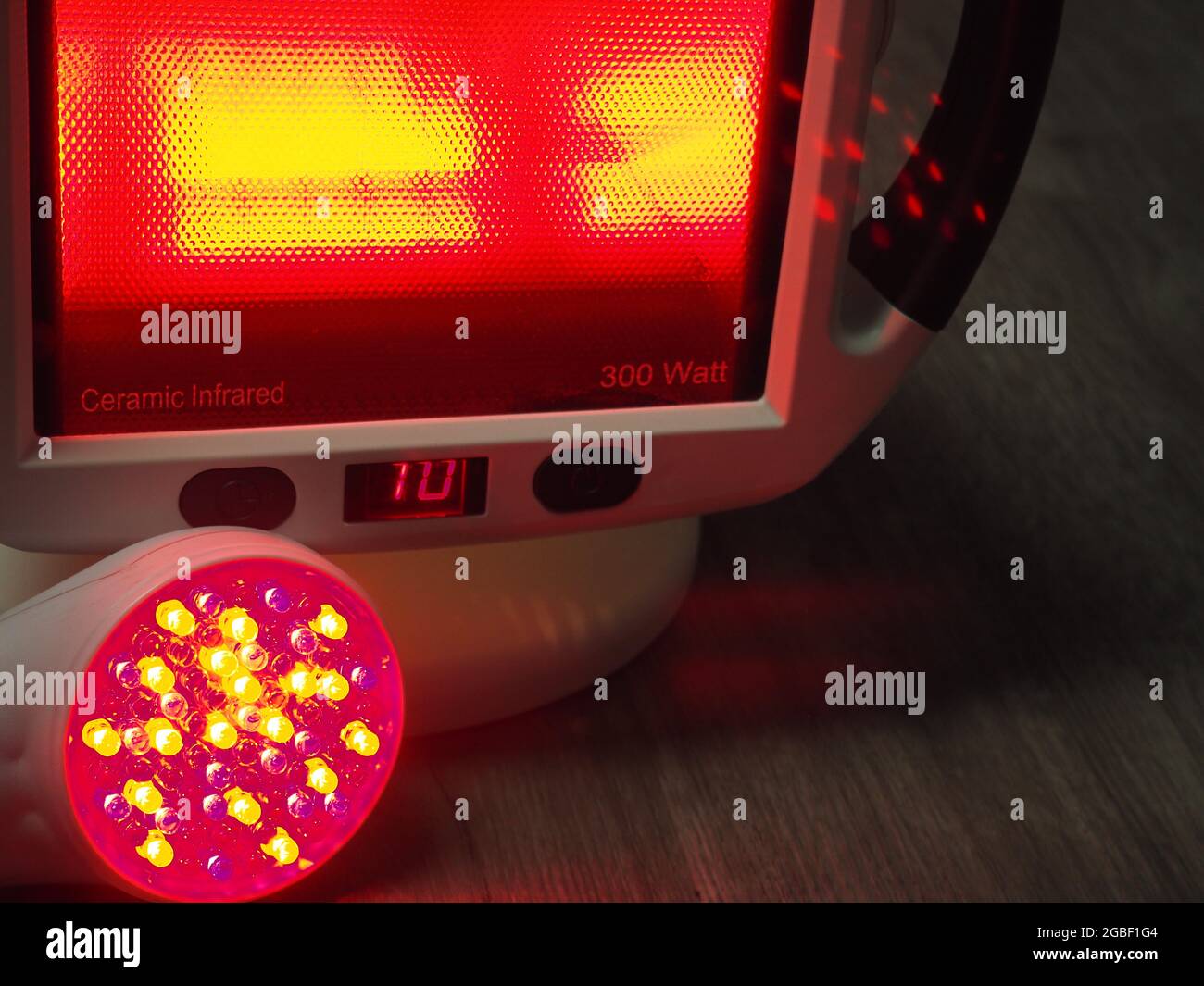
Wattage matters. Higher wattage means deeper heat but more power use. Size is another key. Bigger lamps cover larger areas but can be less portable. Look for adjustable settings. Control over heat levels helps avoid burns. Check the type of bulb. Quartz bulbs heat up fast and last longer. Consider safety features like automatic shut-off. This protects against overheating. Also, think about price and warranty. A good balance of cost and quality is smart.
Top Products On The Market
Several infrared lamps stand out for fibromyalgia care. The Beurer IL50 offers strong heat with adjustable settings. The TDP Lamp uses mineral plates for gentle heat, popular in therapy. The SaunaSpace Infrared Lamp provides broad coverage and easy use. Always read user reviews. They give real insights into performance and durability. Choose a lamp that matches your specific fibromyalgia needs and budget.
Frequently Asked Questions
Do Infrared Heat Lamps Relieve Fibromyalgia Pain?
Infrared heat lamps can help ease fibromyalgia pain by improving blood flow and reducing muscle stiffness. They provide deep heat therapy, which may soothe aching muscles and joints. However, results vary, and infrared therapy should complement other treatments, not replace them.
How Does Infrared Heat Therapy Work For Fibromyalgia?
Infrared heat therapy penetrates deep into muscles and tissues, promoting circulation and reducing inflammation. This warmth helps relax tight muscles and relieve pain. For fibromyalgia patients, it can improve comfort and mobility when used regularly and alongside medical advice.
Are Infrared Heat Lamps Safe For Fibromyalgia Patients?
Yes, infrared heat lamps are generally safe when used as directed. Avoid prolonged exposure or overheating, which can cause burns. Consult a healthcare provider before starting infrared therapy, especially if you have sensitive skin or other health conditions.
Can Infrared Heat Lamps Improve Sleep In Fibromyalgia?
Infrared heat therapy may improve sleep by relaxing muscles and reducing pain, common fibromyalgia symptoms. Better sleep can enhance overall well-being. However, individual responses vary, so combine infrared therapy with other sleep hygiene practices.
Conclusion
Infrared heat lamps may offer some relief for fibromyalgia pain. Many people find warmth soothes sore muscles and eases stiffness. This therapy can improve blood flow and reduce tension. Still, results can vary from person to person. Combining heat treatment with other care methods often works best.
Always talk to a doctor before starting new treatments. Trying infrared lamps might be worth considering for managing symptoms. Small steps can lead to better comfort and less pain.