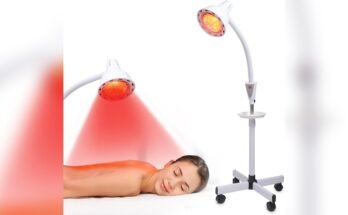
Have you ever struggled to get a good night’s sleep? You’re not alone.
Many people toss and turn, searching for ways to rest better. What if a simple, natural tool could help improve your sleep quality? Infrared heat lamps might be the answer you didn’t know you needed. You’ll discover how these lamps work, the benefits they offer, and whether they could make a real difference in your nightly rest.
Keep reading to find out if infrared heat lamps are the secret to waking up refreshed and energized.

How Infrared Heat Lamps Work
Infrared heat lamps use a special kind of light to produce warmth. This warmth can reach deep into your skin and muscles. Understanding how these lamps work helps explain their possible effects on sleep quality. Here is a closer look at the science behind infrared heat lamps.
Infrared Radiation Basics
Infrared radiation is a type of light we cannot see. It carries heat energy from the lamp to your body. This light has longer waves than visible light. These waves gently warm the skin without burning it. The warmth feels natural and soothing.
Heat Penetration And Effects
Infrared heat penetrates deeper than regular heat sources. It warms muscles and tissues beneath the skin. This deep heat helps relax tight muscles and reduce pain. Relaxed muscles may lead to better sleep. The heat also improves blood flow, which supports healing and comfort.
Infrared Heat And Sleep Patterns
Infrared heat lamps provide gentle warmth that may affect how you sleep. Heat plays a key role in many body processes during rest. Understanding how infrared heat interacts with sleep can help you see its potential benefits.
Research shows that warmth influences your body’s natural rhythms. This can change the way you fall asleep and stay asleep. Let’s explore how infrared heat impacts sleep patterns.
Impact On Circadian Rhythm
Your circadian rhythm controls your sleep and wake cycles. It responds to light and temperature changes in the environment. Infrared heat lamps emit warmth without bright light. This can help maintain your natural rhythm by avoiding light disruption.
Heating the skin gently may signal your body that it is time to rest. This can encourage earlier sleep onset and deeper sleep phases. Infrared warmth might support the body’s internal clock to work smoothly.
Thermoregulation During Sleep
Thermoregulation is how your body controls its temperature. During sleep, your body temperature naturally drops to help you rest. Infrared heat lamps can raise skin temperature slightly, aiding this process.
By warming the skin, infrared heat can improve blood flow and relax muscles. This may help your body reach the ideal temperature for sleep faster. Proper thermoregulation supports longer and more restful sleep cycles.
Health Benefits Linked To Infrared Heat
Infrared heat has been studied for its positive effects on the body. It can improve sleep by helping the body relax and heal. This type of heat penetrates deep into the skin and muscles. It supports natural processes that ease discomfort and calm the mind.
Many people use infrared heat lamps to find relief from common aches and stress. These lamps create warmth that feels soothing and gentle. The health benefits tied to this warmth may help improve overall sleep quality.
Muscle Relaxation And Pain Relief
Infrared heat helps muscles loosen and reduces stiffness. It increases blood flow to tight or sore areas. This promotes faster healing and less pain. People with muscle aches often feel better after infrared heat sessions. The warmth reaches deep tissues, easing tension effectively. Less pain means falling asleep easier and staying asleep longer.
Stress Reduction And Mood Improvement
Infrared heat can calm the nervous system. This lowers stress hormones and promotes relaxation. A calm mind helps improve mood and reduce anxiety. Feeling relaxed before bed supports a natural sleep cycle. Using infrared heat lamps may help people feel more peaceful and ready to sleep.
Scientific Studies On Sleep Improvement
Scientific studies explore how infrared heat lamps may affect sleep quality. Researchers analyze different ways these lamps influence the body and mind. They focus on temperature regulation, relaxation, and pain relief. These factors can impact how well people fall asleep and stay asleep.
Studies use various methods to test sleep improvement. Some use clinical trials with control groups. Others collect feedback from users over time. Both types of research help understand the benefits of infrared heat lamps for sleep.
Clinical Trials Overview
Clinical trials test infrared heat lamps on participants with sleep problems. Researchers measure sleep duration, quality, and disturbances. Many trials report better sleep onset and fewer awakenings. Some studies note improved relaxation and reduced muscle pain.
Trials often use sleep trackers or questionnaires for data collection. Results vary but show promising trends. Infrared heat may help regulate body temperature. This regulation supports natural sleep cycles and deeper rest.
User Experience And Testimonials
Users often share positive experiences with infrared heat lamps. Many report falling asleep faster and feeling more refreshed. Some mention relief from tension and muscle stiffness.
Testimonials highlight the calming warmth of these lamps. People say this warmth helps them unwind after long days. Regular use may create a soothing bedtime routine. This routine supports better sleep habits over time.
Safe Usage Tips For Infrared Heat Lamps
Infrared heat lamps can help improve sleep quality when used safely. Knowing how to use them properly reduces risks. Safe use ensures comfort and better rest.
Follow simple rules on duration and intensity. Be aware of health limits and warnings. These tips make your experience safe and effective.
Recommended Duration And Intensity
Use infrared lamps for 15 to 20 minutes per session. Avoid longer exposure to prevent skin irritation. Start with low intensity to see how your body reacts. Gradually increase the heat if comfortable. Never use the lamp too close to your skin. Keep a distance of at least 12 inches for safety.
Use lamps in the evening for better sleep effects. Avoid using them right before bedtime to prevent overheating. Consistent, moderate use works best for sleep improvement.
Precautions And Contraindications
Do not use infrared lamps if you have certain health issues. Avoid if you have skin conditions, open wounds, or infections. People with diabetes or poor blood flow should be careful. Pregnant women should consult a doctor before use.
Never look directly at the lamp light. Avoid use near water or in damp places. Keep lamps out of reach of children and pets. Stop use immediately if you feel discomfort or pain.

Comparing Infrared Heat Lamps With Other Sleep Aids
Infrared heat lamps offer a unique approach to improving sleep quality. People use many sleep aids like melatonin, white noise machines, or herbal teas. Each method works differently and suits different needs. Comparing infrared heat lamps with these aids helps understand their benefits and limits.
Advantages Over Traditional Methods
Infrared heat lamps use gentle heat to relax muscles and calm the body. This warmth can ease tension and improve blood flow. Unlike pills, infrared lamps have no chemicals or side effects. They provide a natural way to prepare the body for rest. The heat may also help reduce stress and lower cortisol levels. White noise machines mask sounds but do not affect body temperature. Herbal teas can cause bathroom trips and may not work for everyone. Infrared lamps offer a simple, drug-free option that promotes physical comfort.
Potential Limitations
Infrared heat lamps need proper use to be safe. Overuse can cause skin irritation or burns. They do not block noise or light, which can disrupt sleep. Some people may find the heat uncomfortable or too intense. Infrared lamps require electricity and are less portable than teas or pills. They may not work quickly, needing regular sessions for best results. People with certain health conditions should check with a doctor before use. These lamps work best as part of a broader sleep routine.
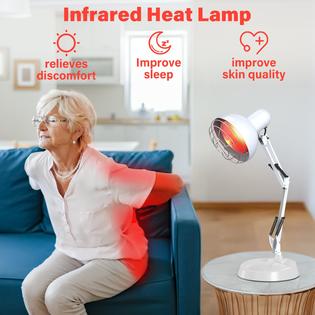
Frequently Asked Questions
Can Infrared Heat Lamps Help Improve Sleep Quality?
Infrared heat lamps promote relaxation by warming muscles and reducing tension. This can lead to easier sleep onset and deeper rest, enhancing overall sleep quality naturally.
How Do Infrared Heat Lamps Affect Melatonin Production?
Infrared heat lamps do not emit blue light, so they do not disrupt melatonin production. This supports the body’s natural sleep-wake cycle and helps maintain healthy sleep patterns.
Are Infrared Heat Lamps Safe To Use Before Bedtime?
Yes, infrared heat lamps are generally safe when used properly. Avoid prolonged direct exposure to prevent skin irritation, and keep sessions short to promote relaxation before sleep.
Can Infrared Heat Lamps Reduce Insomnia Symptoms?
Infrared heat lamps may reduce insomnia by easing muscle tension and stress. Their calming warmth helps the body relax, which can improve the ability to fall asleep and stay asleep.
Conclusion
Infrared heat lamps may help improve sleep by relaxing muscles and easing tension. They can create a warm, calming environment before bedtime. Some people find this warmth soothing, which helps them fall asleep faster. More research is needed to fully prove their benefits.
Still, trying an infrared lamp might be worth it for better rest. Always follow safety instructions to avoid burns or discomfort. Good sleep is key to feeling healthy and happy every day. Give your body time to adjust and see how you feel.