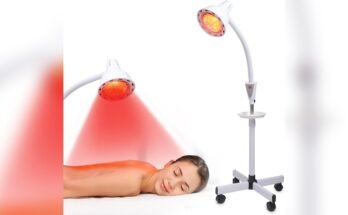
Are you wondering if infrared heat lamps are better than red light therapy for your health and wellness? You’re not alone.
Both options promise benefits like pain relief, improved skin, and faster healing. But how do you know which one is right for you? This article will clear up the confusion and help you make a smart choice. Keep reading to discover the key differences and find out which therapy can truly boost your well-being.
Your body will thank you.
Infrared Heat Lamps Basics
Infrared heat lamps use light to produce heat that penetrates the skin. This heat offers many benefits, such as easing muscle pain and improving blood flow. Understanding how these lamps work helps compare them to red light therapy.
Infrared heat lamps come in different sizes and strengths. They are easy to use and found in homes, clinics, and gyms. Knowing their basics is important for choosing the right therapy.
How Infrared Heat Lamps Work
Infrared heat lamps emit infrared light, which is invisible to the eye. This light creates warmth by reaching deep into tissues. The heat helps relax muscles and increases circulation. It also may reduce inflammation and pain over time. The lamp’s heat feels soothing and can last long after use.
Common Uses Of Infrared Heat Lamps
These lamps often help with sore muscles and joint pain. People use them to ease stiffness and improve mobility. They can aid recovery from injuries by boosting blood flow. Some use infrared heat for skin health and relaxation. The lamps are also popular in physical therapy and sports medicine.
Red Light Therapy Essentials
Red light therapy uses low-level wavelengths of red or near-infrared light. It is a non-invasive treatment that targets cells beneath the skin. This therapy helps cells produce more energy and heal faster. Users often feel relaxed and notice skin improvements after sessions.
Understanding the basics of red light therapy helps in comparing it with infrared heat lamps. Both use light but work differently on the body. Knowing how red light therapy works and its popular uses gives a clear picture of its benefits.
Mechanism Behind Red Light Therapy
Red light penetrates the skin to reach cells called mitochondria. These are the powerhouses of cells, creating energy. The light stimulates mitochondria to produce more ATP, the energy molecule. More ATP means better cell function and faster repair. This process reduces inflammation and promotes healing.
The therapy also increases blood flow and collagen production. These effects help skin look younger and heal wounds quicker. The light used is safe and does not cause heat damage.
Popular Applications Of Red Light Therapy
Red light therapy treats many issues. It is common for skin problems like wrinkles, scars, and acne. People use it to reduce pain and inflammation in muscles and joints. Athletes use it to speed up recovery after workouts.
Other uses include improving hair growth and reducing symptoms of arthritis. Some people try it for mood improvement and better sleep. The therapy is versatile and easy to use at home or clinics.
Health Benefits Comparison
Infrared heat lamps and red light therapy both offer health benefits. Each uses light but in different ways. Understanding their effects helps choose the right option for your needs.
This section compares their benefits in three key areas: pain relief and muscle recovery, skin health and anti-aging, and inflammation and immune support.
Pain Relief And Muscle Recovery
Infrared heat lamps provide deep heat that soothes sore muscles. The warmth helps increase blood flow. This speeds up healing and reduces stiffness.
Red light therapy uses specific light wavelengths to reach cells. It boosts energy production in cells. This helps muscles recover faster and reduces pain.
Both methods ease pain but work differently. Infrared heat is more about warming tissue. Red light focuses on improving cell function.
Skin Health And Anti-aging Effects
Red light therapy is popular for skin care. It stimulates collagen, which keeps skin firm and smooth. This reduces wrinkles and fine lines.
Infrared heat lamps also benefit skin by improving circulation. Better blood flow helps skin cells get nutrients. This can improve skin tone and texture.
Red light therapy targets skin aging more directly. Infrared heat supports skin health through warmth and circulation.
Inflammation And Immune Support
Red light therapy helps reduce inflammation by calming cells. It supports faster healing and lowers swelling.
Infrared heat lamps can ease inflammation by improving blood flow. Warmth relaxes muscles and reduces tension.
Red light therapy may boost the immune system by enhancing cell repair. Infrared heat mainly helps by improving circulation and relaxation.

Safety And Side Effects
Understanding the safety and side effects of infrared heat lamps and red light therapy is important. Both treatments offer benefits but also carry some risks. Knowing these risks helps you make a smart choice.
Risks Associated With Infrared Heat Lamps
Infrared heat lamps produce strong heat that can cause burns. Skin can get too hot if the lamp stays too close. Eyes are sensitive and may get damaged without proper protection. Long exposure can lead to dehydration or heat exhaustion. People with certain health conditions should be cautious. Always follow guidelines to reduce risks.
Potential Side Effects Of Red Light Therapy
Red light therapy uses low-level light, which is usually safe. Some users may feel mild redness or irritation on the skin. Eye protection is important to avoid discomfort or damage. Rarely, headaches or dizziness may occur. Side effects are often mild and short-term. Sticking to recommended session times helps prevent problems.
Usage And Convenience
Usage and convenience play a big role in choosing between infrared heat lamps and red light therapy. Both offer health benefits but differ in how easy they are to use and how often treatments are needed. Understanding these factors helps users pick the best option for their lifestyle.
Ease Of Use And Accessibility
Infrared heat lamps are simple devices. You plug them in and point them at the body part you want to treat. They usually come as a stand or a clamp, making them easy to position. Many models are portable and can be used at home or work.
Red light therapy devices vary more. Some are small panels or handheld gadgets, while others are full-body beds. Smaller devices are easy to carry and use anywhere. Larger setups may need space and a power source, limiting where you can use them.
Both options require little skill. A quick read of the instructions is enough. No special training is needed, which makes them user-friendly for most people.
Treatment Duration And Frequency
Infrared heat lamp sessions usually last 10 to 20 minutes. Users often treat one area per session. Treatments can be done daily or several times a week, depending on the goal.
Red light therapy sessions tend to be shorter, around 5 to 15 minutes. Some devices allow treating multiple areas at once. Frequency can range from daily to a few times per week, based on device strength and health goals.
Both therapies require consistency. Results improve with regular use. Users should follow guidelines for the best effects and avoid overuse.
Cost And Value
Cost and value are key factors when choosing between infrared heat lamps and red light therapy. Understanding both the initial price and ongoing costs helps you decide which option fits your budget and needs. Consider what you get for your money and how long the benefits last.
Initial Investment
Infrared heat lamps usually cost less upfront. They are simpler devices with basic features. Red light therapy devices tend to have a higher price. This is because they use advanced technology and offer more settings. Some models for home use can be expensive. Think about how often you will use the device. A higher initial cost may be worth it for frequent users.
Long-term Expenses
Infrared heat lamps have low maintenance costs. You only need to replace bulbs sometimes. Bulbs can be affordable but may burn out quickly. Red light therapy devices generally have longer-lasting LEDs. These lights use less electricity over time. Replacement parts can be pricier. Consider energy use as part of the cost. Both options require little extra spending beyond the start. Evaluate how long you want to keep using the device. This affects overall value the most.
Choosing The Right Option
Choosing the right option between infrared heat lamps and red light therapy is important. Both have benefits but work differently. Understanding your needs helps you pick what fits best. This section guides you through making a good choice.
Individual Needs And Preferences
Think about what you want to treat or improve. Infrared heat lamps give deep warmth that can ease muscle pain. Red light therapy uses light to help skin and cells heal. Some people prefer quick heat, others want gentle light. Also, consider how long you can spend on therapy. Your comfort with the device matters too. Choose the one that feels right for your body and goals.
Consulting Professionals
Talk to a doctor or health expert before starting any therapy. They know your health history and can guide you well. Professionals can explain how each therapy works for you. They can also warn about any risks or side effects. Getting advice ensures safe and effective use. This step helps avoid problems and makes your treatment better.


Frequently Asked Questions
What Is The Difference Between Infrared Heat Lamps And Red Light Therapy?
Infrared heat lamps emit heat waves that penetrate deep into muscles. Red light therapy uses specific wavelengths of red and near-infrared light to stimulate cellular repair without heat. Both offer therapeutic benefits but work through different mechanisms.
Are Infrared Heat Lamps More Effective For Pain Relief?
Infrared heat lamps can relieve muscle pain by increasing blood flow and warming tissues. However, red light therapy targets inflammation and promotes healing at the cellular level, which may be more effective for long-term pain management.
Can Red Light Therapy Replace Infrared Heat Lamps?
Red light therapy and infrared heat lamps serve different purposes. Red light therapy is better for skin health and cellular repair. Infrared lamps provide deep heat for muscle relaxation. They complement but do not fully replace each other.
Is Infrared Heat Safer Than Red Light Therapy?
Both therapies are generally safe when used properly. Infrared heat lamps carry a slight risk of burns if overused. Red light therapy is non-thermal and safer for sensitive skin and longer sessions.
Conclusion
Infrared heat lamps and red light therapy both offer unique health benefits. Infrared lamps penetrate deeper to warm muscles and improve circulation. Red light therapy focuses on skin repair and reducing inflammation. Choosing depends on your needs and goals. Trying both can help find what works best for you.
Listen to your body and consult professionals if needed. Both methods support well-being in different ways. Small steps lead to better health over time.