Are you feeling overwhelmed by stress and looking for a simple way to find relief? You might have heard about reflexology tools and wondered if they really work.
These small devices promise to ease tension and bring calm to your busy mind and body. But do they actually help with stress relief? You’ll discover how reflexology tools work, why they might be effective for you, and what to look for if you decide to try them.
Keep reading to unlock a natural path to relaxation that could change how you handle stress every day.
What Is Reflexology?
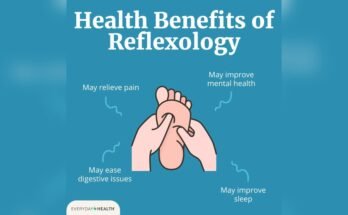
Reflexology is a type of therapy that uses pressure on specific points of the feet, hands, or ears. These points correspond to different parts of the body. The goal is to improve health and reduce stress through these pressure points.
This practice has been around for thousands of years in many cultures. It is believed to help balance the body’s energy and promote relaxation.
How Does Reflexology Work?
Reflexology works by applying pressure to certain areas called reflex points. Each reflex point connects to an organ or body part. Pressing these points may help release tension and improve blood flow. This can lead to a feeling of calm and relief from stress.
Benefits Of Reflexology
Many people use reflexology to relax and ease stress. It can also help reduce pain and improve sleep. Some find it helpful for headaches, anxiety, and muscle tension. Reflexology supports the body’s natural healing process.
Tools Used In Reflexology
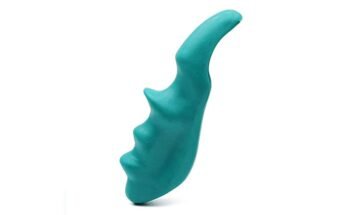
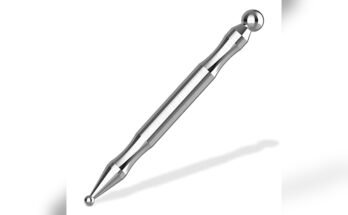
Reflexology tools include small sticks, balls, and rollers. These tools help apply pressure more precisely. They can reach spots that fingers may miss. Tools are simple and easy to use at home or in a session.

How Stress Affects The Body
Stress affects the body in many ways. It triggers a chain reaction inside us. The body prepares to face danger, even if there is none. This response can cause harm if it lasts too long.
Understanding how stress impacts the body helps explain why stress relief matters. Reflexology tools may play a role in calming these effects.
Physical Symptoms Of Stress
Stress causes muscle tension and pain. The heart beats faster. Breathing becomes shallow and quick. Some people feel tired or restless. These symptoms show the body is under pressure.
Impact On The Immune System
Stress weakens the immune system. The body becomes less able to fight infections. This makes people more likely to get sick. Long-term stress can lead to chronic illness.
Effects On Digestion
The digestive system slows down during stress. This can cause stomach pain or upset. Some people lose their appetite. Others may feel bloated or have diarrhea.
Mental And Emotional Changes
Stress affects the brain too. It can cause anxiety and mood swings. Concentration and memory might suffer. Sleep problems often occur, leading to tiredness.
Types Of Reflexology Tools
Reflexology tools come in many shapes and sizes. Each tool targets different pressure points on your feet or hands. Using the right tool can help relieve stress and tension effectively. These tools make self-care easier and more precise.
Wooden Massage Sticks
Wooden massage sticks are common in reflexology. They have smooth, rounded tips to press specific points. The wood feels warm and natural in your hand. These sticks help apply firm pressure without hurting your skin. They are lightweight and easy to carry.
Silicone Rollers
Silicone rollers offer a gentle massage experience. Their soft, flexible surface moves smoothly over the skin. Rollers stimulate blood flow and relax muscles. They are easy to clean and last a long time. Silicone rollers are good for sensitive skin.
Magnetic Balls
Magnetic balls add a unique touch to reflexology. The magnets may help improve circulation and reduce pain. Rolling these balls on pressure points can soothe tired feet. They are small and fit well in your palm. Magnetic balls offer a mix of massage and magnetic therapy.
Acupressure Sliders
Acupressure sliders glide across the skin to target reflex points. They provide consistent pressure and smooth movements. These sliders often have textured surfaces for deeper stimulation. They help release muscle knots and ease stress. Sliders are simple tools for focused reflexology sessions.
Mechanism Behind Reflexology For Stress
Reflexology aims to relieve stress by applying pressure to specific points on the feet and hands. These points connect to different parts of the body. Stimulating them helps the body relax and heal naturally.
The process works through the nervous system. When pressure is applied, it sends signals to the brain. The brain then triggers the release of calming chemicals. This reduces tension and promotes a sense of peace.
Reflexology tools make it easier to target these points with consistent pressure. They help reach spots that may be hard to press by hand. This can enhance the stress relief effects.
How Reflex Points Connect To Stress Relief
Reflex points link to organs and systems in the body. Pressing these points can improve blood flow and energy balance. Better flow helps lower stress hormones and relax muscles.
The Role Of The Nervous System
The nervous system carries messages from reflex points to the brain. It signals the release of endorphins and serotonin. These natural chemicals calm the mind and body.
Benefits Of Using Reflexology Tools
Tools offer steady, deep pressure on reflex points. This can be hard to do with fingers alone. They help reduce muscle tightness and ease stress faster.
Benefits Of Reflexology Tools
Reflexology tools offer many benefits for stress relief. They provide gentle pressure on key points of the feet and hands. This helps the body relax and heal naturally. Using these tools can be an easy way to reduce tension at home. They support your body’s ability to calm down and feel better.
Improved Circulation
Reflexology tools stimulate blood flow in targeted areas. Better circulation helps deliver oxygen and nutrients to cells. It also removes toxins from the body more efficiently. This boost in circulation can reduce feelings of stress and fatigue.
Muscle Relaxation
These tools apply pressure that soothes tight muscles. Relaxed muscles reduce physical tension and discomfort. This effect helps the whole body feel lighter and less stressed. It is a natural way to ease muscle pain without medicine.
Enhanced Mood
Using reflexology tools can improve your mood quickly. They trigger the release of feel-good chemicals like endorphins. These chemicals help reduce anxiety and create calmness. A better mood can make daily challenges easier to face.
Better Sleep Quality
Regular use of reflexology tools supports deeper sleep. They help the mind and body unwind before bedtime. Improved sleep means more energy and less stress the next day. Good rest is key to overall health and relaxation.

Scientific Studies On Reflexology And Stress
Scientific studies on reflexology and stress offer useful insights. Researchers have tested reflexology’s effect on stress relief in various groups. These studies measure stress hormones, heart rate, and self-reported feelings.
Research shows some positive results, but findings vary. Reflexology tools may help reduce stress symptoms by promoting relaxation. The evidence is growing but not yet strong enough to be certain.
Clinical Trials Testing Reflexology On Stress
Several clinical trials studied reflexology’s impact on stress levels. In these trials, participants used reflexology tools or received hand and foot massages. Many reported lower anxiety and calmer feelings after sessions. Measurements like cortisol levels also showed slight decreases in some cases.
Comparison With Other Stress Relief Methods
Studies compared reflexology with yoga, meditation, and deep breathing. Reflexology showed similar effects in reducing stress symptoms. It may work well as a complementary method alongside other treatments. More research is needed to confirm if it stands out alone.
Limitations And Challenges In Reflexology Research
Many studies have small sample sizes and lack control groups. Some rely on subjective reports rather than objective data. This makes it hard to draw firm conclusions about reflexology tools. Researchers call for larger, well-designed studies to improve evidence quality.
How To Use Reflexology Tools Effectively
Using reflexology tools correctly can boost your stress relief efforts. These tools help apply pressure to specific points on your feet or hands. Using them right improves blood flow and eases tension. Let’s explore how to use these tools effectively for the best results.
Choosing The Right Tool
Pick a tool that feels comfortable in your hand. Some tools are wooden sticks, while others have rounded edges. Smooth tools work well for beginners. Look for tools with different sizes for various pressure points. Avoid tools that cause pain or discomfort.
Proper Techniques
Start by warming up your feet or hands with gentle rubbing. Use the tool to press slowly on reflex points. Apply steady, gentle pressure without hurting yourself. Move the tool in small circles or back and forth. Focus on areas that feel tight or sore. Breathe deeply to help your body relax.
Frequency And Duration
Use reflexology tools two to three times a week. Sessions can last from 10 to 20 minutes. Short, regular sessions work better than long, rare ones. Pay attention to how your body feels after each session. Stop if you feel pain or discomfort. Gradually increase time as you get used to it.
Potential Risks And Precautions
Reflexology tools can offer stress relief, but they are not without risks. Understanding these risks helps users stay safe and get the best results. Taking precautions avoids discomfort and injury.
Some people may experience soreness or bruising if tools are used too hard. Sensitive skin or certain health issues can also cause problems. Knowing when and how to use these tools is very important.
Possible Skin Irritation
Reflexology tools press on the skin and can cause irritation. Redness, itching, or rash may appear after use. Stop using the tool if skin irritation happens. Choose tools with smooth edges to reduce this risk.
Not Suitable For Certain Health Conditions
People with diabetes, blood clots, or nerve damage should avoid reflexology tools. These conditions can worsen with pressure or massage. Consulting a doctor before use is wise. Safety comes first.
Risk Of Overuse Injury
Using reflexology tools too often can cause muscle soreness or pain. Give your body time to rest between sessions. Gentle pressure is better than strong force. Listen to your body’s signals carefully.
Proper Tool Hygiene
Reflexology tools touch the skin and can collect bacteria. Clean them before and after each use. Use warm water and mild soap for cleaning. This prevents infections and keeps tools safe to use.
Comparing Reflexology Tools With Professional Therapy
Reflexology tools and professional therapy both aim to reduce stress. They focus on the feet, hands, or ears to ease tension. Each method has its own benefits and limits. Understanding these can help you choose what suits your needs best.
Accessibility And Convenience
Reflexology tools are easy to use at home. They cost less than professional sessions. You can use them anytime you want. Professional therapy requires appointments and travel. It may not fit all schedules.
Effectiveness And Expertise
Professional reflexologists have training and experience. They know how to target pressure points accurately. Tools provide general pressure but lack precise control. A therapist can adjust pressure based on your feedback. This often leads to better stress relief results.
Cost And Time Investment
Tools are a one-time purchase and last long. Therapy sessions cost more and need regular visits. Time spent with a therapist may be limited. Using tools can save time and money over the long term.
Personalized Treatment
Therapists customize the session for your stress levels and health. They can detect other health issues during treatment. Tools do not offer personalized care. They deliver the same pressure regardless of your condition.
Incorporating Reflexology Into Daily Routine
Using reflexology tools daily can ease tension and calm the mind. Simple foot or hand massages help reduce stress quickly. These tools guide gentle pressure to key points for natural relief.
Start Small And Simple
Adding reflexology tools to your daily routine does not require much time. Even five minutes a day can reduce stress. Begin with a basic foot roller or a small massage ball. Use it after waking up or before bed. These moments create calm and help you relax.
Create A Calm Space
Find a quiet place for your reflexology practice. This space helps your mind focus on relaxation. Sit comfortably and breathe slowly. Dim the lights or play soft music. A peaceful setting enhances stress relief benefits.
Use Tools Correctly
Learn how to use reflexology tools safely. Press gently on reflex points without causing pain. Move the tool in slow, circular motions. Regular practice improves blood flow and eases tension. Follow simple guides or videos to get started.
Combine Reflexology With Other Habits
Pair reflexology with deep breathing or meditation. This combo deepens relaxation and stress relief. Try it after work or during breaks. Routine use makes it easier to manage daily stress.

Frequently Asked Questions
What Are Reflexology Tools Used For Stress Relief?
Reflexology tools target pressure points on feet and hands. They help release tension and improve relaxation. Using these tools can reduce stress hormones and promote calmness naturally. Regular use supports better mental and physical well-being by easing anxiety and stress symptoms effectively.
How Do Reflexology Tools Work To Reduce Stress?
Reflexology tools stimulate nerves linked to stress relief areas. They activate the body’s natural healing and relaxation responses. This stimulation improves blood flow and balances energy. The result is reduced muscle tension and a calmer mind, helping to manage everyday stress better.
Are Reflexology Tools Effective For Anxiety Management?
Yes, reflexology tools can help manage anxiety by promoting relaxation. They reduce cortisol levels and soothe the nervous system. Using these tools regularly encourages mental clarity and emotional balance. While not a cure, they complement other anxiety treatments effectively.
Can Anyone Use Reflexology Tools At Home?
Absolutely, reflexology tools are safe for home use. Simple techniques and guides make them user-friendly. Consistent use can help relieve stress and improve overall wellness. However, consulting a professional for proper methods is recommended for best results.
Conclusion
Reflexology tools can ease stress by targeting key points on the body. They help improve blood flow and relax muscles. Using these tools regularly may boost your mood and calm your mind. Many people find simple routines with reflexology tools soothing.
Give them a try to see if they work for you. Small steps can lead to big relief. Stress doesn’t have to control your day. Take a moment to care for yourself. Your body and mind will thank you.