Are you looking for a simple way to relax and boost your well-being without leaving your home? Using reflexology tools at home can be a game-changer for your health and stress relief.
Imagine easing tension, improving circulation, and feeling more balanced—all with just a few easy techniques. You’ll discover how to use these tools correctly to get the best results. Keep reading, and you’ll learn practical tips that anyone can follow to feel better every day.
Choosing Reflexology Tools
Choosing the right reflexology tools is important for a good experience at home. The right tools help target pressure points effectively. They also make the process comfortable and easy. Understanding different options helps you pick tools that suit your needs best.
Types Of Tools Available
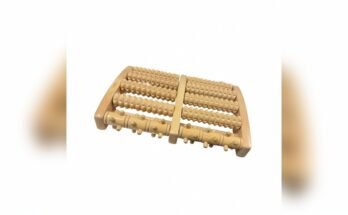
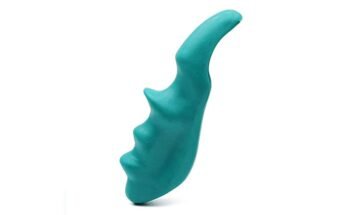
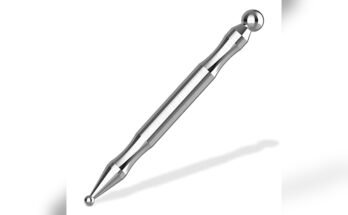
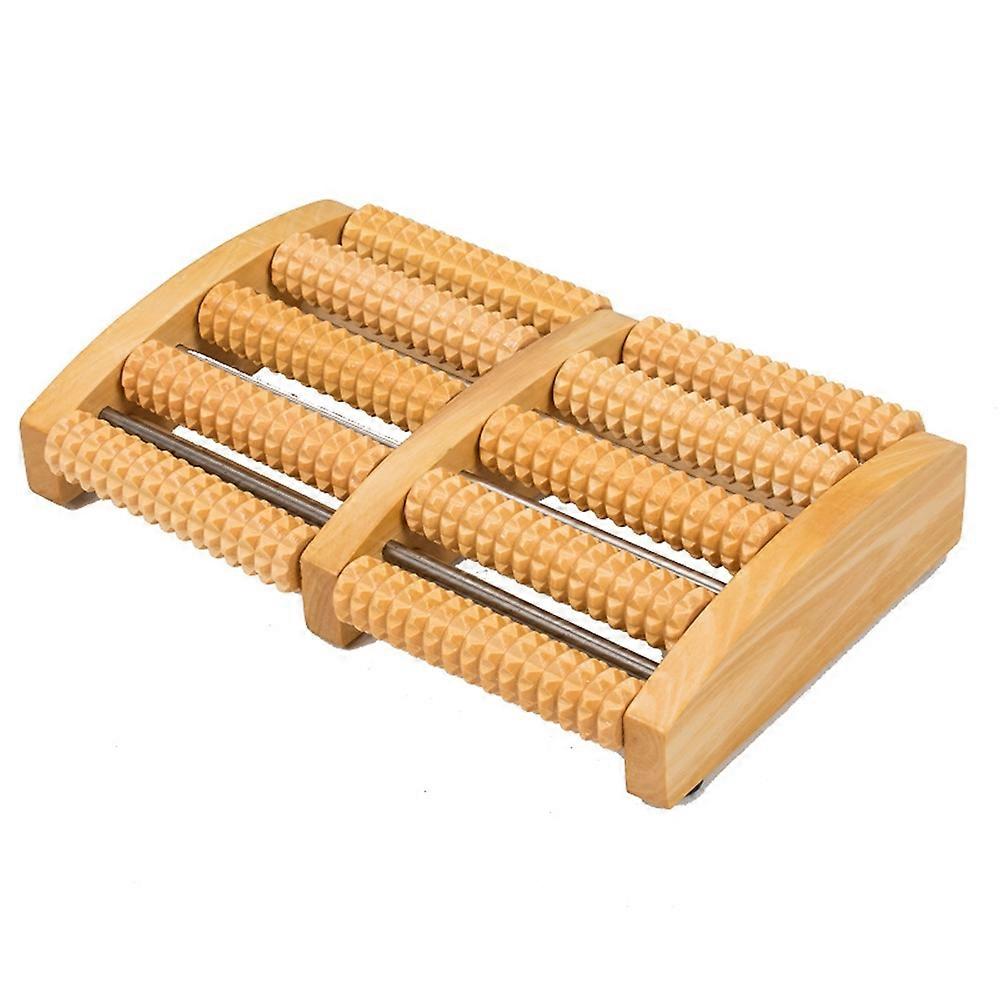
There are many reflexology tools available. Wooden sticks are simple and easy to use. Silicone rollers help massage larger areas smoothly. Metal probes offer precise pressure on small points. Some tools combine different materials for varied use. Choose tools that feel good in your hand.
Materials And Durability
Materials affect comfort and how long tools last. Wood is natural and gentle on skin. Plastic tools are lightweight but may wear out fast. Metal tools are strong and last longer. Silicone offers softness and flexibility. Pick materials that match your comfort and budget.
Selecting Based On Needs
Think about your goals before choosing tools. For foot reflexology, rollers and sticks work well. For hand or ear reflexology, smaller tools help. Beginners may prefer simple and easy-to-use tools. Experienced users might try different shapes and materials. Consider any skin sensitivity when picking tools.

Preparing Your Space
Preparing your space is the first step in using reflexology tools at home. A calm and well-organized area helps you relax and enjoy the session. It creates the right mood and supports better results from reflexology. Small changes in your environment can make a big difference.
Creating A Relaxing Environment
Choose a quiet room where you will not be disturbed. Dim the lights or use soft lamps to create a peaceful glow. Play gentle music or nature sounds to calm your mind. Remove clutter and distractions to keep the space tidy. The goal is to feel calm and focused during your reflexology session.
Essential Supplies To Have
Gather all tools before starting. This includes reflexology sticks, rollers, or thumb tools. Have a comfortable chair or cushion ready. Keep a small towel or cloth nearby to clean the tools. Use lotion or oil to help the tools glide smoothly on your skin. Having supplies ready saves time and keeps you relaxed.
Setting Up For Comfort
Sit in a comfortable position with good back support. Place your feet or hands where you can easily reach. Use pillows or cushions to support your legs or arms if needed. Keep water nearby to stay hydrated. Adjust the room temperature to your liking. Comfort helps you focus on the reflexology and enjoy the process.
Basic Reflexology Techniques
Basic reflexology techniques help you use reflexology tools properly at home. These techniques focus on finding the right spots and applying pressure carefully. Using the tools with the right method brings better relaxation and relief.
Start slow and gentle. Learn the main points and how to press them safely. This practice makes the experience pleasant and effective.
Locating Key Pressure Points
Pressure points are areas on your feet or hands linked to body parts. Use a reflexology map to find them. Common spots include the heel, arch, and toes on your feet.
Take time to explore your feet. Feel for tender or sensitive areas. These spots often need attention. Focus on one point at a time for best results.
Applying Pressure Safely
Press gently at first. Use your thumb or a tool tip to apply steady pressure. Avoid sudden or strong pushes. Too much force can cause pain or bruises.
Hold the pressure for a few seconds. Then release slowly. Repeat a few times. Always listen to your body’s feedback. Stop if you feel sharp pain or discomfort.
Using Tools Effectively
Choose tools made for reflexology, like wooden sticks or rollers. Hold the tool comfortably in your hand. Move it slowly over pressure points.
Apply light to medium pressure with the tool. Use small circular or back-and-forth motions. Keep the tool clean for hygiene. Practice regularly to improve your skill.

Step-by-step Reflexology Routine
Using reflexology tools at home can bring calm and relief. A clear routine helps you get the best results. Follow simple steps to feel relaxed and refreshed. This step-by-step guide shows how to use reflexology tools safely and effectively.
Starting With Warm-up
Begin by warming your feet or hands. Use gentle strokes with your fingers or a soft tool. This helps increase blood flow and prepares the skin. Warm-up also relaxes muscles and eases tension. Spend about five minutes on this step.
Targeting Common Stress Areas
Focus on spots that hold stress, like the heel or ball of the foot. Use a reflexology stick or roller to press these areas. Apply steady but gentle pressure for a few seconds. Move slowly and listen to your body’s response. Repeat on both feet or hands for balance.
Cooling Down And Finishing Touches
End your session by gently rubbing the feet or hands again. Use light strokes to calm the nerves and ease muscles. This helps the body relax after deeper work. Finish with a soft massage to leave a soothing feeling. Spend about three to five minutes on this final step.
Tips For Maximizing Benefits
Using reflexology tools at home can bring many health benefits. To get the best results, follow some simple tips. These tips help your body respond better and feel more relaxed. Small changes in how you use the tools can make a big difference.
Consistency And Timing
Use your reflexology tools regularly. Daily sessions, even for a few minutes, help your body adjust. Try the same time each day to build a habit. Morning or evening works well for many people. Consistent timing helps your body expect and enjoy the treatment.
Combining With Other Relaxation Methods
Use reflexology with other calming activities. Deep breathing, meditation, or gentle stretching fit well. These methods relax your mind and body. Together, they improve your overall wellness. A calm mind helps reflexology work better.
Listening To Your Body
Pay attention to how your body feels. Stop if you feel pain or discomfort. Gentle pressure is best for most people. Adjust the tools to match your comfort level. Your body guides you to the right touch and time.
Troubleshooting Common Issues
Troubleshooting common issues with reflexology tools helps improve your experience. Using these tools at home can sometimes cause discomfort or confusion. Knowing how to fix problems makes sessions more effective and pleasant. Follow simple tips to handle typical concerns and enjoy reflexology safely.
Avoiding Discomfort Or Pain
Discomfort often happens if you press too hard. Use gentle pressure at first and increase slowly. Stop if you feel sharp pain or numbness. Choose tools that match your comfort level. Smooth edges and soft materials reduce irritation. Take breaks between sessions to let your skin rest.
Adjusting Techniques For Sensitivity
Some areas of your feet or hands can feel more sensitive. Use lighter strokes or smaller tools on these spots. Try tapping or rolling motions instead of deep pressure. Warm your tools before use to ease sensitivity. Pay attention to your body’s signals and adapt your method.
When To Seek Professional Help
Persistent pain or swelling after using reflexology tools needs medical advice. If you have diabetes or circulation problems, ask a doctor first. Avoid self-treatment on open wounds or infections. A trained reflexologist can guide you safely. Professional help ensures you avoid harm and get the best results.
Maintaining And Cleaning Tools
Maintaining and cleaning reflexology tools is important for safety and effectiveness. Clean tools prevent infections and ensure good results. Regular care keeps tools in good shape for many uses. Follow simple steps to keep your tools clean and ready.
Proper Cleaning Methods
Start by rinsing tools with warm water after each use. Use mild soap and a soft brush to remove dirt. Avoid harsh chemicals that can damage the material. Dry tools completely with a clean towel. Let them air dry to remove any moisture.
Storage Tips
Store your tools in a dry, cool place away from sunlight. Use a clean box or pouch to protect tools from dust. Keep tools separate to avoid scratches or damage. Avoid humid areas to stop mold or bacteria growth.
Extending Tool Lifespan
Handle tools gently to avoid cracks or breaks. Clean tools regularly to prevent buildup and wear. Check tools often and fix small issues early. Use tools only for their intended purpose to avoid damage.
Frequently Asked Questions
What Are The Best Reflexology Tools For Beginners?
Begin with simple tools like wooden sticks or rubber balls. These are easy to use and effective for basic foot and hand reflexology at home.
How Do I Use Reflexology Tools Safely?
Apply gentle pressure and avoid painful spots. Use tools on clean, dry skin and stop if you feel discomfort or pain.
Can Reflexology Tools Relieve Stress At Home?
Yes, reflexology tools stimulate pressure points that promote relaxation. Regular use helps reduce stress and improve overall well-being naturally.
How Often Should I Use Reflexology Tools At Home?
Use reflexology tools 3-4 times a week for 10-15 minutes each session. Consistency enhances benefits without causing irritation or soreness.
Conclusion
Using reflexology tools at home can bring real comfort and calm. Start slow and learn what feels best for your body. These tools help relieve tension and boost relaxation. Practice regularly to notice small, positive changes in your health. Remember, consistency matters more than intensity.
Enjoy the process and listen to your body’s needs. Reflexology at home is simple and gentle self-care anyone can do. Give yourself time to feel the benefits grow. Your well-being is worth the effort.