Do you often struggle with stubborn foot pain that just won’t go away? If so, you might have come across reflexology tools promising relief right at your fingertips.
But do these tools really work, or are they just another fad? Understanding how they might help your feet—and your overall well-being—can change the way you deal with discomfort. Keep reading to discover the truth about reflexology tools and whether they could be the simple solution you’ve been searching for.

How Reflexology Targets Foot Pain
Reflexology focuses on specific points on the feet to relieve pain. These points connect to different parts of the body. By pressing or massaging these areas, reflexology aims to ease discomfort and improve circulation.
This method uses the natural connection between the feet and nerves. Stimulating reflex points sends signals to the brain. This can help reduce pain and promote healing in affected areas.
Key Reflex Points On The Foot
The foot contains many reflex points linked to organs and muscles. For foot pain, certain areas are especially important. The heel relates to lower back and sciatic nerves. The ball of the foot connects to the chest and lungs.
To relieve foot pain, focus on these spots. The arch links to the digestive system and can affect overall comfort. Toes correspond to the head and neck, which may influence tension in the foot.
Mechanism Behind Pain Relief
Reflexology activates the nervous system to release endorphins. Endorphins are natural painkillers produced by the body. They help reduce the sensation of pain and create a calming effect.
Pressure on reflex points improves blood flow and reduces inflammation. Better circulation helps muscles relax and heal faster. Reflexology also lowers stress, which can worsen pain.
This combination of effects can ease foot pain. It promotes balance and supports the body’s healing process naturally.
Types Of Reflexology Tools
Reflexology tools come in many shapes and forms. Each tool offers a unique way to stimulate pressure points on the feet. These tools help ease foot pain and improve blood flow. Choosing the right type depends on personal comfort and the area needing relief.
Manual Tools: Rollers And Balls
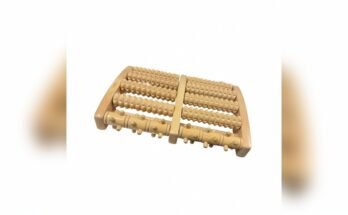
Manual tools like rollers and balls are simple but effective. You use your hands to roll these over the foot. Rollers usually have textured surfaces to massage deeper. Balls can be smooth or spiked, targeting specific spots. These tools are easy to carry and use anywhere. They help relax tired muscles and reduce tension quickly.
Electronic And Vibrating Devices
Electronic and vibrating devices add motion to the massage. They use small motors to create vibrations or pulses. This action stimulates nerves and increases circulation. Many devices have adjustable speed settings for comfort. These tools can reach deeper layers of muscle. They work well for persistent or intense foot pain.
Natural Alternatives: Stones And Wooden Sticks
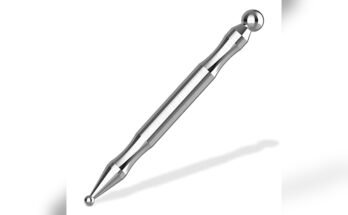
Natural tools like stones and wooden sticks offer a traditional touch. Stones are often smooth and warm, used to soothe the feet. Wooden sticks come in various shapes to press different points. These tools feel gentle but firm during use. People often prefer them for a natural, calming experience.
Effectiveness Of Reflexology Tools
Reflexology tools offer an accessible way to relieve foot pain at home. These devices target pressure points on the feet. Users hope to reduce discomfort and improve foot health. The effectiveness of these tools depends on many factors. Understanding how well they work helps make better choices.
Scientific Studies And Evidence
Several studies explore reflexology’s impact on foot pain. Some research shows mild to moderate pain relief. The tools stimulate nerve endings and improve blood flow. Yet, many studies have small sample sizes. More rigorous research is needed to confirm benefits. Scientific evidence remains mixed but promising for some users.
User Experiences And Testimonials
Many users report positive effects from reflexology tools. They mention reduced soreness and improved relaxation. Some feel relief after regular use. Others say results vary depending on tool quality and technique. Personal stories highlight comfort and convenience. User feedback supports the idea that tools can help.
Comparing Tools To Professional Reflexology
Professional reflexologists apply pressure with trained hands. They tailor sessions to individual needs. Tools cannot fully replace a skilled therapist’s touch. However, tools offer a budget-friendly, easy option. They work best as a supplement to professional care. Combining both may provide greater relief for foot pain.
How To Use Reflexology Tools Safely
Using reflexology tools correctly can help ease foot pain safely. These tools apply pressure to specific points on your feet. Using the right method protects your skin and muscles. It also ensures you get the most benefit without harm.
Learn simple steps to use these tools safely. Knowing proper techniques and pressure is key. Avoid common mistakes that might cause pain or injury. Understand when it is best to see a doctor for foot pain.
Proper Techniques And Pressure
Hold the tool firmly but gently. Use slow, circular motions on your foot. Apply steady pressure, not too hard or too soft. Focus on tender spots but avoid causing sharp pain. Short sessions work best to start. Build time as your feet get used to it.
Avoiding Common Mistakes
Do not press too hard or quickly. Avoid using the tool on open wounds or swollen areas. Skip reflexology if your foot feels numb or very sore. Clean tools before and after use to stop infections. Use the right tool for your foot size and shape.
When To Seek Medical Advice
Stop using reflexology tools if pain worsens. Visit a doctor for persistent or severe foot pain. Seek help if you have diabetes or poor blood flow. Check with a healthcare provider before starting reflexology if pregnant or injured. Medical advice ensures safe and effective care.
Additional Tips For Foot Pain Relief
Dealing with foot pain can be tough. Reflexology tools help, but there are other ways to ease discomfort. These tips support your foot health and improve relief. Simple steps can make a big difference.
Stretching And Exercises
Stretching helps keep your feet flexible. Try gentle stretches daily. Toe stretches, ankle rolls, and calf stretches work well. Exercises improve blood flow and reduce stiffness. Walking barefoot on soft surfaces can also help your feet relax.
Footwear Recommendations
Choose shoes that fit well and offer good support. Avoid tight or high-heeled shoes. Look for cushioned soles and arch support. Replace old shoes often to keep proper foot alignment. Socks made of breathable fabric reduce moisture and prevent irritation.
Complementary Therapies
Massage therapy can relieve tension and pain in your feet. Warm foot baths soothe muscles and improve circulation. Applying ice reduces swelling after activity. Some people find relief with acupuncture or yoga. These therapies work best combined with other care methods.

Frequently Asked Questions
What Are Reflexology Tools For Foot Pain?
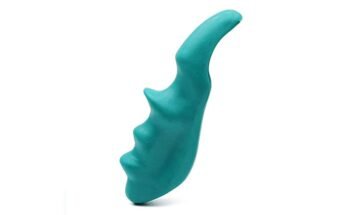
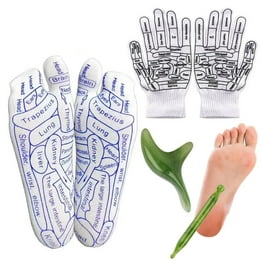
Reflexology tools are devices designed to stimulate pressure points on your feet. They aim to relieve pain and improve circulation. Common tools include rollers, sticks, and balls. These tools help mimic hand reflexology techniques for at-home foot pain relief.
How Effective Are Reflexology Tools For Foot Pain?
Reflexology tools can be effective for mild to moderate foot pain. They promote blood flow and reduce muscle tension. However, results vary by individual and severity of pain. Consistent use enhances benefits, but severe pain may require professional care.
Can Reflexology Tools Replace Professional Treatment?
Reflexology tools complement but do not replace professional treatment. They provide temporary relief and promote relaxation. For chronic or severe foot pain, consult a healthcare professional. Tools are best used as part of a broader pain management plan.
How Often Should I Use Reflexology Tools?
Using reflexology tools 3-4 times a week is ideal. Each session can last 10-15 minutes. Consistent use helps maintain foot health and manage pain. Avoid overuse to prevent irritation or soreness.
Conclusion
Reflexology tools can help reduce foot pain for many people. They work by applying gentle pressure to key areas on the feet. Using these tools regularly may improve comfort and relaxation. Still, results vary from person to person. Combining reflexology with good foot care is a smart choice.
Always listen to your body and avoid overuse. Trying these tools can be a simple step toward relief. Give your feet the care they deserve.