Have you ever wondered if reflexology tools are safe to use every day? You might be curious about whether these small devices can truly help relieve stress and pain without causing harm.
If you use reflexology tools regularly, it’s important to know how they affect your body and what precautions you should take. Keep reading to discover the truth about daily use, so you can enjoy the benefits safely and confidently.

Reflexology Tools Overview
Reflexology tools help apply pressure to specific points on the feet, hands, or ears. These points correspond to organs and systems in the body. Using these tools can enhance the effects of reflexology. They can make the process easier and more precise. Many people wonder if using these tools daily is safe. Understanding the types and common uses of these tools is important.
Types Of Reflexology Tools
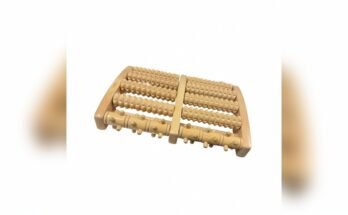
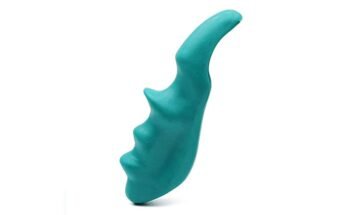
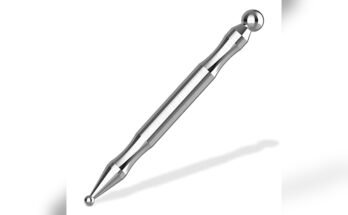
Reflexology tools come in many shapes and sizes. Some common types include wooden sticks, rollers, and balls. Wooden sticks have smooth ends for gentle pressure. Rollers help stimulate larger areas at once. Small balls target specific reflex points. Some tools are made of plastic or metal. Each tool serves a different purpose. The choice depends on personal comfort and the area being treated.
Common Uses In Daily Practice
People use reflexology tools to reduce tension and stress. They help improve circulation and relieve pain. Many use tools on their feet after a long day. Tools make it easier to reach hard spots. Some use them during meditation or relaxation time. Daily use can help maintain balance in the body. Tools must be cleaned regularly to stay safe. Using them gently prevents soreness or injury.

Safety Factors To Consider
Safety is important when using reflexology tools every day. These tools touch sensitive parts of your body. Careless use can cause harm or discomfort. Knowing the right safety factors helps you avoid problems. It also makes your experience better and more relaxing.
Material Quality And Hygiene
Choose tools made from safe, non-toxic materials. Avoid cheap plastics that may break or cause skin reactions. Natural materials like wood or stone often work well. Clean tools before and after use to stop germs. Use warm water and mild soap for cleaning. Dry tools fully to prevent bacteria growth.
Proper Usage Techniques
Learn the correct way to use each tool. Apply gentle pressure, not too hard. Pressing too strongly can cause pain or bruises. Follow instructions or watch tutorials for guidance. Use tools only on clean, dry skin. Avoid using tools on open wounds or irritated skin.
Potential Risks And Side Effects
Some people may feel soreness after use. This usually goes away in a day or two. Stop using tools if you notice swelling or rash. People with certain health conditions should be cautious. Pregnant women and those with diabetes need advice from doctors. Always listen to your body’s signals during use.
Expert Opinions On Daily Use
Experts have shared their views on using reflexology tools every day. Their insights help users make safe choices. Understanding these opinions ensures better health and effective use.
Benefits Endorsed By Professionals
Many experts agree reflexology tools can boost relaxation. They say daily use may reduce stress and improve circulation. Some professionals note it can ease muscle tension in feet and hands. These benefits contribute to overall wellness and calmness.
Warnings And Precautions
Experts warn against overusing reflexology tools. Too much pressure can cause bruising or pain. People with certain health issues, like diabetes or skin problems, should be cautious. It is important to stop if discomfort occurs. Clean tools regularly to avoid infections.
Recommended Usage Frequency
Most professionals suggest using reflexology tools a few times per week. Sessions of 10 to 15 minutes are enough to gain benefits. Rest days help the skin and muscles recover. Following this advice prevents harm and improves results.
Choosing The Right Tool For You
Choosing the right reflexology tool is important for safe daily use. The tool must suit your body’s needs and comfort. Picking the correct tool helps you enjoy reflexology without pain or injury. Understanding your preferences and goals guides your choice.
Assessing Personal Needs
Think about your foot size and sensitivity. Some tools may feel too hard or too soft. Consider any foot problems or pain areas. If you have sensitive skin, choose gentle tools. Check the tool’s material for comfort and safety. Your daily routine also matters. Pick tools that fit your schedule and lifestyle.
Matching Tools To Reflexology Goals
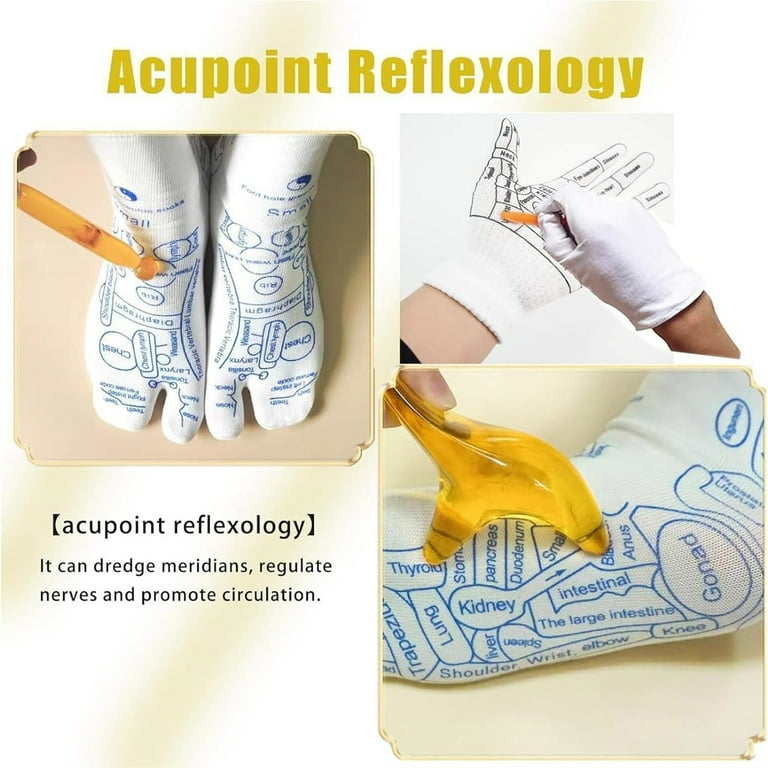
Decide what you want from reflexology. Pain relief needs firm tools for deep pressure. Relaxation needs softer tools for gentle touch. Reflex points require tools with precise shapes. Look for tools designed for your specific goals. Using the right tool helps reach your reflexology benefits faster. Match the tool’s size and shape to your reflex points.
Maintaining Reflexology Tools
Maintaining reflexology tools helps keep them safe and effective for daily use. Proper care prevents damage and extends their life. Clean tools work better and reduce infection risk. Store tools carefully to avoid dirt and moisture. Regular checks show when tools need replacing.
Cleaning And Storage Tips
Clean tools after every use. Use warm water and mild soap. Avoid harsh chemicals that can damage the surface. Dry tools completely before storing. Store tools in a dry, cool place. Use a closed container or pouch to keep dust out. Avoid direct sunlight to prevent material breakdown.
When To Replace Tools
Replace tools if they show cracks or chips. Worn-out tools lose effectiveness and can hurt skin. If tools become sticky or change color, it’s time for new ones. Replace tools after a long period of use, even if they look fine. Regular replacement ensures safe and smooth reflexology sessions.
Frequently Asked Questions
Are Reflexology Tools Safe For Daily Use?
Yes, reflexology tools are generally safe for daily use when used correctly. Avoid excessive pressure to prevent skin irritation or bruising.
Can Reflexology Tools Cause Any Side Effects?
Side effects are rare but may include mild soreness or redness. Stop use if you experience pain or discomfort and consult a professional.
How Often Should I Use Reflexology Tools Daily?
Using reflexology tools for 10-15 minutes daily is sufficient. Consistency helps improve circulation without causing over-stimulation or damage.
Who Should Avoid Using Reflexology Tools?
People with skin infections, open wounds, or certain medical conditions like diabetes should avoid using reflexology tools without medical advice.
Conclusion
Reflexology tools can be safe if used with care and knowledge. Choose the right tool for your needs and avoid pressing too hard. Clean your tools regularly to keep them hygienic. Stop using them if you feel pain or discomfort.
Always listen to your body and rest when needed. Daily use can support relaxation and stress relief. Small steps lead to better health. Keep safety in mind to enjoy reflexology benefits every day.