Have you ever wondered if reflexology tools can truly make a difference in your health and well-being? You might have seen them online or in stores, promising relief from pain, stress, and tension.
But do these tools really work, or are they just another wellness trend? You’ll discover the truth behind reflexology tools and how they could impact your body. By the end, you’ll know whether investing in these tools is worth your time and money.
Keep reading—you might be surprised by what you learn.
What Is Reflexology
Reflexology is a therapy that uses pressure on specific points of the feet, hands, or ears. These points connect to different parts of the body. The goal is to promote relaxation, improve circulation, and support overall health.
This practice has roots in ancient cultures like Egypt and China. It works on the idea that certain zones in the feet and hands mirror organs and systems inside the body. By applying pressure, reflexologists aim to relieve tension and help the body heal itself.
How Reflexology Works
Reflexology involves pressing or massaging specific spots called reflex points. These points correspond to organs and body parts. Stimulating them can send signals to the nervous system. This may trigger the body’s natural healing processes.
Common Techniques Used
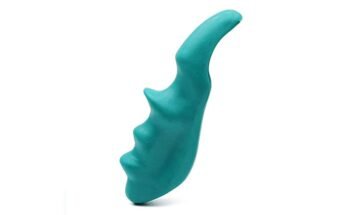
Therapists use fingers, thumbs, and special tools to apply pressure. The pressure varies from gentle to firm. Some use wooden sticks or rollers to target reflex points more precisely. These tools help reach areas that are hard to massage by hand.
Benefits Of Reflexology
Many people feel relaxed and less stressed after a session. Reflexology may help reduce pain and improve sleep quality. Some also report better digestion and fewer headaches. It is a non-invasive and drug-free way to support wellness.

Common Reflexology Tools
Reflexology tools help apply pressure to specific points on the feet, hands, or ears. These tools aim to enhance the benefits of reflexology by making it easier to reach and stimulate reflex points. Many people use these tools at home or in therapy sessions. They come in different shapes and materials. Each tool offers a unique way to relax muscles and improve circulation.
Wooden Sticks And Rollers
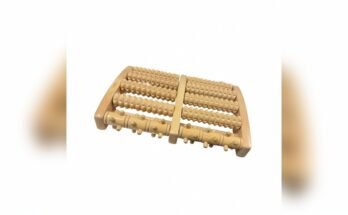
Wooden sticks and rollers are simple but effective reflexology tools. They are smooth and shaped to fit the contours of the feet or hands. Users roll or press these tools on reflex points to relieve tension. Wooden tools are lightweight and easy to handle. They provide firm pressure without causing pain. These tools are popular because they last long and are easy to clean.
Massage Balls
Massage balls come in various sizes and textures. They are used to target small, hard-to-reach reflex points. Rolling a massage ball under the foot can soothe sore muscles. Some balls have spikes or bumps to increase stimulation. They help improve blood flow and reduce stress. Massage balls are portable and convenient for quick relief anywhere.
Electric Devices
Electric devices use gentle vibrations to stimulate reflex points. They often have multiple settings for different pressure levels. These devices can mimic hand movements in reflexology. Electric tools save effort and provide consistent pressure. They may also include heat for added relaxation. Many users find electric devices helpful for deep muscle relief.
How Reflexology Tools Are Used
Reflexology tools help apply pressure to specific spots on the feet, hands, or ears. These tools aim to stimulate nerves and improve body functions. People use them to ease stress, reduce pain, and boost relaxation.
Using these tools correctly matters. The right technique and pressure can make a difference in results. Both beginners and experts use these tools, but their methods vary.
Techniques And Pressure Points
Reflexology tools target pressure points linked to body organs. Applying steady pressure helps release tension and improve circulation. Tools like wooden sticks, balls, or rollers press on these points.
Moving the tool slowly in circles or back and forth creates a massage effect. Gentle pressure prevents pain but still activates nerves. Knowing where pressure points lie is key to effectiveness.
Each pressure point connects to a different body part. Practicing the right technique can help relieve headaches, digestion problems, or muscle aches. Consistent use may increase comfort and well-being.
Self-treatment Vs Professional Use
Many people use reflexology tools at home for self-care. It is simple and allows control over pressure and timing. Self-treatment can reduce stress and provide quick relief.
Professionals use reflexology tools with more skill and knowledge. They understand anatomy and how to adjust pressure safely. Experts can target deeper layers and detect areas needing extra care.
Professional sessions often last longer and may feel more effective. Still, home use supports regular care between visits. Combining both can enhance overall benefits and comfort.
Scientific Evidence On Effectiveness
Reflexology tools are popular for massage and pain relief. People want to know if these tools really work. Scientific studies help answer this question. Research shows mixed results. Some studies support reflexology’s benefits. Others raise doubts. Understanding both sides can help you decide.
Studies Supporting Reflexology
Several studies find positive effects of reflexology tools. People report less stress and pain after sessions. Some research shows improved blood flow and relaxation. Reflexology may help with headaches and muscle tension. Tools can stimulate pressure points, improving body balance. These studies suggest reflexology tools offer real benefits.
Skepticism And Criticism
Some experts question reflexology’s effectiveness. Critics say many studies lack strong evidence. Small sample sizes and no control groups weaken results. Placebo effect might explain some benefits. Skeptics argue reflexology tools may not impact serious health issues. More rigorous research is needed to prove their value.
Benefits Reported By Users
Many users share their experiences with reflexology tools. These tools target specific points on the feet and hands. Users report several benefits after regular use. The effects seem to support overall well-being.
Pain Relief
Users often mention reduced pain after using reflexology tools. They feel less tension in muscles and joints. Some say their headaches and back pain ease up. The tools help apply pressure to key spots. This pressure can help release tightness and discomfort.
Stress Reduction
Many find reflexology tools relaxing. They feel calmer and less anxious after sessions. The gentle massage on the feet or hands helps lower stress. This simple routine can create a peaceful moment. Users say it helps them sleep better too.
Improved Circulation
Some users notice better blood flow after using reflexology tools. Their hands and feet feel warmer and more energized. Improved circulation supports healing and overall health. The tools stimulate nerves and blood vessels. This may help the body work more efficiently.

Limitations And Risks
Reflexology tools offer a simple way to try reflexology at home. They can help ease tension and improve relaxation. Still, these tools have limits. They do not replace professional care or a full health check. Some people might face risks or side effects when using them. Understanding these limits and risks helps you use the tools safely.
Possible Side Effects
Using reflexology tools can cause soreness or mild pain. Pressing too hard might bruise the skin or muscles. Some users feel dizzy or lightheaded during or after use. Allergic reactions can happen if the tool’s material irritates your skin. Sometimes, overuse leads to inflammation or redness. Stop using the tool if you notice these effects. Give your body time to heal before trying again.
When To Avoid Reflexology Tools
Avoid reflexology tools if you have open wounds or skin infections. Do not use them over broken skin or rashes. Pregnant women should consult a doctor before use. People with blood clotting problems or deep vein thrombosis should skip these tools. Avoid use on swollen or inflamed areas. If you feel pain or discomfort, stop immediately. Always check with a healthcare professional when unsure.
Choosing The Right Reflexology Tool
Choosing the right reflexology tool makes a big difference in your experience. The right tool helps you apply the correct pressure. It also targets the reflex points more accurately. This improves the overall effect of reflexology on your body.
Many types of reflexology tools exist. Each has a unique shape and use. Selecting one that fits your needs and comfort is important. This section covers key factors to consider and tips for beginners.
Factors To Consider
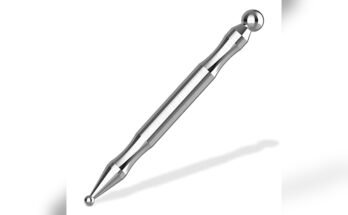
First, think about the material of the tool. Common materials include wood, plastic, and metal. Wood feels warm and natural. Metal tools are more durable but may feel cold.
Next, check the size and shape. A small tool works well for precise pressure. Larger tools cover broader areas. Choose based on the reflex points you want to target.
Also, consider ease of use. Some tools have handles for better grip. Others are simple sticks or rollers. Pick one that feels comfortable in your hand.
Tips For Beginners
Start with a simple and lightweight tool. This helps you learn without strain. Practice applying gentle pressure. Avoid pressing too hard to prevent pain.
Use a tool with a smooth surface. This reduces the chance of skin irritation. Slowly explore different reflex points on your feet or hands.
Watch how your body responds. Stop if you feel discomfort. Over time, you will know which tool suits you best.
Integrating Reflexology With Other Therapies
Integrating reflexology with other therapies can enhance overall healing. Reflexology focuses on applying pressure to specific points on the feet, hands, or ears. These points connect to different body parts and systems.
Combining reflexology with other methods can improve relaxation and reduce pain. It supports better energy flow and helps balance the body. Many people find this combined approach more effective than using one therapy alone.
Reflexology And Massage Therapy
Massage therapy eases muscle tension and improves blood circulation. Reflexology targets nerve endings and pressure points. Together, they relieve stress and promote relaxation deeply. This pairing can reduce headaches and muscle pain faster.
Reflexology And Acupuncture
Acupuncture uses thin needles to stimulate energy channels. Reflexology applies pressure without needles. Both work on the body’s energy flow and balance. Using them together may boost pain relief and improve mood.
Reflexology And Aromatherapy
Aromatherapy uses essential oils to calm or energize the mind. Reflexology stimulates healing points on the feet or hands. Combining these enhances relaxation and reduces anxiety. The scents support emotional well-being while reflexology aids physical health.
Reflexology And Physical Therapy
Physical therapy focuses on restoring movement and strength. Reflexology can reduce pain and inflammation during recovery. Together, they support faster healing and improve mobility. Reflexology helps relax muscles, making physical therapy easier.
User Experiences And Testimonials
User experiences and testimonials offer real insight into reflexology tools. They reveal how people feel after using these tools. Many users share their honest thoughts and results. These stories help others decide if reflexology tools are worth trying.
Reading different experiences shows a range of effects. Some users notice quick relief. Others find benefits after regular use. These personal accounts give a clearer picture than product descriptions alone.
User Feedback On Pain Relief
Many users report less pain in their feet or hands. They say the tools help ease soreness and tension. Some feel relief after just one session. Others say regular use reduces chronic discomfort.
Experiences With Stress Reduction
Several people mention feeling calmer after using reflexology tools. They describe less stress and better sleep. The gentle pressure on specific points seems to relax the body. This effect often grows stronger over time.
Comments On Ease Of Use
Users appreciate tools that are simple and comfortable. Many find small, handheld devices easy to use at home. Some mention clear instructions help them get started quickly. This makes reflexology more accessible for beginners.
Negative Or Mixed Reviews
Not all feedback is positive. Some users feel no change after use. A few find the tools uncomfortable or hard to use. These honest reviews highlight that results can vary. Personal preference and technique matter a lot.
Frequently Asked Questions
Do Reflexology Tools Improve Treatment Effectiveness?
Reflexology tools can enhance treatment by targeting pressure points more precisely. They help stimulate nerves and improve circulation. However, personal technique and consistency matter most for results.
Are Reflexology Tools Safe For Home Use?
Yes, most reflexology tools are safe for home use when used correctly. Beginners should follow instructions to avoid discomfort or injury. Consulting a professional before use is advisable.
Can Reflexology Tools Relieve Foot Pain?
Reflexology tools can help relieve foot pain by applying pressure to specific zones. They promote relaxation and reduce tension, improving overall foot health. Results vary depending on individual conditions.
How Often Should Reflexology Tools Be Used?
Using reflexology tools 2-3 times weekly is generally effective. Overuse can cause soreness or irritation. Consistent, moderate sessions yield better long-term benefits.
Conclusion
Reflexology tools may help ease stress and tension. Many people find them relaxing and simple to use. They might improve blood flow and reduce pain for some. Results can differ from person to person. Tools work best when used gently and regularly.
Always listen to your body and stop if it hurts. Reflexology tools can be a helpful part of self-care. They do not replace professional medical advice. Trying them could offer a small boost to your well-being. Give yourself time to see if they suit you.