Have you ever wondered if using reflexology tools could actually boost your overall wellness? If you’re looking for a simple way to feel more relaxed, reduce stress, and improve your body’s natural balance, these tools might be just what you need.
But do they really work, or is it just another wellness trend? Keep reading to discover how reflexology tools can impact your health and why they might become your new go-to for self-care. Your path to feeling better could start with something as easy as a small tool in your hand.

What Is Reflexology?
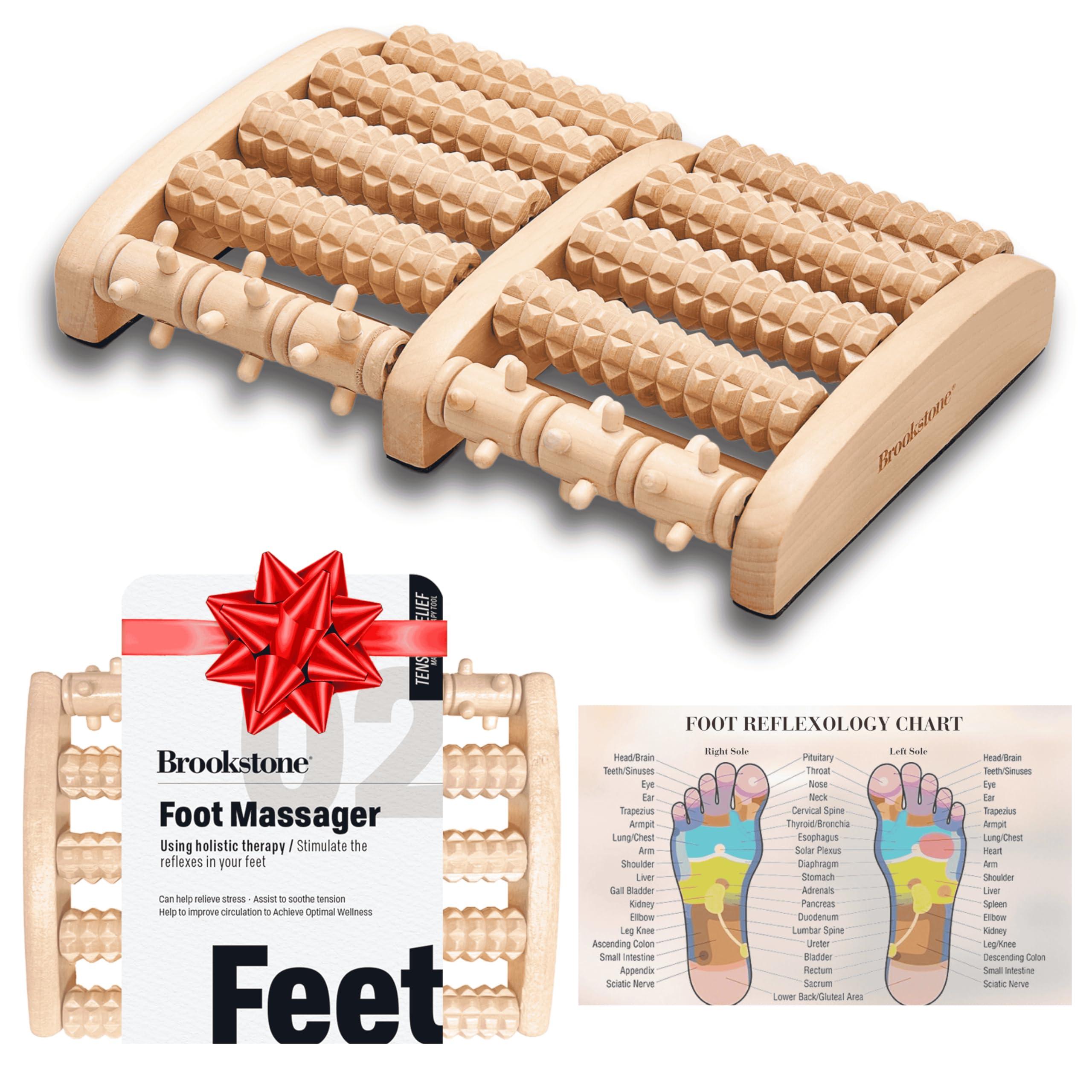
Reflexology is a natural therapy that focuses on pressure points in the feet, hands, and ears. It aims to improve health by stimulating these points. Many believe reflexology helps balance the body’s energy and promotes relaxation. This therapy has been practiced for thousands of years in various cultures.
Reflexology is based on the idea that different points on the feet and hands correspond to organs and systems in the body. By applying pressure to these points, reflexologists try to clear energy blockages and support healing. The practice is gentle and non-invasive, making it popular for stress relief and wellness.
Origins Of Reflexology
Reflexology has roots in ancient Egypt, China, and India. Early drawings and texts show foot and hand treatments for health. Modern reflexology developed in the early 20th century with more scientific study. Today, it is practiced worldwide as a complementary therapy.
How Reflexology Works
Reflexologists use their thumbs and fingers to press specific points on the feet and hands. This pressure may stimulate nerves and improve circulation. The therapy aims to relax the nervous system and reduce tension. It also encourages the body’s natural healing processes.
Benefits Of Reflexology
Reflexology can reduce stress and promote calmness. It may help ease pain and improve sleep quality. Some people find relief from headaches and digestive issues. Reflexology supports overall wellness by balancing the body’s energy flow.

Types Of Reflexology Tools
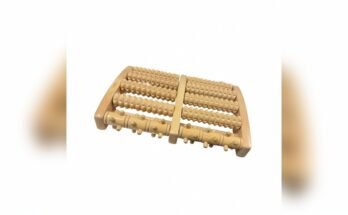
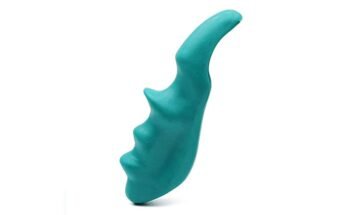
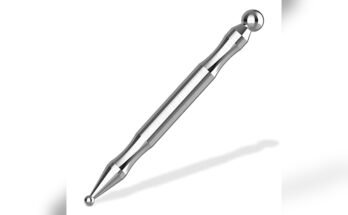
Reflexology tools offer different ways to stimulate pressure points on the feet and hands. These tools can help improve blood flow and reduce tension. Choosing the right tool depends on personal comfort and the specific benefits desired. Many tools are easy to use at home and can support overall wellness.
Wooden Massage Sticks
Wooden massage sticks have smooth, rounded edges. They help apply focused pressure on reflex points. These sticks are lightweight and easy to handle. They work well for deep, targeted massage. Wood feels warm and natural on the skin.
Silicone Rollers
Silicone rollers have soft, flexible surfaces. They roll easily over the skin, providing gentle stimulation. Rollers improve circulation and relax muscles. Their non-slip design offers a firm grip. Silicone is durable and easy to clean.
Magnetic Balls
Magnetic balls combine massage with magnetic therapy. The magnets may help increase blood flow. These small balls are easy to move over reflex points. They add a unique sensation during reflexology sessions. Magnetic balls are portable and convenient.
Acupressure Sliders
Acupressure sliders have smooth, curved edges. They glide over the skin, pressing specific points. Sliders help release muscle tension and improve energy flow. They are simple tools suitable for beginners. The design allows precise control of pressure.
How Reflexology Tools Work
Reflexology tools help apply pressure on specific points of the body. These points connect to different organs and systems. Using tools can make the process easier and more precise. They work by stimulating these pressure points to support the body’s natural healing.
Stimulating Pressure Points
Reflexology tools target key pressure points on feet, hands, or ears. Pressing these spots sends signals to the brain. The brain then activates healing responses in related body parts. Tools allow consistent and firm pressure on these areas. This helps release tension and encourages balance inside the body.
Enhancing Blood Circulation
Using reflexology tools improves blood flow in the treated areas. Better circulation brings more oxygen and nutrients to cells. It also helps remove toxins and waste from the body. Tools gently massage and stimulate blood vessels. This supports overall health and speeds up recovery.
Promoting Relaxation
Reflexology tools help calm the nervous system. They reduce stress and ease muscle tightness. The gentle pressure creates a soothing effect. This relaxation can improve sleep and reduce anxiety. Regular use of tools supports a peaceful mind and body.
Benefits For Physical Health
Reflexology tools offer several benefits for physical health. These tools stimulate specific points on the feet, hands, or ears. This stimulation helps the body heal and maintain balance. Regular use can support better body function and comfort.
Using reflexology tools can ease physical discomfort. They also support organs and systems to work more smoothly. Many users report feeling more relaxed and healthier after sessions.
Reducing Pain And Tension
Reflexology tools help ease muscle tightness and joint pain. Applying pressure on reflex points can release built-up tension. This process encourages blood flow and reduces stiffness. Many people feel less pain and more mobility after treatment.
Improving Digestive Function
Stimulating reflex points linked to the digestive system can aid digestion. Reflexology tools may help reduce bloating and discomfort. They support better nutrient absorption and bowel movement regularity. This can lead to a healthier, more comfortable digestive process.
Boosting Immune Response
Reflexology tools encourage the body’s natural defense system. They promote better circulation and lymph flow. This helps remove toxins and supports immune cells. Regular use may help the body fight illness more effectively.
Mental And Emotional Advantages
Mental and emotional health plays a big role in overall wellness. Reflexology tools target specific points on the feet and hands. These points connect to different parts of the body and mind. Using these tools can calm the nervous system and boost mood. Many people find relief from mental strain and emotional tension.
Regular use of reflexology tools may help balance emotions and improve mental clarity. This section explores how these tools ease stress, enhance sleep, and support emotional balance.
Alleviating Stress And Anxiety
Reflexology tools stimulate pressure points linked to stress relief. Applying gentle pressure helps lower cortisol levels, the stress hormone. This leads to a calmer mind and relaxed body. Many users feel less anxious after a session. The tools can be a simple way to manage daily stress.
Enhancing Sleep Quality
Good sleep is crucial for mental health. Reflexology tools encourage relaxation that can improve sleep patterns. Massaging specific points may reduce restlessness and promote deeper sleep. People who use these tools often report falling asleep faster. Better sleep supports better focus and mood the next day.
Supporting Emotional Balance
Using reflexology tools can help stabilize emotions. They promote a sense of calm and well-being. Regular sessions may reduce mood swings and emotional fatigue. The gentle pressure encourages the release of tension stored in the body. This supports a peaceful and balanced emotional state.
Scientific Evidence And Studies
Scientific evidence plays a big role in understanding the true effects of reflexology tools on wellness. Studies and research help clarify whether these tools offer real health benefits. They also identify how reflexology can affect the body and mind. Exploring this evidence helps people make informed choices about using reflexology tools.
Clinical Trials On Reflexology Tools
Several clinical trials have tested reflexology tools on different groups of people. These trials measure changes in stress, pain, and overall health. Some trials show that reflexology tools can reduce stress and improve relaxation. Others find mixed results or no clear effect. More research with larger groups is needed to confirm findings. The quality of tools and methods used affects trial outcomes.
User Testimonials And Experiences
User testimonials offer insights into personal experiences with reflexology tools. Many users report feeling relaxed and less stressed after using these tools. Some notice reduced pain in feet, hands, or other areas. Others feel more energetic and balanced. Experiences vary widely among individuals. Personal stories help understand how reflexology tools might support wellness.
Choosing The Right Reflexology Tools
Choosing the right reflexology tools is important for improving your wellness. The right tools help you target pressure points correctly. They make the experience comfortable and effective. Picking tools that fit your needs enhances your relaxation and healing.
Many options exist, from simple wooden sticks to electric massagers. Knowing what to consider helps you avoid spending money on tools you won’t use. Safety and quality are key. This guide helps you find tools that suit your budget and body.
Factors To Consider
Think about the type of reflexology you want. Some tools work better for feet, others for hands. Size and shape matter. Choose tools that feel easy to hold and use. Look for tools made from skin-friendly materials. Check if they are easy to clean. Portability might be important if you travel often. Comfort and ease of use ensure regular practice.
Budget And Quality
Set a budget before you shop. Low-cost tools can work well but avoid very cheap ones. Poor quality tools might break or hurt your skin. Investing in mid-range tools often gives better results. Read reviews to find durable and effective tools. Quality tools last longer and offer better comfort. Balance cost with how often you plan to use them.
Safety Tips
Always clean tools before and after use. Use gentle pressure to avoid bruises or pain. Stop using tools if you feel discomfort. Avoid sharing tools to prevent infections. Check for sharp edges or splinters on wooden tools. Store tools in a dry place to keep them safe. Follow instructions carefully to protect your skin and health.
Incorporating Reflexology Into Daily Wellness
Incorporating reflexology into daily wellness helps balance the body and mind. It can reduce stress and improve circulation. Simple routines fit easily into busy schedules. Using reflexology tools may boost these effects by targeting pressure points more precisely.
Daily practice encourages relaxation and supports healing. Small steps can lead to better overall health. Understanding easy techniques and combining them with other therapies can enhance benefits.
Simple Techniques For Beginners
Start by learning basic reflexology points on the feet or hands. Use gentle pressure with your thumb or a reflexology tool. Focus on one area for a few minutes each day. Consistency helps the body respond positively.
Massage small circles or press firmly but gently. Avoid pain or discomfort. Keep sessions short, about five to ten minutes. Gradually increase time as comfort grows.
Combining Tools With Other Therapies
Reflexology tools work well alongside massage or stretching. They can also complement meditation or deep breathing exercises. This combination supports relaxation and pain relief.
Use tools to prepare the body before yoga or physical therapy. Follow reflexology with a warm bath to soothe muscles. Blending therapies creates a holistic approach to wellness.
Frequently Asked Questions
What Are Reflexology Tools And How Do They Work?
Reflexology tools are devices used to apply pressure on specific foot or hand points. They stimulate nerve endings and improve energy flow. These tools enhance traditional reflexology, promoting relaxation and overall wellness effectively.
Can Reflexology Tools Reduce Stress And Anxiety?
Yes, reflexology tools help reduce stress by stimulating pressure points that promote relaxation. They improve circulation and release tension, leading to better mental clarity and reduced anxiety symptoms.
Are Reflexology Tools Beneficial For Pain Relief?
Reflexology tools can aid pain relief by targeting specific pressure points linked to various body parts. They help reduce muscle tension and improve blood flow, which can alleviate discomfort and enhance mobility.
How Often Should I Use Reflexology Tools For Wellness?
Using reflexology tools 2-3 times a week is ideal for noticeable benefits. Regular sessions improve circulation, reduce stress, and enhance overall well-being. Consistency is key for long-term results.
Conclusion
Reflexology tools can support your path to better wellness. They help ease tension and improve relaxation. Using these tools regularly may boost your energy and mood. Simple to use and affordable, they fit easily into daily routines. Everyone’s body reacts differently, so try and see what works best.
Small steps often lead to big health benefits over time. Taking care of yourself matters, and reflexology tools offer one way to do it. Give them a chance and notice how your body feels.