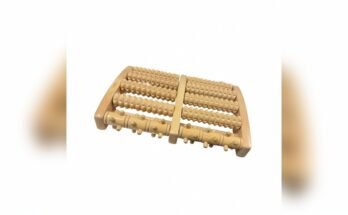
If you use reflexology tools regularly, keeping them clean and well-maintained is a must. Dirty or damaged tools can affect your results and even cause discomfort.
But don’t worry—cleaning and caring for your tools doesn’t have to be complicated. You’ll discover simple, effective ways to keep your reflexology tools in top shape. By following these easy steps, you’ll protect your investment and ensure every session feels fresh and relaxing.
Ready to learn how to care for your tools like a pro? Let’s dive in.
Choosing The Right Cleaning Supplies
Choosing the right cleaning supplies is key for keeping reflexology tools safe and effective. Using the wrong products can cause damage or reduce their lifespan. Careful selection helps maintain hygiene and tool quality.
Safe Solutions For Reflexology Tools
Use gentle, non-toxic cleaners made for delicate materials. Mild soap and warm water work well for most tools. Avoid harsh chemicals like bleach or ammonia, which can harm the surface. Alcohol wipes are good for quick disinfecting but should not be overused. Always rinse tools thoroughly after cleaning to remove residues.
Avoiding Damage With Proper Products
Choose pH-neutral cleaning solutions to protect tool surfaces. Avoid abrasive scrubs that can scratch or wear down the finish. Soft cloths or sponges are best for wiping tools. Test any new cleaner on a small area first. Follow manufacturer instructions carefully for each product. Proper cleaning extends tool life and ensures safe use.
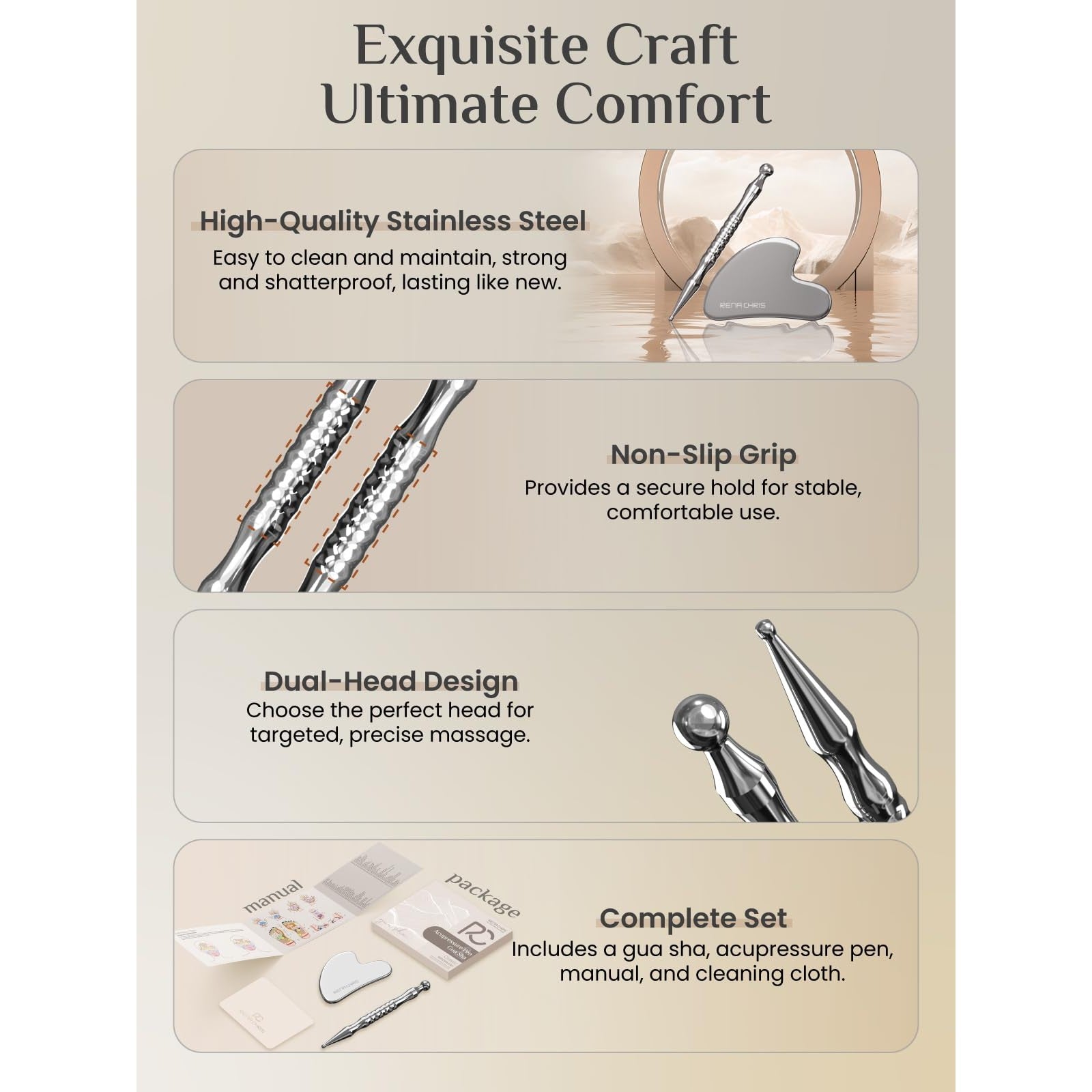
Step-by-step Cleaning Process
Cleaning reflexology tools regularly keeps them safe and effective. Dirt and oils can build up, causing damage or infection. A clear process helps maintain their quality and hygiene. Follow these simple steps to clean your tools properly.
Pre-cleaning Preparation
First, gather all your reflexology tools in one place. Check each tool for visible dirt or residue. Remove any loose debris using a soft brush or cloth. Prepare a cleaning area with warm water and mild soap. Wear gloves to protect your hands during cleaning.
Washing Techniques For Different Materials
Wooden tools need gentle washing with a damp cloth. Avoid soaking wood to prevent cracking or warping. Use mild soap and warm water for plastic or metal tools. Scrub gently with a soft brush to remove grime. Disinfect metal tools using rubbing alcohol or a safe disinfectant spray.
Drying And Storage Tips
Dry tools immediately after washing with a clean towel. Let wooden tools air dry completely to avoid mold. Store tools in a dry, cool place away from direct sunlight. Use a clean container or pouch to keep tools dust-free. Regular drying and proper storage extend tool life.
Sanitizing For Hygiene
Sanitizing reflexology tools is important for keeping them clean and safe. Clean tools stop the spread of germs and protect both the practitioner and client. Proper hygiene helps maintain trust and professionalism in every session.
Sanitizing removes dirt, oils, and bacteria from the tools. It also prevents infections and skin irritations. Clean tools last longer and work better during treatments.
Effective Disinfection Methods
Use warm water and mild soap to clean tools first. This removes surface dirt and oils. After washing, disinfect tools with a solution that kills germs.
Isopropyl alcohol (70%) is a good disinfectant. Wipe tools with alcohol or soak them for a few minutes. Avoid harsh chemicals that may damage the tools.
UV light sanitizers can also kill bacteria and viruses. Follow the device instructions for safe use. Make sure tools dry completely before storage or use.
Frequency Of Sanitizing Reflexology Tools
Sanitize tools before and after each client session. This stops germs from spreading between clients. Clean tools immediately after use to avoid buildup.
For tools used less often, sanitize before each use. Regular cleaning keeps tools in good condition. Check tools daily for any dirt or damage.
Maintain a cleaning schedule for all tools. This helps keep hygiene consistent and reliable. Good habits protect health and improve client experience.
Maintaining Tool Longevity
Maintaining the longevity of reflexology tools helps save money and ensures safe use. Proper care keeps tools effective and ready for every session. Small efforts extend their life and improve performance.
Regular Inspection And Repairs
Check tools often for cracks, chips, or wear. Early detection stops small problems from growing. Repair minor damage with suitable materials or replace parts. Clean tools before and after each use. This prevents dirt buildup that harms tools.
Protecting Tools From Wear And Tear
Store tools in a dry, cool place to avoid damage. Use soft cloths or cases for protection during storage. Avoid dropping or rough handling to keep tools intact. Limit exposure to water and harsh chemicals. These can cause corrosion or weaken materials.
Storage Solutions
Proper storage of reflexology tools keeps them clean and ready to use. It also protects tools from damage and extends their life. Choosing the right storage method helps maintain hygiene and organization.
Good storage solutions prevent tools from getting lost or mixed up. They also reduce the chance of contamination between sessions. Safe storage supports a professional and tidy workspace.
Organizing Reflexology Tools Safely
Use separate compartments or boxes for each tool type. Soft pouches or cushioned cases protect delicate tools from scratches. Label storage containers to find tools quickly and easily.
Keep tools dry before storing to avoid mold or rust. Avoid piling tools on top of each other. Store tools in a clean, dust-free area to keep them sanitary.
Environmental Factors To Consider
Store tools in a cool, dry place away from sunlight. Excess heat or moisture can damage materials like wood or metal. Avoid damp areas that encourage bacteria or mold growth.
Keep tools away from chemicals or strong odors. These can affect the tool’s surface and user comfort. Ensure good air circulation to prevent musty smells and keep tools fresh.

Common Mistakes To Avoid
Cleaning reflexology tools is important for hygiene and tool life. Many make common mistakes that harm tools or reduce their usefulness. Avoiding these errors helps keep tools safe and effective. Focus on proper cleaning habits to extend tool durability and maintain quality.
Over-cleaning Risks
Cleaning tools too often can wear them out quickly. Excessive scrubbing damages surfaces and reduces tool lifespan. Over-cleaning may remove protective coatings or cause cracks. Clean tools only after use or when visibly dirty. A gentle wipe is often enough between sessions.
Using Harsh Chemicals
Strong chemicals can damage reflexology tools. Acids or bleach cause discoloration and weaken materials. Harsh cleaners may leave residues harmful to skin. Use mild soap and warm water instead. Choose gentle, non-toxic products designed for sensitive tools.
Frequently Asked Questions
How Often Should Reflexology Tools Be Cleaned?
Reflexology tools should be cleaned after every use. Regular cleaning prevents bacteria buildup and ensures hygiene. This practice extends the tool’s lifespan and maintains client safety. Use mild soap and warm water for effective cleaning.
What Is The Best Cleaning Method For Reflexology Tools?
Use warm water, mild soap, and a soft brush to clean tools. Avoid harsh chemicals that can damage the material. After washing, dry tools thoroughly to prevent rust or mold growth. This method keeps tools safe and effective.
Can I Use Disinfectants On Reflexology Tools?
Yes, use gentle disinfectants suitable for the tool’s material. Avoid bleach or strong chemicals that may cause damage. Disinfecting after cleaning ensures tools are free from germs and safe for use. Always follow manufacturer guidelines.
How Should I Store Reflexology Tools After Cleaning?
Store tools in a dry, clean container or pouch. Avoid damp environments to prevent mold and rust. Proper storage keeps tools protected and ready for use. Regularly check tools for damage or wear before storing.
Conclusion
Clean reflexology tools regularly to keep them safe and effective. Use gentle soap and warm water for best results. Dry tools completely before storing to stop rust or damage. Store tools in a clean, dry place to keep them ready.
Regular care helps tools last longer and work better. Taking small steps makes a big difference in hygiene. Keep your tools fresh and your clients happy. Simple habits protect both your tools and health. Easy to follow. Easy to maintain.