Are you tired of the sharp, stubborn pain in your heel that just won’t go away? Plantar fasciitis can make every step uncomfortable and limit your daily activities.
You might have tried stretching, ice packs, or even special shoes, but relief still feels out of reach. What if there was a simple, natural way to ease that pain right at home? Reflexology tools could be the hidden key to soothing your foot discomfort and helping you walk pain-free again.
Keep reading to discover how these easy-to-use tools might change the way you manage plantar fasciitis for good.
Plantar Fasciitis Basics
Plantar fasciitis is a common foot problem that causes pain in the heel. It happens when the thick band of tissue on the bottom of the foot, called the plantar fascia, gets irritated or inflamed. Understanding the basics helps to know how reflexology tools might offer relief.
This condition affects many people, especially those who stand or walk a lot. Early care can reduce pain and improve foot function. Learning about symptoms, causes, and daily impact is important for managing plantar fasciitis.
Common Symptoms
The main symptom is sharp heel pain, especially after rest. Pain usually starts with the first steps in the morning. It may ease during activity but return after long periods of standing or walking. Swelling or stiffness in the foot can also occur.
Causes And Risk Factors
Plantar fasciitis happens from strain or stress on the foot. Wearing unsupportive shoes or walking on hard surfaces can cause it. People with flat feet or high arches face higher risk. Age, obesity, and certain sports also increase chances.
Impact On Daily Life
Heel pain can make walking and standing difficult. It may reduce physical activity and affect work or hobbies. Sleep can be disturbed by discomfort. Long-term pain can lower overall quality of life and cause frustration.
Reflexology And Foot Health
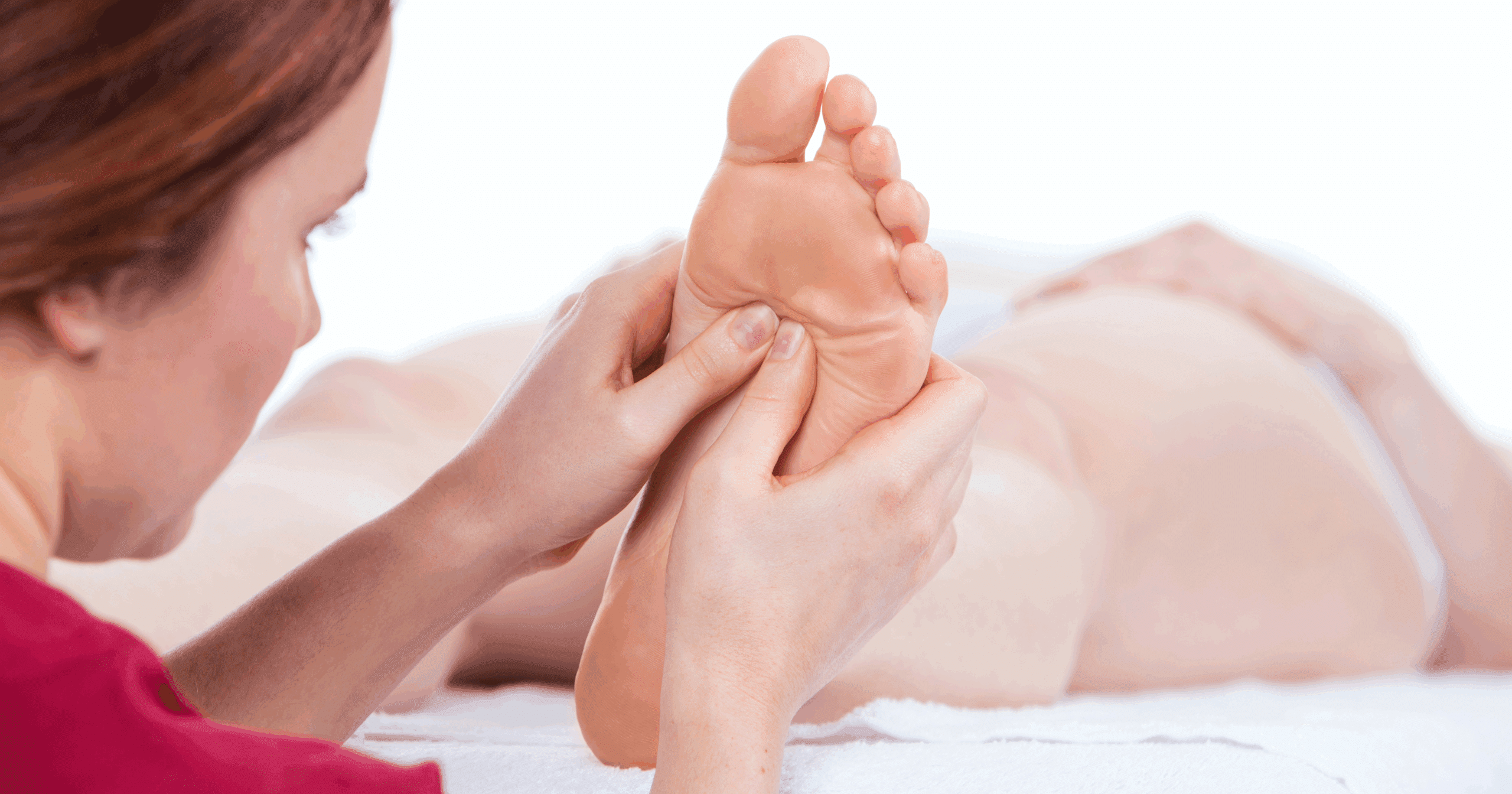
Foot health is important for overall well-being. Reflexology is a practice that focuses on this. It uses pressure on specific points in the feet. Many people find relief from foot pain through reflexology. This method may help with conditions like plantar fasciitis. Understanding how reflexology works can show its benefits.
Reflexology tools are designed to apply this pressure more easily. They can reach hard-to-touch spots on the feet. Using these tools can improve foot health and reduce pain.
What Is Reflexology?
Reflexology is a therapy that uses foot pressure points. These points connect to different body parts. Pressing them helps balance energy and improve health. The practice dates back thousands of years. It is simple, non-invasive, and relaxing. Many use reflexology to reduce stress and pain.
How Reflexology Targets Feet
The feet have many nerves linked to organs and muscles. Reflexologists press specific areas to affect these parts. Each spot on the foot relates to a body section. Stimulating these points can improve blood flow and reduce tension. Tools like rollers and sticks help apply steady pressure.
Benefits For Foot Pain
Reflexology can ease foot pain by reducing inflammation. It helps relax tight muscles and improve circulation. Many with plantar fasciitis find less discomfort after sessions. Reflexology also promotes faster healing. Using reflexology tools can make treatment more consistent. It supports regular foot care and pain relief.
Types Of Reflexology Tools
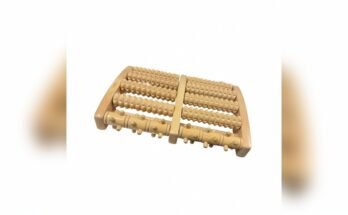
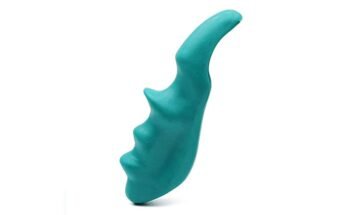
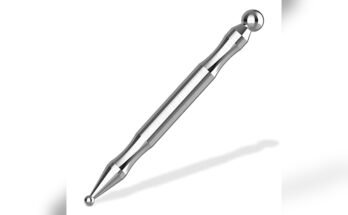
Reflexology tools come in many shapes and sizes. Each tool offers unique benefits for foot care. These tools can help ease pain and improve circulation. People with plantar fasciitis often find relief using them. Below are common types of reflexology tools.
Massage Rollers
Massage rollers are simple and effective. They have a textured surface that massages the foot. Rolling your foot over them helps relax muscles. They increase blood flow and reduce tension. Many users find them easy to use at home.
Pressure Sticks
Pressure sticks target specific spots on the foot. They have a pointed end for precise pressure. Using them can relieve tight areas and knots. They allow control over the pressure applied. Many reflexologists use these for focused treatment.
Acupressure Mats
Acupressure mats have many small spikes that stimulate the foot. Standing or pressing feet on them triggers nerve endings. This can reduce pain and boost circulation. They cover a large area of the foot at once. Users often feel relaxed after using them.
Foot Spikes And Balls
Foot spikes and balls offer deep tissue massage. Spikes are small and firm for intense pressure. Balls are round and help with rolling motions. Both improve flexibility and reduce foot pain. They are portable and easy to carry.

Using Reflexology Tools For Relief
Using reflexology tools can offer gentle relief for plantar fasciitis pain. These tools help apply pressure to specific foot points. This may reduce tension and improve blood flow. Reflexology tools allow self-care at home, making it easy to manage discomfort. Regular use can support healing and ease stiffness in the foot.
Effective Techniques
Start by warming up your feet with gentle rubbing. Use a wooden stick or roller to press along the foot arch. Roll the tool slowly back and forth to massage the area. Apply steady but gentle pressure to avoid pain. Focus on areas that feel tight or sore.
Targeting Plantar Fascia
Focus on the arch of your foot where the plantar fascia is located. Use the tool to press from the heel toward the toes. Target spots that feel tender or hard. This helps relax the fascia and release built-up tension. Avoid pressing directly on the heel bone to prevent pain.
Recommended Session Duration
Begin with short sessions of five to ten minutes. Gradually increase to about 15 minutes per session. Use the tools daily or every other day for best results. Stop if you feel sharp pain or discomfort. Consistency helps improve foot flexibility and reduces pain over time.
Supporting Treatments For Plantar Fasciitis
Supporting treatments for plantar fasciitis can ease pain and speed healing. These treatments work well alongside reflexology tools. They help reduce inflammation and improve foot strength. Combining methods offers better relief and comfort.
Stretching Exercises
Stretching exercises target the plantar fascia and calf muscles. Gentle stretches improve flexibility and reduce tension. Simple routines done daily can lessen pain. Tight muscles often worsen plantar fasciitis symptoms. Regular stretching supports healing and prevents future issues.
Proper Footwear
Wearing proper footwear is vital for foot health. Shoes with good arch support reduce strain on the plantar fascia. Cushioned soles absorb shock from walking or running. Avoid flat shoes or high heels that increase pressure. Comfortable footwear helps protect the feet during activity.
Ice And Heat Therapy
Ice therapy reduces swelling and numbs pain. Apply ice packs for 15 minutes after activity. Heat therapy relaxes tight muscles and improves blood flow. Use warm packs before stretching or exercise. Alternating ice and heat supports recovery and soothes discomfort.
Orthotics And Supports
Orthotics provide extra arch support inside shoes. They help distribute pressure evenly across the foot. Custom or over-the-counter inserts can relieve plantar fascia stress. Foot supports stabilize the heel and reduce strain. These tools improve foot alignment and comfort.
Safety Tips And Precautions
Using reflexology tools for plantar fasciitis can bring relief but requires care. Safety is key to avoid more pain or injury. Follow some simple tips to protect your feet and get the best results.
When To Avoid Reflexology Tools
Do not use reflexology tools on open wounds or sores. Avoid if you have infections, swelling, or skin problems on your feet. Stop using tools if pain gets worse or new pain appears. Avoid tools after surgery until fully healed. Do not use on broken bones or severe foot injuries.
Consulting Healthcare Professionals
Talk to your doctor before starting reflexology for plantar fasciitis. A healthcare professional can confirm if reflexology is safe for you. They can also suggest the best treatment plan. Share any foot problems or health conditions you have. Professional advice helps avoid risks and improve healing.
Managing Discomfort
Start gently and use light pressure with reflexology tools. Stop if you feel sharp pain or strong discomfort. Take breaks during sessions to relax your feet. Use ice or rest if your feet feel sore after use. Listen to your body and adjust the pressure and duration.
Real User Experiences
Real user experiences provide valuable insights into the effectiveness of reflexology tools for plantar fasciitis. These stories help us understand how others manage pain and improve foot health. Users share both successes and challenges, offering practical tips for beginners and regular users.
Success Stories
Many users report reduced pain after consistent use of reflexology tools. Some notice less stiffness in their feet within weeks. Others find that using the tools daily helps prevent flare-ups. Several people mention better sleep due to less foot discomfort. These success stories show that reflexology tools can ease plantar fasciitis symptoms.
Common Challenges
Some users face initial discomfort while using reflexology tools. The foot may feel sore after the first few sessions. Finding the right pressure and technique can be tricky at first. A few users mention difficulty using tools alone on certain foot areas. Consistency is also a challenge for some, as relief builds over time.
Tips From Users
Start slowly with light pressure and short sessions. Use a soft tool or cover hard tools with a cloth to reduce discomfort. Focus on the arch and heel, where plantar fasciitis pain is common. Apply reflexology tools after warming up the feet with a warm towel. Use reflexology tools alongside stretching and proper footwear for best results.

Frequently Asked Questions
Can Reflexology Tools Relieve Plantar Fasciitis Pain?
Yes, reflexology tools can help reduce plantar fasciitis pain. They stimulate pressure points on the foot, improving circulation and easing tension. Regular use may promote healing and provide pain relief, complementing other treatments like stretching and rest.
How Do Reflexology Tools Work For Plantar Fasciitis?
Reflexology tools apply targeted pressure to foot zones linked to the plantar fascia. This boosts blood flow and relaxes tight muscles. Consistent use helps reduce inflammation, alleviates discomfort, and supports natural tissue repair in the affected heel area.
Are Reflexology Tools Safe For Plantar Fasciitis?
Reflexology tools are generally safe for plantar fasciitis when used properly. Start gently to avoid aggravating the condition. Consult a healthcare professional if pain worsens or if you have underlying foot issues before beginning reflexology.
How Often Should I Use Reflexology Tools For Relief?
Using reflexology tools daily for 5-10 minutes can offer consistent relief. Regular sessions encourage muscle relaxation and pain reduction. Avoid overuse to prevent irritation, and combine with stretching exercises for best results.
Conclusion
Reflexology tools may ease pain from plantar fasciitis. They help by applying pressure to key foot areas. Using these tools regularly can improve blood flow and reduce tension. Many people find relief and better foot comfort this way. Always combine tools with rest and proper footwear.
Consult a healthcare professional for persistent pain. Trying reflexology tools might be worth considering for your foot care. Small steps can lead to big comfort changes.