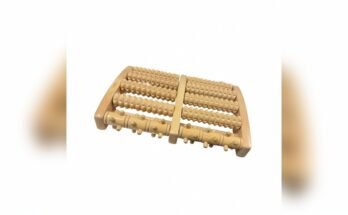
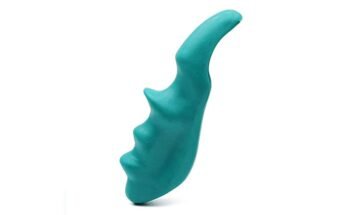
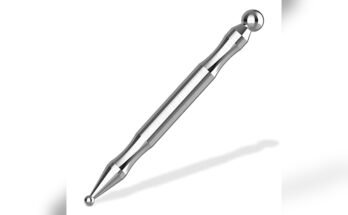
Have you ever wondered if wooden reflexology tools might work better for your body than plastic ones? Choosing the right tool can make a big difference in how effective your reflexology sessions feel.
You want something that not only lasts but also feels natural and comfortable in your hand. You’ll discover the key differences between wooden and plastic tools, and why one might be a smarter choice for your health and well-being. Keep reading—your feet and hands will thank you.
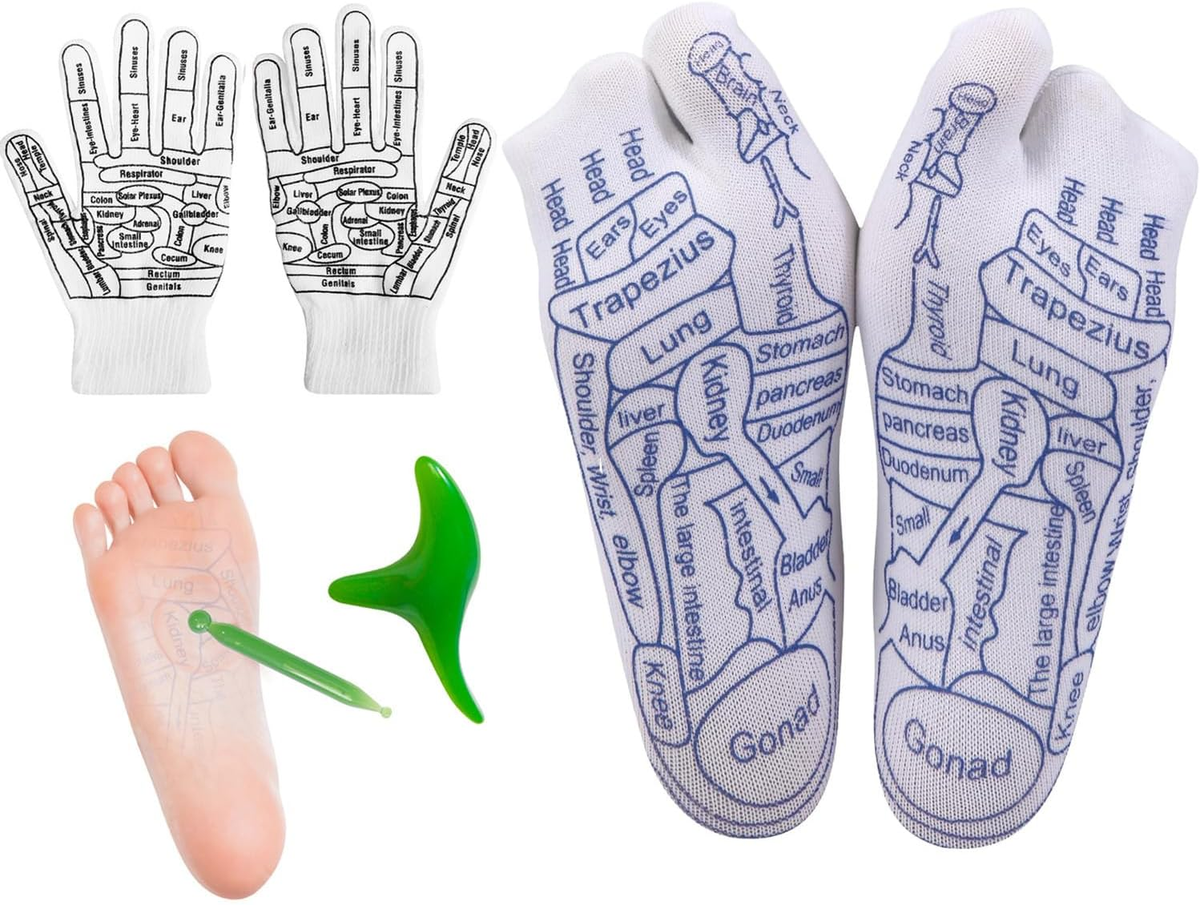
Benefits Of Wooden Tools
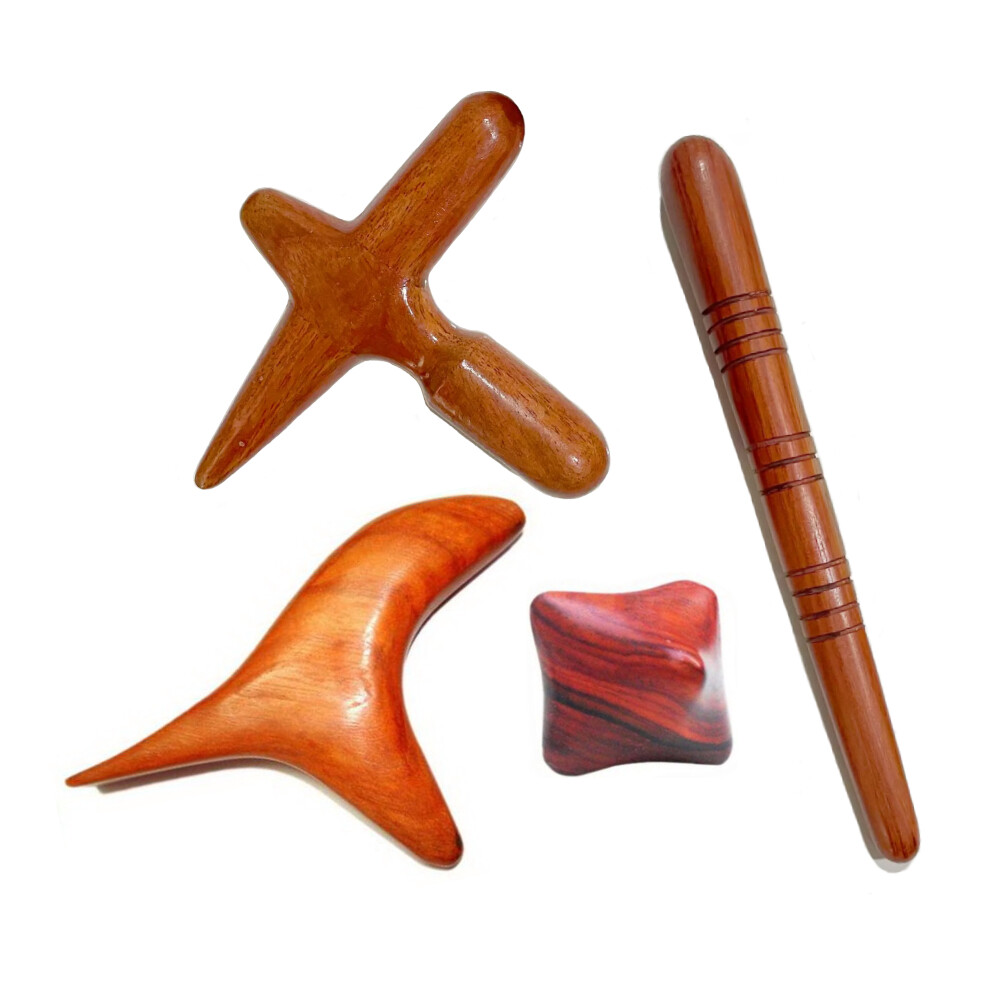
Wooden reflexology tools offer several benefits that enhance the massage experience. They feel comfortable in the hand and on the skin. These tools bring natural warmth and a smooth touch to every session. Many prefer wooden tools for their unique qualities that plastic ones lack.
Natural Material Advantages
Wood is a natural material that feels warm and gentle. It does not cause skin irritation or allergies. This makes wooden tools safe for all skin types. The natural texture helps therapists control pressure better. Wooden tools offer a soothing experience for both user and client.
Durability And Longevity
Wooden tools are strong and last a long time. They resist wear and tear better than plastic. With proper care, wooden tools stay smooth and effective. They do not crack or break easily. This makes them a reliable choice for regular use.
Eco-friendliness
Wood is biodegradable and easy to recycle. Using wooden tools reduces plastic waste and pollution. They come from renewable resources and have a smaller carbon footprint. Choosing wood supports a healthier environment. It aligns well with sustainable living values.
Aesthetic Appeal
Wooden tools look natural and elegant. They have unique grains and colors that add charm. This beauty creates a calm and inviting atmosphere. Wooden tools enhance the overall massage experience visually. They bring a touch of nature into any setting.

Advantages Of Plastic Tools
Plastic reflexology tools offer several benefits that make them popular among users. Their unique features suit many needs and preferences. Understanding these advantages helps in choosing the right tool for effective reflexology therapy.
Cost-effectiveness
Plastic tools usually cost less than wooden ones. This makes them affordable for many people. You can buy more tools without spending much money. This is great for beginners or those on a budget.
Lightweight Design
Plastic tools are light and easy to hold. They reduce hand fatigue during long sessions. This makes reflexology more comfortable and enjoyable. Users can focus more on therapy without strain.
Variety Of Shapes And Sizes
Plastic can be molded into many shapes and sizes. This variety suits different reflexology techniques. You can find tools for precise pressure or broad strokes. This flexibility helps target specific areas effectively.
Ease Of Cleaning
Plastic tools are simple to clean and sanitize. They resist water and soap well. This keeps them hygienic and safe to use. Quick cleaning saves time and effort after each session.
Comparing Effectiveness
Comparing the effectiveness of wooden and plastic reflexology tools helps you choose the right option. Both materials serve the basic purpose, but their feel and function vary. Understanding these differences can improve your reflexology experience.
Pressure And Sensation
Wooden tools offer a natural feel against the skin. They deliver firm and steady pressure without slipping. Plastic tools sometimes feel harder and colder. This can make the pressure seem sharp or uneven. Wood warms up with use, giving a more soothing sensation.
Comfort During Use
Wooden tools are lightweight and smooth, making them easy to hold. They reduce hand fatigue during long sessions. Plastic tools can be slippery, especially with lotion or oil. This may cause discomfort or less control. The texture of wood fits comfortably in your hand.
Suitability For Different Techniques
Wooden tools work well for both gentle and deep pressure techniques. Their shape often fits various reflex points easily. Plastic tools can be rigid, limiting their use in delicate areas. Some plastic shapes are less adaptable to different foot contours. Wood adjusts better to diverse reflexology methods.
Maintenance And Care
Proper maintenance and care extend the life of reflexology tools. Clean tools work better and feel nicer on your skin. Each material needs a different care method to stay in good shape. Wooden and plastic tools both need regular cleaning and safe storage. This keeps them safe from damage and germs.
Cleaning Wooden Tools
Wooden tools need gentle cleaning. Use a soft cloth with warm water and mild soap. Avoid soaking wood in water to stop cracking. Dry the tools fully with a towel after washing. Occasionally, apply a small amount of natural oil. This keeps the wood smooth and prevents drying out.
Cleaning Plastic Tools
Plastic tools are easier to clean. Wash them with warm water and soap. You can rinse plastic tools under running water. Dry them with a clean cloth or air dry. Avoid harsh chemicals that can damage plastic. Regular cleaning stops germs from building up.
Storage Tips
Store tools in a dry, cool place. Keep wooden tools away from direct sunlight. Use a soft pouch or box to avoid scratches. Avoid storing tools in damp areas to stop mold. Organize tools so they don’t hit each other. Proper storage keeps tools safe and ready to use.
Environmental Impact
Choosing between wooden and plastic reflexology tools affects the environment. Understanding their environmental impact helps make better decisions. This section explores how wood and plastic compare in sustainability and waste.
Sustainability Of Wood
Wood is a natural, renewable resource. Trees grow back after harvesting, making wood sustainable. Many wooden tools come from responsibly managed forests. These forests follow rules to protect nature and wildlife. Wooden tools break down naturally after use. They do not leave harmful chemicals behind. Using wooden tools supports eco-friendly practices.
Plastic Waste Concerns
Plastic is made from fossil fuels and takes centuries to break down. Plastic reflexology tools often end up in landfills or oceans. They release toxins that harm animals and plants. Recycling plastic is difficult and not always done. Plastic waste builds up and pollutes the planet. Choosing plastic tools adds to this growing problem.
User Preferences And Feedback
User preferences and feedback offer clear insights into the choice between wooden and plastic reflexology tools. Both types have fans, but their reasons differ. Understanding these opinions helps buyers pick the right tool for their needs.
Professional Reflexologists’ Opinions
Many professional reflexologists prefer wooden tools. They say wood feels warmer and more natural on the skin. The texture of wood helps them control pressure easily. Some mention wood lasts longer and is eco-friendly. A few still use plastic tools for certain treatments. They find plastic tools easier to clean and lighter to hold. Most agree the choice depends on the type of massage and client comfort.
Customer Reviews And Experiences
Customers often share mixed feelings about both tools. Wooden tools get praise for comfort and natural look. Users say wood feels gentle and soothing during sessions. Plastic tools get points for being affordable and simple to use. Some customers find plastic tools less smooth and harder on the skin. Many buyers appreciate wooden tools’ durability over time. Overall, users recommend trying both before deciding.
Choosing The Right Tool
Choosing the right reflexology tool can change your experience. The material affects comfort, durability, and effectiveness. Wooden and plastic tools each have unique qualities. Knowing these helps you pick the best one for your needs.
Factors To Consider
Think about the tool’s weight and texture. Wooden tools often feel warm and smooth. Plastic tools can be lighter and firmer. Also, check how easy the tool is to clean. Durability matters if you plan to use it often.
Matching Tools To Needs
Choose a tool that fits your treatment style. Wooden tools work well for gentle, relaxing pressure. Plastic tools suit stronger, targeted massage. Consider your hand size and grip too. Comfort during use helps maintain good technique.
Budget Considerations
Wooden tools usually cost more but last longer. Plastic tools can be cheaper and replaceable. Think about how often you will use the tool. Spending a bit more may save money over time. Balance quality with what you can afford.
Frequently Asked Questions
Are Wooden Reflexology Tools More Durable Than Plastic?
Wooden reflexology tools tend to be more durable due to natural strength. They resist wear and tear better than plastic. Proper care extends their lifespan significantly. Plastic tools can break or crack easily over time.
Do Wooden Tools Provide Better Grip For Reflexology?
Yes, wooden tools usually offer a better grip. Their natural texture prevents slipping during use. This enhances precision and control in reflexology sessions. Plastic tools can feel slippery, especially if hands are oily or wet.
Are Wooden Reflexology Tools Eco-friendly Compared To Plastic?
Wooden tools are more eco-friendly as they are biodegradable and renewable. Plastic tools contribute to pollution and take longer to decompose. Choosing wooden tools supports sustainability and reduces environmental impact in therapy practices.
Is The Massage Experience Different With Wooden Versus Plastic Tools?
Wooden tools often provide a warmer, more natural feel on the skin. Plastic tools can feel colder and less soothing. The tactile experience with wood enhances relaxation and comfort during reflexology sessions.
Conclusion
Wooden reflexology tools often feel warmer and more natural. They last longer and offer a better grip. Plastic tools can be lighter and cheaper but may wear out fast. Choosing the right tool depends on your needs and budget. Many people prefer wood for its comfort and durability.
Try both types to find what suits you best. The right tool makes reflexology more relaxing and effective.