Have you ever wondered how often you should use reflexology tools to get the best results? If you want to relieve stress, improve circulation, or boost your energy, using these tools the right way can make all the difference.
But using them too little might not bring the benefits you’re after, while overdoing it could cause discomfort. You’ll discover exactly how often to use reflexology tools so you can enjoy maximum relief and feel your best every day. Keep reading to unlock the secret to a healthier, happier you.
Benefits Of Reflexology Tools
Reflexology tools help you apply pressure on specific points of your feet or hands. This pressure can improve your overall health and well-being. Using these tools regularly can bring many benefits.
They make reflexology easier and more effective. Tools can reach areas that are hard to press with fingers alone. They also offer consistent pressure, which helps in better stimulation.
Improves Blood Circulation
Reflexology tools help increase blood flow in your feet and hands. Better circulation means your body gets more oxygen and nutrients. This can help reduce swelling and tiredness.
Reduces Stress And Anxiety
Using reflexology tools helps relax your body and mind. It lowers stress levels by calming your nervous system. This can improve your mood and help you sleep better.
Eases Pain And Discomfort
Reflexology tools can reduce pain in different parts of your body. Applying pressure on reflex points helps release tension. This can relieve headaches, muscle pain, and joint discomfort.
Boosts Energy Levels
Regular use of reflexology tools can increase your energy. Stimulating certain points helps your body work better. You may feel more awake and active throughout the day.
Supports Detoxification
Reflexology tools help your body remove toxins. Better circulation and lymph flow aid natural cleansing. This supports your immune system and overall health.
Types Of Reflexology Tools
Reflexology tools help target specific points on your feet and hands. They make it easier to apply pressure and relieve tension. Different tools suit different needs and preferences. Choosing the right tool can improve your reflexology experience.
Wooden Reflexology Sticks
Wooden sticks are common in reflexology. They have smooth, rounded tips for gentle pressure. They help reach small, precise areas on your feet. They are easy to hold and control during use.
Massage Balls
Massage balls come in various sizes and textures. Rolling a ball under your foot stimulates many reflex points. The pressure varies with the ball’s firmness. Soft balls offer gentler massage, while hard balls give deeper relief.
Foot Rollers
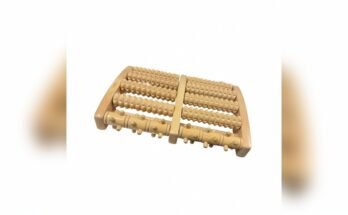
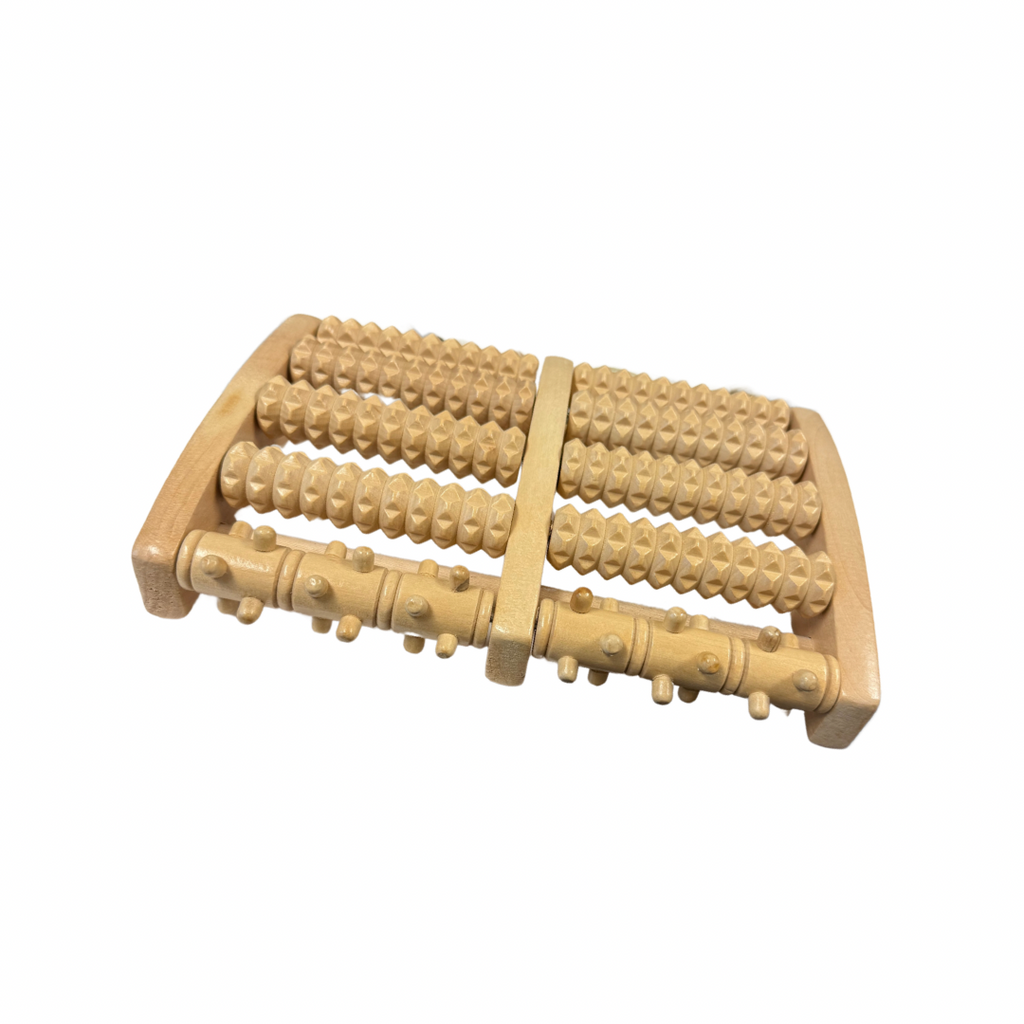
Foot rollers are shaped to fit under your foot. They have ridges or bumps to massage the soles. Rolling your foot back and forth activates different zones. They are ideal for relaxing tired feet after a long day.
Metal Reflexology Tools
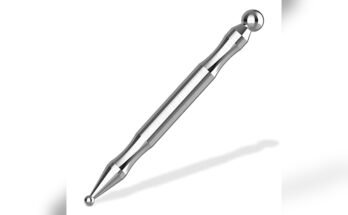
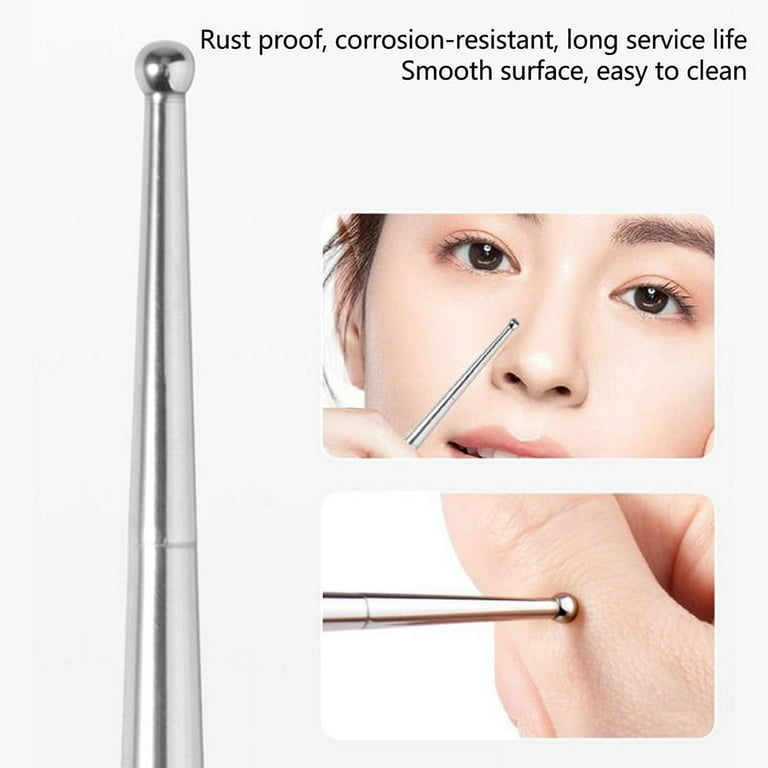
Metal tools provide firm and precise pressure. They often have pointed ends to target small spots. Metal tools are durable and easy to clean. Use them with care to avoid discomfort or injury.
Plastic Reflexology Tools
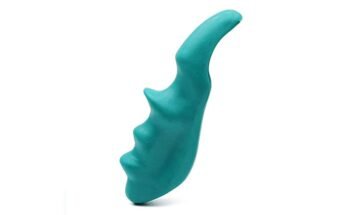
Plastic tools are lightweight and affordable. They come in various shapes like sticks, rollers, or probes. Their smooth surface offers moderate pressure. They suit beginners or those with sensitive skin.
Daily Use Recommendations
Using reflexology tools every day can improve your overall well-being. It helps relax your feet and hands. Daily use also supports better blood flow and reduces stress. To get the best results, balance your sessions between morning and evening. This routine fits easily into your daily life.
Morning Sessions
Start your day with a short reflexology session. Spend five to ten minutes using the tools on your feet or hands. Focus on areas that feel tense or sore. Morning sessions boost your energy and prepare your body for the day. Use gentle pressure to avoid any discomfort.
Evening Sessions
Evening sessions help you unwind after a busy day. Spend ten to fifteen minutes with your reflexology tools. Target points that relieve stress and promote relaxation. This routine can improve your sleep quality. Use slow, calming movements to soothe your body before bed.
Weekly Use Guidelines
Using reflexology tools regularly helps improve foot health and relax the body. Weekly use is a good way to build a habit. It lets your body adjust without feeling sore or tired. The right frequency depends on your experience with reflexology tools.
Below are simple guidelines for how often to use these tools each week. Follow these tips to get the best results safely.
Frequency For Beginners
Start slowly if you are new to reflexology tools. Use them one or two times per week. Each session should last about 10 to 15 minutes. This helps your feet get used to the pressure and sensation. Watch for any discomfort or pain. If you feel pain, reduce the frequency or pressure. Beginners must allow time to recover between sessions.
Frequency For Experienced Users
Experienced users can use reflexology tools more often. Three to four times per week is ideal. Sessions can last 15 to 20 minutes. Your feet will be stronger and more used to the stimulation. You can apply more pressure safely. Still, listen to your body and avoid overdoing it. Rest days remain important to prevent soreness.
Signs To Adjust Usage
Using reflexology tools can bring great benefits to your body and mind. Still, it is important to watch for signs that show you need to change how often you use them. Your body gives clues when the usage is too much or too little. Paying attention helps you avoid discomfort and get the best results.
Overuse Symptoms
Feeling soreness or pain after using reflexology tools is a clear sign of overuse. Redness or swelling on the skin also shows too much pressure. Tiredness or headaches after a session can mean your body needs less stimulation. These symptoms warn you to reduce the time or frequency of use. Ignoring them may cause harm instead of healing.
When To Take Breaks
Take breaks if you notice any discomfort or unusual feelings. Rest days allow your body to recover and balance. Short pauses between sessions prevent strain and help maintain benefits. Adjust your schedule to avoid daily use if signs of overuse appear. Listening to your body ensures safe and effective reflexology practice.
Factors Influencing Frequency
How often you use reflexology tools depends on several factors. These factors guide you to use the tools safely and effectively. Understanding them helps avoid discomfort and improve benefits. Frequency varies from person to person and situation to situation.
Health Conditions
Your health plays a big role in deciding tool use frequency. Some conditions need gentle, less frequent sessions. For example, sensitive skin or inflammation means using tools less often. Chronic pain or stress may require more regular use. Always consider how your body reacts after each session. Adjust frequency based on comfort and any advice from health professionals.
Tool Type And Intensity
Different reflexology tools offer different pressures and effects. Softer tools may be used more often without risk. Harder or sharper tools need less frequent use to prevent soreness. Intensity affects how long and often you should use the tool. Start with gentle pressure and increase slowly. Watch how your body responds to avoid overuse and pain.
Tips For Safe Reflexology Practice
Using reflexology tools safely helps you get the best results. It also stops any harm to your body. Following simple tips keeps your reflexology practice safe and effective.
These tips help you avoid pain and injury. They make your reflexology sessions relaxing and helpful. Here are some important points to remember.
Choose The Right Tool For Your Needs
Select tools that fit your foot size and pressure comfort. Different tools offer different pressure levels. Pick one that feels good and does not cause pain.
Start Gently And Increase Pressure Slowly
Begin with light pressure to let your feet adjust. Increase pressure little by little as your comfort grows. Avoid pressing too hard to prevent bruises or soreness.
Limit Session Time To Avoid Overuse
Keep sessions short, about 10 to 15 minutes per foot. Overusing tools can cause discomfort or skin irritation. Rest your feet between sessions for better healing.
Clean Tools After Every Use
Wash your reflexology tools with warm water and soap. Cleaning stops bacteria growth and prevents infections. Dry tools well before storing them in a clean place.
Avoid Reflexology On Injured Or Swollen Areas
Do not use tools on cuts, bruises, or swollen parts. Pressure on injured areas can make pain worse. Wait until your feet heal before using the tools again.

Frequently Asked Questions
How Often Should Beginners Use Reflexology Tools?
Beginners should start using reflexology tools 2-3 times per week. This frequency allows your body to adapt gently. Gradually, you can increase usage based on comfort and results. Consistency is key for effective reflexology benefits.
Can Daily Use Of Reflexology Tools Be Harmful?
Daily use is generally safe if done gently. Overuse or applying too much pressure may cause soreness. Listen to your body and adjust frequency accordingly. Rest days help your muscles and skin recover effectively.
How Long Should Each Reflexology Session Last?
Sessions typically last 10-20 minutes per foot or hand. Short, focused sessions prevent discomfort and maximize benefits. Adjust session length based on your schedule and sensitivity. Regular short sessions often yield better results than infrequent long ones.
When Is The Best Time To Use Reflexology Tools?
Morning or evening sessions work best for most people. Use tools when you feel relaxed and can focus. Avoid reflexology immediately after heavy meals or intense workouts. Consistency in timing helps establish a beneficial routine.
Conclusion
Using reflexology tools regularly can help improve your well-being. Start with a few times a week and see how your body feels. Pay attention to any discomfort and adjust your routine. Consistency matters more than intensity. Small, gentle sessions can bring good results over time.
Remember, each person is different, so find what works best for you. Enjoy the process and take care of your feet and hands. Reflexology tools can support relaxation and reduce stress when used wisely. Keep it simple and listen to your body’s signals.