Are headaches slowing you down and making it hard to focus? You’re not alone, and finding relief can sometimes feel frustrating.
What if there was a simple, natural way to ease your pain right at home? Reflexology tools might be the answer you’ve been searching for. These small devices target specific points on your hands and feet that connect to your head, helping to reduce tension and discomfort.
Curious how they work and if they really can help your headaches? Keep reading to discover how reflexology tools could become your new secret weapon against headaches.

How Reflexology Targets Headaches
Reflexology offers a unique approach to easing headaches by focusing on specific points on the feet, hands, and ears. These points correspond to different parts of the body. Applying pressure to these areas can help reduce headache pain and tension.
This method works by stimulating the nervous system and promoting relaxation. Reflexology tools can make it easier to reach these points with the right amount of pressure. This section explains how reflexology targets headaches and which points are most effective.
Key Pressure Points For Headache Relief
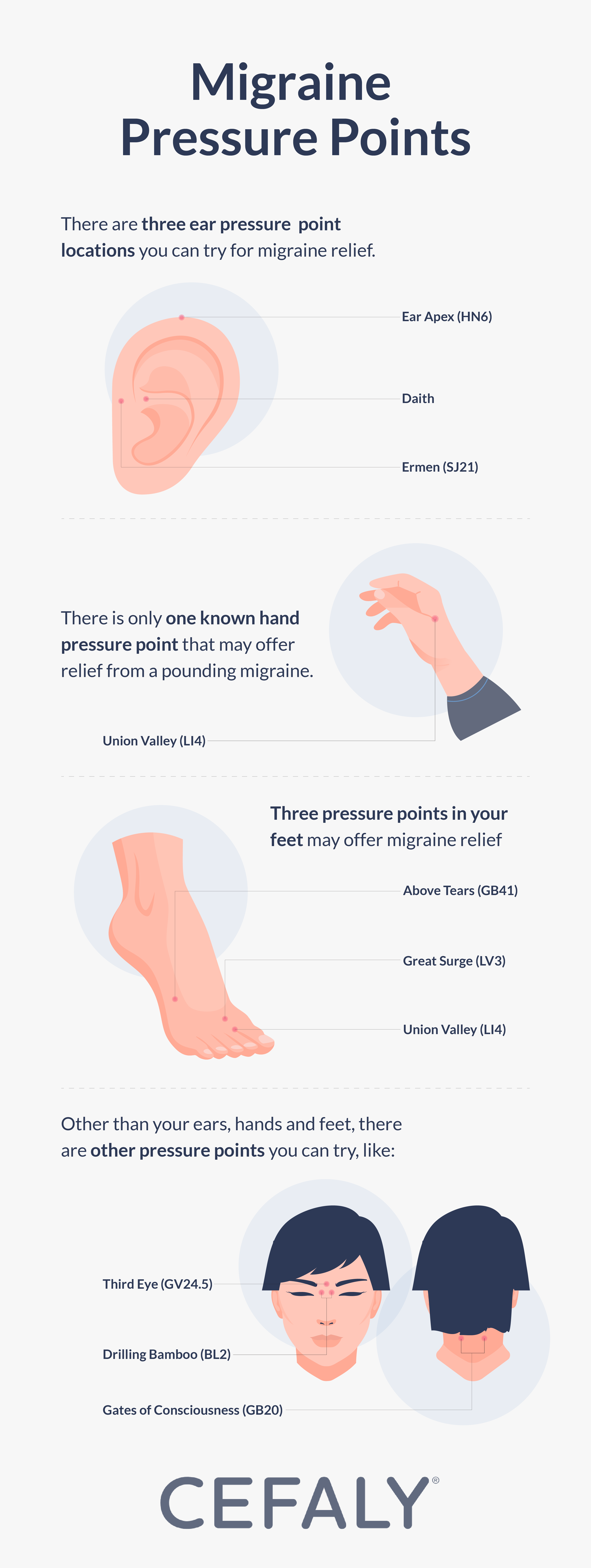
Certain pressure points are known to relieve headache symptoms. The webbing between the thumb and index finger is one. Pressing this area can help ease tension headaches.
The tips of the toes also connect to the head and brain. Applying gentle pressure here can reduce pain. The base of the skull, behind the ears, is another key point. Stimulating these spots often brings quick relief.
Connection Between Reflex Zones And Pain
Reflex zones link parts of the body to specific areas on the feet or hands. Pain in one body part can often be eased by working on its reflex zone.
This connection helps reflexology reduce headache pain without medicine. By activating these zones, reflexology improves blood flow and calms nerves. This process lowers stress and muscle tightness, common headache triggers.
Types Of Reflexology Tools
Reflexology tools come in many shapes and sizes. They help apply pressure on specific points of the feet, hands, or ears. These tools target areas linked to headache relief. Using them can make reflexology easier and more precise. Different tools suit different needs and preferences.
Commonly Used Tools For Headaches
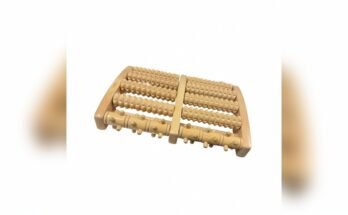
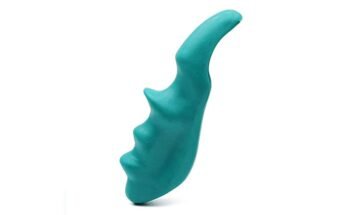
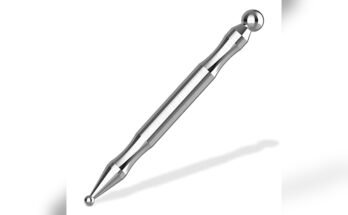
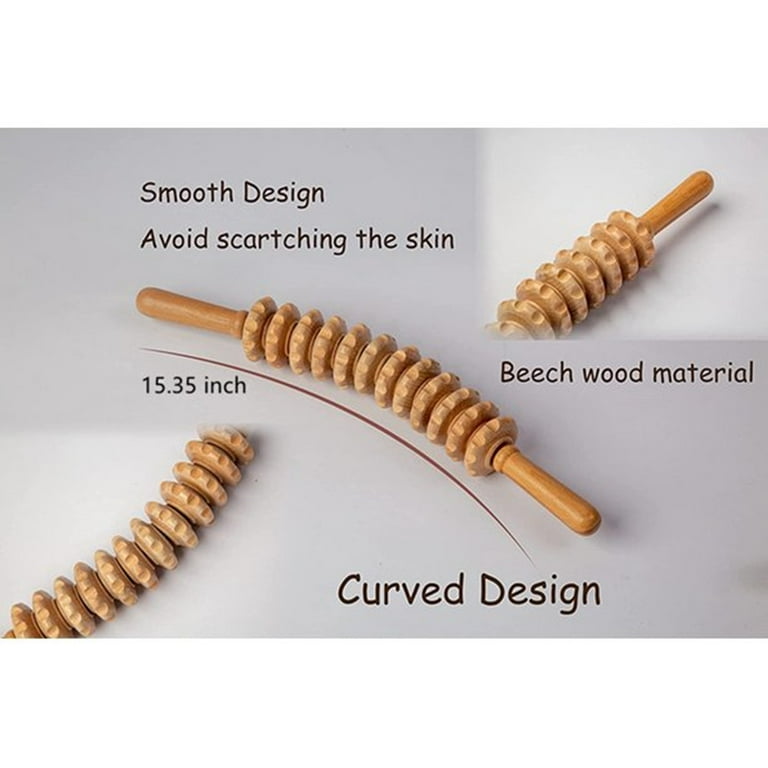
Wooden sticks are popular for pressing reflex points. They come with rounded or pointed ends. Roller balls are small devices that roll over the skin smoothly. They help relax tense muscles and improve blood flow. Thumb and finger tools have soft or hard tips. They offer direct pressure without straining your hands. Some people use rubber or plastic probes with textured surfaces. These provide varied sensations for better stimulation. Reflexology mats with raised bumps are good for self-care. They allow gentle massage by simply stepping on them.
Benefits Of Using Reflexology Tools
Tools help apply steady and focused pressure. They reduce hand fatigue during long sessions. Tools allow reaching small or hard-to-press spots easily. They improve accuracy in targeting headache-related areas. Using tools can increase relaxation and reduce stress. Tools can boost blood circulation and ease muscle tension. They make reflexology accessible to beginners and experts alike. Regular use may help lessen headache frequency and intensity.
Techniques For Using Reflexology Tools
Using reflexology tools can ease headaches by applying pressure to specific points. These tools help you target key areas on your hands or feet. This section explains simple methods to use reflexology tools effectively. It guides you through self-treatment steps and offers tips to get the best results.
Step-by-step Guide To Self-treatment
Choose a comfortable place to sit or lie down. Hold the reflexology tool firmly but not too tight. Find the headache-related points on your hands or feet. Use the tool to press and rub these points gently. Move the tool in small circles or back and forth. Apply pressure for about 1-2 minutes per point. Breathe deeply and relax during the process. Repeat on the other hand or foot. Do this routine once or twice daily for relief.
Tips For Maximizing Effectiveness
Start with light pressure and increase slowly. Keep your hands and feet warm before treatment. Drink water after the session to help flush toxins. Use smooth, steady movements with the tool. Avoid pressing too hard to prevent discomfort. Regular sessions improve headache relief over time. Combine reflexology with deep breathing for extra calm. Stop if you feel pain or discomfort at any time.
Scientific Insights On Reflexology And Headaches
Scientific insights on reflexology and headaches explore how this therapy may ease pain. Reflexology uses pressure on specific points on feet, hands, or ears. These points relate to different body parts. Some believe stimulating these points helps reduce headache symptoms. Research aims to find clear evidence of reflexology’s effects on headaches.
Studies Supporting Reflexology Benefits
Several studies show reflexology may reduce headache frequency and intensity. One study found people with migraines had fewer attacks after reflexology sessions. Another research showed a drop in tension headache pain after reflexology treatment. These studies suggest reflexology can help relax the body and ease pain. It may improve blood flow and reduce muscle tension, which lowers headache discomfort.
Limitations And Considerations
Not all studies agree on reflexology’s benefits for headaches. Some research has small groups or lacks control groups. This makes results less certain. Reflexology should not replace medical treatment for serious headaches. It works best as a complementary therapy. People should consult doctors before starting reflexology. Safety and personal health conditions matter for best results.
Complementary Methods For Headache Relief
Headaches can disrupt daily life and affect focus. Many seek ways to ease pain without strong medicines. Complementary methods offer gentle help alongside main treatments. Reflexology tools stimulate pressure points on the hands and feet. These tools may reduce headache tension and promote relaxation.
Using reflexology tools alone might not fully relieve headaches. Combining them with other therapies often brings better results. Small lifestyle changes also play a big role in preventing headaches. Together, these methods support overall well-being and comfort.
Combining Reflexology With Other Therapies
Reflexology tools work well with massage or acupuncture. Massage loosens tight muscles that cause headache pain. Acupuncture targets specific points to reduce stress and improve blood flow. Using these methods together can enhance pain relief. Some find aromatherapy helpful to calm the mind and body. Each therapy adds a layer of healing and comfort.
Lifestyle Changes To Reduce Headaches
Regular sleep helps the body heal and lowers headache risks. Drinking enough water prevents dehydration headaches. Limiting caffeine and sugary drinks reduces triggers. Managing stress through deep breathing or meditation eases tension headaches. Simple exercises improve blood circulation and reduce stiffness. Healthy habits support reflexology efforts for lasting relief.
Frequently Asked Questions
Can Reflexology Tools Relieve Headache Pain?
Yes, reflexology tools can stimulate pressure points linked to headache relief. They promote better blood flow and reduce tension, easing headache symptoms naturally.
Which Reflexology Points Target Headaches?
Key points include the base of the thumb, temples, and the web between thumb and index finger. Stimulating these may reduce headache intensity.
How Often Should Reflexology Tools Be Used For Headaches?
Using reflexology tools daily or several times a week can provide consistent headache relief. Regular sessions improve overall stress and pain management.
Are Reflexology Tools Safe For Headache Treatment?
Reflexology tools are generally safe when used properly. Avoid excessive pressure and consult a healthcare provider if headaches persist or worsen.
Conclusion
Reflexology tools may offer relief from headaches by targeting pressure points. Many people find gentle massage helps ease tension and pain. These tools are easy to use at home and require little time. Results can vary, so patience is important.
Combining reflexology with healthy habits may improve overall comfort. Give it a try and see how your body responds. Simple steps can sometimes bring surprising relief.