Are you curious about trying Gua Sha but worried it might irritate your sensitive skin? You’re not alone.
Many people with delicate skin wonder if this ancient technique is safe for them. The good news is, understanding how Gua Sha works and how to use it properly can make a big difference. Keep reading to discover whether Gua Sha is right for your skin type, and how to enjoy its benefits without any discomfort.
Your skin deserves the best care, and this guide will help you decide if Gua Sha fits into your routine.
What Is Gua Sha
Gua Sha is an ancient skincare technique from East Asia. It uses a smooth tool to gently scrape the skin. This helps improve blood flow and reduce puffiness. The practice promotes a healthy, glowing complexion naturally.
The tool is usually made from jade or rose quartz. It glides over the skin in soft strokes. These strokes relieve tension and stimulate lymphatic drainage. Many find Gua Sha calming and refreshing for the face.
What Is Gua Sha Used For
Gua Sha aims to boost circulation and relax muscles. It can ease facial tension and reduce wrinkles. The gentle scraping helps clear toxins from the skin. It also supports skin cell renewal for a fresher look.
How Gua Sha Works
The tool presses lightly on the skin. It moves in upward and outward strokes. This motion increases blood flow to the area. It also encourages lymph fluid to drain away. These effects help the skin appear firmer and brighter.
Types Of Gua Sha Tools
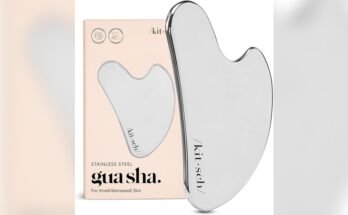
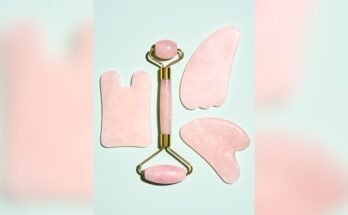
Common tools include flat stones, comb shapes, and heart-shaped pieces. Jade and rose quartz are popular materials. Each stone carries a smooth texture that glides easily. Choosing the right tool depends on personal comfort and skin needs.
How Gua Sha Affects Skin
Gua Sha is a traditional skin treatment using a smooth tool to scrape the skin gently. It helps improve blood flow and encourages lymphatic drainage. These effects can make the skin look brighter and feel softer.
The way Gua Sha works on the skin depends on pressure and technique. Light strokes calm the skin and help relax muscles. Stronger strokes may increase circulation but might irritate sensitive skin.
Improves Blood Circulation
Gua Sha boosts blood flow to the skin surface. This brings oxygen and nutrients to skin cells. Better circulation can help skin repair itself and stay healthy.
Supports Lymphatic Drainage
The tool helps move lymph fluid under the skin. This reduces puffiness and removes toxins. Cleaner skin means fewer chances of breakouts and irritation.
Relaxes Facial Muscles
Gua Sha gently massages muscles under the skin. This releases tension and reduces tightness. Relaxed muscles make the face look smoother and less tired.
Can Cause Mild Redness
Some redness may appear after Gua Sha. This is due to increased blood flow. For sensitive skin, using light pressure reduces redness and discomfort.
Sensitive Skin Challenges
Sensitive skin reacts more quickly to touch and products. It often feels itchy, dry, or red. These signs appear even after mild treatment. Care must be gentle and careful to avoid harm.
People with sensitive skin face many challenges daily. Choosing the right skincare tools and methods is important. Some treatments may cause irritation or worsen the condition.
Sensitivity To Pressure
Applying too much pressure can hurt sensitive skin. It may cause redness or small bruises. Light touch is best for avoiding damage.
Skin Barrier Weakness
Sensitive skin has a fragile barrier. This layer protects against germs and dryness. Weak barriers mean skin loses moisture fast. It also lets irritants enter easily.
Reaction To New Products
Sensitive skin often reacts badly to new products. It can itch, burn, or swell. Testing a product on a small area helps prevent big problems.
Is Gua Sha Safe For Sensitive Skin
Gua Sha is a popular skincare tool that many people love. It helps improve blood flow and reduces puffiness. But is it safe for sensitive skin? Sensitive skin needs gentle care. Using the wrong tool or technique can cause redness or irritation.
Understanding how Gua Sha works can help you decide if it suits your skin type. The tool gently massages the skin to boost circulation. This process may feel slightly uncomfortable but should never hurt or cause damage.
Choosing The Right Gua Sha Tool
Pick a Gua Sha tool made from smooth materials like jade or rose quartz. These stones glide easily over the skin. Avoid rough or sharp edges that can scratch sensitive skin. A flat, curved tool works best for gentle pressure.
Proper Technique For Sensitive Skin
Use light, slow strokes with minimal pressure. Pressing too hard can cause bruises or irritation. Move the tool in one direction, not back and forth. Always apply oil or serum before using Gua Sha to reduce friction.
Signs To Stop Using Gua Sha
Stop immediately if you see redness, swelling, or pain. These signs mean your skin is reacting negatively. If irritation lasts longer than a day, avoid using the tool for a while. Always listen to your skin’s signals.
Choosing The Right Tools
Choosing the right tools is key for sensitive skin during Gua Sha. The wrong tool can cause irritation or redness. The right one feels gentle on your skin. It helps you enjoy the benefits without harm.
Material Matters
Choose tools made from smooth, natural materials. Jade and rose quartz are popular choices. They have a cool, calming feel on skin. Avoid rough or sharp edges to protect delicate skin.
Size And Shape
Select a tool size that fits your face well. Smaller tools work better around the eyes and nose. Larger tools cover cheeks and forehead more easily. Rounded edges prevent scratching or pulling skin.
Weight And Thickness
Lighter tools allow better control and gentle pressure. Thick tools can be heavy and hard to maneuver. Pick a tool that feels comfortable in your hand. Comfort helps you apply just the right touch.

Techniques For Sensitive Skin
Gua Sha can be gentle on sensitive skin with the right methods. Using soft strokes and the right tools helps avoid irritation. These techniques support skin health and comfort during the massage.
Choose The Right Tool
Use a smooth, rounded tool made from jade or rose quartz. Avoid rough or sharp edges to protect delicate skin. Clean the tool well before each use to prevent bacteria.
Apply Gentle Pressure
Press lightly to avoid redness or discomfort. The strokes should feel soothing, not painful. Start with small areas and increase pressure only if skin feels okay.
Use A Soft Facial Oil
Apply a gentle, fragrance-free oil before Gua Sha. This reduces friction and helps the tool glide smoothly. Oils like jojoba or almond are good choices for sensitive skin.
Short, Slow Strokes
Move the tool slowly in short strokes. Follow the natural lines of your face. Avoid going over the same spot repeatedly to prevent irritation.
Avoid Sensitive Areas
Skip areas with broken skin, acne, or strong redness. Focus on calm, healthy skin to avoid flare-ups. Always listen to your skin’s signals during the process.
Products To Pair With Gua Sha
Using the right products with gua sha can improve your experience. These products help the stone glide smoothly on your skin. They also protect sensitive skin from irritation. Choosing gentle, soothing products is important for delicate skin types.
Hydrating Facial Oils
Facial oils provide slip and moisture for gua sha. Look for oils with calming ingredients like jojoba or rosehip. These oils help prevent pulling or tugging on sensitive skin. They also nourish and soothe the skin during massage.
Gentle Serums
Light serums with hyaluronic acid or aloe vera work well. They hydrate without clogging pores or causing redness. Apply a small amount before using the gua sha tool. This keeps your skin soft and ready for massage.
Soothing Moisturizers
Finish with a moisturizer that calms sensitive skin. Products with ceramides or chamomile are good choices. They lock in moisture and reduce inflammation. This step helps maintain skin balance after gua sha.

Common Mistakes To Avoid
Using gua sha on sensitive skin can be helpful if done right. Many people make simple mistakes that cause irritation or redness. Avoiding these errors helps keep your skin calm and healthy.
Here are common mistakes to watch out for when using gua sha on sensitive skin.
Applying Too Much Pressure
Pressing hard can damage delicate skin. Use gentle, light strokes to avoid redness and bruising. Let the tool glide softly over your skin.
Skipping The Moisturizer Or Oil
Dry skin is more likely to get irritated. Always apply a good amount of oil or moisturizer before gua sha. This helps the tool move smoothly and protects your skin.
Using A Dirty Or Rough Tool
Unclean tools can cause infections. Rough edges can scratch skin. Clean your gua sha tool before each use and choose one with smooth edges.
Overdoing The Treatment
Doing gua sha too often stresses the skin. Limit sessions to a few times a week. Give your skin time to recover between treatments.
Ignoring Skin Reactions
Redness or pain should not be ignored. Stop gua sha if your skin feels irritated. Consult a dermatologist if problems persist.
Signs Gua Sha Might Not Suit You
Gua Sha is popular for its skin benefits, but it is not for everyone. Sensitive skin needs care and caution. Some signs show that Gua Sha may not suit your skin type. Watch for these signs to protect your skin health.
Ignoring these signs can cause irritation or damage. Knowing your skin’s reaction helps you decide if Gua Sha is right for you.
Redness That Lasts Longer Than Usual
Some redness is normal after Gua Sha. It should fade within a few minutes. If redness stays for hours or days, your skin might not handle the treatment well. Persistent redness shows your skin is stressed.
Increased Sensitivity Or Pain
Slight discomfort is common during Gua Sha. Sharp pain or burning means your skin is reacting badly. Sensitive skin can become more sensitive or painful. Stop if your skin hurts too much.
Breakouts Or Skin Bumps
New pimples or bumps after Gua Sha are a bad sign. It means the treatment may clog pores or irritate skin. Sensitive skin can react with breakouts. Avoid Gua Sha if this happens.
Dry Or Flaky Skin After Treatment
Skin should feel smooth and hydrated after Gua Sha. Dryness or flakes show your skin barrier is damaged. Sensitive skin can lose moisture easily. Watch for dryness after using Gua Sha tools.
Visible Bruising Or Broken Capillaries
Bruises or broken blood vessels may appear on sensitive skin. Gua Sha uses scraping motions that can harm fragile skin. Visible marks mean the pressure was too strong. Stop using Gua Sha if you see bruises.

Expert Tips For Best Results
Expert tips help you get the best results from Gua Sha. They guide gentle care for sensitive skin. These tips reduce irritation and improve skin health. Follow these simple steps for a safe and soothing experience.
Choose The Right Tool
Select a smooth, soft-edged Gua Sha tool. Avoid rough or sharp edges that can hurt skin. Jade or rose quartz tools work well for sensitive skin. Clean the tool before each use to stop bacteria build-up.
Use Gentle Pressure
Apply light pressure during each stroke. Pressing too hard can cause redness or bruising. Let the tool glide softly over your skin. This helps improve blood flow without damage.
Apply A Hydrating Oil Or Serum
Use a gentle, fragrance-free oil or serum before Gua Sha. This helps the tool move smoothly. It also protects skin from friction. Choose products made for sensitive skin types.
Limit Frequency
Start with 2-3 sessions per week. Watch how your skin reacts after each use. Too much Gua Sha may cause irritation. Adjust frequency based on your skin’s response.
Follow A Clean Routine
Clean your face before and after Gua Sha. Use mild cleansers suited for sensitive skin. This keeps pores clear and reduces breakouts. Also, sanitize your Gua Sha tool regularly.
Frequently Asked Questions
Is Gua Sha Safe For Sensitive Skin Types?
Gua Sha can be safe for sensitive skin if done gently. Use a smooth tool and light pressure. Avoid harsh scraping to prevent irritation and redness.
How Often Can Sensitive Skin Use Gua Sha?
Sensitive skin should limit Gua Sha to 1-2 times per week. This frequency helps avoid over-stimulation and allows skin to heal properly.
What Are The Best Gua Sha Tools For Sensitive Skin?
Choose tools made from smooth materials like jade or rose quartz. Rounded edges and a gentle curve reduce the risk of skin damage.
Can Gua Sha Cause Irritation On Sensitive Skin?
Yes, aggressive or improper technique can cause irritation. Always apply a nourishing facial oil to reduce friction and protect delicate skin during the massage.
Conclusion
Gua Sha can be gentle if done with care on sensitive skin. Always use light pressure to avoid irritation. Choose smooth tools and clean them before use. Test on a small skin area first. Stop if redness or discomfort appears.
Regular moisturizing helps keep skin calm. This simple ritual may improve blood flow and skin texture. Patience and consistency matter most. Sensitive skin needs extra attention but can still benefit from Gua Sha. Try it slowly and listen to your skin’s response.