Are you struggling to improve your flexibility despite stretching regularly? What if a simple tool could help you unlock tighter muscles and move more freely?
Massage balls might be the secret weapon you haven’t tried yet. They target deep muscle knots and increase blood flow, making your body more pliable. You’ll discover how massage balls work, why they could be a game-changer for your flexibility, and how to use them effectively.
Keep reading to find out if this small, affordable tool can make a big difference in your movement and comfort.
How Massage Balls Work
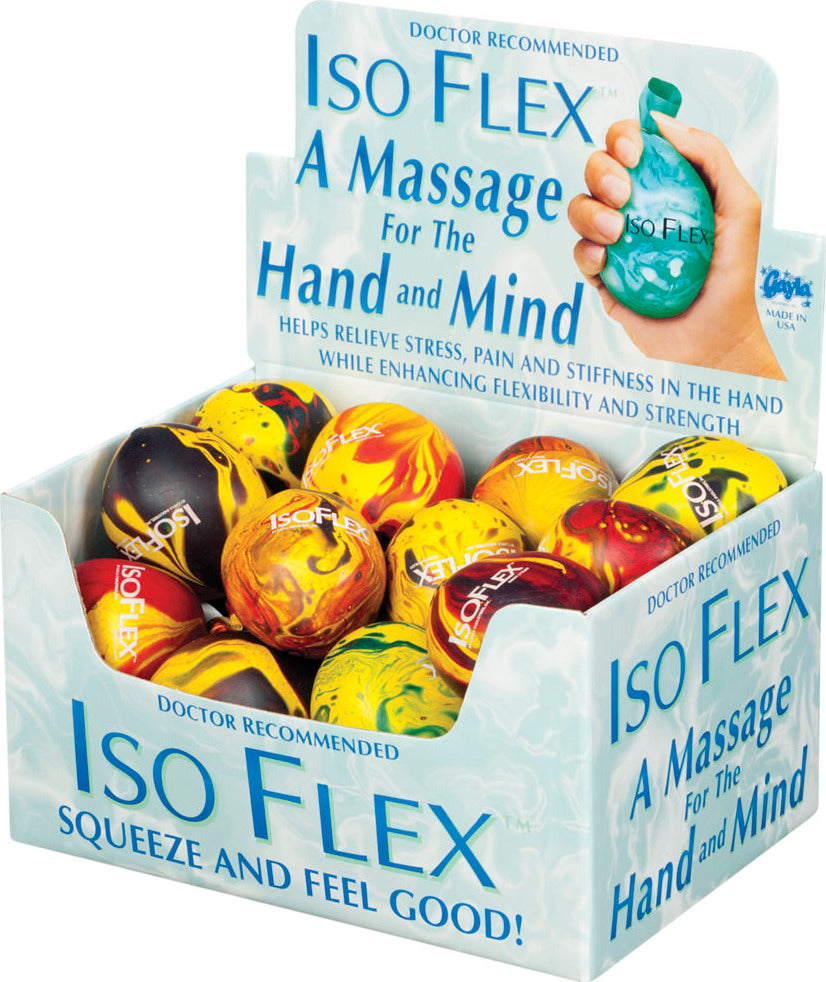
Massage balls work by applying focused pressure to specific areas of the muscles. This pressure helps reduce tightness and improve muscle function. Using massage balls regularly can aid flexibility by loosening stiff muscles and improving movement range.
Targeting Muscle Knots
Muscle knots feel like small, hard bumps under the skin. Massage balls press directly on these knots. This pressure helps break up tight fibers and relax the muscle. Releasing knots reduces pain and stiffness, making muscles more flexible.
Stimulating Blood Flow
Rolling a massage ball over muscles increases blood circulation. Better blood flow delivers oxygen and nutrients to the tissues. This helps muscles heal and stay healthy. Improved circulation also removes waste products that cause soreness.
Enhancing Tissue Mobility
Massage balls improve the sliding movement of muscle fibers and connective tissues. This increased mobility allows muscles to stretch and move more freely. Enhanced tissue mobility reduces stiffness and supports better flexibility during activities.

Benefits For Flexibility
Massage balls offer several benefits for improving flexibility. They target muscles deeply, helping to loosen tight areas. Using massage balls regularly can support better movement and ease in daily activities.
These tools help muscles relax and lengthen. This makes stretching easier and more effective. The benefits go beyond just feeling good—they help your body move better.
Increasing Range Of Motion
Massage balls help increase joint range of motion. They work by releasing tension around joints and muscles. This allows your body to move more freely. Regular use can lead to noticeable improvements in flexibility.
Reducing Muscle Tightness
Tight muscles limit flexibility and cause discomfort. Massage balls apply pressure to knots and tight spots. This pressure helps muscles relax and reduces stiffness. Less tightness means better ease in movement and stretching.
Supporting Recovery
Massage balls aid muscle recovery after exercise or strain. They improve blood flow, which speeds healing. Faster recovery means less soreness and better flexibility. Using massage balls helps keep muscles healthy and ready to move.
Choosing The Right Massage Ball
Choosing the right massage ball is key to improving your flexibility. The right ball targets muscles well and feels comfortable. Different balls suit different needs and body parts. Understanding size, texture, and material helps you pick the best option.
Size And Density Options
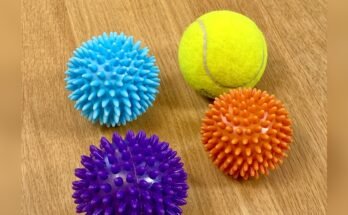
Massage balls come in various sizes. Smaller balls reach tight spots easily. Larger balls cover wider muscle areas. Density matters too. Soft balls offer gentle pressure. Harder balls provide deeper muscle release. Pick a size and density that match your comfort and muscle tension.
Surface Texture Variations
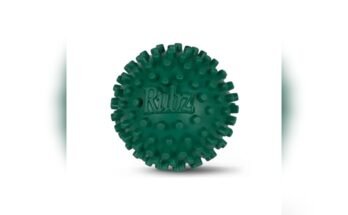
Surface texture affects how a ball feels on your skin. Smooth balls glide easily and suit sensitive areas. Balls with bumps or ridges provide extra massage and grip. Textured balls stimulate blood flow more. Choose texture based on your pain level and massage goals.
Material Considerations
Massage balls use different materials like rubber, foam, or plastic. Rubber balls are durable and firm. Foam balls are soft and gentle. Plastic balls tend to be hard and solid. Material affects how much the ball compresses and how long it lasts. Select a material that fits your massage style and comfort.
Effective Techniques
Massage balls improve flexibility through specific techniques. These methods help release muscle tightness and increase movement range. Using them correctly boosts your body’s ability to stretch and recover faster.
Self-myofascial Release
Self-myofascial release uses pressure on tight muscles with massage balls. Rolling the ball over sore spots eases tension. This technique helps break up knots and improves blood flow. It prepares muscles for stretching and exercise.
Targeting Specific Muscle Groups
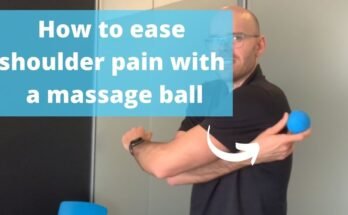
Focus on areas that feel stiff or sore. Common spots include calves, glutes, and shoulders. Apply gentle pressure and roll slowly over these muscles. This direct approach helps muscles relax and lengthen more easily.
Incorporating Into Stretching Routines
Use massage balls before or after stretching. They make muscles softer and more flexible. Spend a few minutes rolling tight areas, then stretch gently. This combination enhances overall flexibility and reduces injury risk.
Precautions And Tips
Massage balls can help improve flexibility, but using them safely is important. Taking precautions ensures you avoid injury and get the best results. Follow simple tips to use massage balls correctly and protect your muscles.
Avoiding Overuse
Do not use massage balls for too long on one area. Overuse can cause muscle soreness and bruises. Limit sessions to a few minutes per spot. Give your muscles time to rest between sessions. Use gentle pressure, especially if you are new to massage balls.
Recognizing When To Stop
Stop using the massage ball if you feel sharp pain or discomfort. Mild soreness is normal, but sharp pain signals a problem. Pay attention to your body’s signals. Avoid using massage balls on swollen or injured areas. If pain lasts after use, take a break and allow healing.
Consulting Healthcare Professionals
Talk to a doctor or physical therapist before starting massage ball exercises. This is important if you have health issues or injuries. Professionals can guide you on safe techniques and proper use. They help tailor massage ball routines to your needs. This reduces risks and improves flexibility effectively.

Comparing Massage Balls To Other Tools
Massage balls are popular for improving flexibility. Many people wonder how they compare to other tools. Each tool works differently on muscles and joints. Choosing the right one depends on your needs and comfort.
Foam Rollers
Foam rollers cover larger muscle areas at once. They help release tightness and improve blood flow. Foam rollers offer broad pressure, which can feel less intense. They are easy to use for warming up or cooling down. However, they might not reach small, tight spots well.
Massage Sticks
Massage sticks provide targeted pressure along muscles. They are great for rolling out tight knots. Sticks allow control over pressure and direction. They are portable and easy to handle. Sticks can be tough on very sore muscles for some users.
Professional Massage
Professional massages offer personalized care by trained therapists. They can find and treat deep muscle tension. Therapists adjust pressure based on your pain and flexibility. Sessions can include stretching and joint mobilization. This option is usually more expensive and less frequent.
Frequently Asked Questions
Do Massage Balls Improve Muscle Flexibility?
Yes, massage balls help improve muscle flexibility by releasing tension. They increase blood flow, reduce stiffness, and promote muscle relaxation. Regular use can enhance range of motion and ease muscle tightness effectively.
How Often Should I Use Massage Balls For Flexibility?
For best results, use massage balls 3-4 times per week. Each session should last 5-10 minutes, focusing on tight muscle areas. Consistent use supports flexibility gains and faster muscle recovery.
Can Massage Balls Reduce Muscle Soreness After Stretching?
Massage balls can reduce muscle soreness by breaking down knots and improving circulation. This helps muscles recover faster and feel less stiff after stretching or exercise.
Are Massage Balls Suitable For All Flexibility Levels?
Yes, massage balls are suitable for beginners and advanced users. You can control pressure and target specific muscles, making them adaptable for all flexibility levels.
Conclusion
Massage balls can help improve your flexibility over time. They ease muscle tightness and reduce stiffness. Using them regularly supports better movement and range. Small, targeted pressure loosens knots and promotes blood flow. They work best when combined with stretching exercises.
Consistency matters more than intensity or time spent. Keep your routine simple and steady for good results. Feeling looser and more flexible is possible with patience. Give your body the care it needs daily. Massage balls are a useful tool, not a quick fix.