Most massage tables are comfortable for clients, but padding, fit, and setup determine real comfort.
I’ve worked with dozens of clients and tested many tables, so I can tell you exactly what makes a session feel restful or awkward. This article explains how comfortable are massage tables for clients by breaking down padding, face cradle fit, table width, height, stability, and therapist technique. You’ll get real tips, simple checks to use before sessions, and practical buying advice if you want to upgrade your table or improve client comfort today.

What makes a massage table comfortable?
How comfortable are massage tables for clients depends on several basic design and setup features. A good table supports the body evenly, offers the right face cradle fit, and stays stable under weight. If any of those fail, clients feel pressure, numbness, or strain during a session.
Key comfort features to look for:
- Padding thickness and quality — dense foam that springs back resists bottoming out.
- Face cradle shape and cushioning — a well-padded, adjustable cradle reduces neck strain.
- Table width and length — enough space lets clients relax without hanging off the edges.
- Firmness and edge support — prevents clients from rolling or feeling pressure points.
From my experience, even a modest table becomes very comfortable if the face cradle and bolsters are right. Small setup changes often beat expensive upgrades.

Key factors that affect client comfort
How comfortable are massage tables for clients is shaped by body mechanics, padding, and temperature. Even highly padded tables can feel bad if alignment is off or the room is cold.
Important factors to control:
- Client body size and shape — wider or taller clients need larger surfaces or extensions.
- Bolsters and pillows — under knees or ankles they reduce lumbar tension and increase relaxation.
- Table height and therapist ergonomics — correct height stops the therapist from shifting the client mid-session.
- Materials and temperature — vinyl can feel cold; warm towels improve perception of comfort.
A common mistake I made early on was using one thin bolster for everyone. I now keep three sizes handy and the difference in client comfort is obvious.

Types of massage tables and comfort levels
How comfortable are massage tables for clients varies across portable, stationary, and specialty models. Each class has trade-offs between portability, cushioning, and stability.
Typical types and comfort notes:
- Portable folding tables — convenient and surprisingly comfortable with the right padding. Choose thicker foam for frequent use.
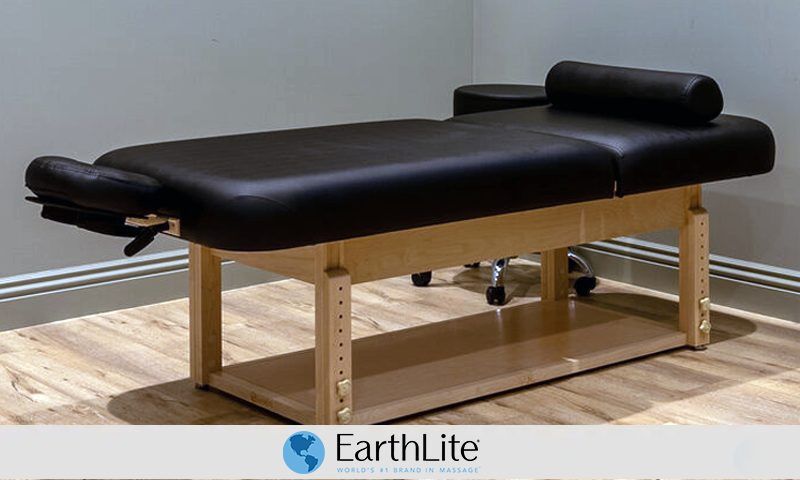
- Stationary wooden or hydraulic tables — often more stable and can have better built-in padding and bolsters.
- Electric/hydraulic tables — easy height adjustment boosts therapist technique and client positioning.
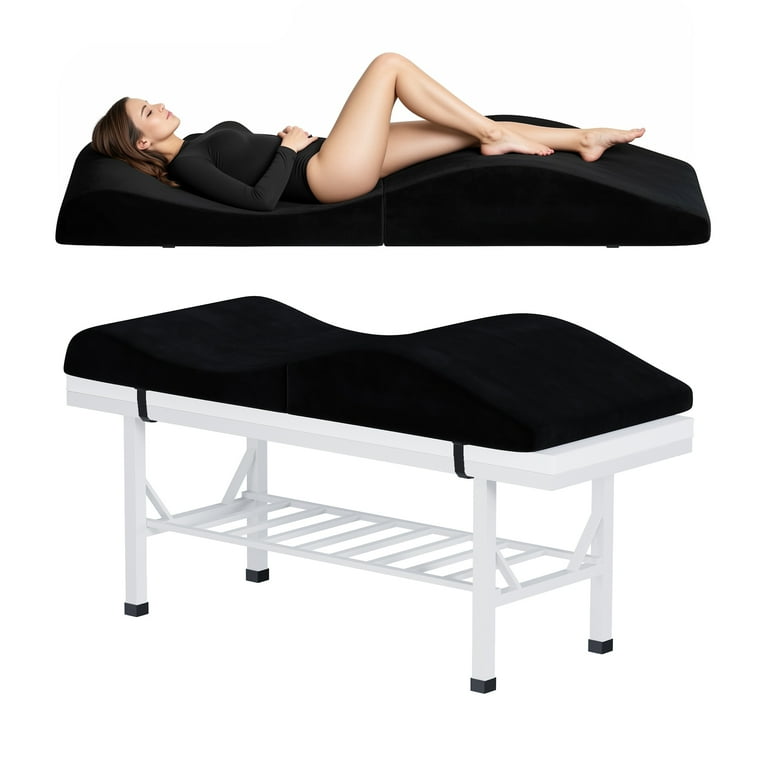
- Specialty tables (pregnancy, sports, spa) — shaped to address specific needs, like belly cutouts or extra width.
In practice, portable tables with 3 inches of high-density foam and a supportive frame can feel nearly as good as fixed spa tables. I recommend testing with a colleague before buying.
How therapists can improve comfort during a session
How comfortable are massage tables for clients also depends on the therapist’s setup and hands-on approach. Small adjustments make big differences.
Practical therapist techniques:
- Check face cradle alignment and cushioning before the client lies down.
- Use layered bolsters to finely tune lumbar and hip support.
- Warm the table surface with a blanket or towel between sessions.
- Communicate about pressure and adjust in real time to avoid numb spots.
I always ask clients how their jaw and shoulders feel within the first five minutes. That short check prevents discomfort from becoming a distraction.

Materials, padding, and support explained
How comfortable are massage tables for clients is heavily influenced by what the table is made of. The cushion density, cover material, and frame type matter most.
Material choices and effects:
- Foam density — higher density offers better long-term support and resists compression.
- Multi-layer foam — a soft top with firmer base balances comfort and structural support.
- Vinyl covers — durable but can feel cold; heated pads or warmed sheets help.
- Wood versus aluminum frames — wood often feels sturdy and warm; aluminum is lighter for travel.
I’ve swapped cheaper foam for higher-density foam in older tables and extended their useful comfort life by years. Upgrades like a memory foam topper can be a cost-effective fix.

Maintenance, hygiene, and perceived comfort
How comfortable are massage tables for clients isn’t just physical feel—cleanliness and upkeep shape trust and relaxation. A worn or stained table reduces perceived comfort even if the padding is good.
Maintenance tips to improve comfort:
- Clean covers after each client with appropriate cleaners and allow full drying.
- Inspect seams and padding for leaks or compression and replace covers as needed.
- Rotate bolsters and cushions to avoid one-sided wear.
- Use mattress protectors and washable covers to extend life and keep surfaces pleasant.
Clients often mention how clean and warm a table feels; that feedback tells you the setup is working.
Choosing the right table for your practice or home
How comfortable are massage tables for clients guides the buying decision. Match the table to your work style, client base, and budget.
Buying checklist:
- Determine typical client sizes and pick width/length accordingly.
- Prioritize foam density and thickness over luxury extras if budget is limited.
- Test the table in person when possible, lying in common positions clients use.
- Factor in portability needs, therapist ergonomics, and warranty/service options.
I advise new therapists to start with a solid portable table with 3 inches of high-density foam, then upgrade once their client needs become clearer. This balance keeps clients comfortable without overspending.
Frequently Asked Questions of How comfortable are massage tables for clients
How much padding is ideal for client comfort?
Most professionals recommend 2.5 to 4 inches of high-density foam for a balance of comfort and support. Thicker padding feels softer but low-density foam may compress quickly and become uncomfortable.
Do face cradles affect comfort a lot?
Yes, a well-shaped and well-padded face cradle greatly improves comfort and reduces neck strain. Adjustable cradles let you fit different face shapes and sizes.
Are portable tables less comfortable than fixed tables?
Not necessarily; many portable tables are very comfortable when they use good foam and have a sturdy frame. Portable tables can match fixed tables if quality materials are used.
How can therapists make a table feel warmer for clients?
Use warmed towels, heated pads, or allow a short warm-up time with a blanket before clients lie down. Warm surfaces often feel more inviting and help muscles relax.
When should I replace a massage table for comfort reasons?
Replace when foam bottoms out, seams split, or the frame becomes unstable. If clients report pressure points or numbness, it’s time to upgrade or refoam.
Conclusion
Comfort on a massage table comes from the right mix of padding, fit, support, and thoughtful setup. Small things—face cradle fit, bolsters, table temperature, and therapist checks—often matter more than brand names or price tags. Use the checklists and tips above to evaluate and improve comfort for your clients, and test changes with real people to see what works best.
Take action: try one setup change this week—swap bolsters, warm the table, or adjust the face cradle—and note how clients respond. If you found this useful, subscribe for more practical tips, or leave a comment about your own comfort wins and challenges.